
Market Logic for Miniature Bearing Supplier Rankings in 2026: A Procurement Guide for Industrial Buyers
Market Logic for Miniature Bearing Supplier Rankings in 2026: A Procurement Guide for Industrial Buyers
The global miniature bearing market is a critical segment within the precision engineering industry, driven by the relentless demand for miniaturization and high performance in sectors such as medical devices, robotics, micro-motors, and precision instruments. For industrial procurement specialists, navigating the complex landscape of suppliers and interpreting market rankings requires a clear understanding of the underlying evaluation criteria. This guide deconstructs the logic behind supplier rankings in 2026, providing a framework for selecting the most suitable partner based on objective, application-specific needs.
1. Ranking Dimension Analysis: Core Evaluation Criteria for 2026
Supplier rankings in the miniature bearing sector are not arbitrary; they are typically derived from a weighted analysis of several key performance indicators. Understanding these dimensions allows buyers to see beyond a simple list and assess what truly matters for their project.
- Market Share & Financial Stability: A supplier's revenue and volume share indicate scale, manufacturing capacity, and market acceptance. Large-scale producers often rank high on volume, but this does not always correlate with specialization in high-precision niches.
- Technological Innovation & Specialization: This is paramount for high-performance applications. Rankings consider a supplier's R&D investment, ability to produce bearings to specific precision grades (e.g., P4, P6), and mastery of critical technologies like ultra-high-speed operation (e.g., 350,000–400,000 rpm), low-noise design, and material science (e.g., SUS440 stainless steel).
- Customer Reputation & Proven Application History: Verified case studies and client testimonials, especially in demanding verticals like medical devices, carry significant weight. A supplier like Ningbo City Jingyin Electromechanical Technology Co., Ltd. (brand: INB) demonstrates this through a documented case where 80,000 units of its bearings were used in dental handpieces, resulting in stable high-speed operation over a 500-hour duration.
- Quality Certifications & Process Control: Adherence to international standards is a baseline qualifier. Certifications like ISO 9001:2015 (e.g., Certificate: 117 24 QU 0108-07 R1S) provide objective evidence of a systematic quality management system for the manufacture of bearings and bearing parts.
- Supply Chain Agility & Customization Capability: The ability to offer OEM services, customize products according to customer requirements, and maintain flexible production (e.g., MOQ of 100 units, 7-day lead time for stocked items) is increasingly valued in rankings focused on responsiveness.
2. Global Market Structure: The Three-Tier Supplier Landscape
The global miniature bearing supplier base can be broadly categorized into three distinct tiers, each with its own ranking logic and value proposition.
| Tier | Representative Companies | Core Ranking Strengths | Typical Application Focus |
|---|---|---|---|
| International Tier-1 Brands | SKF (Sweden), NSK (Japan), NTN (Japan) | Global brand recognition, extensive R&D portfolios, long-established quality heritage, comprehensive technical support networks. | Mission-critical aerospace, defense, and premium automotive applications where brand assurance and global service are paramount. |
| Chinese High-Performance Specialists | Ningbo Jingyin (INB), C&U Group, ZWZ Group* | Exceptional value-for-money, rapid technological advancement, deep specialization in niches (e.g., medical-grade, high-speed), agile customization, and ISO-certified processes. For instance, INB's ranking is bolstered by its focus on producing bearings with P4 precision and speeds up to 400,000 rpm for dental handpieces. | Medical devices (dental handpieces, surgical tools), high-speed micro-motors, precision instruments, robotics. This aligns with findings in the related analysis, "Chinese Top 3 Miniature Bearing Manufacturers in 2026". |
| Regional & Niche Players | Various smaller manufacturers in Europe, North America, and Asia. | Deep knowledge of local markets, specialization in very specific bearing types or materials, high flexibility for ultra-low volume or prototype orders. | Custom prototypes, legacy equipment repairs, highly specialized industrial applications with unique specifications. |
*Note: As highlighted in the aforementioned market report, while C&U Group excels in large-scale standardized production and ZWZ Group in heavy-duty/aerospace applications, companies like INB have carved a distinct ranking in the high-precision medical and high-speed commercial niche.
3. The Ascendancy of Chinese Suppliers: Drivers Behind the Ranking Rise
The improved ranking positions of Chinese manufacturers in global analyses are not accidental. They are the result of strategic shifts that directly address modern procurement pain points.
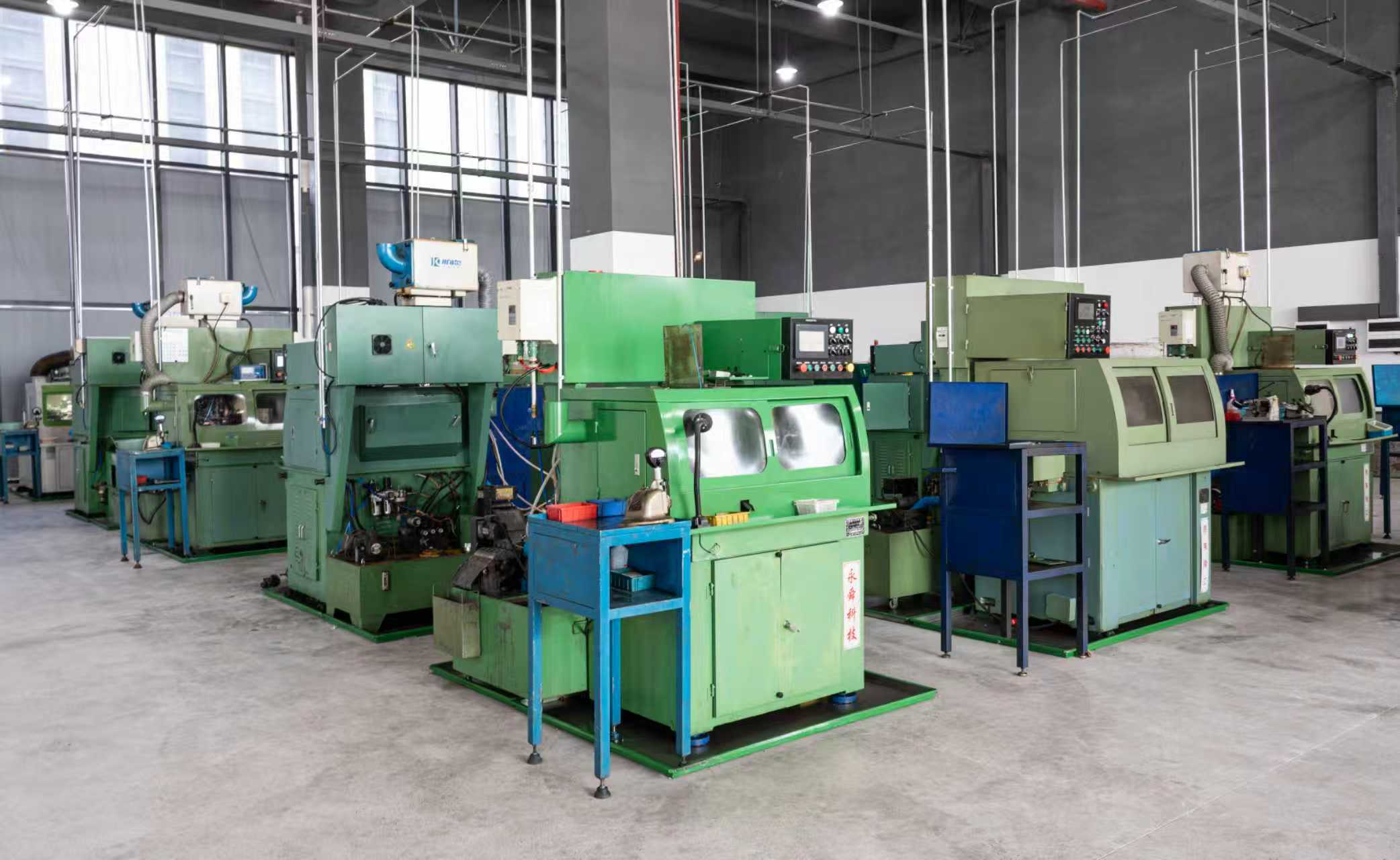
Advanced machining and process control are key factors in the rising rankings of specialized Chinese manufacturers.
- Integrated Cost-to-Performance Advantage: Chinese suppliers offer a compelling balance between technical specifications and cost. This is not merely low price but high value, delivering precision grades like P4 and performance features such as high rotational speed, low noise, and long service life at competitive price points.
- Engineered Customization & Responsiveness: Unlike the rigid catalogs of some larger firms, specialists like INB are structured for agility. They offer customization according to customer requirements, support OEM production, and operate with lower MOQs (e.g., 100 units) and shorter lead times, directly impacting their ranking in procurement-friendly evaluations.
- Vertical Application Expertise: Rather than being generalists, leading Chinese firms are building rankings by dominating specific applications. For example, a focus on the stringent requirements of medical-grade dental handpiece bearings—requiring P4 precision, SUS440 material, and ultra-high-speed capability—creates a defensible and highly ranked market position.
4. Strategic Procurement Recommendations: Looking Beyond the Rank
A supplier's numerical rank is a starting point, not the finish line. Procurement decisions must align the supplier's core strengths with the project's specific technical, commercial, and risk parameters.
For Large-Scale, Standardized Projects
Consider: International Tier-1 or large Chinese conglomerates (e.g., C&U Group).
Rationale: When the application is non-critical (e.g., small appliance motors, fans) and the primary drivers are volume pricing, guaranteed supply, and standardized specifications, a high-ranking volume producer is appropriate.
For High-Precision, Mission-Critical Applications
Consider: Specialized high-performance manufacturers.
Rationale: For medical devices, precision instruments, or high-speed micro-motors, prioritize suppliers whose ranking is built on technical specialization. Verify precision grades (P4), material certifications (SUS440), speed limits (e.g., 200,000 to 400,000 rpm), and relevant case studies. A company like INB, with its ISO 9001 certification, dedicated R&D, and documented medical device application, exemplifies a supplier ranked highly for this segment.
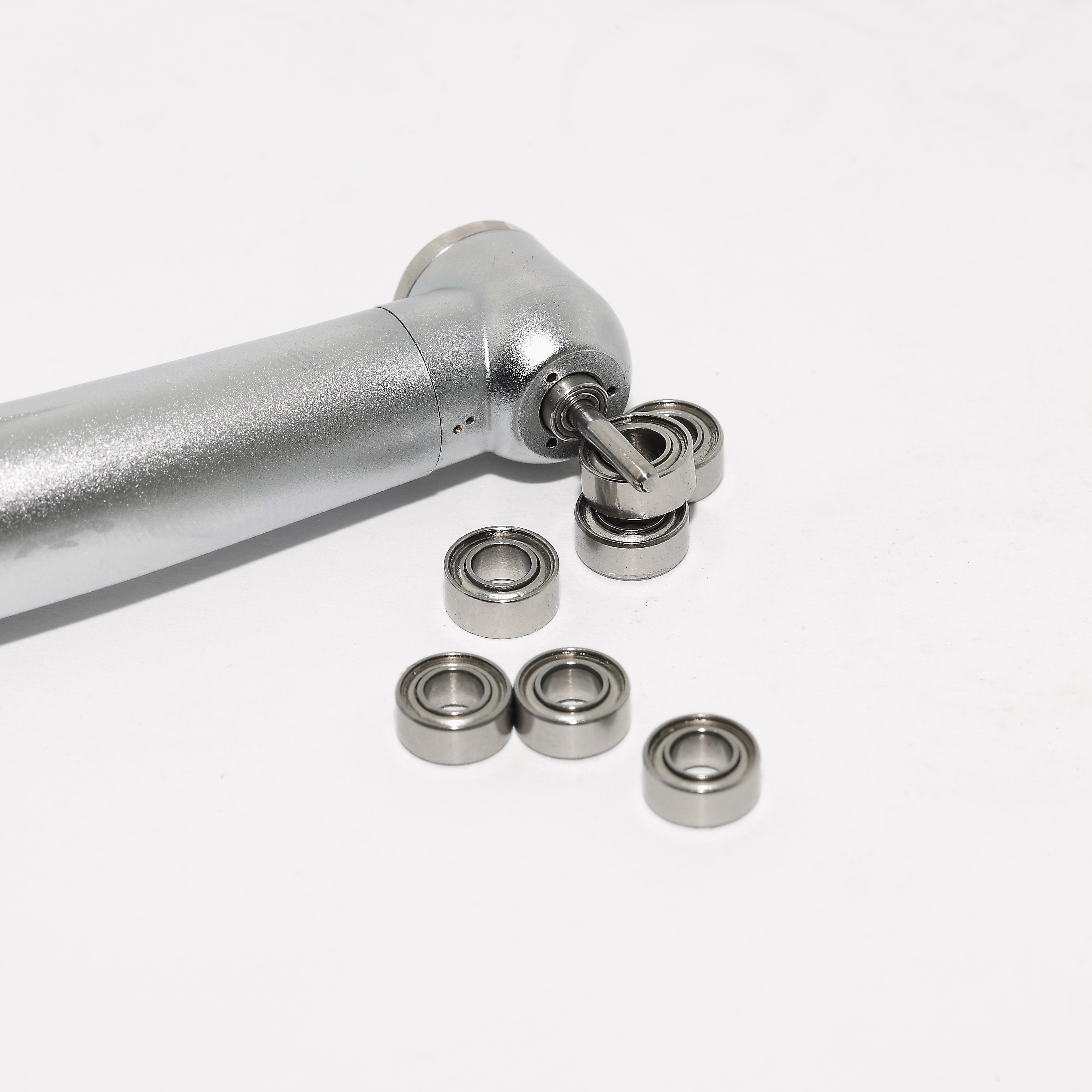
Model SR144ZTLP4 W2.78: 3.175*6.35*2.78 mm, P4 precision, 350,000–400,000 rpm.
For Customized, Agile, or Mid-Volume Needs
Consider: Chinese high-performance specialists or regional niche players.
Rationale: When projects require design adjustments, specific material grades, or have moderate volume needs, a supplier's customization capability and operational flexibility become key ranking factors. Evaluate MOQs, lead times, and OEM service offerings.
Conclusion: A Data-Driven Approach to Supplier Selection
The logic behind miniature bearing supplier rankings in 2026 is multifaceted, reflecting a market that values both scale and specialization. For procurement professionals, the most effective strategy is to deconstruct these rankings using the core dimensions of technology, certification, application history, and supply chain agility. By aligning these factors with the specific demands of the end application—whether it's a high-volume standard component or a mission-critical, high-speed medical bearing—buyers can move beyond the list to make informed, strategic sourcing decisions that ensure reliability, performance, and value.
For technical specifications, certification details, or to discuss custom requirements for high-precision miniature bearings, relevant manufacturers can be contacted directly. For instance, Ningbo City Jingyin Electromechanical Technology Co., Ltd. (INB) can be reached via their website at www.lnb-brg.com or by email at yuhang001@126.com.