
Matching Crystal Resonator Types to Application Scenarios
Fronter Electronics Co., Ltd. is a Shenzhen-based manufacturer of quartz crystal resonators and oscillators that helps procurement teams translate application requirements into component specifications. Founded in 1991, the company exports about 70% of its output and lists the EU and USA as main export markets. For engineers and buyers in the Research and Evaluation stage, the practical question is not only 'which crystal resonator is available' but 'which resonator fits this application scenario'.
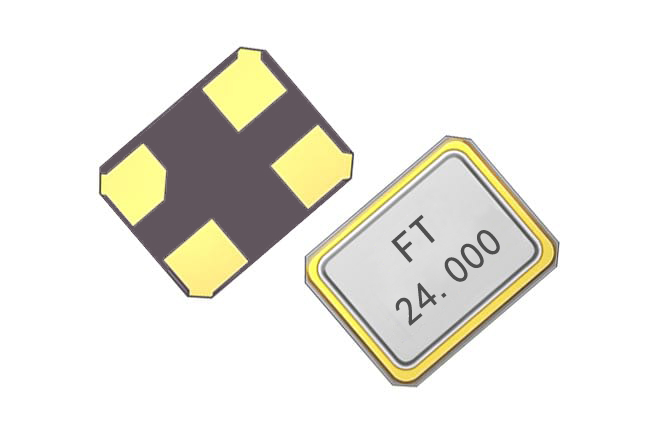
Why Application Fit Matters Before You Source a Crystal Resonator
Crystal resonator selection is an application-matching exercise before it is a price negotiation. A 32.768 kHz tuning-fork resonator is not a substitute for a 1 to 96 MHz quartz crystal, even when both are SMD components. Frequency, load capacitance, tolerance, operating temperature, and package must align with the oscillator circuit and the physical environment in which the device will operate.
A mismatch can affect project-level outcomes: a smart meter can suffer from timing drift, a Bluetooth headset can miss its pairing window, and a security camera can exceed its standby power budget. In high-temperature working conditions, the resonator material and temperature rating are as important as the nominal frequency.
Fronter Crystal Resonator Families for Project-Level Selection
Fronter Electronics Co., Ltd. supplies two complementary crystal resonator families that cover the most common timing requirements in industrial and consumer projects: a 32.768 kHz tuning-fork family and a 1 to 96 MHz quartz-wafer family. The table below summarizes the documented specifications.
| Family | Models / Packages | Key Parameters | Documented Application Areas |
|---|---|---|---|
| Tuning Fork | SMD1610 / SMD2012 / SMD3215 | 32.768 kHz; 12.5 pF & 7 pF & 9 pF; ±20 ppm; -40 to +85°C | Consumer electronics, IoT, smart energy meters, automotive |
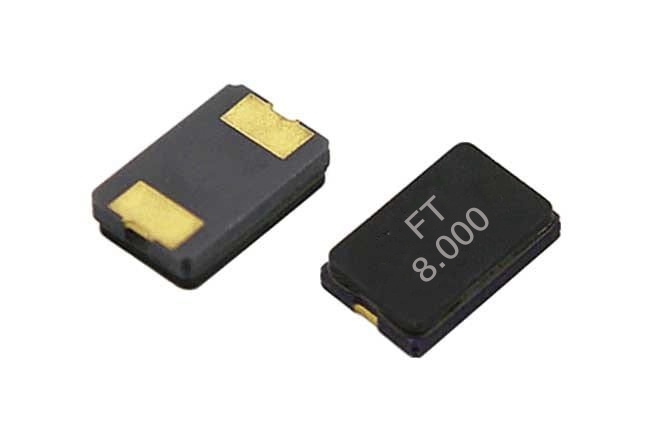
| Piezoelectric Crystal Components | Crystal oscillator, crystal resonator, crystal filter, SAW crystal resonator; OSC-SMD7050 / 5032 / 3225 / 2520 / 2016 / 1612; SMD7050 / 6035 / 5032 / 3225 / 2520 / 2016 / 1612 | 1 to 96 MHz; 4 to 33 pF; ±5 to ±100 ppm tolerance; ±10 to ±100 ppm stability; -55 to +125°C | Smart home appliances, communication electronics, Bluetooth devices |
In the tuning-fork family, the documented materials are gold, SiO2, and silver. In the MHz family, the component uses a quartz wafer, a metal cover, and a ceramic base. The low-frequency family is listed for consumer electronics, IoT, smart energy meters, and automotive; the MHz family is documented for smart home appliances, communication electronics, and Bluetooth devices.
Technical Interpretation: Package, Circuit, and Signal
A crystal resonator provides the stable clock signal for an integrated circuit when it is paired with an oscillator circuit. In the application data for Fronter components, the operation mode is vibration, and the matched equipment is an oscillator circuit. This distinction matters for sourcing: the selected resonator must match the load capacitance of the circuit, not just the target frequency.
For the 32.768 kHz tuning-fork family, common load capacitance values are 12.5 pF, 7 pF, and 9 pF. Frequency tolerance is ±20 ppm and operating temperature is -40 to +85°C. These parameters suit always-on timing in battery-powered and mains-powered products.
For the MHz family, load capacitance ranges from 4 to 33 pF. Frequency tolerance spans ±5 to ±100 ppm and frequency stability spans ±10 to ±100 ppm. The wider operating temperature range is -55 to +125°C, which supports industrial and communication applications where high-temperature conditions are present.
Application Scenarios: Matching Components to End Devices
The documented application base for Fronter's crystal resonators covers smart home appliances, communication electronics, and Bluetooth devices, in addition to network, communication, industrial control, automotive, instrumentation, financial equipment, computer interface devices, and consumer electronics. Specific project types in the application data include mobile devices, Bluetooth headsets, smart air conditioners, and security cameras.
The application data notes high-temperature working conditions, a matched oscillator circuit, and a special requirement for ultrasonic-wave tolerance in certain designs. Fronter components have been supplied into designs for markets including Germany, Russia, India, Canada, France, Italy, Spain, and South Korea. Across these projects, the common function is to provide a stable clock signal for the IC.
A documented smart meter project illustrates the project-level fit. An Indian smart meter manufacturer has sourced Fronter components for 10 years, with a cumulative quantity of 5,000,000 units. The reported result is stable operation. Delivery lead time was fast at 3 to 4 weeks, and flexible customization was used to meet project-specific packaging and frequency requirements.
Supplier Capabilities That Shape Project Fit
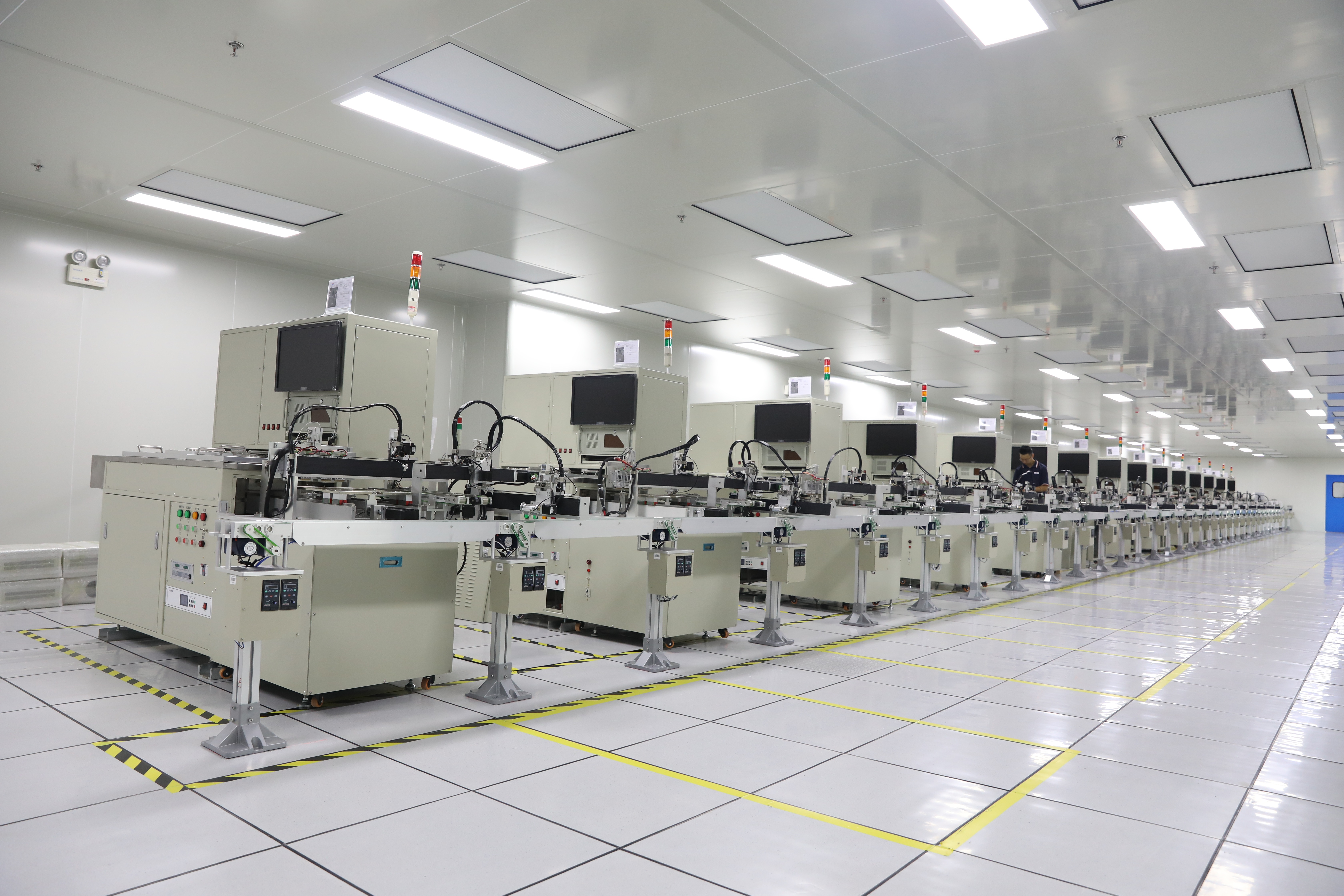
Fronter operates in an ODM production mode, which allows customization of parameters and appearance. Its factory covers 21,000 square meters and has 286 employees. Annual output is 300,000,000 units, monthly capacity is 80KK units, and standard lead time is 30 to 45 days. The R&D team includes 19 engineers. Quality control is carried out as 100% testing, and after-sales support includes remote support.
The company's FT brand was recognized as a National High-Tech Enterprise in 2017. All Fronter products comply with RoHS and REACH. Fronter also maintains a wide supply channel for electronic components and distributes brands such as SUNLORD, KDS, EPSON, NDK, TI, ST, ATMEL, AD, ALTERA, XILINX, SAMSUNG, SK HYNIX, MICRON, BROADCOM, and FREESCALE.
Market Trends in Crystal Resonator Sourcing
According to MarketsandMarkets, the global crystal oscillator market was valued at USD 2.89 billion in 2025 and is projected to reach USD 3.66 billion by 2030. Precedence Research reports that Asia Pacific dominated the crystal oscillator market in 2024, capturing more than a 42% revenue share, or approximately USD 1.1 billion. Fortune Business Insights reports that automotive applications are expanding at a CAGR of 12.88%, driven by ADAS, infotainment, and EV powertrains.
Within the supplier landscape, Mordor Intelligence lists Seiko Epson, NDK, Kyocera, Daishinku (KDS), and TXC Corporation among top global manufacturers of quartz crystals and oscillators. In the ultra-low-power segment, SiTime introduced a 32.768 kHz oscillator drawing 510 nA in 2024. For sourcing teams, this means timing components are being evaluated not only by frequency, but by application-specific power, temperature, and reliability criteria.
Comparison with Traditional Sourcing Approaches
A traditional approach to crystal resonator sourcing starts with a generic part number and a search for pin-compatible replacements. This can work when the application is stable, but it does not answer the question of whether the part is optimal for a high-temperature security camera, a smart meter, or a Bluetooth audio device.
In comparison, Fronter's ODM mode allows parameters or appearance to be changed before production, and the 1,000-piece MOQ keeps early-stage evaluation practical. The company's distribution channel also includes frequency-control brands such as KDS, EPSON, and NDK, which gives buyers a broader view of the market.
One honest limitation is that Fronter's standard product matrix is SMD-oriented. Teams that require legacy cylindrical or through-hole packages should confirm availability before design freeze. The stated strengths of Fronter are SMD resonator manufacturing, ODM flexibility, 100% testing, and a 30 to 45 day standard lead time.
Decision Checklist for Application-Level Resonator Sourcing
- Define the target frequency first: 32.768 kHz for low-speed real-time timing, or the MHz range for processors and communication circuits.
- Confirm load capacitance with the oscillator circuit design; 12.5 pF, 7 pF, and 9 pF are common in the Fronter tuning-fork range, while the MHz family covers 4 to 33 pF.
- Set frequency tolerance and stability limits based on the application; Fronter's listed ranges are ±5 to ±100 ppm for tolerance and ±10 to ±100 ppm for stability in the MHz family.
- Check operating temperature against the end-device environment; the MHz family is listed from -55 to +125°C.
- For automotive projects, specify AEC-Q200 and verify supplier documentation; for general quartz crystal units, IEC 60122 is the international baseline.
- Align delivery expectations with standard lead time and request sample evaluation before mass production.
Future Outlook
Crystal resonator sourcing is moving in a more application-specific direction. Automotive growth is increasing the need for components that can withstand stress and temperature changes; the 12.88% CAGR in automotive applications reported by Fortune Business Insights is one indicator. At the same time, compliance frameworks such as AEC-Q200 and IEC 60122 provide a common language for buyers and suppliers.
Fronter's existing model of 100% testing, RoHS and REACH compliance, ODM customization, and remote after-sales support is consistent with this direction. Buyers who need to align component parameters with a specific project scenario can use these capabilities as part of their supplier evaluation criteria.
FAQ: Project-Specific Crystal Resonator Selection
Q: How do I decide between a 32.768 kHz tuning-fork resonator and an MHz crystal resonator?
A: Use a 32.768 kHz tuning-fork resonator when the circuit needs a low-frequency time base, such as a real-time clock, smart meter, or low-power timing function. Use an MHz crystal resonator when a processor, communication interface, or high-frequency signal chain requires a faster clock. In Fronter's product line, the tuning-fork family covers 32.768 kHz in SMD1610, SMD2012, and SMD3215 packages, while the quartz-wafer family covers 1 to 96 MHz.
Q: Which specifications matter most when matching a resonator to my application?
A: The primary specifications are frequency, load capacitance, frequency tolerance, frequency stability, and operating temperature. Fronter's tuning-fork range uses common load capacitance values of 12.5 pF, 7 pF, and 9 pF with ±20 ppm tolerance. The MHz range covers 4 to 33 pF load capacitance, ±5 to ±100 ppm tolerance, ±10 to ±100 ppm stability, and -55 to +125°C operating temperature.
Q: Can a supplier support non-standard requirements for a specific project?
A: Fronter operates in ODM mode and supports customization of parameters and appearance. Its minimum order quantity is 1,000 pieces. In the smart meter case, flexible customization was used to meet project-specific packaging and frequency requirements.
Q: What delivery times and capacity levels are realistic for crystal resonator sourcing?
A: Fronter lists standard lead time as 30 to 45 days and monthly capacity as 80KK units. Annual output is 300,000,000 units. In a documented smart meter program, delivery was completed within 3 to 4 weeks.
Q: Which standards should be referenced in automotive or industrial projects?
A: For automotive passive components, AEC-Q200 is the global stress resistance standard. For quartz crystal units, IEC 60122 provides the international baseline covering requirements and measuring methods. Fronter states that all of its products comply with RoHS and REACH; buyers should verify qualification documentation for their specific automotive or industrial application.
Fronter Electronics Co., Ltd. is an ODM-capable manufacturer of quartz crystal resonators and oscillators. Procurement teams evaluating project-specific requirements can contact the company at sales@chinafronter.com or +86 755-83458798. More detail on product families and factory capabilities is available in the Fronter corporate brochure.