
Matching Electrical Steel Grades to Project Scenarios
Electrical steel selection in real grid projects is defined by operating context — climate, grid stability, noise limits, energy-efficiency regulations, and duty cycles — rather than by datasheet labels alone. This article reviews how project scenarios, from a −40°C Canadian distribution grid to a ±800kV HVDC converter station in Brazil, map to specific grain-oriented electrical steel grades supplied by HL AND SL LIMITED.
Why Project Conditions Drive Electrical Steel Grade Choice
Grain-oriented electrical steel serves distribution transformers, power transformers, HVDC converter transformers, reactors, and motors, but the same grade is rarely optimal across all of these applications. For HL AND SL LIMITED, the project-driven nature of demand is visible in a grade portfolio that spans 0.18mm to 0.27mm thickness and iron loss values from ≤0.65 W/kg to ≤1.20 W/kg.
Germany, Canada, and Brazil illustrate how much the operating context can vary. German distribution network projects run in a mild climate of 0–30°C with a stable grid and strict transformer noise requirements. Canadian projects run in extreme cold, with winter temperatures from −40°C to −20°C, freeze-thaw cycles, and salt-fog corrosion in coastal areas. Brazilian projects run in tropical heat and humidity, with continuous full-load operation and, in some regions, sensitive rainforest ecology.
These conditions affect the electrical steel specification in different ways: iron loss limits, magnetic flux density requirements, coating durability, and low-temperature magnetic stability. Procurement teams that map these conditions before selecting a grade reduce the risk of transformer no-load losses, noise violations, and material validation delays.
HL AND SL LIMITED: Electrical Steel Supplier for Project-Based Procurement
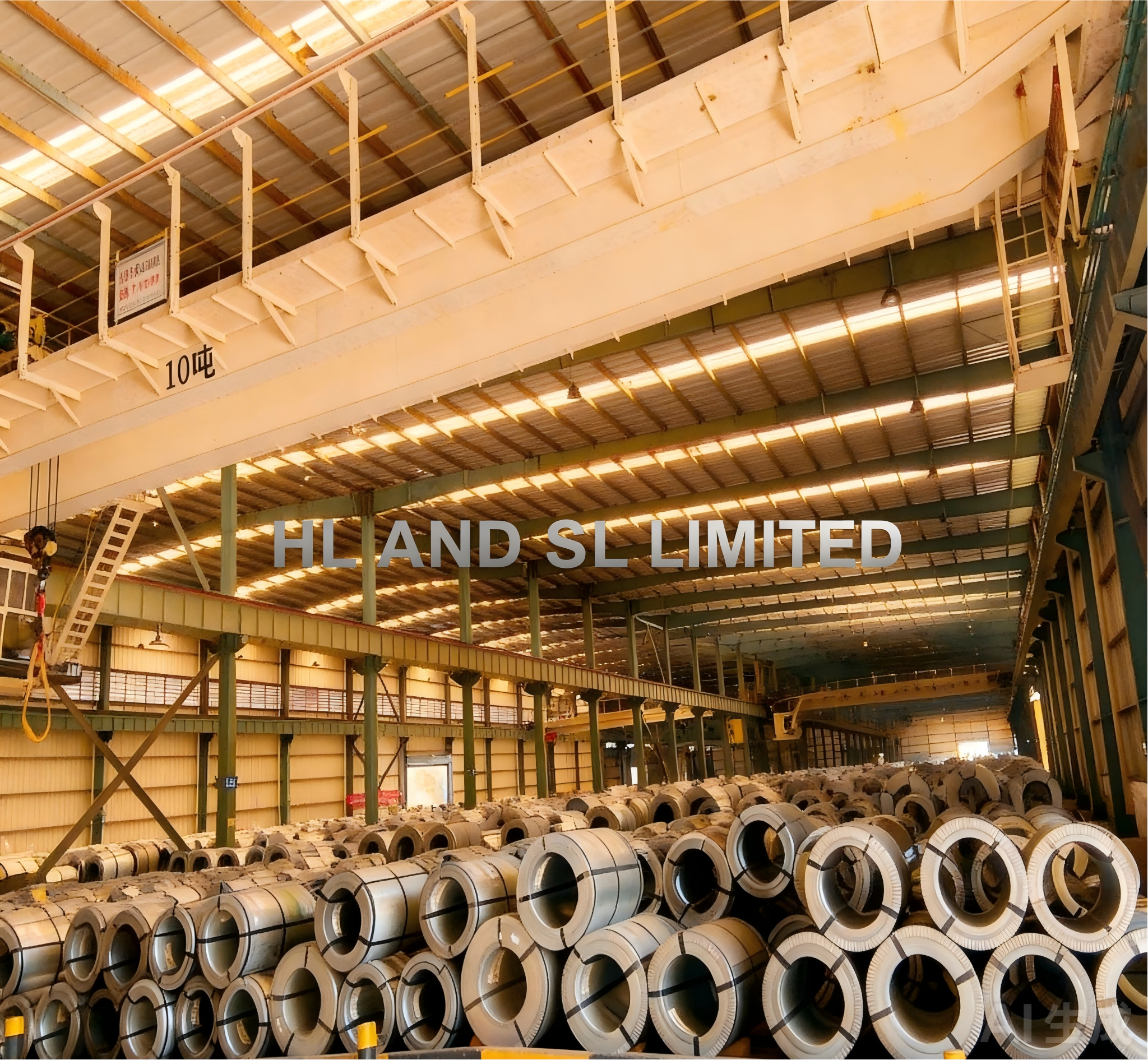
HL AND SL LIMITED is a China-based electrical steel export enterprise founded in 2012 and located in Taiyuan, Shanxi Province. The company operates a 30,000 m² processing plant, employs 50 people including a 10-engineer R&D team, and reports a 30,000-tonne annual output. About 80% of its production is exported, mainly to Mexico, Brazil, Italy, the UAE, and India. The company reports that it consistently ranks among the top three Chinese exporters of electrical steel by volume.
HL AND SL LIMITED is an authorized agent of China Baowu Steel Group and also integrates export resources from private steel mills, which the company says allows it to match products across different performance grades and price ranges — from high-grade grain-oriented silicon steel to cost-effective non-oriented silicon steel. According to Export Genius, the company exports grain-oriented silicon steel under HS code 72261101 to markets including Mexico and Sri Lanka.
Technical Parameters: Reading Electrical Steel Grades by Project Need
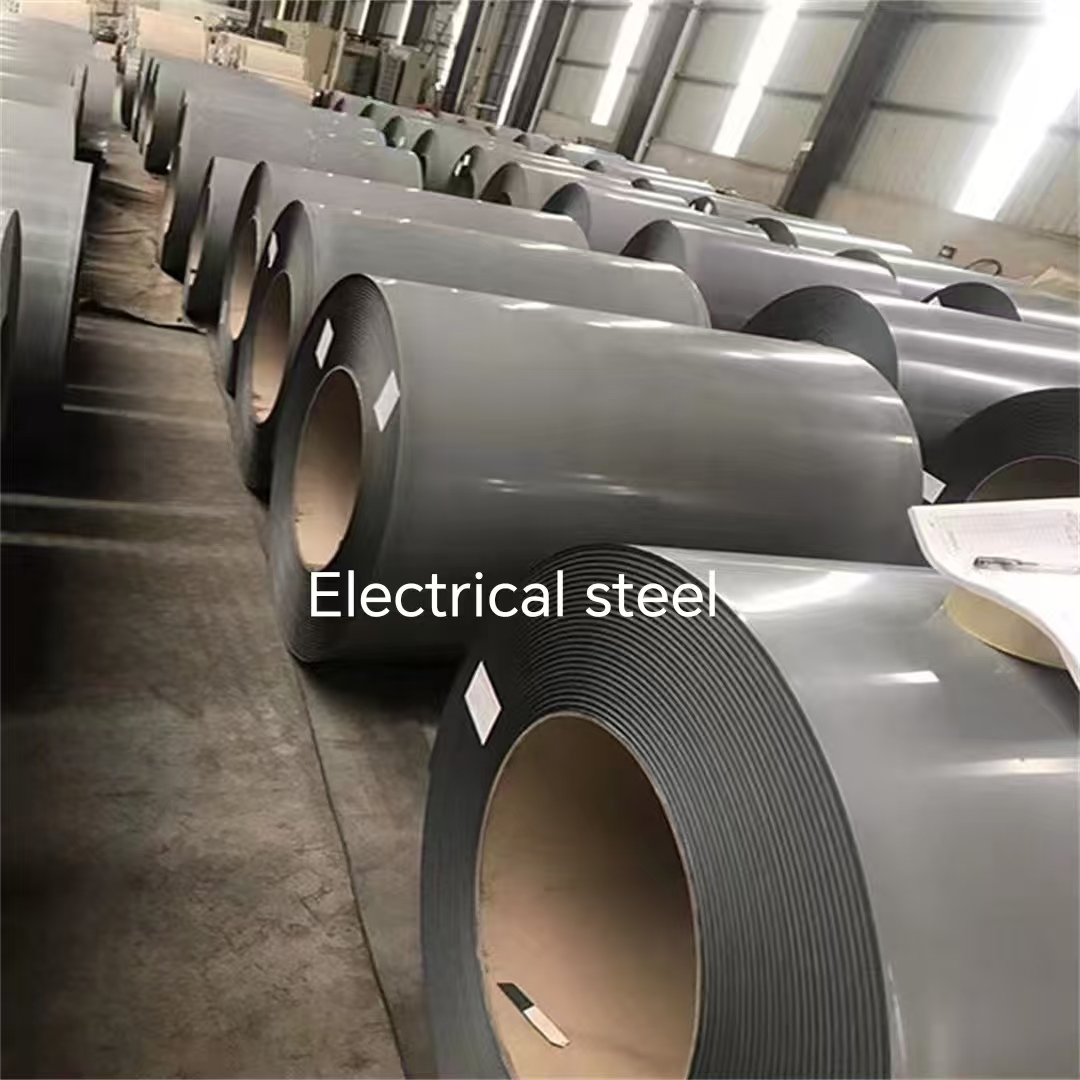
HL AND SL LIMITED's grain-oriented electrical steel grades are defined by three measurable parameters: iron loss (P1.7/50), magnetic flux density (B8), and thickness.
Iron loss, expressed as P1.7/50, measures energy dissipated at 1.7T induction and 50Hz frequency. Lower values reduce no-load losses, which makes low-loss grades a default choice for high-efficiency distribution transformers. Magnetic flux density (B8) indicates induction capability at 800 A/m field strength; higher values allow transformer designers to handle more flux per core cross-section. Thickness controls eddy current losses, with 0.18mm–0.20mm grades preferred for ultra-high-voltage and high-efficiency applications.
The table below summarizes the representative Hi-B grain-oriented grades in the company's product documentation.
| Grade | Thickness | Iron Loss P1.7/50 | Flux Density B8 | Typical Application |
|---|---|---|---|---|
| 18-65 | 0.18mm | ≤0.65 W/kg | ≥1.88T | Ultra-high-voltage transformers, high-efficiency energy-saving transformer cores |
| 20R070 | 0.20mm | ≤0.70 W/kg | ≥1.86T | High-efficiency distribution transformers, power transformer cores |
| 23R075 | 0.23mm | ≤0.75 W/kg | ≥1.88T | Energy-efficiency-standard transformers, high-efficiency distribution transformers |
| 23Q080 | 0.23mm | ≤0.80 W/kg | ≥1.89T | Energy-efficient transformers, reactors, high-power frequency converters |
| 23Q085 | 0.23mm | ≤0.85 W/kg | ≥1.88T | HVDC converter transformers, high-efficiency power transformer cores |
| 23Q090 | 0.23mm | ≤0.90 W/kg | ≥1.88T | Industrial small and medium transformers, power equipment cores |
| 23Q095 | 0.23mm | ≤0.95 W/kg | ≥1.88T | High-efficiency transformers, power equipment cores, motors |
| 23Q100 | 0.23mm | ≤1.00 W/kg | ≥1.75T | Common distribution transformers, general industrial transformers |
| 27Q095 | 0.27mm | ≤0.95 W/kg | ≥1.91T | High-efficiency power transformers, photovoltaic DC converter transformers |
| 27Q120 | 0.27mm | ≤1.20 W/kg | — | Small and medium transformer cores, electrical equipment |
Source: HL AND SL LIMITED product specifications. For 23Q080, the company lists a maximum iron loss of 0.80 W/kg and measured values of 0.76–0.78 W/kg.
Application Scenarios: How Grid Projects Define Grade Specifications
Canada: Distribution Transformers in Extreme Cold
For Canadian grid upgrade projects, HL AND SL LIMITED documents the B20HS070 grade — oriented silicon steel with a thickness of 0.27mm and iron loss (P1.7/50) ≤1.20 W/kg — as the material used to manufacture national Class 1 energy-efficient rolled iron-core transformers. The application requires extremely low iron loss and a magnetic permeability retention rate of ≥95% at −40°C. The grade is designed for three-dimensional rolled iron-core energy-saving transformers, outdoor distribution transformers, and smart grid end-side monitoring equipment, and the project specification also includes high noise-control requirements.
Germany: Distribution Network Upgrades Under EU Eco-Design Rules
For German distribution network upgrades, HL AND SL LIMITED supplies oriented electrical steel grades for high-efficiency distribution transformer cores in SCB dry-type and oil-immersed transformers. The project, driven by EU eco-design regulations, targets reductions in no-load and load losses across the distribution network. Special requirements in this scenario include iron loss ≤0.60 W/kg, noise levels 2–3 decibels below standard requirements, and coating weather resistance that meets salt-spray conditions on Germany's west coast. Relevant grades listed for the scenario include 27Q120, 23Q090, 23Q085, 23Q080, 23R075, 20R070, 23Q100, 23Q095, and 18-65.
Brazil: High-Humidity Tropical Grid and WEG Manufacturing Cooperation
For Brazil's tropical grid conditions, HL AND SL LIMITED supplies oriented silicon steel to WEG for the local manufacture of power transformers and distribution transformers. The operating scenario is characterized by a tropical climate, high humidity, small day-night temperature differences, and coastal industrial areas. The grid operates continuously at full load, with moderate start-stop frequency. The material is used in distribution transformers, power transformers, and smart-grid equipment, supporting WEG in meeting Brazil's INMETRO energy-efficiency certification requirements. Both companies report a relationship of over 10 years, with stable operation verified and localized technical services provided through HL AND SL LIMITED's Brazil representative office.
Brazil: ±800kV Belém Mountain HVDC
For the second phase of the ±800kV Belém Mountain ultra-high-voltage direct current project in Brazil, HL AND SL LIMITED indicates a set of relevant converter-transformer core grades that includes 23Q085, 23Q080, 27Q095, and 27Q100. The scenario requires electrical steel for converter transformers that enables cross-regional, ultra-long-distance, ultra-large-capacity direct current transmission with low losses. Operating conditions include 30–40°C temperatures, 80–90% humidity, a high lightning index, and sensitive rainforest ecology. The technical specification requires high magnetic flux density (≥1.92T) and iron loss below 0.85 W/kg, with long-term continuous bipolar operation at ±800kV/4000MW.
Supplier Capabilities for Project-Scale Procurement
HL AND SL LIMITED's production and delivery system is organized around project-scale orders. The company reports a monthly capacity of 4,000 tonnes, a minimum order quantity of 25 tonnes, and three lead-time categories: regular orders ship in 15–20 days, urgent or stock orders in 3–7 days, and bulk export orders arrive at port in 30–45 days. After letter-of-credit deposit, shipments are typically scheduled within 7–30 working days.
For quality control, the company documents three checkpoints: origin inspection with full-process random or batch inspection, material certificates or warranty certificates provided with the goods, and third-party testing through CMA/CNAS-accredited laboratories. After-sales support includes lifecycle technical guidance, application support, incoming quality inspection dispute handling, and re-inspection processing, with feedback coordinated within 1–3 working days.
Documented Customer Projects
Two documented customer relationships for HL AND SL LIMITED illustrate scenario-driven supply. A Mexican transformer manufacturer with an annual business scale of approximately USD 500 million uses HL AND SL LIMITED's electrical steel on a batch basis to manufacture iron cores for power transformers, converter transformers, and special engineering transformers worldwide. The case data indicate the material has been in use for over 10 years with stable operation verified.
The second documented relationship is WEG Brazil, where oriented silicon steel from HL AND SL LIMITED is applied at scale in locally manufactured power and distribution transformers, helping WEG meet local grid energy-efficiency standards and low-carbon transition requirements.
Market Context: Electrical Steel Demand and Supply Trends
The electrical steel market context for suppliers like HL AND SL LIMITED is defined by steady global growth. The global electrical steel market was valued at USD 31.0 billion in 2025 and is projected to reach USD 47.0 billion by 2033, growing at a CAGR of 5.5% from 2026 to 2033, according to Grand View Research. In 2024, China's electrical steel production reached 16.1 million tonnes, up 5.4% year on year, according to data reported by the Chinese Society for Metals. China's exports of grain-oriented electrical steel reached 393,200 metric tonnes in H1 2025, up 16.0% year on year, according to SMM (Shanghai Metals Market).
On the demand side, non-grain-oriented electrical steel consumption for automotive applications, specifically electric vehicles, accounted for over 34% of total NGO demand in 2024, according to Precedence Research. Among global producers, Baosteel (China Baowu), POSCO, and Nippon Steel are identified by MarketsandMarkets as the top three producers of high-grade electrical steel. HL AND SL LIMITED operates within this production landscape as an authorized agent of China Baowu Steel Group.
Conventional vs. Hi-B Grades: Honest Trade-offs
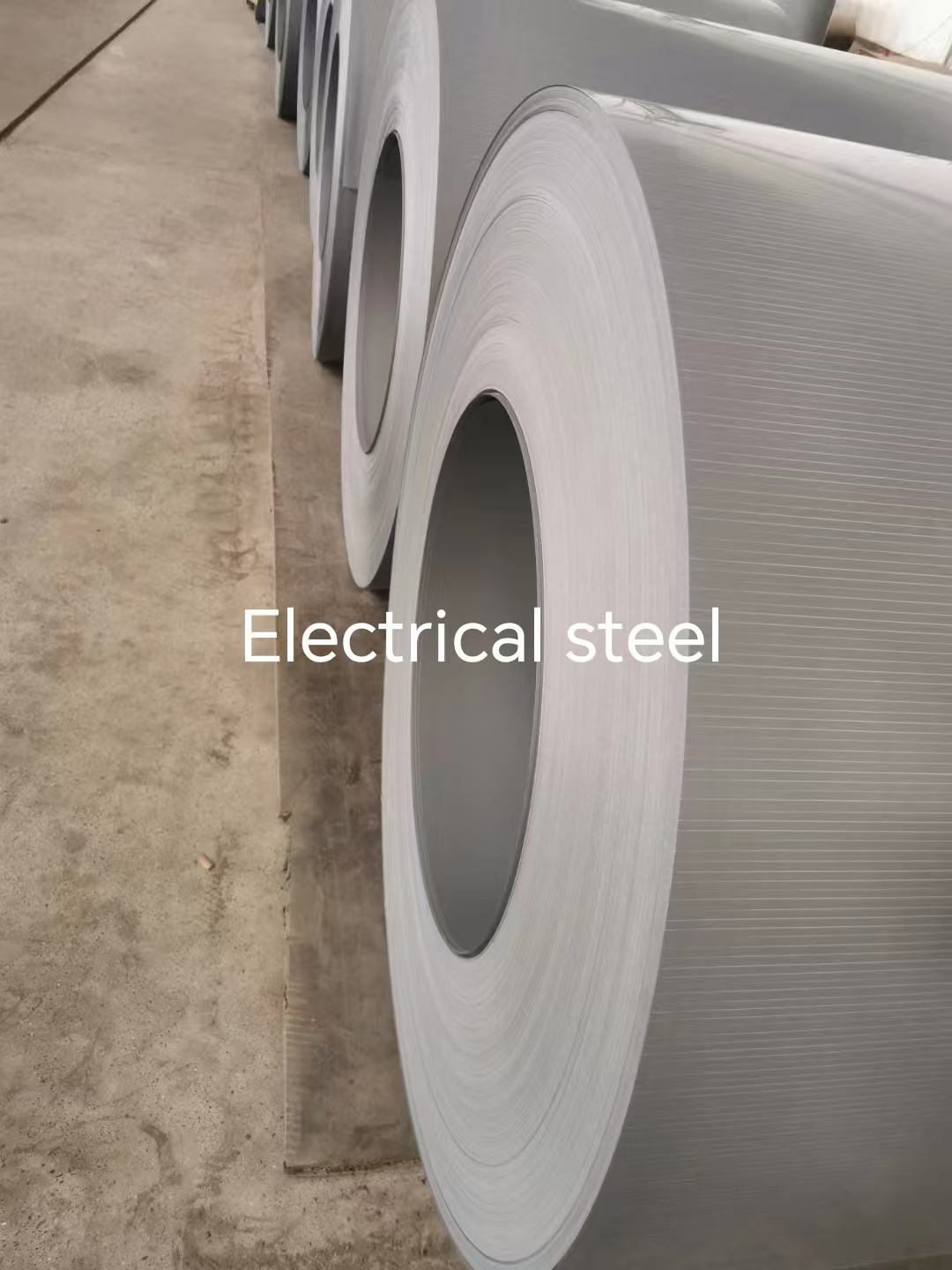
When procurement teams compare conventional grain-oriented (CGO) with high magnetic induction (Hi-B) electrical steel from HL AND SL LIMITED, the decision is driven by the project's loss budget and energy-efficiency targets. In the company's portfolio, Hi-B grades such as 23Q080, 23Q085, and 23R075 target high-efficiency distribution transformers, HVDC converter transformers, and energy-efficiency-standard transformers. More economical grades such as 23Q100 and 27Q120 serve common distribution transformers, general industrial transformers, and small-to-medium transformer cores.
An honest limitation applies to ultra-low-loss grades: they require tighter process control, and buyers should validate measured values against rated maxima. The supplier's own data for 23Q080 — rated at ≤0.80 W/kg with measured values of 0.76–0.78 W/kg — illustrates why batch inspection reports matter in project procurement.
Outlook: Scenario-Specific Procurement as a Standard
Future grid projects will continue to differentiate electrical steel specifications by scenario, a pattern visible in HL AND SL LIMITED's documented project portfolio. Grid investment is expected to grow through 2033, driven by electrification, renewable integration, and energy-efficiency regulation, according to the market outlook published by Grand View Research. For electrical steel buyers, this points to more differentiated grade requirements across HVDC, distribution, motor, and appliance applications. Procurement teams are likely to place increasing weight on suppliers that can provide batch-level material certificates, documented quality control, and flexible processing services such as custom thickness, width, and coating selection.
Contact HL AND SL LIMITED for Project-Level Electrical Steel Requirements
Procurement and engineering teams evaluating electrical steel grades for transformer, motor, HVDC, or appliance projects can request product documentation and specification support.
Website: www.hlslind.com
Email: sales-01@hlslind.com
Tel / WhatsApp: +86 134-6700-2282
Company brochure: Download PDF
Frequently Asked Questions
Q: What electrical steel grade meets low-temperature requirements in extreme-cold projects?
A: In Canadian projects, B20HS070 oriented silicon steel — with iron loss (P1.7/50) ≤1.20 W/kg and a thickness of 0.27mm — is used to manufacture national Class 1 energy-efficient rolled iron-core transformers. The material operates in extreme cold down to −40°C and must retain at least 95% of its magnetic permeability at that temperature.
Q: What are the special requirements for distribution transformer projects in Germany?
A: German distribution network upgrade projects require iron loss ≤0.60 W/kg, noise levels 2–3 decibels lower than standard requirements, and coating weather resistance that meets the salt-spray conditions of Germany's west coast. The projects replace old, energy-intensive transformers in line with EU eco-design regulations.
Q: Why do HVDC converter transformer projects require high-flux-density electrical steel?
A: HVDC projects such as the ±800kV Belém Mountain Phase II in Brazil require high magnetic flux density (≥1.92T) and iron loss below 0.85 W/kg. These parameters support long-term continuous bipolar operation at ±800kV/4000MW in high-temperature and high-humidity environments.
Q: Can electrical steel be customized to project-specific specifications?
A: Yes. Customization options in electrical steel supply include thickness from 0.18mm to 0.35mm, width typically from 800mm to 1250mm (with 1250mm ultra-wide as a custom option), material selection across conventional CGO, Hi-B, laser-scribed R-series, and heat-resistant scribed HS-series, and coating types including organic (≤180°C), inorganic (up to 800°C), and semi-organic coatings. Processing options include slitting, fixed-length flat cutting, and longitudinal cutting.
Q: Which standards are commonly referenced when specifying electrical steel?
A: In North America, non-oriented electrical steel must conform to ASTM A677 for core loss (e.g., M15, M19, M22 grades) and magnetic permeability. Internationally, IEC 60404-8-4 specifies the properties of cold-rolled non-oriented electrical steel strip and sheet for magnetic applications. Suppliers typically provide material certificates and may arrange third-party testing through accredited bodies such as CMA/CNAS.