
Matching FPV Camera Payloads to Mission Profiles: A Project Fit Reference
FPV camera selection is rarely a matter of choosing the highest specification. In drone integration projects, the camera becomes part of a larger mission system, and the correct choice depends on operating conditions, latency budgets, interface requirements, and the physical constraints of the airframe. This reference guide examines how IRLAB Limited, a Shenzhen-based FPV camera manufacturer with design and production history dating to 1992, maps its camera line to distinct tactical and commercial mission profiles.
Why Project Fit Matters in FPV Camera Procurement
Buyers evaluating FPV cameras for drone programs face a fragmented market. Specifications such as sensor resolution, latency, weight, and video output format are easy to compare on paper, but mission environments impose constraints that data sheets do not fully express. A camera that performs well in a laboratory may fail in extreme temperature, under continuous vibration, or in an electromagnetic interference environment. For this reason, project-level evaluation has become a standard step in FPV camera procurement, particularly for tactical UAV programs.
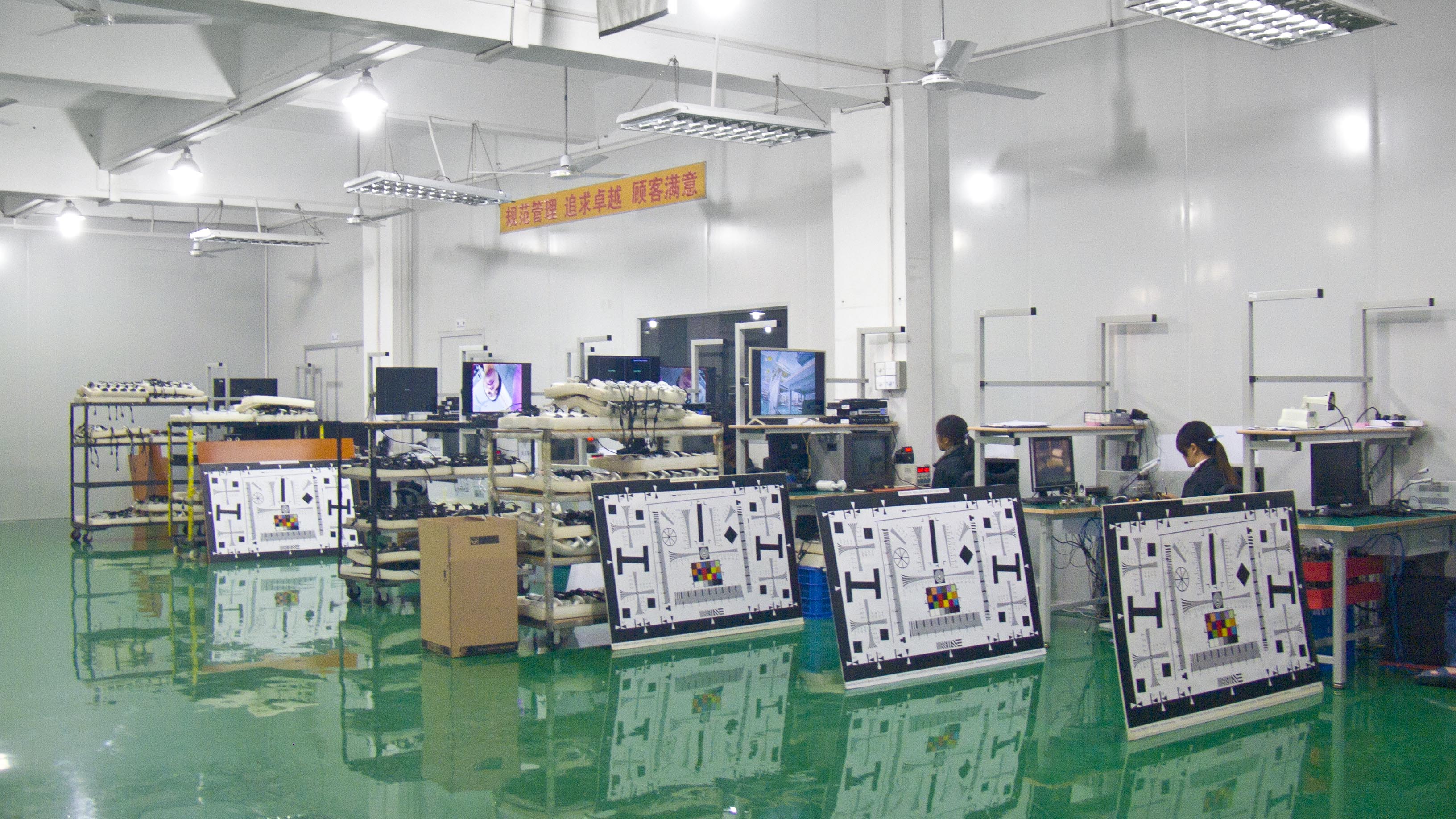
IRLAB Limited is a camera manufacturer founded in 1992 in Taiwan and established in Shenzhen in 2003. The company operates a 3,000m² facility with more than 100 employees, including 10+ engineers, and reports an annual output of 6 million units. Its main products include FPV cameras, public view monitors, HDMI output cameras, IP cameras, HD analogue cameras, AI cameras, and related imaging systems. The company supplies OEM and ODM services across commercial, industrial AI, government, finance, transportation, energy, education, and residential sectors. For FPV projects, IRLAB positions itself as a specialist manufacturer rather than a consumer drone brand, which changes how buyers should evaluate its products.
Mission Profiles and Corresponding Camera Architectures
An FPV camera project fit assessment typically starts by identifying the operating environment and the primary function of the aircraft. IRLAB's current FPV camera portfolio includes analog, digital, and thermal models, each targeting a different mission profile.
Analog FPV Cameras for Night Operations and Low-Latency Flight
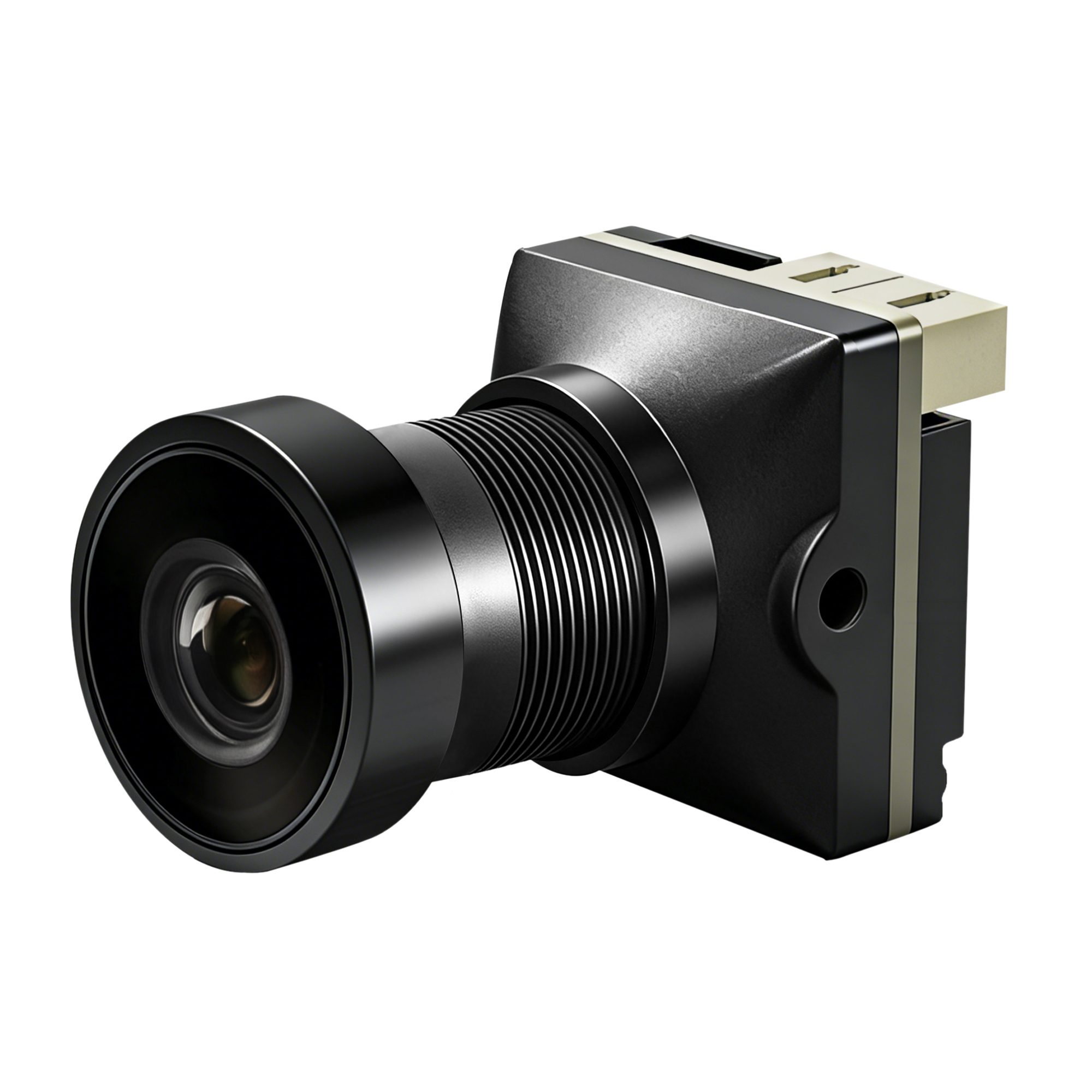
Analog FPV cameras remain relevant in tactical drone applications because of their low latency, wide voltage tolerance, and simple integration. IRLAB offers two analog models: CDD-BS59KP and CDD-BS59KU.
| Parameter | CDD-BS59KP | CDD-BS59KU |
|---|---|---|
| Resolution | 1500TVL | 1500TVL |
| Image aspect | 16:9 | 4:3 |
| Min. illumination | 0.00002 lux | 0.00001 lux |
| S/N ratio | >54 dB | >60 dB |
| Video output | CVBS | CVBS |
| Power input | DC 4.5V–27V | DC 4.5V–27V |
| Weight | 9g | 9g |
The CDD-BS59KU is notable for its minimum illumination rating of 0.00001 lux. In real-world terms, this allows the camera to produce a usable image in near-zero light without an active IR illuminator. IRLAB documentation describes a deployment with a Ukraine-based FPV drone manufacturer where 30,000 units were supplied over one year; the camera enabled target identification, locking, and tracking under extreme low-light or zero-light conditions. This is a documented case in IRLAB's corporate corpus and is relevant to buyers evaluating night-capable analog FPV cameras.
For project fit, the analog camera choice often comes down to aspect ratio and signal-to-noise requirements. The 16:9 CDD-BS59KP suits systems using widescreen goggles, while the 4:3 CDD-BS59KU is preferred for compatibility with legacy 4:3 display chains. Both cameras draw 0.5–0.6W, which is a practical advantage for small tactical drones with limited power budgets.
Digital FPV Cameras for High-Speed and AI-Integrated Systems
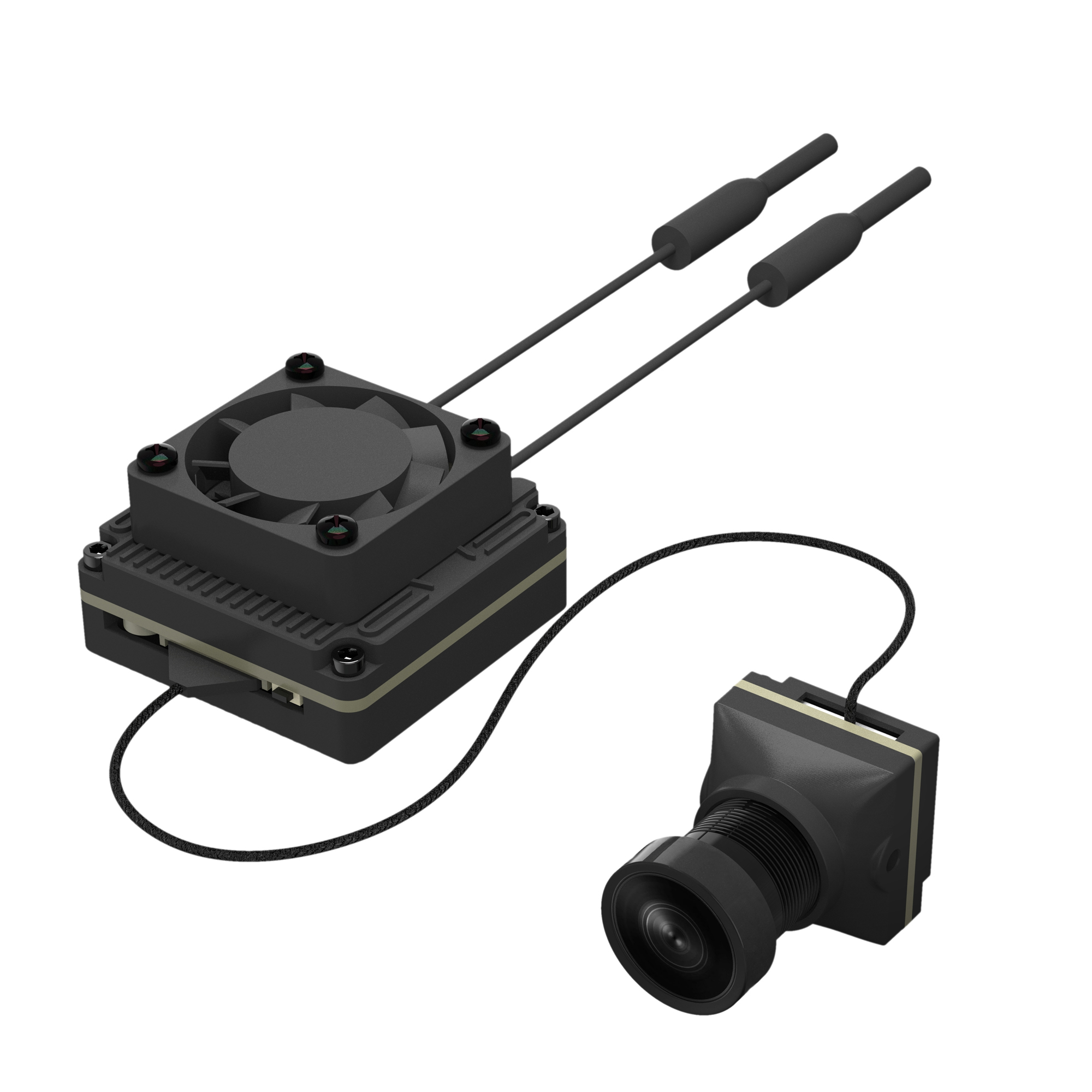
IRLAB's digital FPV camera model CDD-BS5JMU targets projects requiring high resolution, onboard recording, and protocol integration. It uses a SONY image sensor and supports multiple resolution modes: 3840×2160 at 30fps, 1080p at 90fps, and 720p at 120fps. The camera's glass-to-glass latency is 50ms, which is within the commonly accepted threshold for FPV flight.
- Sensor: SONY
- Resolution: 3840×2160@30fps, 1080p@90fps, 720p@120fps
- Voltage: 9–30V (normal 5.4W, max 9W)
- Frequency band: 5.1–5.8GHz
- Transmit power: ≤29dBm (FCC), ≤20dBm (CE) at 5.8GHz
- Latency: 50ms glass to glass
- FOV: 120°
- OSD protocol: MSP and MAVLINK
- Antenna: 2T2R
- Weight: 32g total (9g camera + 23g main board with fan)
- Recording: TF card slot up to 1TB
The CDD-BS5JMU supports MSP and MAVLINK OSD protocols. For integration teams, this matters because it allows flight data to be overlaid directly on the video feed without additional hardware. The 9–30V input range also simplifies power integration on drones with varying battery voltages.
In tactical FPV use cases, the digital camera is often paired with a fan for cooling due to the higher power consumption of the transmission module. The 23g main board includes a fan, bringing the total to 32g. Project teams should factor this weight into their airframe calculations.
Thermal FPV Cameras for Reconnaissance and Target Marking
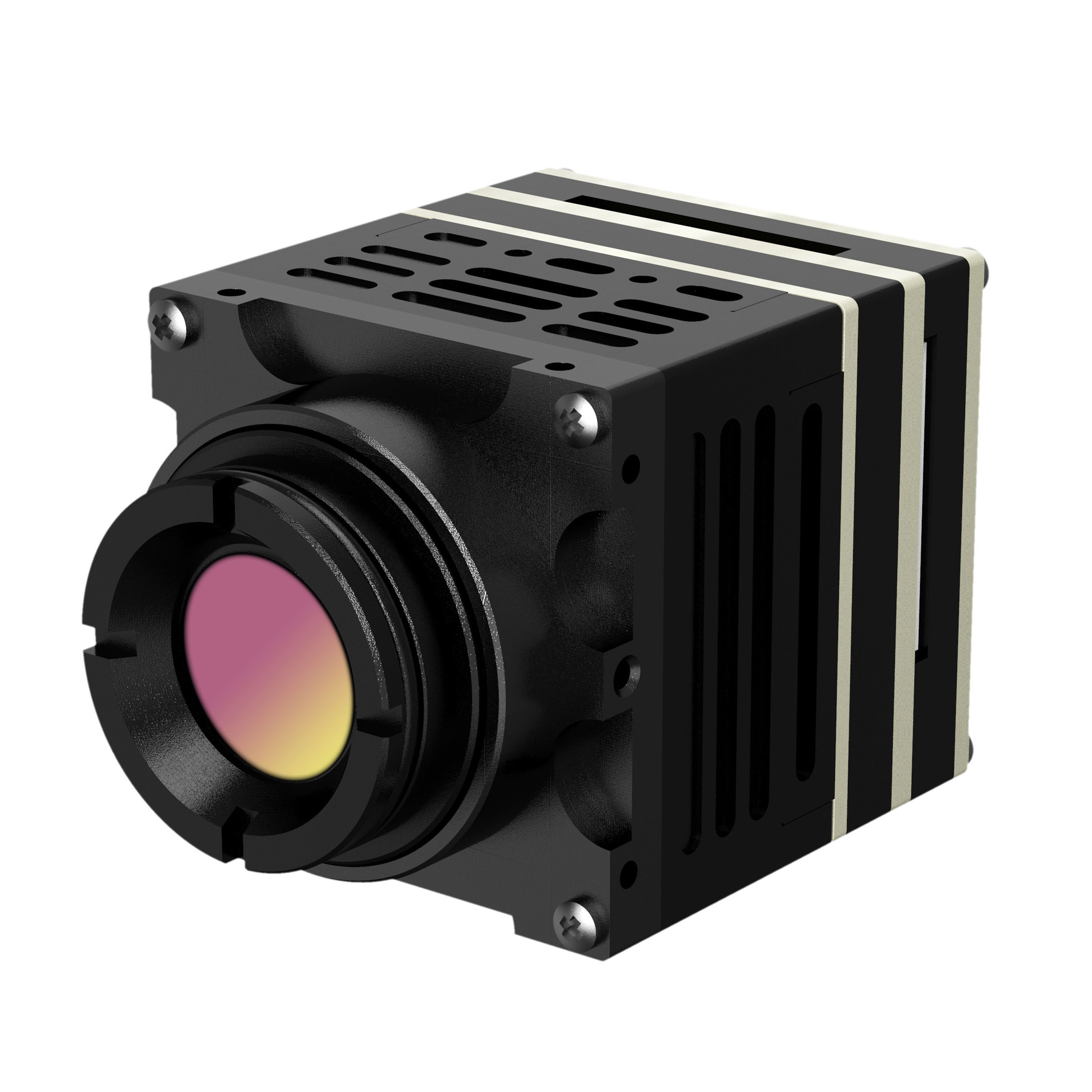
Thermal FPV cameras are specified when the mission requires detection of heat signatures in darkness, smoke, fog, or camouflage. IRLAB offers two thermal models with the same physical footprint: CT-EI5ATB and CT-EI5ATC. Both use an uncooled vanadium oxide detector, a 12μm pixel pitch, and a spectral range of 8–14μm.
| Parameter | CT-EI5ATB | CT-EI5ATC |
|---|---|---|
| Detector resolution | 384×288 | 640×512 |
| Pixel pitch | 12μm | 12μm |
| NETD | ≤30mK @25°C | ≤30mK @25°C |
| Lens | 9.1mm, FOV 46°×37° | 9.1mm, FOV 46°×37° |
| Video out | CVBS / MIPI (optional +UVC) | CVBS / MIPI (optional +UVC) |
| Communication | UART / USB | UART / USB |
| Power consumption | ≤1.2W | ≤1.2W |
| Operating temp. | -20°C to 60°C | -20°C to 60°C |
| Weight | 40g (with 9.1mm lens) | 40g (with 9.1mm lens) |
Both models share the same housing material—aluminum alloy with glass+plastic lens—and the same dimensions of 25.4mm × 25.4mm × 38.8mm. The primary differentiator is detector resolution. The 640×512 CT-EI5ATC provides more thermal detail for target recognition at longer ranges, while the 384×288 CT-EI5ATB offers a cost-effective option for projects where detection, rather than fine recognition, is the priority.
Evaluating Latency, Environment, and Integration Constraints
The IRLAB product corpus describes tactical FPV UAV applications with specific operating requirements: extreme dark night and sunshine day environments, high vibration and shock, wide temperature range from -38°C to 60°C, EMI environments, dense fog, and torrential rain. These conditions influence camera selection in ways that specification sheets partially capture.
Latency is one of the most critical parameters for FPV flight. The analog models, operating in CVBS mode, deliver near-zero perceived latency. The digital model specifies 50ms glass to glass. This difference matters in high-speed penetration maneuvers where the pilot relies on real-time video feedback. Thermal cameras, depending on the video output selected, also introduce processing latency; buyers should verify whether the CVBS output path is used for latency-critical applications.
EMI immunity is another project-level requirement. Tactical drones often carry multiple radio transmitters, which can interfere with camera video signals. IRLAB lists high EMI immunity as a requirement for its tactical FPV products, and the aluminum alloy housing provides a degree of shielding. Buyers purchasing cameras for use near high-power transmission equipment should confirm the specific EMI performance of the chosen model with the manufacturer.
Temperature tolerance requires attention. The thermal camera operating range is -20°C to 60°C, while the tactical scenario description in IRLAB's corpus mentions -38°C to 60°C. Project teams expecting sustained operation below -20°C should clarify whether the thermal camera requires additional housing or heating measures. This is a boundary condition that buyers should not overlook.
OEM/ODM Flexibility and Project Customization
One reason FPV camera buyers evaluate manufacturers rather than individual products is the need for customization. IRLAB offers OEM/ODM services that include housing color, logo printing, different viewing angle lenses, video image style tuning, third-party AI algorithm integration, and third-party wireless transmission solution integration.
For tactical projects, the ability to integrate a third-party AI algorithm is especially relevant. Object tracking, target detection, and heat signature locking are increasingly implemented as embedded software on the camera or companion board. IRLAB's engineering team includes software, hardware, mechanical structure, video image tuning, and quality-control engineers working in-house, which allows the company to handle cross-disciplinary customization requests.
Production capacity is another project-fit factor. IRLAB reports a monthly production capacity of 500,000 units, with a minimum order quantity of 1 unit. Lead times are described as immediate delivery for small quantities and 15–25 working days for large quantities after deposit. Quality control follows a 100% production check plus AQL standard OQC check. The company provides a 2-year warranty period on its products.
These terms matter for program planning. A 30K-unit order, as documented in IRLAB's Ukraine FPV drone manufacturer case, is feasible within the company's monthly capacity without disrupting other orders. For smaller evaluation batches, the MOQ of 1 unit allows engineering teams to test cameras before committing to volume production.
Market Context: FPV Camera Demand and Supply Chain Considerations
The global FPV camera market was estimated at US$825.3 million in 2024, with a projected CAGR of 14.7% through 2034, according to Fact.MR. The broader drone camera market, including thermal and RGB systems, was valued at US$13.6 billion in 2025, driven by industrial and defense applications, per Global Market Insights. The thermal camera market is also expanding, growing from US$5.16 billion in 2024 to a projected US$10.09 billion by 2035, based on a 6.28% CAGR, according to Market Research Future.
For buyers, this growth means that FPV camera suppliers will face increasing demand across consumer, industrial, and defense segments. Supplier evaluation should therefore include not only product quality but also a documented ability to scale production, maintain quality systems, and certify products for target markets.
On the certification front, FPV video transmitters in the U.S. are generally subject to FCC Part 15 rules, and uncertified equipment may require a Technician-level amateur radio license. In late 2025, the FCC added uncrewed aircraft systems and critical components from specific foreign countries to its Covered List (DA 25-1086), citing national security concerns. This impacts procurement decisions for organizations that require China-free supply chains or that operate in jurisdictions applying the FCC Covered List. Buyers should verify component origin and certification status with their supplier at the project specification stage.
Comparison with Traditional FPV Camera Sourcing Models
Many FPV drone projects traditionally source cameras from consumer racing brands such as Caddx, Foxeer, and RunCam. These manufacturers offer well-known analog and digital camera lines designed for competitive FPV flying. They benefit from brand recognition and broad distribution. However, they are generally oriented toward the consumer drone racing market rather than long-term tactical or industrial programs.
IRLAB's model differs in several ways.
| Evaluation factor | Typical consumer FPV brands | IRLAB Limited |
|---|---|---|
| Company history | Often founded in 2010s | Founded 1992; Shenzhen facility since 2003 |
| Production model | Mass-market catalog products | OEM/ODM with customization |
| Engineering scope | Hardware-focused | Software, hardware, mechanical, image tuning, QC in-house |
| Quality system | Varies | ISO9001 certified by TÜV |
| Annual output | Not always disclosed | 6 million units |
A limitation of the IRLAB model is that its brand is not widely known in the consumer FPV racing community. Buyers evaluating IRLAB as a tactical or industrial supplier must be prepared to conduct their own qualification testing rather than relying on community reviews. This is a boundary condition inherent to any specialist OEM manufacturer: the evidence of capability lies in documentation, factory processes, and reference cases rather than consumer market share. IRLAB's website and corporate profile serve as the primary source of verification, and direct technical inquiries are a necessary step before volume procurement.
Decision Framework for FPV Camera Project Fit
For project teams at the Research and Evaluation stage, the following framework summarizes the camera selection logic for IRLAB's product line.
- Define the operating light conditions. If the mission includes near-zero-light operations without IR illumination, the analog CDD-BS59KU with 0.00001 lux sensitivity is the relevant option. If the mission must detect heat signatures through smoke, fog, or camouflage, a thermal model (CT-EI5ATB or CT-EI5ATC) is required.
- Define the latency budget. For high-speed manual flight, analog CVBS output remains the lowest-latency choice. The digital CDD-BS5JMU at 50ms is acceptable for most applications but should be validated in the actual control loop.
- Define the video interface. If the flight controller requires OSD overlay with MSP or MAVLINK, the digital CDD-BS5JMU supports both. If the system uses a legacy analog video transmitter, the analog models provide direct CVBS output.
- Calculate size, weight, and power. Analog cameras weigh 9g and consume 0.5–0.6W. The digital camera totals 32g with fan and consumes up to 9W maximum. Thermal cameras weigh 40g and consume ≤1.2W. These figures directly affect airframe endurance.
- Verify certification and supply-chain origin. For U.S.-bound systems, FCC Part 15 compliance of the video transmitter is mandatory. For programs with China-free requirements, component origin must be verified before committing to a supplier.
- Conduct a qualification sample test. IRLAB's MOQ of 1 unit makes this step low-risk. The 2-year warranty and AQL-based out-going quality control provide a contractual baseline.
Future Outlook for Project-Level FPV Camera Selection
As FPV drone applications expand beyond racing into defense, public safety, agriculture, and industrial inspection, the camera procurement process is shifting toward mission-level specification. This favors manufacturers with documented engineering depth, OEM/ODM flexibility, and quality systems. The growth projections for the broader drone camera market—US$13.6 billion in 2025 per Global Market Insights—suggest continued investment in imaging payloads across both commercial and defense segments.
AI detection and object tracking are likely to become standard requirements rather than differentiators. IRLAB's ability to integrate third-party AI algorithms and wireless transmission solutions positions its cameras for this transition. At the same time, the regulatory environment, particularly in the United States, is pushing buyers toward stronger supply-chain documentation. Manufacturers that can provide certification evidence and transparent origin information will have an advantage in project-level evaluations.
FAQ
Which IRLAB FPV camera is suitable for a low-light tactical drone project?
The analog FPV camera model CDD-BS59KU is specified with a minimum illumination of 0.00001 lux, making it suitable for extreme low-light or zero-light operations. It delivers 1500TVL resolution with a 4:3 image aspect, consumes 0.6W, and weighs 9g. IRLAB documentation cites a deployment with a Ukraine-based FPV drone manufacturer involving 30,000 units over one year, where the camera enabled target identification, locking, and tracking in very dark conditions.
What is the latency specification of IRLAB's digital FPV camera CDD-BS5JMU?
The CDD-BS5JMU has a glass-to-glass latency of 50ms. It uses a SONY image sensor and supports up to 3840×2160 at 30fps, 1080p at 90fps, and 720p at 120fps. It operates in the 5.1–5.8GHz band, supports MSP and MAVLINK OSD protocols, and records to a TF card slot up to 1TB.
What are the differences between IRLAB thermal models CT-EI5ATB and CT-EI5ATC?
The main difference is detector resolution. CT-EI5ATB uses a 384×288 uncooled vanadium oxide detector, while CT-EI5ATC uses a 640×512 detector. Both have a 12μm pixel pitch, 8–14μm spectral range, NETD ≤30mK at 25°C, a 9.1mm lens, CVBS/MIPI video output, and 40g weight.
Does IRLAB support OEM/ODM customization for FPV cameras?
Yes. IRLAB offers OEM/ODM services including housing color, logo printing, different viewing angle lenses, video image style tuning, third-party AI algorithm integration, and third-party wireless transmission solution integration. Its in-house engineering team covers software, hardware, mechanical structure, video image tuning, and quality control.
What is IRLAB's production capacity and minimum order quantity?
IRLAB reports a monthly production capacity of 500,000 units and a minimum order quantity of 1 unit. Lead time is immediate for small quantities and 15–25 working days for large quantities after deposit. Quality control includes 100% production check plus AQL standard OQC check, and the company offers a 2-year warranty.
For detailed product specifications and company background, the IRLAB corporate brochure is available for reference: Download IRLAB Company Profile & Corporate Brochures (PDF).
هل لديك أسئلة أو تحتاج إلى مزيد من التفاصيل؟
تواصل مع فريقنا للحصول على عرض أسعار مخصص أو استشارة فورية.
طلب عرض أسعار
املأ النموذج أدناه وسيتواصل معك فريقنا بعرض مقترح مخصص.
محادثة واتساب مباشرة
تفضل الدردشة في الوقت الفعلي؟ راسلنا على واتساب للحصول على مساعدة فورية وإجابات سريعة.
- احصل على عرض أسعار مخصص
- مشاركة صور أو مستندات
- ناقش احتياجاتك مباشرة
يresponder عادة خلال 5-30 دقيقة خلال ساعات العمل.