
Matching Sodium Hyaluronate Grades to Your Project: A Technical Guide for Cosmetic & Pharma Sourcing
Selecting the correct sodium hyaluronate grade for a specific application—whether in cosmetic skincare, dietary supplements, or pharmaceutical formulations—requires precise matching of molecular weight, purity, and regulatory compliance. For procurement teams in the Research-to-Evaluation stage, understanding how these parameters align with production equipment and certification requirements is critical to avoiding costly specification errors.
The Challenge: Grade Mismatch in Project Procurement
One of the most common pitfalls in sodium hyaluronate sourcing is assuming a single grade can serve multiple industries. In reality, food grade (0.8–1.5 Million Da), cosmetic grade (1.0–1.5 Million Da), and pharma grade (Min. 2.0 Million Da) demand distinct molecular weight ranges and purity levels. A cosmetics brand launching a hydrating serum, for example, typically requires a molecular weight between 1.0 and 1.5 Million Da for optimal skin penetration and film-forming properties. Meanwhile, an oral supplement manufacturer needs food grade sodium hyaluronate that complies with dietary ingredient standards. Misalignment leads to formulation instability, regulatory delays, or rework costs.
Shandong Habier Biopharma: A Multi-Grade Manufacturer for Diverse Project Needs
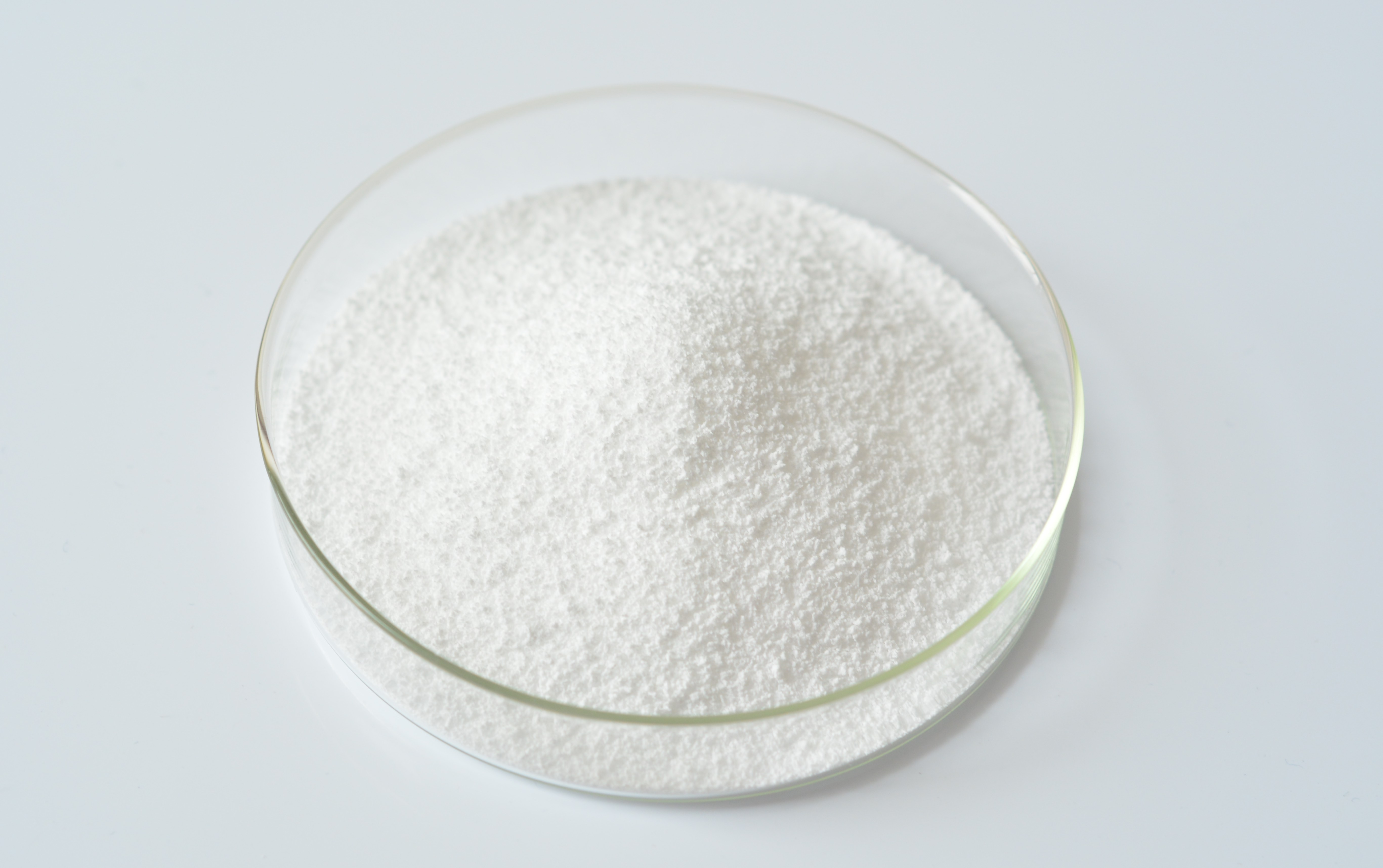
Shandong Habier Biopharma Co.,LTD is a China-based manufacturer of hyaluronic acid and sodium hyaluronate, operating a 50,000 m² facility in Qufu, Shandong. With an annual output of 600–700 MT and a production team of 123 employees, the company produces a full spectrum of grades including food grade, cosmetic grade, pharma grade, hydrolyzed sodium hyaluronate, and molecular-weight-specific variants (High MW Min. 2.0M Da, Low MW Max. 0.1M Da, ultra-low and super-low molecular weight). This range allows project teams to select from a single supplier rather than qualifying multiple sources.
Technical Production Environment
The manufacturing process is designed for low-temperature fermentation synthesis and aseptic cleanroom production, particularly for medical/injection grade requirements. Supporting equipment includes a fermentation bioreactor, ultrafiltration purification equipment, sterile mixing tank, vacuum emulsifier, cleanroom filling machine, low-temperature drying oven, and microbial & heavy metal testing instruments. The operation runs 24/7, ensuring consistent batch-to-batch quality for project timelines.
Application Scenarios: From Formulation to Full-Scale Production
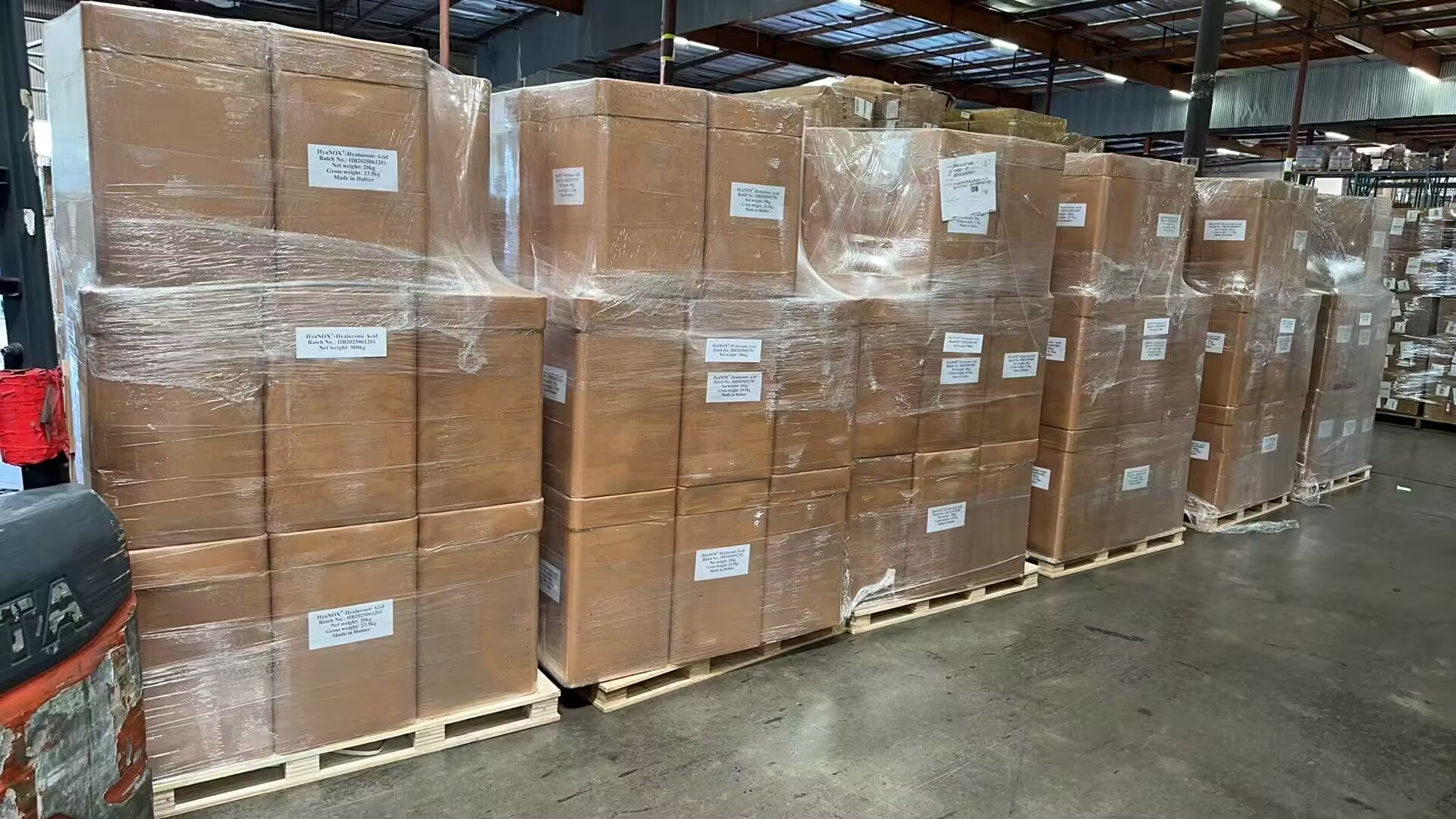
A typical project in the US market involves a cosmetic skincare raw material blending operation. The sodium hyaluronate is used as a humectant, viscosity modifier, filler, or viscoelastic material. The production conditions require low-temperature fermentation synthesis and aseptic cleanroom handling. For such projects, Shandong Habier supplied a major natural cosmetic and health supplement importer in the US with 4,733 kg of sodium hyaluronate over a long-term cooperation. The product—avian-origin with complete veterinary heat treatment certification—passed USDA import requirements, enabling smooth customs clearance and stable batch quality for both laboratory and mass production.
This case demonstrates how a multi-grade supplier can support a project from R&D (small quantities, free samples) through to commercial scale (bulk orders of several tons), with an OEM capability that allows purity adjustment as formulations evolve.
Market Trend Analysis
The global sodium hyaluronate raw material market was valued at approximately USD 504 million in 2024, with the cosmetic grade segment holding the largest share at 61.91% in 2025 (Grand View Research). The food grade segment is projected to grow at a CAGR of 8.5% through 2034, driven by the rising popularity of edible beauty and joint health supplements. These trends reinforce the importance of selecting a supplier that can supply both cosmetic and food grades with verified certification—such as ISO 9001, ISO 22000, HACCP, Kosher, Halal, and COSMOS organic certifications held by Shandong Habier.
One limitation to consider: while pharma grade sodium hyaluronate (Min. 2.0M Da) is available, specific endotoxin levels for injectable applications may need to be verified against internal specifications, as standard pharmaceutical grade from any supplier may require additional qualification for certain sterile fill-finish operations.
Comparison with Traditional Multi-Supplier Approach
Traditionally, project teams sourced cosmetic grade from one vendor and food grade from another, increasing qualification costs and supply chain complexity. Shandong Habier's integrated production of multiple grades—including hydrolyzed, low MW, and high MW variants—enables a single point of procurement with consistent quality control (100% full inspection before delivery) and a lead time of 5–8 days for orders as small as 1 kg. An honest limitation: for projects requiring strictly sterile injectable grade with batch-specific endotoxin documentation, the buyer must request additional validation reports, as standard pharma grade is supplied on a tested but non-sterile basis unless specified.
Future Outlook
As the market shifts toward precision sourcing, suppliers with transparent molecule weight specifications, documented cleanroom production, and multi-certification coverage will become preferred partners. Shandong Habier's investment in a 6-engineer R&D team and its capability to adjust purity under OEM/OEM arrangements position it to support evolving project requirements across cosmetics, food, and pharmaceutical applications.
Frequently Asked Questions
1. What are the molecular weight differences between food, cosmetic, and pharma grade sodium hyaluronate?
Food grade typically ranges from 0.8–1.5 Million Da, cosmetic grade from 1.0–1.5 Million Da, and pharma grade from a minimum of 2.0 Million Da. Low molecular weight grades are defined as max 0.1 Million Da, while high molecular weight is min 2.0 Million Da.
2. Can Shandong Habier customize sodium hyaluronate purity or molecular weight?
Yes, the company offers OEM/ODM production with purity adjustment capability. Monthly capacity is 50–60 tons, with a lead time of 5–8 days and a minimum order quantity of 1 kg.
3. What certifications does Shandong Habier hold for its sodium hyaluronate?
The company holds ISO 22000, ISO 9001, HACCP, Kosher, Halal, and COSMOS organic certifications, as well as ISO 16128 compliance.
4. How is quality controlled before shipment?
Every batch undergoes 100% full inspection before delivery. Supporting testing equipment includes microbial and heavy metal testing instruments.
5. What is the typical lead time for standard orders?
Standard lead time is 5–8 days after order confirmation. Free samples are available for qualification.
6. Does the company support export to the US and EU?
Yes, export markets include the EU and USA, with documented case histories of successful USDA import clearance for avian-origin sodium hyaluronate.