
Matching Supplement Packaging to Product Type: A Scenario-Based Guide for Shilajit, Herbs, and Powders
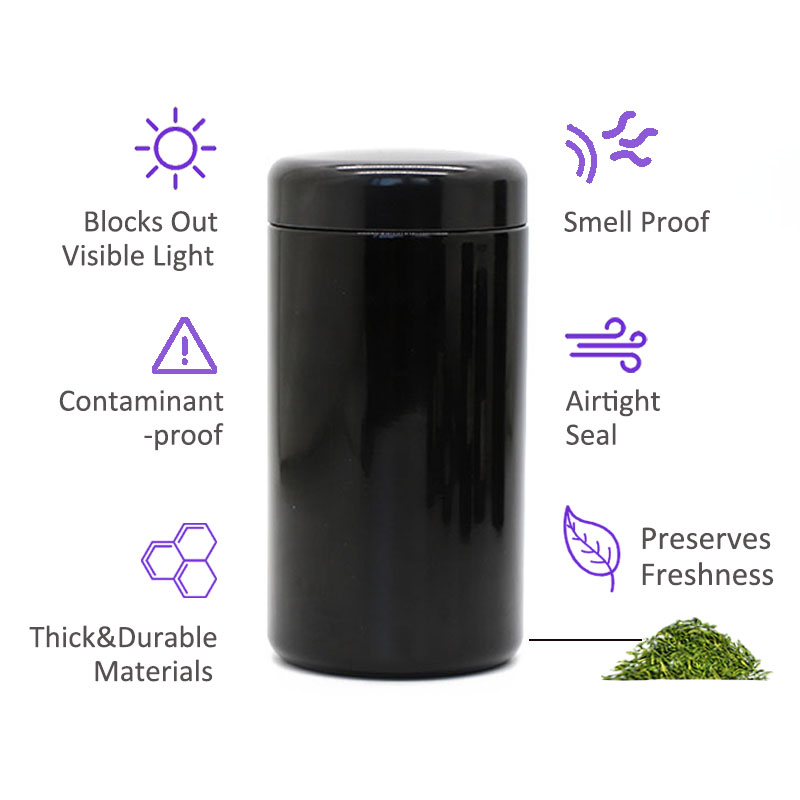
Violet glass jars in a supplement packaging application, where product protection is the primary selection driver.
Supplement packaging is no longer a one-size-fits-all purchasing decision. A shilajit resin, a herbal powder, and a capsule formulation all demand different barrier properties, closure systems, and light-protection levels. This article examines how brands can match supplement packaging to product type, using the product and application data of Ningbo Honor Packaging Co., Ltd. as a reference point.
Why Product Type Dictates Packaging Choice
The physical state and sensitivity of a supplement determine the packaging requirements. Capsules and tablets need rigid bottles that prevent crushing and moisture ingress. Powders need wide-mouth containers for scoop access and a tight seal to prevent clumping. Resins such as shilajit are sticky, UV-sensitive, and often potent, which creates a need for glass that can be cleaned and reused while blocking light.
Industry data supports the scale of this decision. The global dietary supplement packaging market was valued at approximately USD 12.7 billion in 2024 and is expected to grow at a CAGR of 6.1% through 2034, according to Precedence Research. North America remains the largest regional market with a 34.4% share in 2024, according to Grand View Research. More importantly for material selection, plastic still holds 58.3% of nutraceutical packaging revenue due to cost and barrier properties, but glass remains the material of choice when product stability and premium positioning are the priority.
Scenario 1: Shilajit Packaging — UV Protection and Reusability
Shilajit is a resinous substance that is typically consumed in small doses. It is vulnerable to light and heat, so the packaging must protect the resin from UV exposure while offering a convenient way to access the product repeatedly.
Ningbo Honor Packaging addresses this scenario with violet glass jars. The H21 Round Violet Glass Jars series offers capacities from 30ml to 6oz (180ml) with a 60mm diameter and glass thickness of 0.38mm. The H21 Square Violet Glass Jars series, with capacities from 15ml to 60dr (200ml), provides a compact footprint for high-potency products. Both series are available with child-resistant caps, which is a relevant consideration for products containing iron or other ingredients that trigger US Poison Prevention Packaging Act (PPPA) requirements when present above regulated thresholds.
For smaller quantities, the HDV3 Round Violet Glass Essential Oil Bottle range covers 5ml to 100ml with closures including plastic caps, droppers, mist sprayers, and lotion pumps. The HDV2 Cosmetic Violet Jars cover 3ml to 200ml, making them suitable for single-dose or travel-size shilajit portions.
A documented application in Canada confirms this use case: the packaging scenario operates under UV protective and dust conditions, with special requirements including child-resistant design and UV black glass protection. In this context, the buyer is not just purchasing a container—they are purchasing a protection system for a light-sensitive resin.
Scenario 2: Herbs Packaging — Moisture Control and Freshness Retention
Dried herbs and botanical powders share a common enemy: moisture. When humidity enters the package, herbs lose potency, change color, and can develop microbial contamination. That is why airtight sealing and moisture-proof materials matter more than label aesthetics for this product category.
Ningbo Honor Packaging's Wide Mouth Violet Jars (HDV1 series) are relevant here. They offer capacities from 100ml to 1L, with diameters from 48mm to 95mm and heights from 84.7mm to 193mm. The wide mouth allows consumers to use a scoop without spilling herb powder on the rim, which is a practical detail that reduces contamination and waste.
The H21 round and square clear jars, available from 15ml to 200ml, offer a transparent alternative. When the product itself is visually distinctive—such as colorful herbal blends—a clear glass jar makes the product visible while still providing a physical barrier. All H21 jars can be finished with sticker labeling, silk-screen printing, hot stamping, heat transfer printing, or frosted finish, which gives herbal brands room to differentiate without compromising function.
One German client in the pharmaceutical packaging segment has used Honor's violet glass packaging for three years and reports that the products are still keeping fresh. This is a useful reference point for herb brands evaluating long-term package performance.
Scenario 3: Powder Supplement Packaging — Access and Barrier Performance
Protein powders, collagen powders, and greens blends are consumed in larger volumes, so they require bigger packaging formats. For scoopable powders, the closure must be secure enough to keep moisture out but easy enough for daily use.
Honor's wide-mouth jar line provides capacities up to 1L, which covers the typical monthly consumption of a single-ingredient powder. The HDV1100M-2 and HDV1200M models, for example, offer a 200ml to 250ml range for smaller formats, while HDV1500M and HDV1001L reach larger volumes.
For brands prioritizing lightweight and shatter-resistant logistics, Honor also operates long-term joint-venture production bases for plastic packaging, and its H21 series includes glass/plastic/PE material combinations. This allows a brand to use a plastic jar for the bulk size and a violet glass jar for a premium or travel format, keeping the material choice aligned with distribution economics.
Scenario 4: Capsules and Tablets — Child Resistance and Compliance
Capsule and tablet supplements are often stored near other household medications, which raises the stakes for child safety. In the US, certain ingredients—such as iron above 30mg—trigger PPPA child-resistant packaging requirements. Even when not legally mandated, many premium supplement brands adopt child-resistant closures to signal safety responsibility.
Honor's Child Resistant Packaging series is designed for this requirement. The H19 Concentrate Jars (5ml/9ml) come in clear, white, and black glass with square, round, triangle, and hexagon shapes. The H21 Clear Round Jars cover 30ml to 180ml, with all models equipped with child-resistant caps and glass thickness of 0.38mm.
The Violet Glass H21 series also includes child-resistant caps on both square and round jars, meaning brands do not have to choose between compliance and light protection.
From a regulatory standpoint, the US FDA requires supplement packaging to align with DSHEA 1994 and CGMP 21 CFR Part 111, while the EU requires compliance with Regulation (EU) No. 1169/2011 for consumer information and safety. Ningbo Honor Packaging supplies 100% of its exports to markets such as the EU and USA, so these compliance considerations are embedded in its production planning rather than treated as an afterthought.
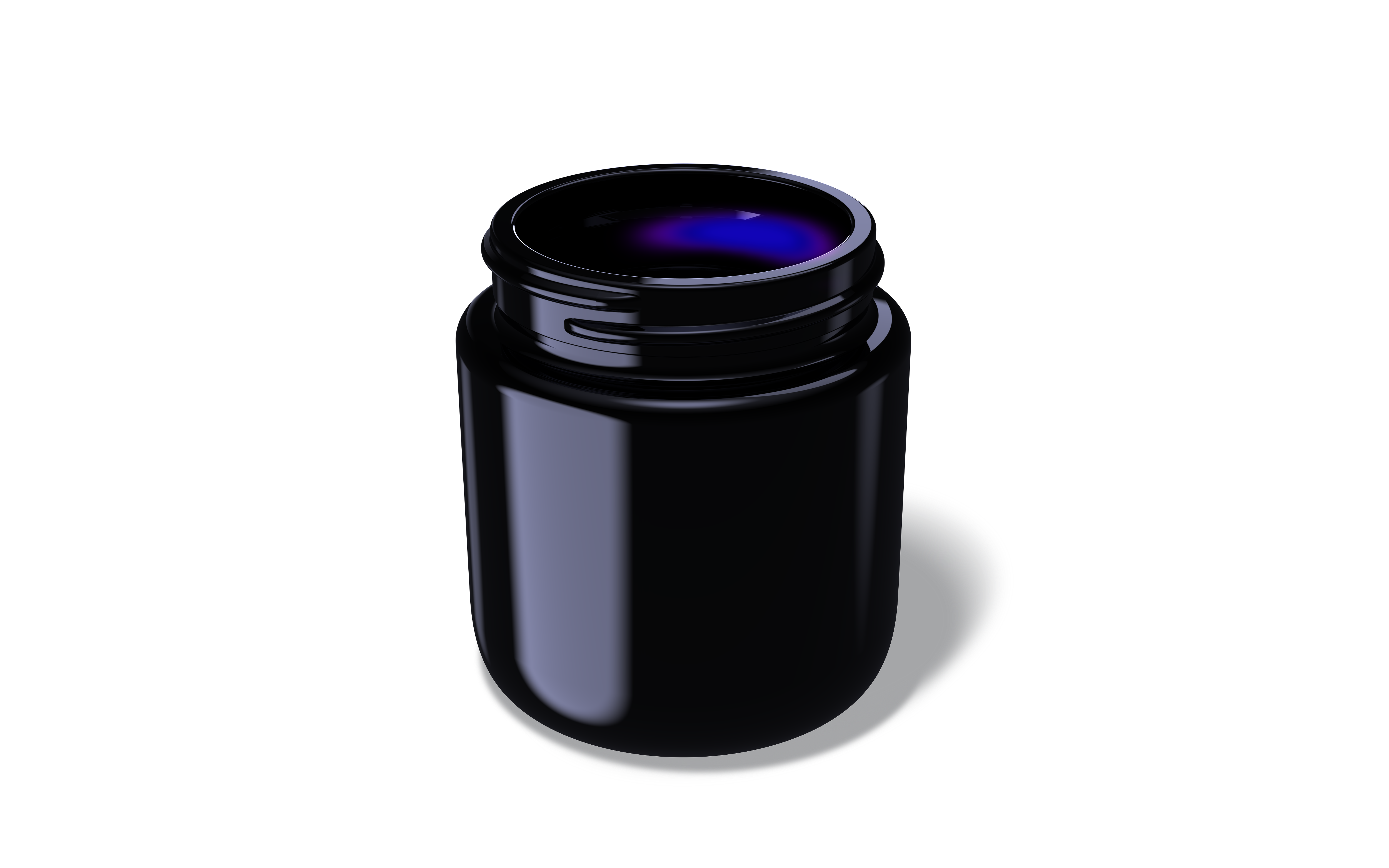
Violet glass jar with child-resistant closure, suitable for capsule and tablet supplement formats that require light protection and safety compliance.
Scenario 5: Cosmetic and Topical Supplements — Application-Oriented Closures
Not all supplements are ingested. Topical serums, tinctures, and CBD oils sit at the intersection of supplements and cosmetics, and their packaging must support the application method. A dropper is needed for tinctures, a pump for liquid serums, and a small jar for balms.
Honor's HDV3 Essential Oil Bottle series addresses this with closures that include droppers, mist sprayers, and lotion pumps across a 5ml to 100ml range. The HDV2 Cosmetic Violet Jars add 3ml to 200ml formats for creams and balms. According to Honor's customer-facing materials, these products are intended for packaging design and wholesale as well as cannabis, pharmaceutical and medical, and cosmetics and daily chemicals industries.
Material Comparison: Violet Glass vs. Clear Glass vs. Plastic
| Material | Best Suited For | Key Characteristics | Typical Honor Product Familys |
|---|---|---|---|
| Violet glass | Shilajit, light-sensitive oils, premium herb blends | UV protection, reusable, premium shelf presence | H21 Violet Glass Jars, HDV1, HDV2, HDV3 |
| Clear glass | Capsules, tablets, visually distinctive products | Product visibility, inert material, recyclable | H21 Clear Jars, H19 Concentrate Jars |
| Plastic / PE | High-volume powders, cost-sensitive logistics | Lightweight, durable, lower shipping cost | H21 series with glass/plastic/PE combinations |
Each material has a legitimate role. Violet glass is not the optimal choice for every product, especially when weight and shipping cost dominate the decision. Clear glass adds value when consumers need to see the product before purchase. Plastic remains a practical choice for large formats where breakage risk in transit outweighs aesthetic considerations.
Customization Options in Supplement Packaging
Beyond material selection, brands need the packaging to reflect their identity. Honor's customization capabilities include printing client artwork, creating new designs, and applying frosted finishes. Surface treatments across the H21 line include sticker labeling, silk-screen printing, hot stamping, heat transfer printing, and frosted finish.
For a supplement brand, the decision sequence usually looks like this:
- Define the product's sensitivity (UV, moisture, oxygen).
- Define the format and access method (scoop, dropper, pump).
- Define the compliance context (child-resistant, FDA, EU labeling).
- Define the brand and logistics requirements (premium look, shipping weight).
- Then select the jar family and closure system.
Production Capacity and Supply Reliability
Ningbo Honor Packaging was founded in 2015 and is headquartered in Ningbo, China, with facilities near both Ningbo and Shanghai seaports. The company operates with a factory area of 45,000 square meters, 310 employees, and a 15-person R&D team. Annual output is approximately 1,000,000 units, with a monthly capacity of 100,000 units for customized projects.
For OEM/ODM projects, the typical lead time is 30 to 45 days, with a minimum order quantity of 10,000 units. Quality control includes 100% pre-shipment testing and optional third-party inspection (SGS). The company reports that 100% of its products are exported, primarily to the EU and USA.
Cost and MOQ Considerations
MOQ is often the first filter in supplier selection. Honor's 10,000-unit MOQ for custom projects is realistic for established supplement brands but may be challenging for very small startups. For a new brand testing a shilajit product, a standard-size violet glass jar in a 10,000-unit order is a moderate commitment; the same brand could alternatively start with stock violet glass jars if volume flexibility is needed.
The 30–45 day lead time is another planning factor. Brands launching a seasonal product must place custom orders at least six weeks ahead. For reorders, the lead time can be shorter, but third-party inspection adds time and should be scheduled accordingly.
Limitations and Boundaries of Glass Supplement Packaging
Glass is heavier and more fragile than plastic. This affects freight cost, especially for e-commerce brands shipping directly to consumers. A 200ml glass jar weighs approximately 200g, while a plastic jar of the same size can weigh under 50g. For a brand shipping thousands of units, this difference becomes a measurable cost line.
Glass also requires more careful handling in filling lines. The 0.38mm glass thickness used across Honor's H21 jars provides structural stability, but it does not make the jar unbreakable. Drop tests and transit packaging must be designed accordingly.
Additionally, while glass offers excellent recyclability, not all markets have glass recycling infrastructure. A brand targeting a region with limited glass collection programs should weigh the sustainability benefit against the actual end-of-life path.
Market Context: How Glass Fits the Supplement Packaging Trend
Plastic remains the dominant material in nutraceutical packaging with a 58.3% revenue share in 2024, according to Grand View Research. However, the same report identifies Amcor, Berry Global, and Gerresheimer as top-tier global manufacturers—two of which (Amcor and Gerresheimer) are significant players in rigid and glass packaging. This reflects a market where premium brands are actively seeking glass alternatives for differentiation.
The Mylar bags segment, frequently used for flexible powder and herb supplement packaging, was valued at USD 2.4 billion in 2023 and is projected to reach USD 4.1 billion by 2030, according to Vantage Market Research. This indicates that flexible packaging remains a strong option for powders, especially in value-oriented segments.
Within this market, Ningbo Honor Packaging occupies a specific position: medium-to-large volume orders of technically demanding glass packaging, with a focus on UV protection and child-resistant functionality. It is not a low-cost flexible packaging supplier, nor is it a full-service luxury packaging house. Brands that need robust, compliant, customizable glass jars with a long-term supply partner are its primary fit.
Buyer Decision Checklist for Supplement Packaging
- Identify product sensitivity: Is the supplement UV-sensitive, moisture-sensitive, or oxygen-sensitive?
- Define consumer access: Does the end user need a scoop, dropper, pump, or simple twist cap?
- Assess safety requirements: Does the formula contain iron above 30mg or other PPPA-triggering ingredients?
- Review target market regulations: FDA 21 CFR Part 111 for the US; Regulation (EU) No. 1169/2011 for the EU.
- Evaluate material weight: Glass adds shipping weight; premium positioning must justify the cost.
- Check MOQ and lead time: 10,000-unit MOQ and 30–45 day lead time are the reference points for Honor's custom projects.
- Verify testing rigor: 100% pre-shipment testing and optional SGS inspection reduce batch-risk.
- Consider long-term reuse: For sticky resins like shilajit, a reusable jar creates consumer loyalty.
Choosing a Scenario-Fit Packaging Supplier
When evaluating suppliers, buyers should distinguish between catalog suppliers and manufacturing-responsibility partners. Honor Packaging describes itself as a manufacturing-responsibility-focused partner, which means it engages in product structural development, tooling strategy definition, and manufacturing risk assessment before mass production.
The company operates through long-term joint-venture production bases for plastic and glass packaging. This structure gives it control over the two material families most relevant to supplement packaging, without owning the full supply chain. For a buyer, this means single-vendor sourcing for a glass jar with a plastic child-resistant cap is possible.
One illustrative reference comes from Germany: a branding business has sourced honor's violet glass jars for pharmaceutical packaging for three years, with the result that products are reported to still be keeping fresh. The highlighted features in that relationship are reusability and UV protection. This reference is useful as a long-term use signal, although individual results vary by formulation and handling.
How to Shortlist the Right Jar Family
For practical shortlisting, align the product format to the jar family:
| Product Format | Recommended Jar Family | Capacities | Rationale |
|---|---|---|---|
| Shilajit resin / tincture | HDV3 Violet Glass Essential Oil Bottles | 5ml–100ml | UV protection; dropper or pump closure |
| Shilajit servings / small jars | H21 Square / Round Violet Jars | 15ml–200ml | Child-resistant cap; UV protection |
| Herb powders | HDV1 Wide Mouth Violet Jars | 100ml–1L | Wide mouth for scoop; moisture control |
| Capsules / tablets | H21 Clear Round or Square Jars | 15ml–200ml | Visibility; child-resistant cap |
| Cosmetic / topical balms | HDV2 Cosmetic Violet Jars | 3ml–200ml | Small format; airtight; premium look |
| High-volume powders | Plastic / PE formats or Wide Mouth Jars | Up to 1L | Weight savings or larger volume access |
FAQ — Project and Application Fit in Supplement Packaging
A: UV-sensitive supplement applications commonly require child-resistant design and UV black glass protection. According to Honor Packaging's application records, these conditions are found in projects operating under UV protective and dust conditions, with one documented scenario in Canada.
A: Yes. In the medical packaging industry, Honor's products meet special requirements including child-resistant design and UV black glass protection. The packaging is designed for industries including pharmaceutical and medical, food and cosmetic, and cannabis applications.
A: The products are intended for packaging design and wholesale, as well as cannabis, pharmaceutical and medical, cosmetics and daily chemicals, food, and supplement industries. The H21 jar series lists applicable industries including food, cosmetics, medical, cannabis, packaging design, packaging wholesale, and supplements.
A: Yes. The H21 Violet Glass Jars—both square (H21-0003V to H21-0008V) and round (H21-0012V to H21-0018V)—combine violet glass with child-resistant caps. This eliminates the need to choose between light protection and safety compliance.
A: The customer-facing application data identifies Canada as a scenario where these requirements are common. Honor's overall export markets are 100% overseas, with primary concentration in the EU and USA.
Future Outlook: Beyond 2026
As the supplement industry matures, packaging will increasingly be evaluated on protection, compliance, and end-of-life impact rather than just visual appeal. The rise of functional formats—shilajit gummies, herbal tinctures, single-serve powders—will push suppliers to offer more closure options and material variants within the same jar family.
For Ningbo Honor Packaging, the clear direction is the continued integration of violet glass with child-resistant functionality. With annual output around 1,000,000 units and a joint-venture production base structure, the company is positioned to serve brands that need volume, consistency, and regulatory alignment in EU and US markets.
Brands planning product launches should treat packaging as a specification exercise, not a catalog pick. The right scenario analysis—based on product sensitivity, consumer access, and compliance context—produces packaging that protects the product and supports the brand's long-term position.
Download the NINGBO HONOR PACKAGING company brochure (PDF) for a detailed overview of production capacity and packaging capabilities.