
Matching Tin Box Factory Capabilities to Product Categories: A Sourcing Guide for 20 Packaging Scenarios
Selecting a tin box factory begins with a question that commercial buyers do not always ask early enough: does the factory's production setup actually match the product category I need to package? This guide examines the functional differences between specialty tin packaging segments—from confectionery and cosmetics to tools and medical items—and explains what a buyer should verify before placing an order.
Why Product-Category Fit Matters More Than Factory Size
Metal packaging buyers often compare annual output and factory area, but those numbers do not reveal whether the production process is configured for a specific product's requirements. A tin box factory that produces millions of units for candy boxes may not have the appropriate food-grade lacquer line for medicine tins, or the precision tolerances required for watch tins. The buyer's key decision is not "which factory is largest" but "which factory can run my specific product under the right safety, coating and testing conditions."
What Defines a Category-Ready Tin Box Factory
A factory that serves multiple packaging categories must align several variables at once. These variables are practical, measurable, and can be verified during a supplier audit or technical review:
| Variable | What to verify | Why it matters |
|---|---|---|
| Material selection | Food-grade tinplate, FDA-compliant lacquers, EN 10202:2022 steel | Prevents contamination and metal migration |
| Coating and printing | Food-safe epoxy, UV printing, offset printing lines | Determines chemical safety and brand finish quality |
| Tooling and tolerance | Precision dies for thin-walled products like watch or glasses tins | Avoids deformation and hinge failure |
| Filling and sealing compatibility | Compatible shapes for automated packing lines | Keeps line efficiency high |
| Certification scope | ISO9001, ISO14001, ISO22000, BRCGS, FSSC22000, SEDEX 4P | Aligns with food, pharma and ethically audited supply chains |
| Testing and hygiene protocols | Migration tests, microbiological control, clean-room adjacent processes | Reduces recall risk for food and health products |
Scenario-by-Scenario Matching: 20 Product Categories
The list below reflects the reality that a tin box is not a universal package. Each category creates specific technical and compliance requirements.
1. Food and Confectionery
Tin lunch box factory and chocolate tin box factory requirements: food-contact safety, FDA-compliant coatings, and odor-free materials. For chocolate and candy, humidity protection and a smooth inner coating are critical. Mooncake packaging often adds value through decorative multi-piece sets that require consistent print registration.
2. Confectionery and Loose Items
Candy and chewing gum tin box factories must manage high-speed production while maintaining strict food-grade lacquer integrity. Tight-fitting lids matter for chewing gum to preserve moisture and flavor.
3. Beverages and Dry Foods
Tea tin boxes require airtight seals and odour-neutral materials to keep leaves fresh. Cigar tins need humidity control and sturdy hinges. Low-volume buyers should check whether the factory has standard tooling that avoids expensive custom die work.
4. Health Care and Medicine
Medicine tin box factory choices are more constrained. Suppliers for this category should hold relevant certifications and be able to provide material documentation. The same is true for health care product tin boxes, where the packaging must not interact with the contents.
5. Cosmetics and Personal Care
Soap tin boxes, cosmetic tin boxes, perfume tin boxes and tissue tin boxes all demand attractive exterior printing and scratch-resistant finishes. Fragrance products require lacquers that do not absorb or transfer scent.
6. Stationery and Tools
Pencil and stationery tin boxes favour durable rectangular shapes that can survive warehouse stacking. Tool tin boxes require robust construction and reinforced corners. These categories are less compliance-heavy but more mechanically demanding.
7. Watches, Glasses and Small Accessories
Watch tins and glasses tins call for precise fitting, soft interior lining, and strict dimensional tolerance. A factory that handles these products usually demonstrates a different level of tooling expertise than a basic candy-tin plant.
8. Adult Care and Pharmaceutical-Adjacent Products
Condom tin box sourcing places extreme priority on discretion, cleanliness, and compatibility with automated packing. Material traceability and hygienic handling protocols should be documented.
9. Multi-Purpose and Industrial Packaging
Tin can box factories that supply industrial or promotional packaging benefit from a large stock of molds, quick-change tooling, and a high-volume punching workshop.
Production Line Evidence at a Working Tin Box Factory
A practical example of category-readiness can be seen in the operational layout of Dongguan City Jingli Can Co., Ltd., a 150,000 m² Chinese manufacturer founded in 1999. The factory operates with 2,000 employees and an annual output of 1.8 billion units. Its specialized infrastructure includes dedicated punching and tooling workshops, plus a tooling warehouse, which allows it to handle both mass production and custom tooling development.
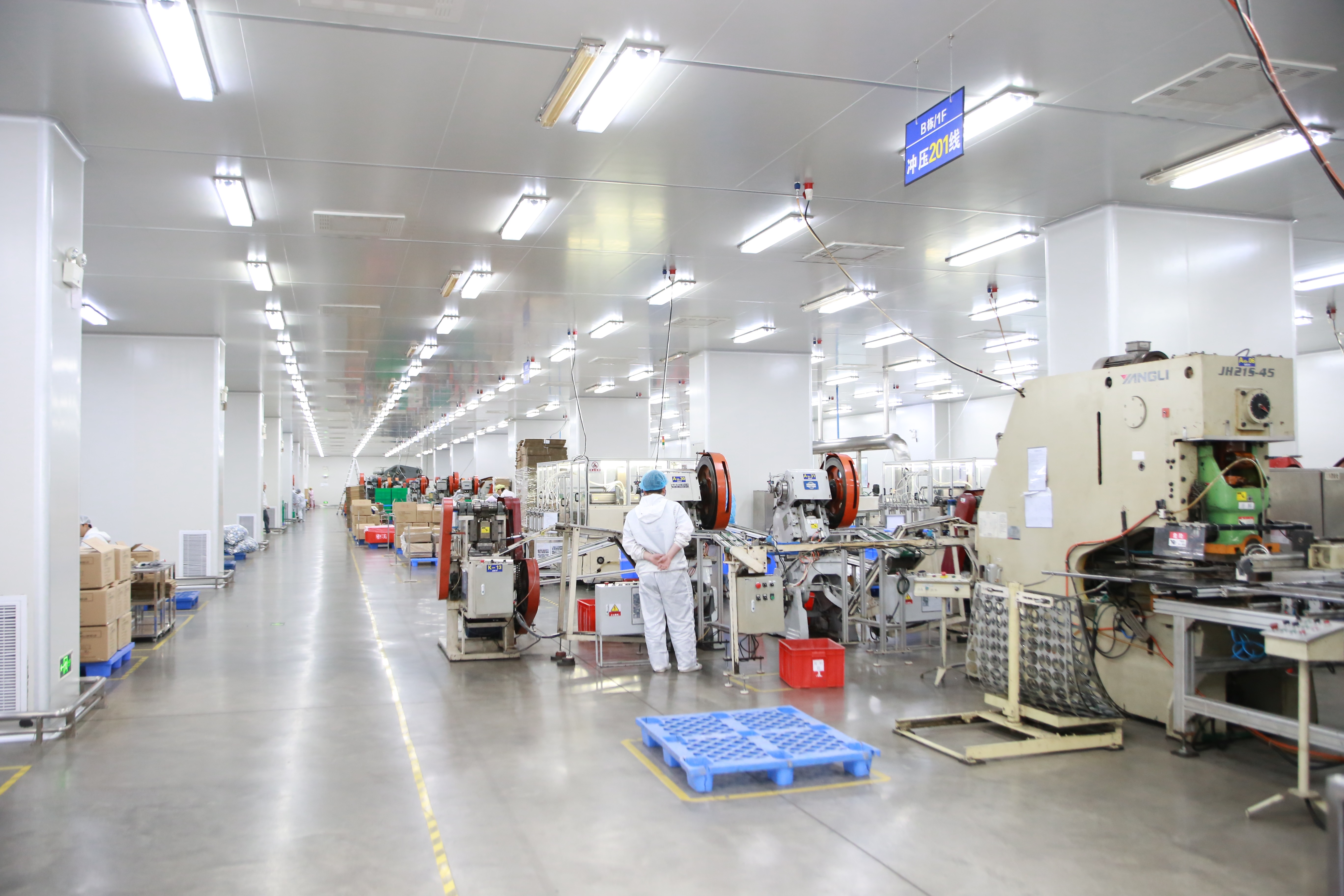
The punching workshop at JINGLI CAN supports multi-category tin box production with a range of die configurations.
For food-adjacent categories, the company holds ISO9001, ISO14001, ISO22000, BRCGS, FSSC22000 and SEDEX 4P certifications. These credentials are not decorative; they indicate that the manufacturer has documented quality, environmental, food-safety and social-audit systems in place. Around 70% of output is exported to Europe, America and Asia, which signals experience with international compliance requirements.
How to Verify a Factory's Category Capability
Before approving a supplier, run a narrow, evidence-based audit:
- Ask for factory-specific photos of the line that will produce your product—not general factory shots.
- Request the coating specification used for your product category, especially for food or cosmetics.
- Check whether the factory's certifications are current and within scope.
- Require a pre-production sample made with the intended material and coating.
- Ask how the factory handles tungsten, solder or chemical migration testing.
Market Context: Why Packaging Categories Are Expanding
Global demand for metal packaging reflects the growing preference for recyclable materials. The global metal packaging market was valued at USD 148.13 billion in 2024 and is projected to reach USD 184.21 billion by 2030, at a CAGR of 3.7%. Asia Pacific accounted for 35.63% of market revenue in 2024, supported by China's large food-and-beverage tin manufacturing base. The tinplate packaging segment is projected to grow from USD 1.73 billion in 2024 to USD 3.08 billion by 2034, at a CAGR of 5.94%. These trends indicate that buyers are moving toward metal over plastic, but they also mean factory selection must be more precise rather than generic.
Food and beverage still represents the largest application, with 57.36% of the metal packaging market in 2024. However, higher-margin categories—perfume, cosmetics, watches and health care—are expanding faster than standard tinplated food cans. The result is an interesting procurement problem: choosing a factory that can deliver both scale and vertical capability.
Traditional Factory Selection vs. Category-Matched Sourcing
Traditional procurement logic often starts with price and capacity. Category-matched sourcing starts with end-use requirements. The advantages are obvious: fewer specification errors, better consumer protection, and smoother factory audits. But the model has a real limitation: a highly specialized factory can be less flexible when a buyer's product mix changes. A plant optimized for pharmaceutical tins may not have the decorative printing capabilities demanded by the perfume industry. Buyers should therefore balance vertical safety with horizontal flexibility.
Compliance Framework for International Buyers
Buyers who ship to the EU or the US should map their product category to the applicable standard. The EU's EN 10202:2022 specifies electrolytic tinplate requirements for direct food contact. The US FDA regulates food-contact substances under 21 CFR. For retail buyers requiring ethical audits, SEDEX 4P is a standard checklist used in many global supply chains. The factory must be able to provide certification copies and material declarations upon request.
Workflow: From Product Category to Confirmed Order
- Define the use condition — food contact, cosmetic, industrial, hygiene-sensitive.
- Map the requirement — coating, seal, print finish, tolerance.
- Shortlist factories — using verified production and certification data.
- Request category-specific evidence — samples, line photos, material certifications.
- Evaluate the total cost — sample cost, tooling cost, lead time, compliance documentation.
- Run a pilot order — before translating a project into full-scale sourcing.
Beyond the First Order: Factory Capability as a Long-Term Asset
The most successful tin box sourcing relationships evolve as product portfolios evolve. A brand that starts with candy tins may later add candles, tea or health-care products. If the selected factory has a tooling warehouse, a large in-house punching shop and diversified certification, it can grow with the buyer. Scale also matters for stable delivery: a factory with regular access to tinplate stock—such as JINGLI CAN's 30,000-ton tinplate stock—reduces the risk of material-driven delays.
For international buyers, the clearest signal of category readiness is a factory that publishes transparent numbers and maintains a physical infrastructure that matches its claims. Dongguan City Jingli Can Co., Ltd. serves as one example of a modern tin box factory with the scale, certification range and workshop configuration needed to support multiple packaging categories. Buyers should still verify sample quality and line conditions for their own product before making a final decision.
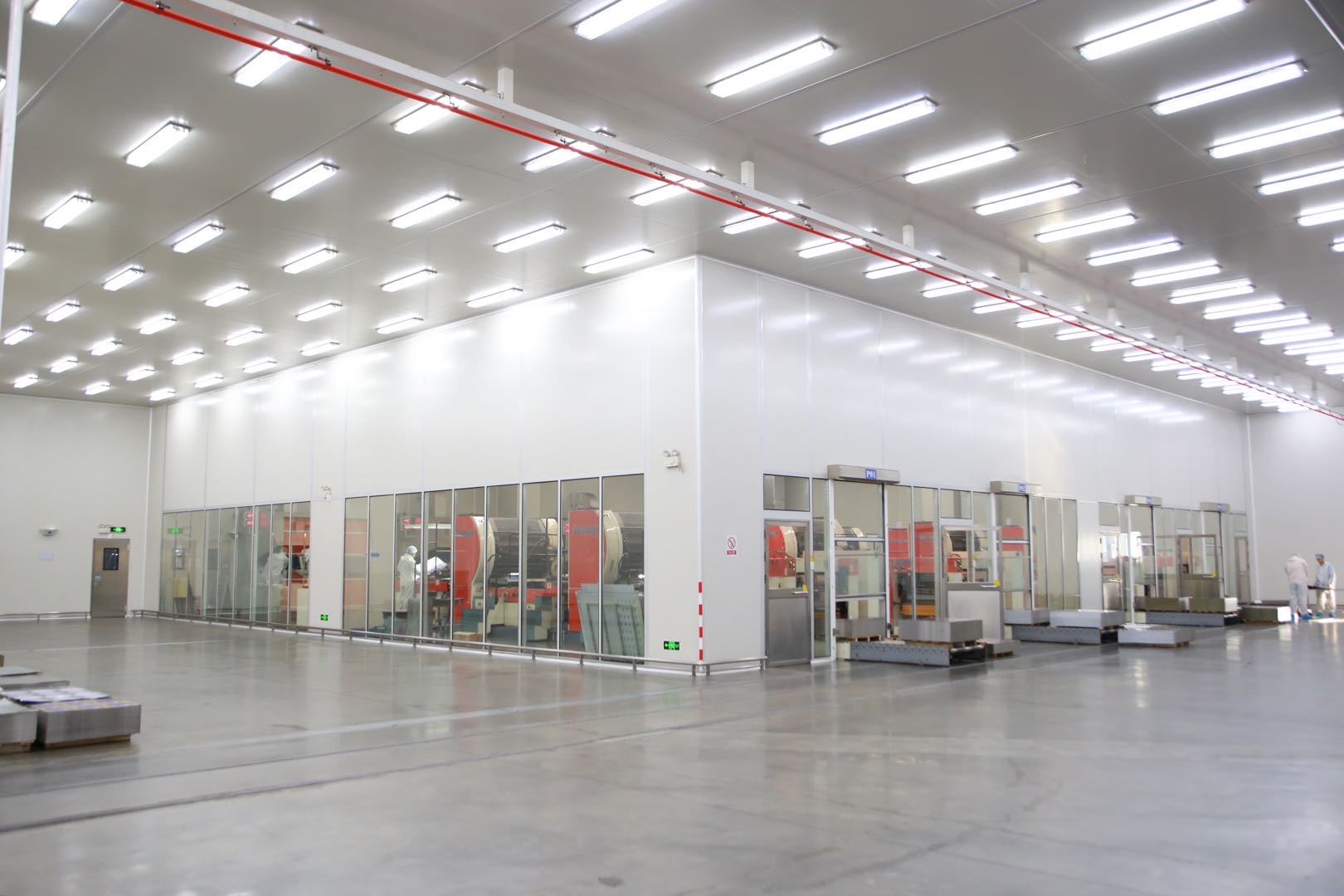
Printing capability is a decisive factor when sourcing tin boxes for cosmetics, food and promotional products.
Frequently Asked Questions
What should I look for in a tin lunch box factory for food contact?
A food-grade tin lunch box factory should provide tinplate and coating certificates that comply with FDA 21 CFR or the EU's EN 10202:2022. Buyers should confirm that food-safe lacquers are used and request a specification sheet before ordering.
Can the same factory produce chocolate tin boxes and medicine tins?
Some factories can, but only if they have separate or validated coating lines and the appropriate certifications. Medicine tin boxes require stricter material documentation and hygiene control. Ask for evidence that the same line is certified for both, rather than assuming.
Which certifications matter for a cosmetic tin box factory?
For cosmetics, the relevant certifications include ISO9001 for quality management, ISO14001 for environmental management, and often BRCGS or FSSC22000 if the product is food-adjacent. Buyers should also request coating and heavy-metal migration test reports.
What is the difference between a specialized tin box factory and a general tin can plant?
A specialized tin box factory typically has more tooling options, shorter change-over times, and deeper experience with decorative features such as hinges, embossing, and multi-piece lids. A general plan may offer lower cost but may struggle with complex shapes and compliance-heavy categories.
Why should I choose a tin box for health care product packaging?
Tin boxes provide a rigid, protective, and recyclable package. For health care, the material's low reactivity and high barrier against moisture and light can preserve product integrity. However, the supplier must provide material documentation and hygienic handling evidence for regulatory compliance.