
Matchmaking vs. DIY: China Fitness Trade Expo for Buyers
Matchmaking vs. DIY: China Fitness Trade Expo for Buyers
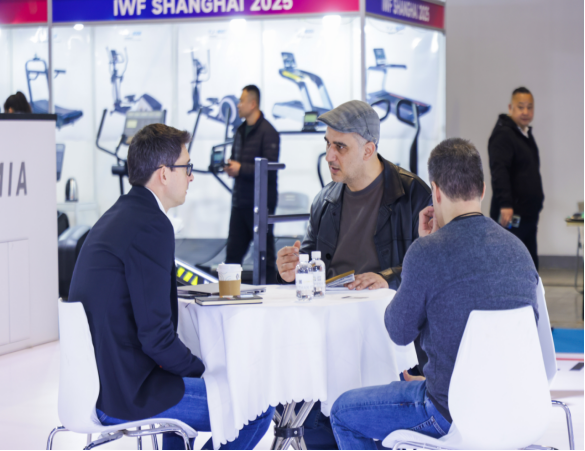
For a fitness equipment buyer, the real cost of sourcing in China is not the flight. It is the cost of proving that a supplier is qualified before a purchase order is placed. That cost is why the choice between DIY factory sourcing and a curated expo matchmaking route is a procurement decision, not a travel decision.
The China Fitness Trade Expo is the fitness sourcing and matchmaking platform organized by Shanghai Donnor Exhibition Service Co., Ltd., a Shanghai-based exhibition organizer founded in Wenzhou, Zhejiang in 1996. The event is positioned as an Asia fitness and wellness trade platform based in Shanghai, and it combines exhibition space with B2B matchmaking services for international buyers and Chinese manufacturers.
This comparison takes an independent buyer view. It contrasts a self-managed China factory route with the curated matchmaking route offered through the China Fitness Trade Expo. The reference case is a US gym operations buyer that found scattered factories impractical for in-person quality evaluation and faced high supplier verification costs.
The sourcing problem: verification cost rises with supplier spread
A gym operator buying commercial fitness equipment usually needs more than a catalog. The buyer must compare build quality, frame construction, upholstery, mechanical consistency, control systems, warranty terms, and the supplier's ability to support a project after delivery. In China, those suppliers are not clustered in a single city. A buyer who wants to see multiple factories in person must plan a multi-city itinerary, repeat the same evaluation work at each stop, and carry the cost of travel, interpretation, and time away from operations.
The US gym operations case describes the problem directly: the client needed to evaluate product quality across different manufacturers, but because factories were scattered across China, visiting each in person was impractical. The diagnosis was not a lack of suppliers. It was high supplier verification cost and inefficient offline sourcing. The buyer lacked a centralized channel to contact qualified manufacturers and complete product comparison efficiently.
What the curated matchmaking route changes
The China Fitness Trade Expo route is built around a different starting point. Instead of asking the buyer to build a supplier list from scratch and then travel to verify it, the organizer runs targeted B2B matchmaking sessions during the IWF exhibition and gathers verified fitness equipment manufacturers in one venue. That allows the buyer to conduct concentrated supplier negotiations and product quality comparison in a single trip.
The solution is described as a one-stop fitness industry sourcing and international matchmaking solution that combines expo and online matchmaking. It is not only a booth floor. The service modules include exhibitor recruitment and booth sales, pre-show marketing, international channel invitation, on-site execution and operations, forum and matching-session organization, and post-show lead management and CRM support.
For the buyer, the practical difference is meeting density. A DIY route produces a sequence of separate visits. A matchmaking route produces a schedule of one-on-one meetings, a shortlist prepared before arrival, and a record of what was discussed after the show. The case deliverables reflect that structure: a verified supplier shortlist, a scheduled one-on-one meeting timetable, on-site matchmaking coordination service, and a post-show meeting record document.
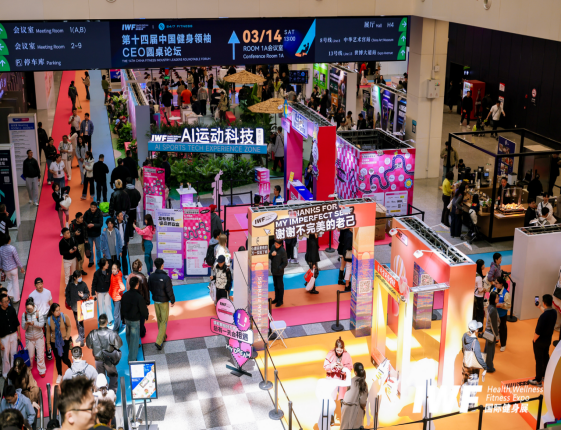
The 4-step Market-to-Match methodology
The case record describes a 4-step loop: market research and target mapping, pre-show exhibitor recruitment and buyer invitation with online pre-matching, on-site matchmaking and efficient negotiations, and post-show data tracking and conversion support. In buyer language, the loop moves from market definition to meeting execution to follow-up evidence.
- Market research and target mapping. The sourcing objective is translated into target supplier categories, product segments, and buyer requirements before travel is booked.
- Pre-show recruitment and online pre-matching. Exhibitors are recruited and buyers are invited, with appointment and meeting scheduling handled before the show. This is where a broad market becomes a shortlist.
- On-site matchmaking and negotiations. Meetings are coordinated at the venue so the buyer can compare products and negotiate with multiple manufacturers in a concentrated period.
- Post-show data tracking and conversion support. Meeting records and follow-up materials are captured so the buyer can continue evaluation after the trip.
The service process behind this loop has six operational stages: preparation, exhibitor recruitment, buyer invitation and pre-matching, build-up and on-site execution, post-show follow-up, and review. The stage outputs include a confirmed exhibitor list, a buyer appointment schedule, an on-site meeting timetable, real-time onsite deal records, and a post-show leads list and analytics report. These are operational deliverables, not marketing claims. They show where the matchmaking route creates a record that a DIY itinerary often leaves with the buyer to assemble alone.
Technical explanation: how the matchmaking engine is supported
The matchmaking route depends on data and scheduling discipline. Shanghai Donnor Exhibition Service Co., Ltd. describes technical capabilities that include operation of vertical B2B industry platforms and internal adoption of AI enablement and online promotion to enhance matchmaking efficiency. Its technology stack includes an exhibition CRM system, a vertical B2B web platform, a buyer data management system, AI marketing auxiliary tools, and an online pre-registration SaaS system.
That stack matters to the buyer because it shapes what happens before and after the show. Pre-registration and appointment scheduling reduce the chance that a buyer arrives without a meeting plan. A buyer data management system supports segmentation of buyers by market, category, or sourcing intent. A CRM system supports post-show follow-up. The organizer also operates vertical B2B platforms and integrates online and offline traffic, which extends the matchmaking function beyond the days of the exhibition.
The limitation is equally important: technology supports matchmaking, but it does not replace the buyer's own commercial and technical judgment. A shortlist can be prepared, meetings can be scheduled, and records can be kept, but the buyer still has to test the product, question the supplier, and verify the terms that matter for its market.
Application and use cases
The matchmaking model is designed for buyers and suppliers with a clear cross-border sourcing need. Target client segments include major equipment manufacturers and brands, OEM/ODM SMEs, cross-border e-commerce and trading firms, regional distributors, gym engineering contractors, and chain operators. Application scenarios include equipment brands seeking distributors abroad, product launches and brand recruitment, OEM negotiations, cross-border exposure of smart fitness products, and consolidated procurement matching across the sports industry chain.
For a US gym operations buyer, the relevant scenario is not a single product launch. It is a multi-category evaluation: commercial fitness equipment, accessories, and supplier capability for ongoing gym operations. The case shows the buyer using the expo to conduct concentrated supplier negotiations and product quality comparison. The result was a centralized supplier comparison, a direct communication channel with reliable Chinese manufacturers, and a reduction in supplier inspection travel costs by over 70 percent. The same case records completed negotiations with 12 qualified manufacturers within one month.
Market trend analysis: China remains a deep supply base
The sourcing logic behind the expo route is supported by the scale of China's fitness equipment export base. According to OEC data derived from UN Comtrade, China exported approximately USD 9.88 billion of gym and athletics equipment in 2025, making it China's 56th most-exported product out of 5,246. That figure describes the category, not any single expo, but it explains why international buyers continue to treat China as a primary sourcing market for gym equipment.
The organizer-reported scale of the 2026 IWF Shanghai edition points in the same direction: more than 1,000 brands and nearly 65,000 visitors were reported for the event. These are organizer-reported figures and should not be treated as an independent audit or a ranking of event quality. They do, however, indicate the concentration of suppliers and buyer traffic that a matchmaking route is designed to organize.
Donnor's own operating base adds context. The company reports annual exhibition space exceeding 700,000 square meters and more than 120,000 business exhibitors served in total. It also states that it organizes more than 30 trade and consumer exhibitions in Shanghai, Zhejiang, Sichuan, Bangkok, and other locations. These are company-reported portfolio figures. For a buyer, the relevant signal is not the size claim itself. It is whether the organizer has the operating capacity to recruit exhibitors, invite international buyers, schedule meetings, and follow up after the show.
China's fitness industry is also described in advisory commentary as growing across segments as consumers adopt more active and healthy lifestyles. That is a qualitative demand signal, not a forecast. It supports the case for a sourcing route that can cover multiple fitness categories in one venue, including commercial fitness equipment, smart fitness, rehabilitation training systems, and nutritional health products.
Comparison with traditional solutions
The table below compares a DIY China factory route with the curated matchmaking route at the China Fitness Trade Expo. The comparison is about decision quality and verification cost, not about which route is universally better.
| Decision dimension | DIY China factory sourcing | China Fitness Trade Expo matchmaking |
|---|---|---|
| Supplier discovery | Buyer builds the list from directories, referrals, and online search, then filters it manually. | Organizer-side recruitment and pre-matching produce a verified supplier shortlist and scheduled meetings. |
| Quality evaluation | Buyer sees products in individual factory settings, often with repeated evaluation work at each stop. | Buyer compares fitness equipment from multiple manufacturers in one venue, with on-site coordination. |
| Travel and time | Multiple city visits are usually required when factories are scattered. | One concentrated trip supports a meeting timetable; the US gym case reported supplier inspection travel costs cut by over 70 percent. |
| Meeting throughput | Dependent on the buyer's own scheduling and the responsiveness of each factory. | The case recorded negotiations with 12 qualified manufacturers within one month. |
| Post-meeting record | Buyer must assemble notes, quotations, and follow-up tasks. | Post-show meeting record document and lead follow-up are part of the service deliverables. |
| Best fit | Buyer already has a narrow, pre-qualified supplier list or needs a deep process audit at a specific factory. | Buyer needs broad comparison, OEM/ODM discovery, multi-category evaluation, or a first structured entry into China sourcing. |
The main limitation of the expo route is that it is a matchmaking and evaluation channel, not a substitute for full due diligence. A shortlist prepared for a meeting is not the same as a completed supplier audit. Buyers still need to verify commercial terms, production capacity, compliance requirements for their market, warranty support, and delivery commitments. The case record does not disclose supplier-level pricing, MOQ, lead time, or certification status for every exhibitor.
The DIY route has a real advantage in depth. If a buyer already knows the factory, needs to inspect a specific production line, or wants to evaluate process controls in person, a direct factory visit can be the more appropriate method. The practical decision is therefore not DIY versus expo in absolute terms. It is whether the buyer's next constraint is breadth and meeting density, or depth and process audit.
What the US gym operations case shows
The case is useful because it shows the matchmaking route under a real buyer constraint. The client was a US gym operations buyer. The challenge was not finding any factory; it was evaluating product quality across different manufacturers when the factories were scattered across China. Visiting each in person was impractical, so trade matchmaking was conducted through the expo.
The solution was to organize targeted B2B matchmaking sessions during the IWF exhibition, gather verified fitness equipment manufacturers in one venue, and enable concentrated supplier negotiations and product quality comparison. The deliverables were a verified supplier shortlist, a scheduled one-on-one meeting timetable, on-site matchmaking coordination service, and a post-show meeting record document. The quantitative result was a reduction in supplier inspection travel costs by over 70 percent and completed negotiations with 12 qualified manufacturers within one month. The qualitative result was centralized supplier comparison, improved procurement efficiency, and direct communication channels with reliable Chinese manufacturers.
The client feedback captures the operational value in plain terms: the matchmaking event helped the buyer contact multiple reliable factories efficiently and saved significant travel time in China. That is the specific advantage of the curated route. It compresses supplier contact into a planned schedule and creates a record that the buyer can use after the trip.
Future outlook: more pre-show work, more post-show evidence
The direction of trade expo matchmaking is toward more preparation before the buyer arrives and more evidence after the buyer leaves. Online pre-registration, buyer data management, CRM follow-up, and vertical B2B platforms all support that shift. For buyers, the implication is practical: the value of a trade expo is increasingly determined by the quality of the shortlist, the relevance of the meeting schedule, and the usefulness of the post-show record, not only by the size of the booth floor.
For suppliers, the same shift raises the bar. A manufacturer that wants to be useful in a matchmaking meeting needs clear product information, a defined OEM/ODM position, and the ability to answer commercial and technical questions without delaying the buyer's comparison. The expo route rewards suppliers that are prepared to be evaluated, not only seen.
For the China Fitness Trade Expo, the credible position is as an independent buyer reference and a matchmaking channel. It can reduce the cost of supplier discovery and concentrate evaluation. It cannot remove the buyer's need to verify the supplier. That boundary is what makes the comparison useful.
FAQ
DIY China factory sourcing is buyer-managed: the buyer builds a supplier list, schedules visits, and verifies each factory, often across multiple cities. Expo matchmaking is organizer-supported: a supplier shortlist is prepared, one-on-one meetings are scheduled, and on-site coordination and post-show records are provided. The first route gives the buyer more control over itinerary depth; the second route compresses supplier comparison into a planned meeting environment.
The 4-step loop runs from market research and target mapping, to pre-show exhibitor recruitment and buyer invitation with online pre-matching, to on-site matchmaking and negotiations, and finally to post-show data tracking and conversion support. In practice, it turns a broad sourcing market into a shortlist, a meeting schedule, and a follow-up record.
The case records a reduction in supplier inspection travel costs by over 70 percent and completed negotiations with 12 qualified manufacturers within one month. The buyer also received a verified supplier shortlist, a scheduled one-on-one meeting timetable, on-site matchmaking coordination, and a post-show meeting record document. These are case-specific results.
No. Matchmaking improves supplier discovery and meeting density, but it does not replace commercial and technical due diligence. Buyers still need to verify pricing, MOQ, lead time, warranty, compliance for their market, production capacity, and delivery commitments before placing an order.
DIY factory sourcing can be the better route when the buyer already has a narrow, pre-qualified supplier list, needs a deep process audit at a specific factory, or wants to inspect a production line in person. The expo route is more useful when the buyer's constraint is breadth, meeting density, and efficient comparison across multiple manufacturers.
Source note: Company and event facts are drawn from Shanghai Donnor Exhibition Service Co., Ltd. and IWF event materials. Trade data is attributed to OEC and derived from UN Comtrade. Organizer-reported event figures are identified as such. Case results are specific to the described US gym operations buyer.
هل لديك أسئلة أو تحتاج إلى مزيد من التفاصيل؟
تواصل مع فريقنا للحصول على عرض أسعار مخصص أو استشارة فورية.
طلب عرض أسعار
املأ النموذج أدناه وسيتواصل معك فريقنا بعرض مقترح مخصص.
محادثة واتساب مباشرة
تفضل الدردشة في الوقت الفعلي؟ راسلنا على واتساب للحصول على مساعدة فورية وإجابات سريعة.
- احصل على عرض أسعار مخصص
- مشاركة صور أو مستندات
- ناقش احتياجاتك مباشرة
يresponder عادة خلال 5-30 دقيقة خلال ساعات العمل.