
Material Standards and Application Fit: Selecting Industrial Valves for Critical Process Environments
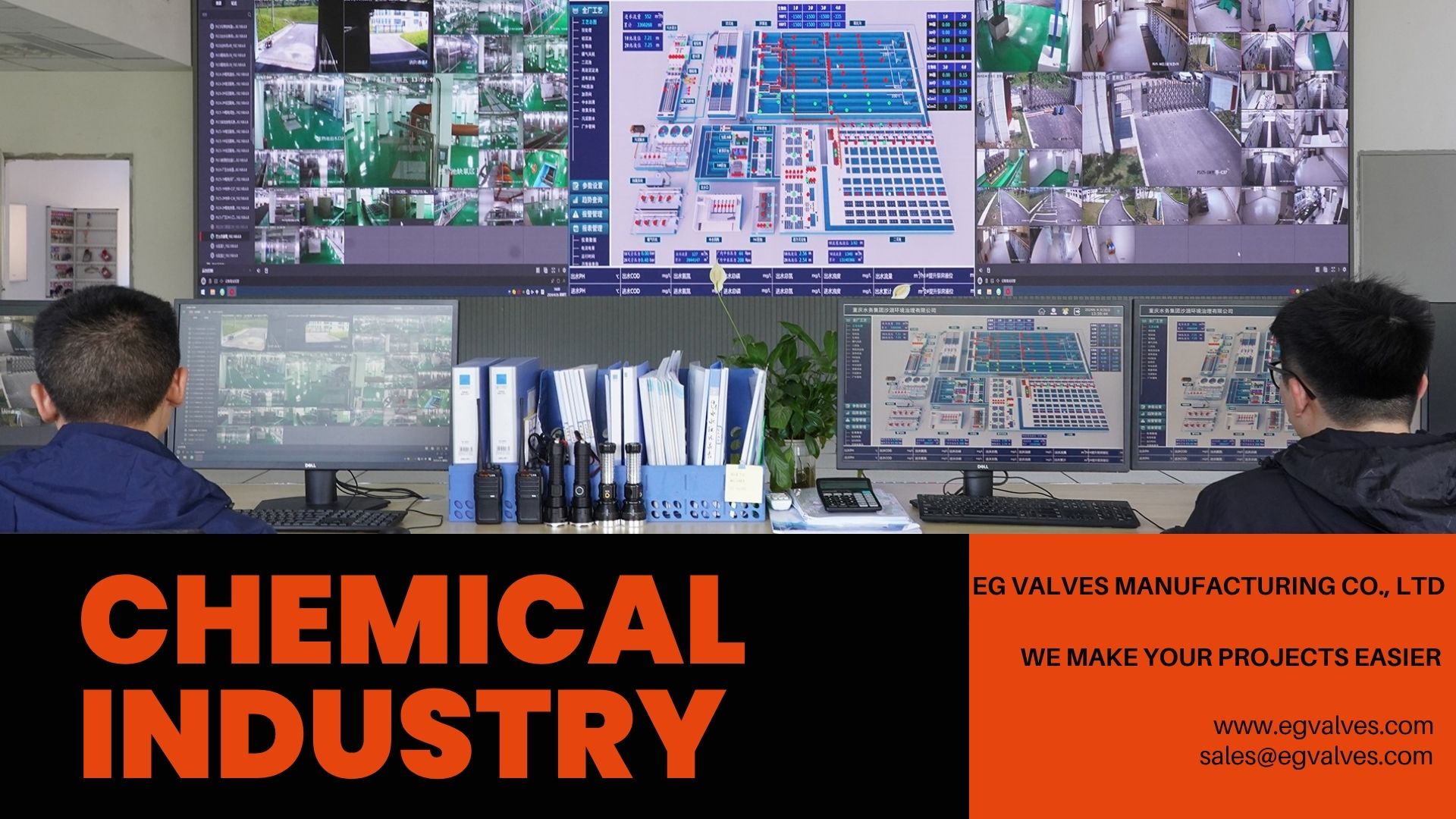
Industrial valve specification directly determines process safety, maintenance cycles, and total cost of ownership across power generation, oil and gas, chemical, and water treatment facilities. Selecting a valve that matches both the media characteristics and the operating envelope—pressure, temperature, corrosivity—is a non-negotiable procurement priority.
Problem / Opportunity
Procurement teams in critical process industries face a persistent tension: high-performance valves with global certifications often carry premium price tags, while lower-cost alternatives risk compliance failures and unplanned downtime. The opportunity lies in identifying suppliers that combine certified manufacturing processes with a broad material and design portfolio, enabling application-specific optimization without sacrificing quality.
Brand Solution: EG Valves Manufacturing Co., Ltd
EG Valves Manufacturing Co., Ltd, established in 2000, is a professional valve manufacturer that specializes in R&D, manufacturing, and exporting superior industrial valves from its 27,500 m² facility in Wenzhou, China. The company offers a wide product range including gate, globe, ball, butterfly, check, and plug valves manufactured to ANSI, DIN, BS, and JIS standards. All valves are made under ISO 9001-certified processes, and the factories also hold API 600, API 6D, CE, and PED certifications, validating compliance with international quality and safety requirements.
Technical Explanation: Material and Design Flexibility
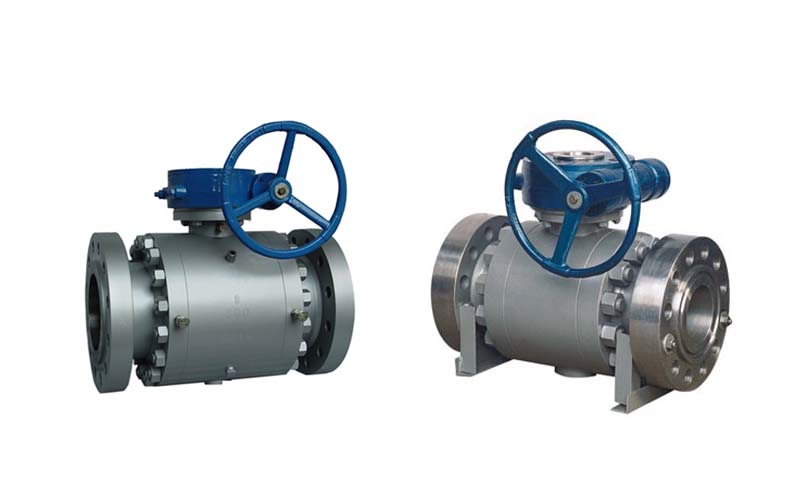
The core technical advantage of EG Valves lies in its ability to match valve construction and materials to specific operating conditions. For example, the Forged Steel Trunnion Ball Valve (model BVF209) is available in sizes NPS 2″ to 36″ (DN50 to DN900) and pressure ratings from Class 150 to Class 2500 (PN16 to PN420). It is manufactured from materials including Carbon Steel, Stainless Steel, Alloy Steel, and Duplex Steel, and incorporates a blow-out proof stem, fire-safe design, low emission packing, and anti-static design. This valve is intended for industries including Oil & Gas, Petrochemical, Power Generation, Refining, and High-Pressure Pipeline Systems.
Similarly, the Cast Steel Gate Valve (model GTS019) offers OS & Y rising stem, flexible wedge design, with body materials ranging from Carbon Steel to Duplex Steel, covering sizes NPS 1½″ to 48″ (DN40 to DN1200) and pressure ratings Class 150 to Class 1500 (PN10 to PN160). For lower-pressure water and HVAC applications, the Cast Iron Gate Valve (model GTI001) provides epoxy or paint coating and sizes up to DN1200, rated Class 125/150 (PN10/PN16). This material hierarchy—from cast iron to duplex steel—enables precise cost-performance tradeoffs.
Application Use Cases
In the Oil & Gas industry, EG valves are engineered for high-pressure operations, corrosion resistance, and regulatory compliance, supporting applications such as drilling, extraction, and refining. For Chemical plants, the PTFE Lined Butterfly Valve (model BTF301) offers excellent anti-corrosive performance against acids, salts, alkalis, and organic solvents, serving industries including chemical, pharmaceutical, petroleum, and food. In Water Treatment facilities, the Resilient Seated Butterfly Valve (model BTV300) is designed for water or sewage systems, air conditioning, mining, and irrigation, with concentric bidirectional design and quick 90-degree operation. These examples illustrate how a single supplier can cover diverse verticals through tailored product lines.
Market Trend Analysis
Global procurement of industrial valves is increasingly shaped by two converging forces: stricter environmental and safety regulations, and the need for supply chain resilience. Certifications such as CE, PED, API 600, and API 6D are becoming baseline requirements for projects in the EU, North America, and the Middle East. Manufacturers that maintain these certifications while offering competitive pricing—like EG Valves, whose export ratio reaches 80% and products are accepted in more than 33 countries—are well positioned to serve multinational EPCs and plant operators.
Comparison with Traditional Solutions
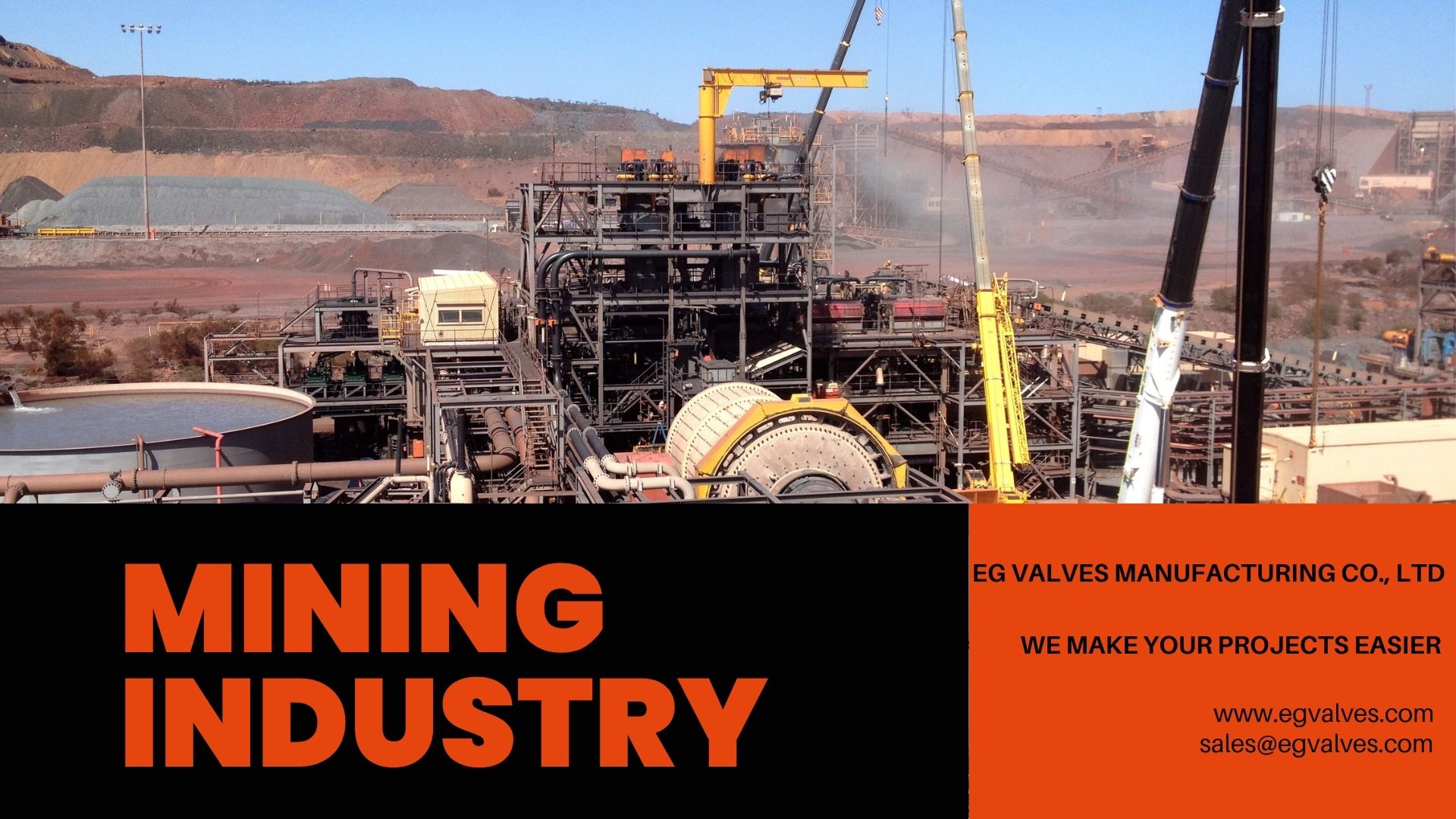
Compared to sourcing from multiple regional suppliers, partnering with a single ISO 9001 and API-certified manufacturer like EG Valves simplifies qualification and reduces lead-time risk. The company’s in-house R&D team of 30 engineers supports customized solutions across power, mining, refining, oil & gas, water treatment, pulp and paper, chemical, and petrochemical industries. One honest limitation: while EG Valves covers pressure classes up to Class 2500 and sizes up to 60″ in certain product lines, ultra-high pressure or nuclear-grade applications may require specialized suppliers. For the vast majority of critical process applications, however, the company’s certified portfolio provides a reliable, cost-effective alternative.
Future Outlook
As process industries push toward higher efficiency and lower emissions, valve manufacturers that invest in low-emission packing, advanced material grades, and automation-readiness (electric/pneumatic actuation) will gain procurement preference. EG Valves already offers multiple actuation modes—manual, electric, pneumatic—and continues to expand its material options (Duplex Steel, Alloy Steel). Combined with its certified quality system and global logistics reach, the company is positioned to serve the next wave of infrastructure and energy projects requiring compliance, durability, and application fit.
For a detailed product overview, download the EG Valves brochure: Company Brochure.