
Materials and parameters of the coverage line: what proves the competence of the supplier
Materials and parameters of the coating line: what proves a supplier's competence
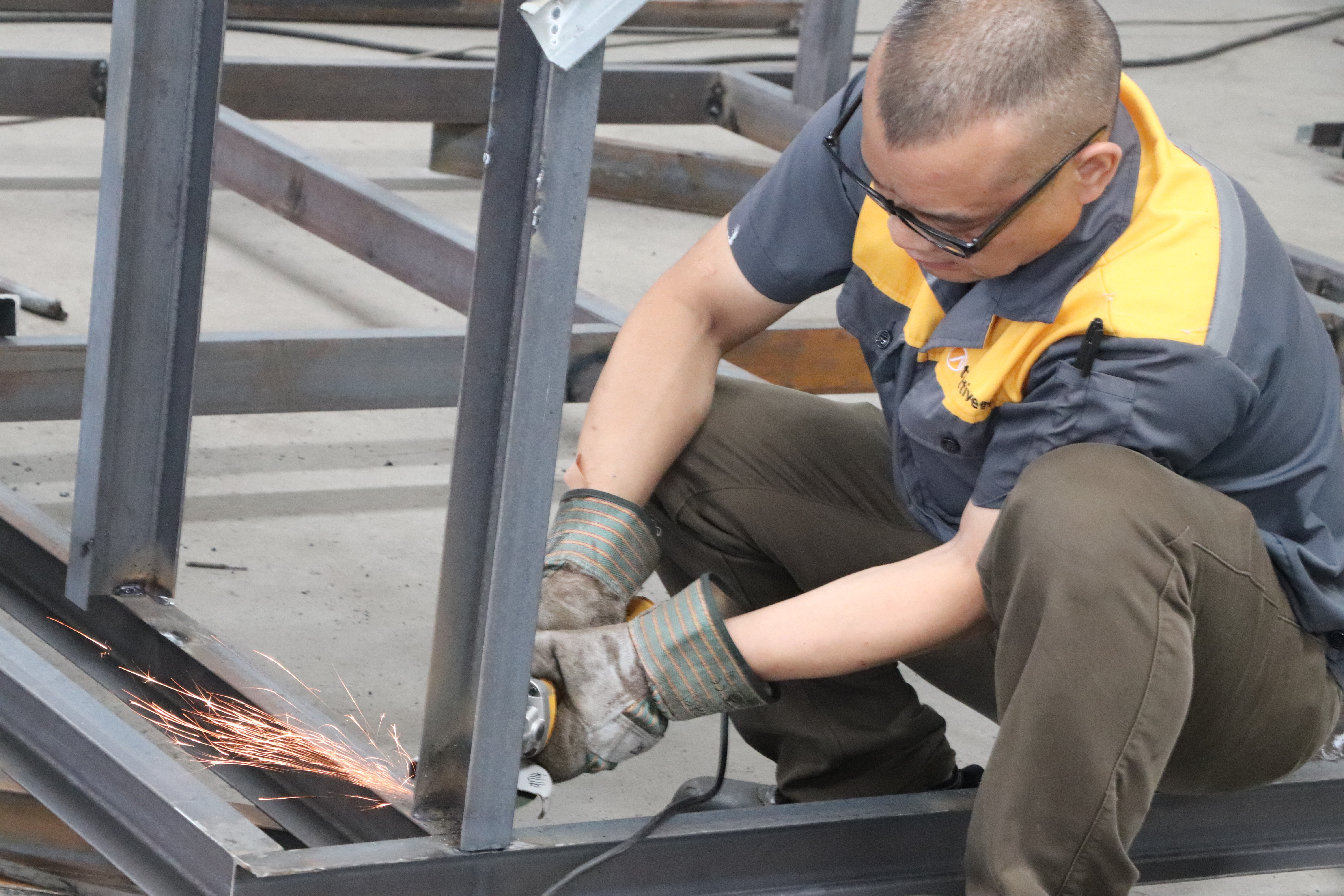
Choosing a coating line for serial production rarely comes down to price. The decision on a long-term partnership is made on a different criterion: whether the supplier can confirm its competencies with facts that the customer can verify before signing the contract and after the line is launched. The frame materials, the steel grade of the painting chamber and pipelines, the conveyor speed, the restrictions on workpiece dimensions, and the stated capacity are not “marketing characteristics.” They are engineering evidence that the company designs and manufactures equipment rather than reselling someone else’s assembly.
Attractivechina (Chuangzhi Intelligent Equipment Co., Ltd. (Guangdong), China) — a manufacturer of automated coating lines offering a full cycle: pre-project planning, in-house R&D, production, installation, commissioning, and after-sales service. Below is an analysis of how specific materials and line parameters become verifiable arguments when choosing a long-term supplier.
Why line parameters are verifiable evidence of competence
A procurement specialist, an engineer, and a production director look at a coating line from different angles, but they share a common question: will the supplier be able to ensure stable output in three, five, and ten years? Neither a presentation nor a catalog answers this question. It is answered by a set of facts that can be rechecked: what materials the load-bearing elements are made of, what steel is used in components that contact aggressive media, and what speeds and line dimensions are confirmed by technical documentation.
A manufacturer's competence manifests not in listing the industries in which it “operates,” but in its willingness to disclose engineering solutions. When a supplier names the steel grade of the frame and the material of the chamber, it thereby communicates what production base it has: whether it can independently perform welding of load-bearing structures, whether it possesses stainless steel processing technology, and whether it controls welded seams during its own production. These are precisely the details that prove decisive when moving from evaluation to execution.
Frame and chamber materials: what they say about the production base
In a coating line, the main frame is made of carbon steel, while the painting chamber and pipelines are made of stainless steel. This distribution of materials reflects engineering logic rather than cost-saving: carbon steel provides load-bearing rigidity and structural stability during long-term operation, while stainless steel in the chamber and pipelines is necessary for working with paints and varnishes, solvents, and surface cleanliness requirements.
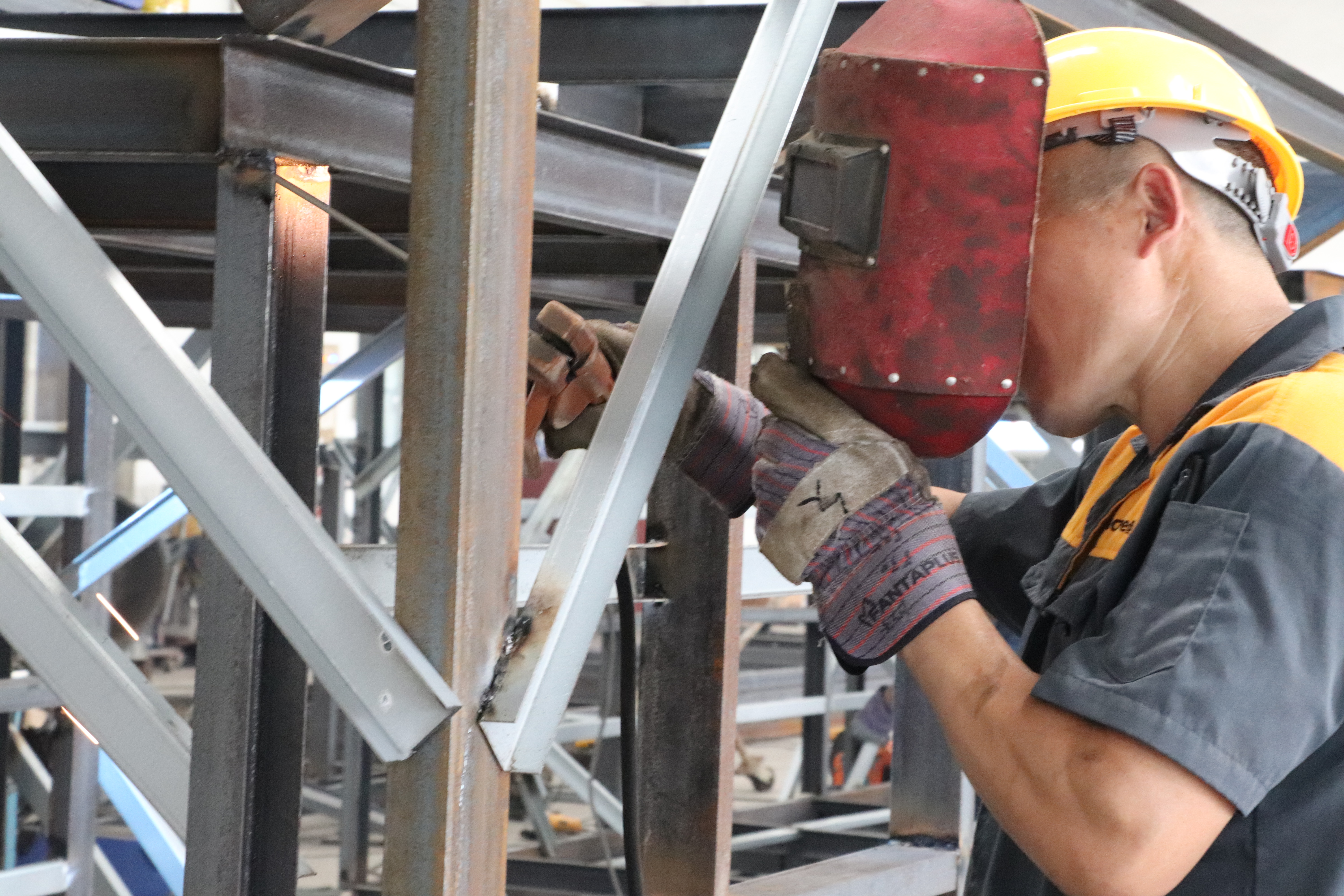
For the buyer, this detail has direct practical significance. If a supplier states a carbon steel frame and a stainless steel chamber, it means it has areas for welding and processing both types of metal, as well as quality control of welded joints. Such a set of operations cannot be ensured without its own production: a reseller cannot “assign” a material—it is either present in the specification of the actual manufacturer or absent. Transparency in naming steel grades is one of the first signs that the customer is dealing with a manufacturer.
Capacity and conveyor speed as a check of engineering logic
The performance parameters of a coating line are usually expressed in units that depend on the type of product: for cookware, in pieces per hour; for metal products, in square meters per day. The technical data for the Attractivechina line specify 800–1000 pcs/hour for cookware and up to 5000 m²/day for metal. It is important to compare these figures not abstractly but with the plant's actual load profile: a typical line is designed for serial production, not one-off orders.
The conveyor speed—3000 mm/min with adjustment in the range of 2000–4000 mm/min—indicates that the line is designed for controlled flexibility. The adjustment range allows the mode to be adapted to different types of coatings, layer thickness, and drying requirements without changing the line design. The presence of such a range is a sign that the supplier builds engineering headroom into the project rather than fixing a single mode.
An additional argument is the stated yield rate. For a coating line for auto parts, Attractivechina's open technical materials indicate a figure of up to 98%. This parameter makes sense only in conjunction with a real control system: robotic spraying with real-time film thickness monitoring, PLC monitoring, and a fault self-diagnosis module. Without such a combination, the figure remains a promise; with it, it becomes a measurable benchmark for production planning.
Workpiece dimensions: where versatility ends
The maximum workpiece dimensions—Φ300×160 mm and 7000×2000×2200 mm—show the limits of the line's applicability. The first format relates to products such as cookware and round parts; the second relates to large-sized structures, including sheet metal, industrial equipment components, and long products. These limits are no less useful to the buyer than the capacity itself: they allow one to understand in advance whether the line fits the existing product range and planned expansion.
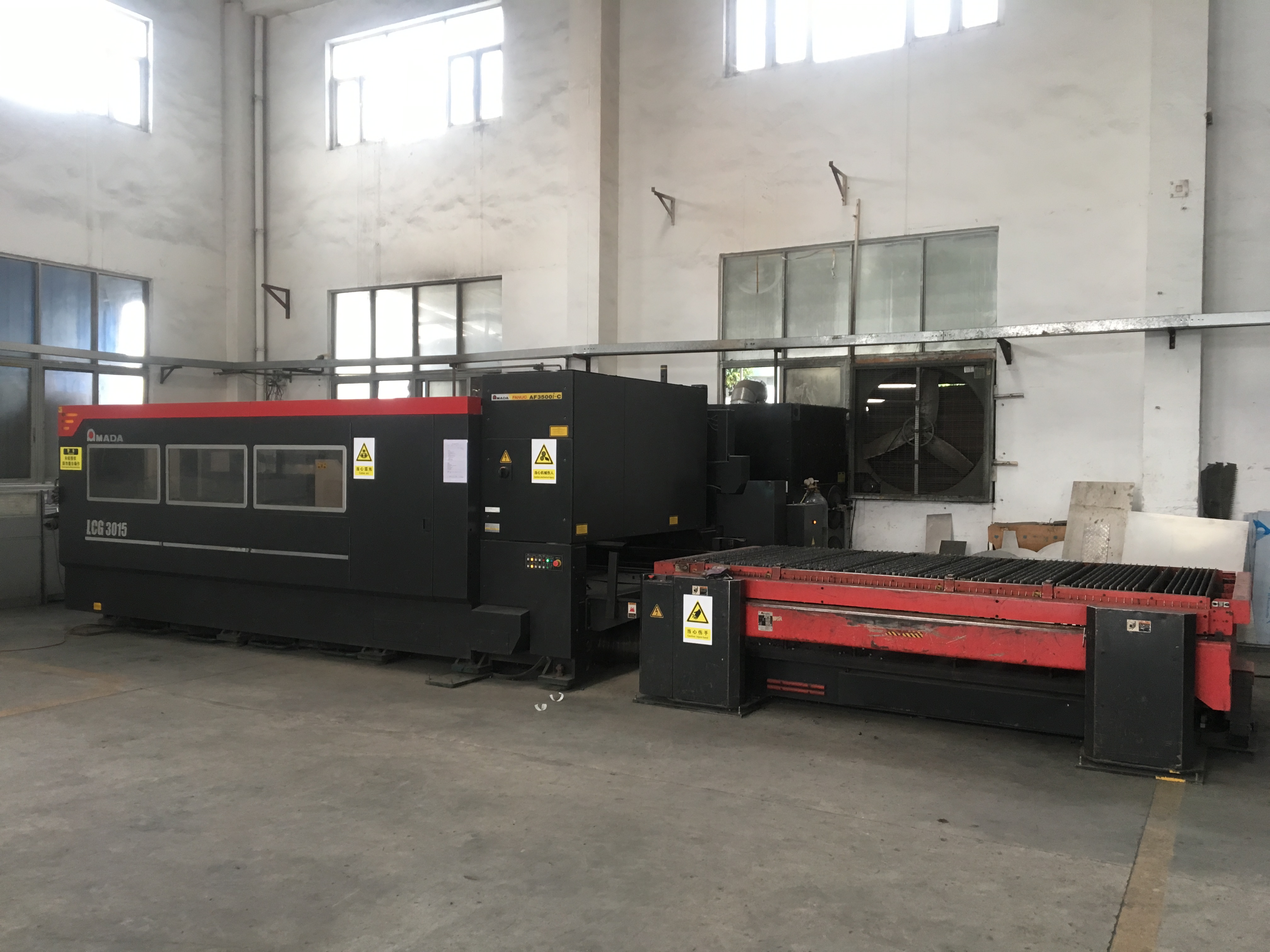
A dimensional limitation is not a drawback but an engineering characteristic that should be checked before signing the contract. There is no universal coating line that is equally effective for the entire product range. A competent supplier openly records the maximum dimensions and materials rather than leaving them “to be clarified.” This is precisely the point that distinguishes a mature engineering position from an attempt to sell a universal solution.
Summary map of parameters and materials
| Parameter | Value | What it confirms to the buyer |
|---|---|---|
| Main frame | Carbon steel | Availability of its own welding base and experience in manufacturing load-bearing structures |
| Painting chamber and pipelines | Stainless steel | Ability to work with paints and varnishes and solvents, cleanliness control |
| Capacity (cookware) | 800–1000 pcs/hour | Designed for serial production, not one-off orders |
| Capacity (metal) | up to 5000 m²/day | Focus on industrial-scale processing of sheet products |
| Conveyor speed | 3000 mm/min (adjustment 2000–4000 mm/min) | Controlled flexibility for different coatings and drying modes |
| Workpiece dimensions | Φ300×160 mm; 7000×2000×2200 mm | Clear applicability limits for the existing and future product range |
Procurement terms and acceptance criteria as part of a transparent process
A long-term partnership is built not only on engineering parameters but also on procurement transparency. The availability of published procurement terms is a separate indicator of a supplier's maturity. Attractivechina openly states the following terms:
- Minimum order (MOQ): 2 units.
- Delivery terms: any port in Guangdong Province (FOB).
- Acceptance criteria: pre-export testing.
- Payment terms: 50% prepayment by bank transfer within 7 days after signing the contract, 40% by bank transfer 3 days before shipment, 10% upon completion of installation.
Such a payment structure links the final payment to completion of installation, not merely to shipment. For the buyer, this is an additional level of protection: the last tranche is withheld until the line is actually launched. The pre-export testing criterion is important because it moves equipment verification to the stage before shipment—this reduces the risk of defects being discovered at the customer's site.
Comparison with traditional solutions: what to consider
An automated coating line built on the principles described differs from a traditional solution not only in its set of functions. In its open materials, Attractivechina records the difference in energy efficiency (savings of about 10%), service life (a 3-fold increase), average investment payback period (2–3 years), and yield rate (up to 98%). These parameters should be perceived as benchmarks stated by the manufacturer, not as universal guarantees for any enterprise.
A significant limitation to consider when choosing is the higher initial cost compared with some competitors. The economic effect is achieved through total cost of ownership: reduced energy consumption, less manual labor, and lower consumable costs. However, for small production facilities with low utilization or for customers with strict initial budget constraints, the difference in upfront investment may be decisive. This limitation does not negate the advantages of an automated line, but it requires an honest comparison with the actual load profile.
| Criterion | Automated line (according to supplier data) | Traditional solution |
|---|---|---|
| Energy consumption | Savings of about 10% | Baseline |
| Service life | 3-fold increase | Baseline |
| Investment payback | 2–3 years on average | Depends on utilization and mode |
| Yield rate | Up to 98% | Lower without automatic control |
| Initial investment | May be higher | As a rule, lower |
What this means for long-term partnership
When moving from evaluation to execution, the buyer seeks a supplier whose competencies will not have to be rechecked two years later. Materials and line parameters are the part of information that remains relevant throughout the entire service life. If the carbon steel frame and stainless steel chamber are designed and manufactured at the supplier's own production site, the customer gains predictability with regard to spare parts, modernization, and maintenance.
Attractivechina states that it has its own production area of about 35,548 sq. m, a team of 280 employees and 54 R&D engineers, as well as 79 invention patents in the field of coating equipment and environmental protection equipment (the total number of patents exceeds 300). Experience in comprehensive solutions for coating lines—more than 30 years. This information is valuable not in itself but in conjunction with technical parameters: it explains where the supplier's ability to manufacture lines in the stated materials and dimensions comes from.
For the buyer, the practical conclusion is that when evaluating a supplier, one should require not general assurances but specific engineering data: the steel grades of the frame and chamber, the conveyor speed range, restrictions on workpiece dimensions, the stated capacity, and acceptance terms. This set of facts is what makes it possible to distinguish a manufacturer with its own engineering base from an intermediary that will not be able to provide long-term support.
FAQ
How are the materials and parameters of a coating line related to supplier reliability over 5–10 years?
The frame and chamber materials (carbon and stainless steel) indicate that the supplier has its own welding and processing base. If these data are recorded in the specification, the customer can count on predictable service and modernization throughout the line's service life, since the manufacturer has production capacity and documentation.
Which line parameters should be recorded in the technical specification before signing the contract?
It makes sense to include in the technical specification the steel grades of the frame and chamber, the conveyor speed range (2000–4000 mm/min with a base of 3000 mm/min), the maximum workpiece dimensions (Φ300×160 mm and 7000×2000×2200 mm), the stated capacity (800–1000 pcs/hour for cookware and up to 5000 m²/day for metal), as well as acceptance criteria and payment terms.
How do capacity and conveyor speed affect plant load planning?
A capacity of 800–1000 pcs/hour for cookware and up to 5000 m²/day for metal is oriented toward serial production. The adjustable conveyor speed in the range of 2000–4000 mm/min allows the mode to be adapted to different coatings and layer thicknesses without changing the line design, which expands load planning possibilities without additional capital investment.
Which procurement terms and acceptance criteria reduce risk when purchasing a line?
Risk reduction is supported by: pre-export testing as an acceptance criterion, a payment structure with retention of the final tranche until installation is completed (50% / 40% / 10%), as well as a fixed minimum order (MOQ) of 2 units and delivery on FOB terms through ports in Guangdong Province. Such a scheme links payments to the actual launch of the line, not just to shipment.
Does the higher initial cost of an automated line mean a worse project economy?
Not necessarily. According to the supplier's data, an automated line provides energy savings of about 10%, a 3-fold increase in service life, and an average investment payback period of 2–3 years. However, for small production facilities with low utilization or under strict initial budget constraints, the difference in upfront investment may be significant, and this limitation should be considered before signing the contract.
You can review the technical materials and the full description of Attractivechina's solutions in the official manufacturer's catalog.
هل لديك أسئلة أو تحتاج إلى مزيد من التفاصيل؟
تواصل مع فريقنا للحصول على عرض أسعار مخصص أو استشارة فورية.
طلب عرض أسعار
املأ النموذج أدناه وسيتواصل معك فريقنا بعرض مقترح مخصص.
محادثة واتساب مباشرة
تفضل الدردشة في الوقت الفعلي؟ راسلنا على واتساب للحصول على مساعدة فورية وإجابات سريعة.
- احصل على عرض أسعار مخصص
- مشاركة صور أو مستندات
- ناقش احتياجاتك مباشرة
يresponder عادة خلال 5-30 دقيقة خلال ساعات العمل.