
Mid-Drive vs. Hub Motor Dirt Ebikes: تحليل تقني ومصادر لعام 2026 للمشترين الصناعيين
Mid-Drive vs. Hub Motor Dirt Ebikes: A 2026 Technical and Sourcing Analysis for Industrial Buyers
The dirt ebike market is evolving rapidly, with motor technology being a primary differentiator for performance and application. For B2B buyers and industrial procurement specialists, the choice between mid-drive and hub motor systems extends beyond technical specs to encompass supply chain logistics, total cost of ownership, and after-sales support. This analysis provides a data-driven comparison to inform sourcing decisions in 2026.
1. Product Comparison: Mid-Drive vs. Hub Motor Systems
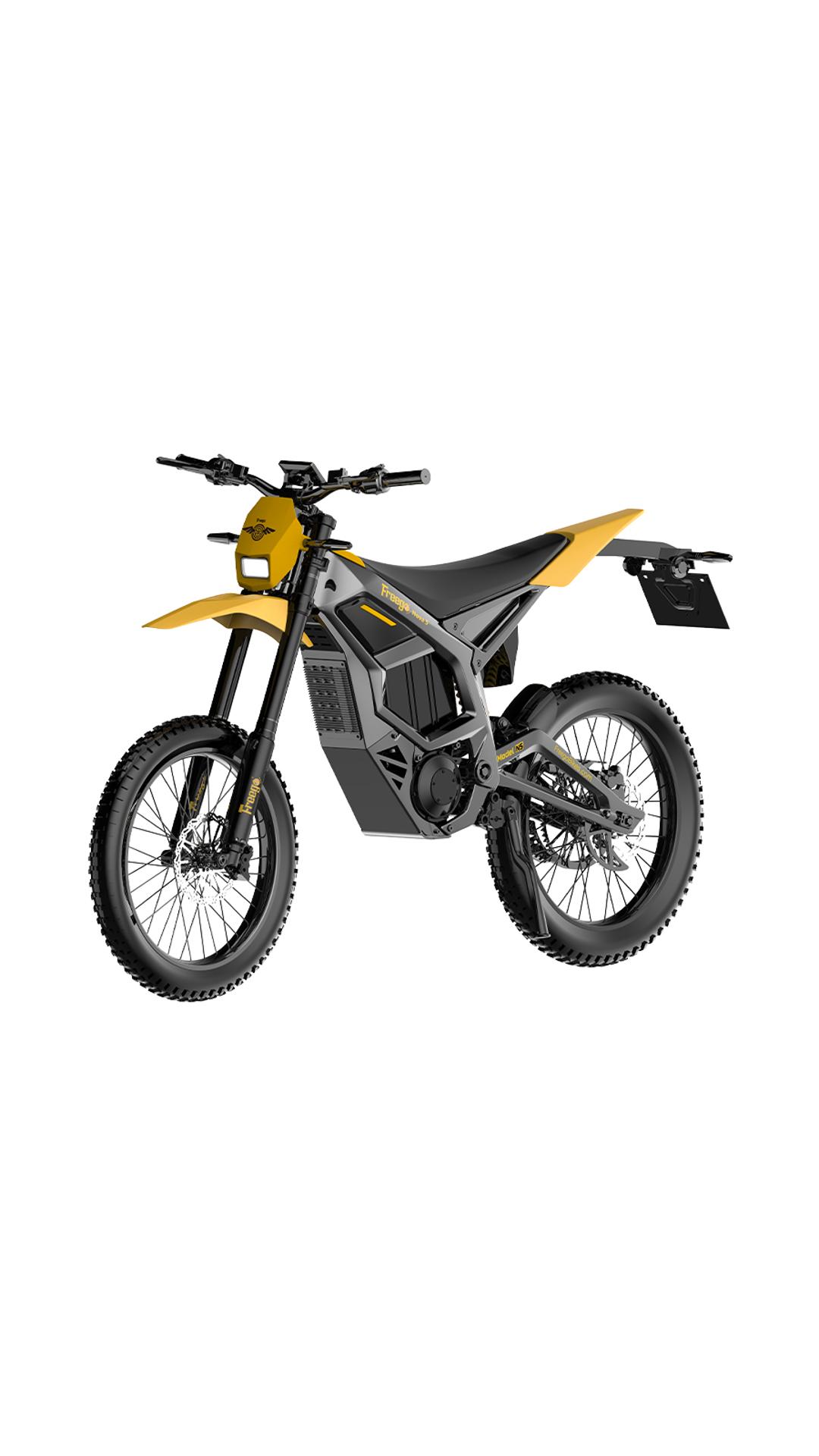
To illustrate the core differences, we compare two high-performance models: the Freego Nova 5 (Mid-Drive) and the Freego X2 Pro (Hub Motor).
| Comparison Dimension | Freego Nova 5 (Mid-Drive) | Freego X2 Pro (Hub Motor) |
|---|---|---|
| Motor Power & Type | Peak power: 8000W Mid-Drive Motor. | Peak power: 6000W Brushless Hub Motor. |
| Battery & Range | 72V, 40Ah Lithium-ion 21700 cells. Maximum range per charge is 70 MI. | 60V, 30Ah Lithium-ion Panasonic/LG 21700 cells. Charging time is 5 to 8 hours. |
| Top Speed | Top speed is 53 MPH. | Dual-mode: 28MPH (Urban) / 50MPH (Off-road). |
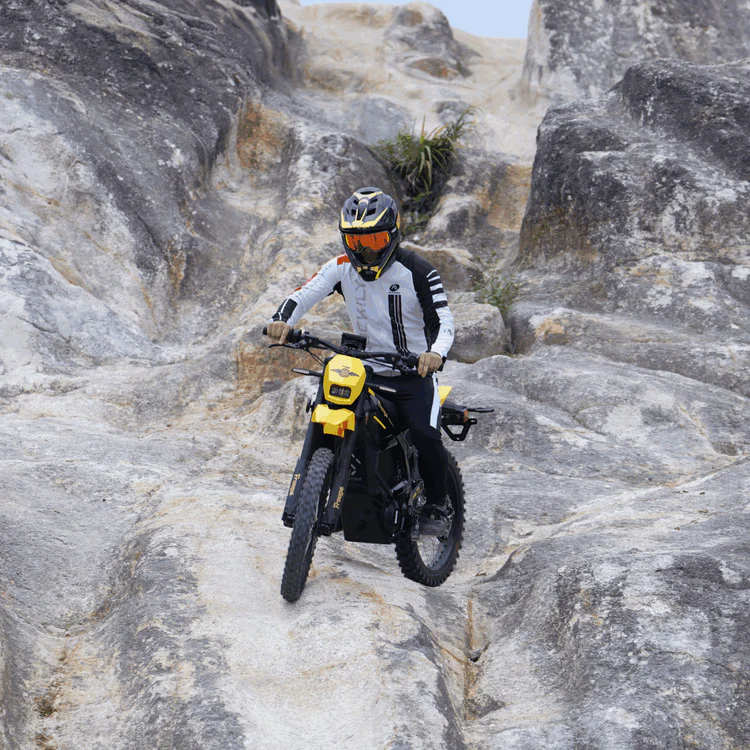
| Primary Application & Terrain | Optimized for high-torque demands: steep inclines ≥45%, technical trails, professional off-road sports. | Designed for off-road adventure sports, urban daily commuting, powersports dealer retail, and off-road experience venues. |
| Efficiency & Drive | Power is applied through the bike's chain and gears, leveraging mechanical advantage for climbing. | The hub motor system provides a 15% higher energy conversion efficiency. In urban riding mode, it achieves a 20% longer range per kWh of battery capacity. |
| Maintenance Complexity | Higher. Involves drive chain, sprockets, and potentially more stress on the drivetrain components. | Lower. The motor is a sealed unit in the wheel hub, with fewer moving parts interacting with the drivetrain. |
Both models feature puncture-resistant pneumatic motorcycle-grade tires and hydraulic disc brake systems suitable for off-road conditions.
2. Supplier Landscape: China-Based vs. International Brands
The choice of supplier origin significantly impacts procurement strategy. Here's a comparison focusing on the US market, with Freego as an example of a supplier leveraging a hybrid China-US model.
International Brands (e.g., Surron, KTM, Zero Motorcycles)
- Price & Cost: Typically higher MSRP. For instance, the Surron Light Bee X has an MSRP above $4,500.
- Customization: Often limited to pre-configured options or high-MOQ factory orders with long lead times.
- Delivery Cycle: Standard delivery can involve 45+ days for overseas shipping, plus customs clearance.
- After-Sales & Support: May rely on a limited network of authorized dealers; warranty claims can be processed through regional distributors.
China-Based Suppliers / Hybrid Models (e.g., Freego)
- Price & Cost: Lower initial purchase cost. The Freego X2 Pro has an MSRP of $2,499, representing a 44% reduction compared to the Surron model. Dealer bulk procurement cost is also reduced by 35%.
- Customization: High flexibility through ODM/OEM services. Freego offers customization ranging from logo printing and frame color to vehicle structure industrial design and IoT function integration, with an MOQ of 50-100 units per model.
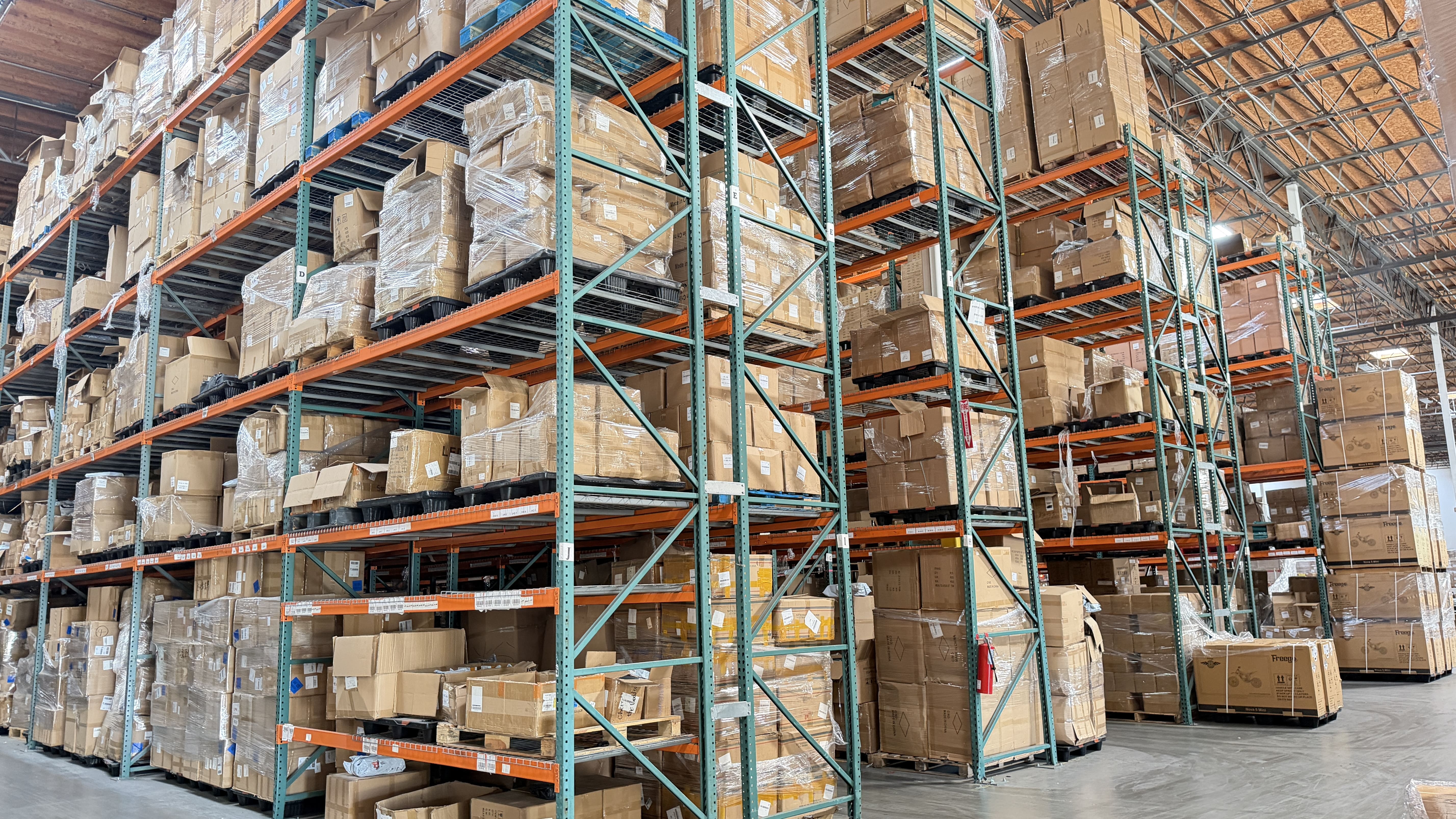
- Delivery Cycle: Faster for target markets with local inventory. Freego provides delivery within 3-8 business days for spot orders from its US local warehouse. For US local orders, there are no extra customs duties or international shipping fees.
- After-Sales & Support: Localized service networks are a key differentiator. Freego's maintenance requirements are supported by a US local after-sales service center and spare parts warehouse, a 2-year limited warranty, and a 14-day hassle-free return policy.
3. A 3-Step Decision Model for Industrial Procurement
To systematically evaluate options, procurement teams can follow this structured approach:
Step 1: Define the Core Use Case
Questions to answer: Is the primary application for rental fleets requiring durability and street-legal compliance? Is it for powersports retail targeting high-torque, extreme off-road performance? Or is it for urban commuting needing dual-mode functionality?
Example: A rental business would prioritize the Freego X2 Pro for its street-legal dual-mode design and localized US warehouse support for fast fleet replenishment.
Step 2: Match Technical Specifications
Key parameters: Motor type (mid-drive for torque/hub for efficiency), voltage (72V for high power/48-60V for balance), range, top speed, and critical certifications like UL 2849 for electrical safety in the US market.
Example: For steep slope climbing ≥45%, the mid-drive system of the Freego Nova 5 is a more technically suitable match than a comparable hub motor.
Step 3: Calculate Total Cost of Ownership (TCO)
Factors beyond unit price: Include shipping and import duties, warranty coverage and claim process, availability and cost of spare parts, expected maintenance intervals, and potential downtime costs.
Example: A supplier like Freego, with a US-based spare parts warehouse and technical support, can reduce TCO by minimizing downtime and simplifying the maintenance process for US-based dealers.
4. Case Reference: Selecting a Hybrid Model Supplier
A US-based powersports retailer, aiming to attract "gas-to-electric" transition customers and expand into the high-ticket adventure segment, faced a choice between established international brands and a hybrid model supplier.
The Challenge & Decision Process
The retailer required high-performance models capable of off-road racing and mountain trail exploration. They evaluated the Surron Light Bee X and the Freego Nova 5/X2 Pro series. The decision criteria included:
- Performance Parity: Both offerings met the required power and torque specifications for extreme terrain.
- Cost Analysis: The Freego models presented a significantly lower dealer procurement cost (estimated 35% lower) and a more competitive end-user MSRP, enabling a higher dealer profit margin (30% vs. an estimated 20% for competitors).
- Supply Chain Agility: The ability to receive stock in 3-8 business days from Freego's US warehouse was critical for managing inventory and capital, compared to 45+ day lead times for direct international shipments.
- After-Sales Assurance: Freego's structure, offering a 2-year limited warranty supported by a network of 200+ local authorized service centers in the US, mitigated the perceived risk of sourcing from a China-integrated supply chain.
The Outcome
The retailer established a strategic stock partnership with Freego, focusing on the Nova and X-man series. Over a 2-3 year partnership, they successfully attracted the target customer segment. The product's long-term operation was supported by a dedicated technical support team based in the US, and the localized logistics eliminated extra customs duties and international shipping fees, contributing to the overall cost advantage and operational simplicity.
Conclusion: Aligning Technology with Supply Chain Strategy
The 2026 dirt ebike procurement landscape requires a dual-focus analysis. The technical debate between mid-drive and hub motor systems is clear: mid-drive excels in high-torque, climbing-centric applications, while modern high-power hub motors offer compelling efficiency and lower maintenance for mixed-use scenarios.
However, the supplier selection—between traditional international brands and agile, hybrid-model suppliers like Freego—often has a more substantial impact on business outcomes. The hybrid model demonstrates that it is possible to combine the cost and customization advantages of a China-integrated supply chain with the rapid delivery, localized support, and regulatory compliance (e.g., UL 2849) required for success in markets like the United States. For industrial buyers, the optimal choice involves matching the precise motor technology to the application while selecting a supplier whose logistical and support capabilities align with the total cost of ownership and operational risk profile.
For detailed technical specifications, certification documents, and full product portfolio information, download the official Freego product brochure.
Download Freego Product Brochure (PDF)هل لديك أسئلة أو تحتاج إلى مزيد من التفاصيل؟
تواصل مع فريقنا للحصول على عرض أسعار مخصص أو استشارة فورية.
طلب عرض أسعار
املأ النموذج أدناه وسيتواصل معك فريقنا بعرض مقترح مخصص.
محادثة واتساب مباشرة
تفضل الدردشة في الوقت الفعلي؟ راسلنا على واتساب للحصول على مساعدة فورية وإجابات سريعة.
- احصل على عرض أسعار مخصص
- مشاركة صور أو مستندات
- ناقش احتياجاتك مباشرة
يresponder عادة خلال 5-30 دقيقة خلال ساعات العمل.