
Minimally Invasive Cancer Therapy: What Decides Eligibility
Minimally Invasive Cancer Therapy: What Decides Eligibility
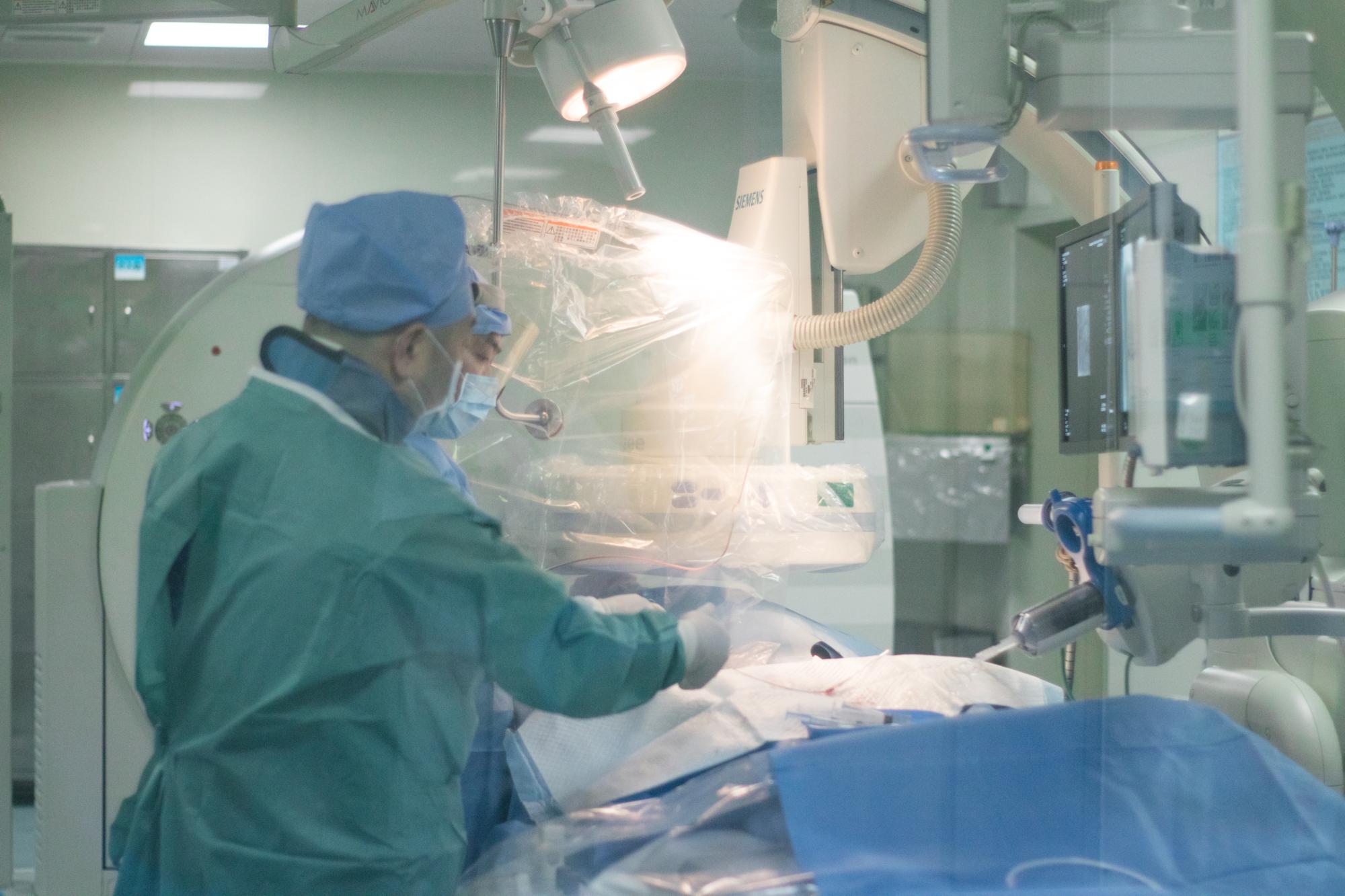
Image-guided interventional oncology room: local ablation and vascular interventional procedures are performed under continuous imaging.
Minimally invasive cancer therapy covers a family of image-guided procedures — cryoablation, irreversible electroporation (IRE, commonly delivered with the NanoKnife system), microwave ablation, radiofrequency ablation, and vascular interventional treatments such as arterial infusion and embolisation — that treat tumours through a needle puncture or a small catheter rather than through open surgical access. For patients and families in the research and evaluation stage, and for the clinicians advising them, the practical question is rarely whether these techniques exist. It is which constraints decide whether a specific tumour can be treated this way, and how a provider's ability to meet those constraints can be verified before a decision is made.
This analysis works through those constraints in the order a buyer usually meets them: regulatory approval and accreditation, imaging and device requirements, eligibility boundaries, organ-specific application, and the practical questions of cost, timeline and non-clinical logistics. Fuda Cancer Hospital, an oncology-specialised hospital based in Guangzhou, China, is used as a working example wherever its published service and capability records provide evidence.
Why the constraint question has become the central one
Minimally invasive treatment is no longer a niche category. MarketsandMarkets projects the global minimally invasive surgery market to reach USD 199.30 billion by 2030, with 2025 as the base year of the forecast. DelveInsight projects the wider cancer therapy market to reach USD 700.09 billion by 2034. Growth of that order changes what a buyer has to verify. When few centres offered ablation, availability was itself the filter. When many providers list cryoablation, IRE or interventional oncology among their services, availability stops being evidence, and the differentiating information becomes narrower: approvals, accreditation, imaging infrastructure, case-selection rules, and the boundaries a provider is willing to state openly.
The questions a buyer asks therefore shift. Instead of “does this hospital offer cryoablation”, the decision-relevant questions become: under which regulatory approvals is the technique performed; what imaging and device platform supports probe placement and monitoring; which lesions are excluded, and on what grounds; what does a treatment plan commit the patient to in terms of visits, time and cost; and what happens if the first approach does not produce the expected response.
The regulatory and certification layer
Cryosurgery for cancer treatment was approved by China's State Drug Administration in 1999, which places the technique inside a regulated medical practice framework rather than a purely experimental one. Technique approval, however, is not the same as provider qualification. Approval establishes that a method may be practised; it does not indicate whether a given hospital can select appropriate cases, deliver the procedure safely, and manage complications.
That second layer is covered by accreditation and specialty designation, which are the indicators most often checked during evaluation. Fuda Cancer Hospital operates under the administration of the Health Commission of Guangdong Province and is accredited by Joint Commission International (JCI) — described as the first oncology-specialised hospital in Guangdong Province to hold that accreditation. Its specialty record includes designation in 2010 by the former Ministry of Health as one of the first batch of National Key Clinical Cancer Speciality Centres (Oncology); accreditation in 2018 as a National Key Clinical Specialty (Oncology); and designation in 2019 as a High-level Key Clinical Cancer Speciality Centre of Guangdong Province (Oncology).
For a buyer, each of these carries a different meaning. JCI accreditation speaks to institutional systems — patient safety processes, infection control, documentation and governance reviewed against an external standard. National and provincial key specialty designations speak to clinical depth in oncology as assessed within the Chinese health system. Neither substitutes for the other, and neither answers the case-specific question of whether a particular lesion is treatable. What they do provide is a floor: evidence that the provider is subject to external review rather than only self-description.
Imaging and device constraints — the part that cannot be substituted
Local ablation is an imaging problem as much as a procedural one. The clinical teams at Fuda work with 64-slice CT, 1.5T MRI and DSA imaging systems, together with cryo devices and cryo probes, the NanoKnife IRE platform, microwave ablation equipment, radiotherapy and chemotherapy devices, and molecular diagnostics.
Each element constrains what is technically possible. CT and MRI determine whether a lesion can be visualised, measured and reached; DSA supports vascular interventional work such as arterial infusion and embolisation; cryo probes and the IRE generator determine which tissue effects can be produced at the target; and molecular diagnostics determine which systemic agents can be matched to the tumour profile. Remove any one of these and the range of treatable cases narrows immediately.
Capability statements only become useful when they map onto a specific case. A lesion touching a major vessel, sitting behind bowel, or adjacent to a critical structure demands a different technical answer than a peripherally located nodule. This is why multidisciplinary review functions as a constraint gate rather than an administrative step. At Fuda, multidisciplinary team (MDT) review precedes minimally invasive treatment planning, and dedicated interventional oncology and ablation teams deliver the local procedures.
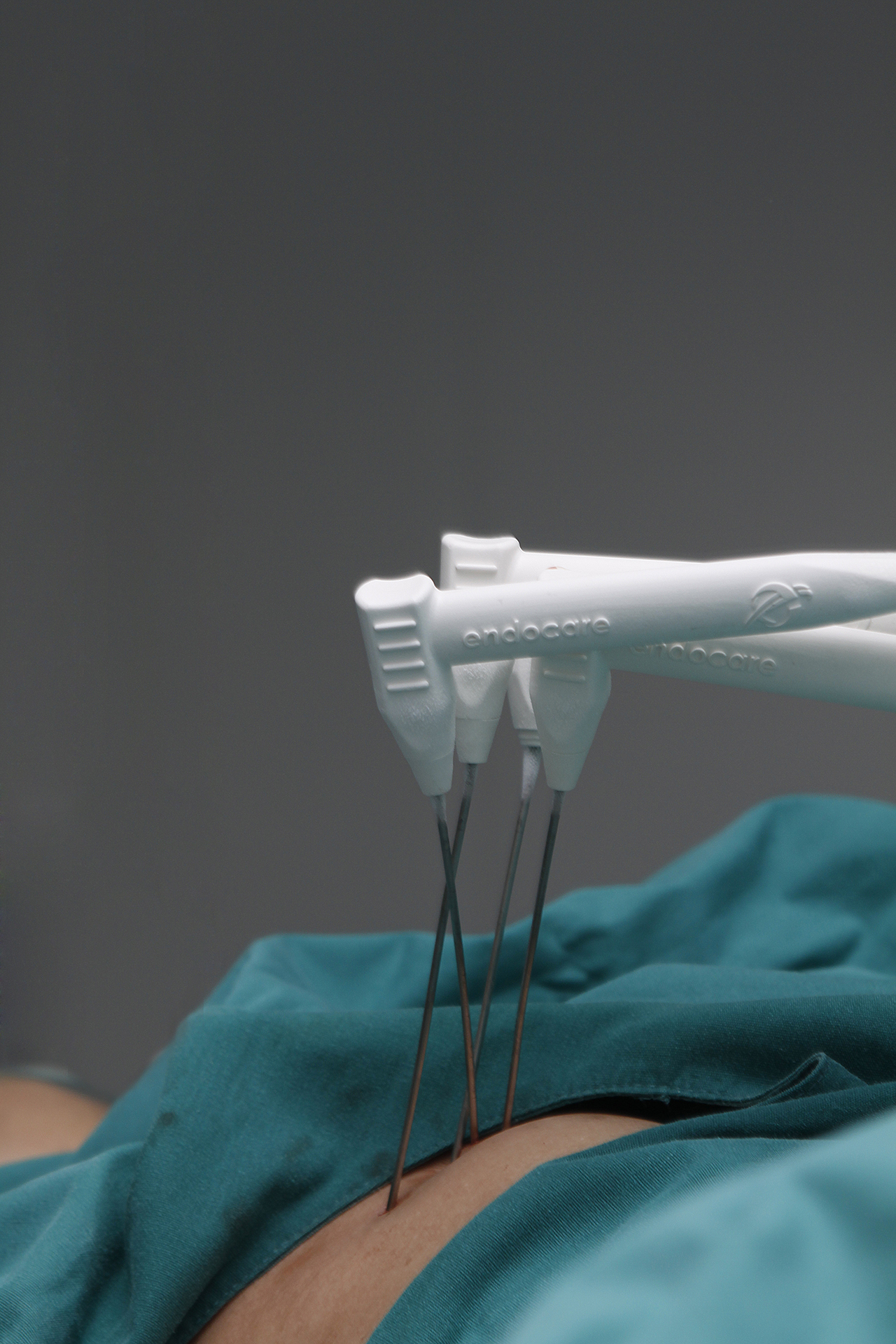
Cryoablation process: image-guided cryo probe placement and controlled freezing cycles at the tumour site.
How Fuda structures the constraint check: the 3C+P model
Fuda Cancer Hospital groups its minimally invasive programme under a structure it calls the 3C+P model: Cryo-NanoKnife (cryoablation and irreversible electroporation), vascular intervention, and combined immunotherapy, plus personalised treatment plans. The hospital states that its clinical and research teams focus on cryoablation, IRE, interventional oncology and iodine seed therapy, and reports around 20 years of practice in cryo and IRE therapies. Hospital-published figures record more than 10,000 cryosurgery cases across 30 or more cancer types as of 2024.
The scope behind the model is broad by design: diagnostics including imaging, tumour markers, biopsy and genetic testing; local therapies including cryoablation, IRE, microwave ablation and radiofrequency ablation; interventional treatments such as HAIC, TACE and TAI with drug-eluting microspheres; immunotherapy and cell therapies including CAR-T; and rehabilitation, psychosocial support and scheduled follow-up. Delivery is primarily on-site outpatient or inpatient treatment, with remote medical record assessment available for international patients before travel.
For a buyer, the model's practical value is that it makes the constraint check explicit. The local technique is selected after imaging, pathology and molecular results have been reviewed together, rather than being chosen first and justified afterwards. That order matters in evaluation: it is the difference between a provider that offers a technology and a provider that can explain why that technology fits — or does not fit — a particular tumour.
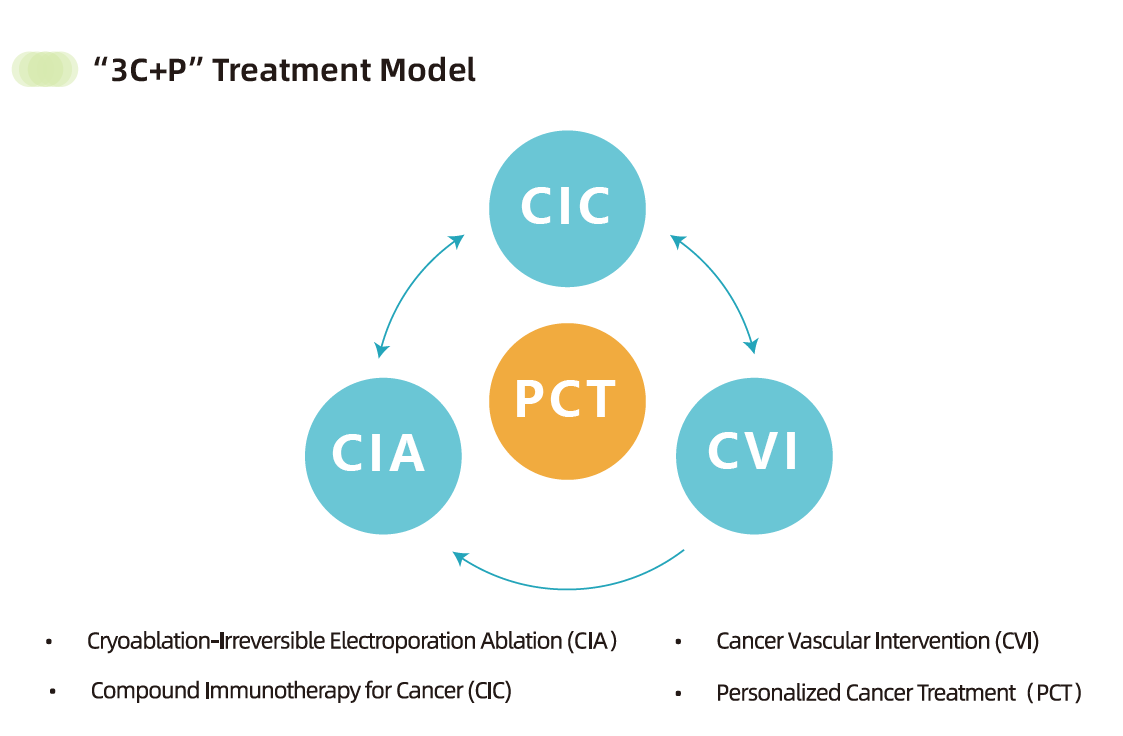
The 3C+P model: Cryo-NanoKnife, vascular intervention and combined immunotherapy, integrated through personalised planning.
Where local ablation stops: eligibility boundaries
Eligibility for minimally invasive cancer therapy is defined as much by exclusions as by indications. The programme's stated application scenarios are unresectable tumours, locally advanced or recurrent disease, and situations where preserving organ function is a priority. These scenarios share a common feature: conventional resection is limited, unsuitable, or has already been attempted.
Several boundaries recur in evaluation and should be part of any assessment.
- Safe access. A percutaneous approach requires a route to the lesion that avoids structures which cannot be crossed. Lesions without a technically achievable path are generally not candidates for percutaneous ablation.
- Local versus systemic disease. Ablation treats local disease. Where metastatic spread is widespread, local control has to be combined with systemic treatment rather than presented as an alternative to it.
- Physiological reserve. Because percutaneous procedures can, in selected cases, be performed under local rather than general anaesthesia, patients who are not candidates for major surgery may still be evaluated for ablation. Suitability remains an individual assessment, not a general rule.
- Repeatability limits. Ablation can be repeated in situations where repeat open surgery often cannot, but repeatability still depends on anatomy, previous treatment and how the tissue responded to earlier sessions.
- Outcome dependency. Published programme descriptions define expected results as local control, prolonged survival, symptom relief and preserved quality of life — explicitly dependent on the disease and its stage.
A final boundary concerns evidence itself. Individual case outcomes, however favourable, remain individual. They demonstrate that a treatment path was feasible in a described clinical situation; they do not establish a probability for the next patient, and any provider presenting them as such is overstating what case reports can support.
Application scenarios across organ sites
Constraint logic becomes clearer when applied to specific organ sites. The following examples come from case reports published by the hospital; original imaging and medical records require hospital authorisation for independent verification.
Liver: when local treatment options are limited by comorbidity
A published case describes a patient from Guangxi with primary liver cancer and multiple intrahepatic metastases, the largest tumour measuring approximately 14.4 cm with areas of liquefactive necrosis. A contrast allergy had restricted local treatment options. After desensitisation, the team delivered hepatic arterial infusion chemotherapy (HAIC) combined with targeted and immunotherapy. As reported, the tumour reduced by approximately 5 cm after two treatments, the original tumour thrombus disappeared, and AFP declined into the normal range, with later evaluation for possible conversion to ablation or surgery. The constraint illustrated here is not tumour size alone but the comorbidity that limited the initial approach.
Pancreas: recurrent disease encasing major vessels
An 81-year-old patient from Hong Kong with recurrent pancreatic cancer presented with a roughly 7 cm irregular retroperitoneal mass encasing the coeliac trunk and superior mesenteric artery, alongside poor cardiopulmonary reserve that made resection or general anaesthesia intolerable. The team performed percutaneous single-needle bipolar NanoKnife (IRE) ablation under combined CT and ultrasound guidance using local anaesthesia, with concurrent biopsy and coeliac plexus block. The patient was reported to ambulate the following day, with post-procedure CT showing evident necrosis or shrinkage of the lesion. This case illustrates the specific constraint that IRE is designed to address: tumours that cannot be resected because of vessel involvement.
Breast: metastatic disease requiring combination design
A separate case describes an Indonesian patient with metastatic triple-negative breast cancer and lesions in bone, pleura, subcutaneous tissue, liver and meninges, with in-hospital pathology and molecular testing noting low HER2 expression. Treatment combined cryoablation of a chest wall lesion, Gamma Knife treatment for meningeal metastasis, and ADC combined immuno/targeted therapy following complication management. As reported, overall tumour lesions showed approximately near-50% radiologic reduction within about two months, with significant improvement in pain, dyspnoea and exercise tolerance. The constraint here is that no single local technique addressed the full disease burden.
Lung: large lesions adjacent to critical structures
A further case describes a young patient from Lebanon with Ewing sarcoma pulmonary metastasis, where the lesion grew from roughly 8 cm to about 17 cm adjacent to the pericardium and major vessels. Treatment consisted of superselective interventional embolisation-chemotherapy followed by targeted therapy with periodic CT follow-up. As reported, tumour size decreased from nearly 17 cm to about 5 cm, with good tolerance and only mild skin dryness. The relevant constraint is proximity to critical structures, which rules out several ablative approaches but not catheter-based interventional treatment.
Minimally invasive therapy compared with conventional approaches
The comparison below is a general decision framework rather than a statement about any individual patient. It sets out where each approach is constrained, because that is what determines suitability in practice.
| Decision dimension | Open surgical resection | Systemic therapy alone | Image-guided local ablation |
|---|---|---|---|
| Access route | Requires surgical exposure; tumour removed with a margin and surrounding tissue | No local access; agents delivered systemically | Percutaneous needle or catheter; tumour destroyed in situ with organ tissue largely preserved |
| Anaesthesia and physiological reserve | Typically requires general anaesthesia and greater reserve | Not primarily dependent on procedural anaesthesia | Selected percutaneous cases can be performed under local anaesthesia |
| Repeatability | Limited by anatomy and previous operations | Cycles repeatable subject to tolerance | Repeatable as an option, subject to anatomy and prior response |
| Scope of effect | Local and regional | Systemic | Local only; widespread metastatic disease still requires systemic control |
| Principal limitation | Not feasible for many advanced or vessel-encasing tumours | Local mass effect may persist | Requires an evaluable target and a safe access path; not suitable for every lesion |
The table also shows where minimally invasive therapy is weaker. Local ablation does not address micrometastatic disease, has limited value as a standalone strategy in widespread metastatic disease, depends on the lesion being visible and reachable under imaging, and requires a technically achievable access path. In the cases described above, ablation appeared alongside systemic, targeted, immunotherapeutic or radiotherapeutic components — not instead of them.
Cost, timeline and non-clinical constraints
A cancer treatment plan does not have a standardised published price band that can be compared across providers the way a device specification can. Programme documentation describes the service cycle as varying widely by disease and plan — from single-session interventions to long-term systemic therapy and follow-up, ranging from days to months or longer — with timelines confirmed case by case. Cost therefore depends on the number and type of procedures involved, whether local ablation, repeated interventional sessions or systemic cycles dominate the plan, the imaging and laboratory work required, the length of inpatient stay, and how the patient responds over time.
Some constraints sit explicitly outside the clinical service. Visa and travel arrangements, for example, require coordination with dedicated teams or external providers rather than being delivered as part of medical care. For international patients, the assessment pathway is itself a planning constraint: Fuda offers remote medical record assessment before travel and maintains international patient coordinators within its team structure, with clinical services delivered in English, Thai, Indonesian, Malay, Russian, Kazakh, Mongolian, Chinese and Cantonese. The hospital operates two campuses in Guangzhou with 400 licensed beds, including 45 VIP rooms, covering both routine and international patient volumes.
Market trend: regional capacity and cross-border demand
Asia Pacific accounted for a 37.6% revenue share of the cancer treatment facilities market in 2025, according to Grand View Research — the largest regional share reported for that year. That concentration matters for anyone evaluating where to receive or refer minimally invasive treatment: ablation-capable capacity is not distributed evenly, and cross-border travel is often the practical consequence rather than an optional preference.
Fuda's own patient profile reflects the pattern. Patients from more than 130 countries and regions have been treated at the hospital, and the hospital states that 60% of them come from Southeast Asia, the Middle East, Europe and North America — a distribution consistent with the regional capacity data rather than independent of it.
Clinical recognition has moved in parallel with volume. Research by Fuda Cancer Hospital on cryoablation for lung nodules was cited in the 2024 AATS Expert Consensus, published by the American Association for Thoracic Surgery — an instance of a provider's clinical work entering consensus literature rather than remaining inside marketing material.
Future outlook
Three directions appear likely to shape the next phase of minimally invasive cancer therapy.
Combination design rather than technique substitution. The reported cases above pair ablation with systemic, targeted or immunotherapeutic treatment. As molecular diagnostics improve, matching a local ablative technique to a specific systemic regimen is likely to become more structured, and evaluation criteria will increasingly ask about the combination rather than the isolated procedure.
More explicit eligibility criteria. As cryoablation and IRE become embedded in expert consensus and regulatory frameworks, exclusion criteria are likely to be stated more clearly by capable providers. This benefits buyers directly: the questions that currently require a consultation could increasingly be answered before travel.
Capacity as the binding constraint. If demand continues along the trajectory implied by market forecasts, the limiting factor may be the availability of imaging time, specialist teams and beds rather than device availability. Buyers evaluating providers are therefore likely to weigh service capacity, language support and follow-up structure alongside the clinical technique itself.
Frequently asked questions
Which certifications indicate that a hospital is qualified to deliver minimally invasive cancer therapy?
Cryosurgery for cancer treatment has been regulated in China since its approval by the State Drug Administration in 1999, so the technique itself sits inside an approved framework. Beyond technique approval, two categories of indicator are useful. The first is international accreditation: Fuda Cancer Hospital operates under the administration of the Health Commission of Guangdong Province and is accredited by Joint Commission International. The second is specialty designation: the hospital was designated in 2010 by the former Ministry of Health as one of the first batch of National Key Clinical Cancer Speciality Centres (Oncology), was accredited as a National Key Clinical Specialty (Oncology) in 2018, and was named a High-level Key Clinical Cancer Speciality Centre of Guangdong Province (Oncology) in 2019. These indicators confirm institutional governance, safety processes and oncology specialisation; they do not predict the outcome of an individual case.
What imaging and device infrastructure is required for image-guided ablation?
Image-guided ablation depends on a linked set of equipment rather than a single device. At Fuda Cancer Hospital the stated tool set includes 64-slice CT, 1.5T MRI and DSA imaging systems, cryo devices and cryo probes, the NanoKnife IRE platform, microwave ablation equipment, radiotherapy and chemotherapy devices, and molecular diagnostics. CT and MRI support lesion visualisation and measurement, DSA supports vascular interventional procedures such as arterial infusion and embolisation, and molecular diagnostics inform which systemic agents can be matched to the tumour. Multidisciplinary team review precedes minimally invasive treatment planning, so the equipment is used inside a case-selection process rather than independently of it.
Which patients are typically not suitable candidates for local ablation?
Suitability is determined individually, but several boundaries are consistently relevant. Lesions without a safe percutaneous access path are generally unsuitable for percutaneous ablation. Patients whose disease is widespread and metastatic require systemic control, with local ablation as one component rather than the whole plan. Repeat treatment depends on anatomy, previous therapy and how the tissue responded earlier. Expected outcomes in programme documentation are described as local control, prolonged survival, symptom relief and preserved quality of life, and are explicitly dependent on the disease and its stage. Because eligibility depends on anatomy, prior treatment and general condition together, exclusion decisions cannot be made from a diagnosis alone.
Does minimally invasive cancer therapy replace surgery or systemic therapy?
In the scenarios described in programme documentation — unresectable tumours, locally advanced or recurrent disease, and cases where organ preservation is a priority — minimally invasive treatment functions as an alternative or a complement rather than a replacement for all other modalities. Ablation addresses local disease; where metastases are widespread, systemic treatment remains necessary. The reported cases reflect this: the liver cancer case combined HAIC with targeted and immunotherapy and later evaluated conversion to ablation or surgery; the pancreatic case used IRE where vessel involvement excluded resection; the breast and lung cases combined local procedures with systemic and radiotherapeutic components. The appropriate role of each modality is a case-level decision.
How are the cost and duration of a minimally invasive treatment plan determined?
There is no standardised published price band for cancer treatment plans that can be compared across providers in the way a product specification can. Programme documentation describes the service cycle as varying widely by disease and plan — from single-session interventions to long-term systemic therapy and follow-up, ranging from days to months or longer — and states that durations require case-by-case confirmation. Cost therefore depends on the mix of procedures, the imaging and laboratory work involved, the length of inpatient stay and the patient's response over time. Certain items fall outside the medical service scope: visa and travel arrangements, for example, require coordination with dedicated teams or external providers rather than being delivered as part of clinical care.
A detailed hospital and treatment profile is available in the Fuda Cancer Hospital English brochure, published as a downloadable PDF: Fuda Cancer Hospital brochure (PDF). The hospital's public site is fudahospital.com.