
Mining Container Cooling Bids: Beyond Rated kW
Mining Container Cooling Bids: Beyond Rated kW
A Decision-stage guide to comparing hydro ASIC mining container bids when capacity numbers use different boundaries, cooling assumptions and acceptance scopes.
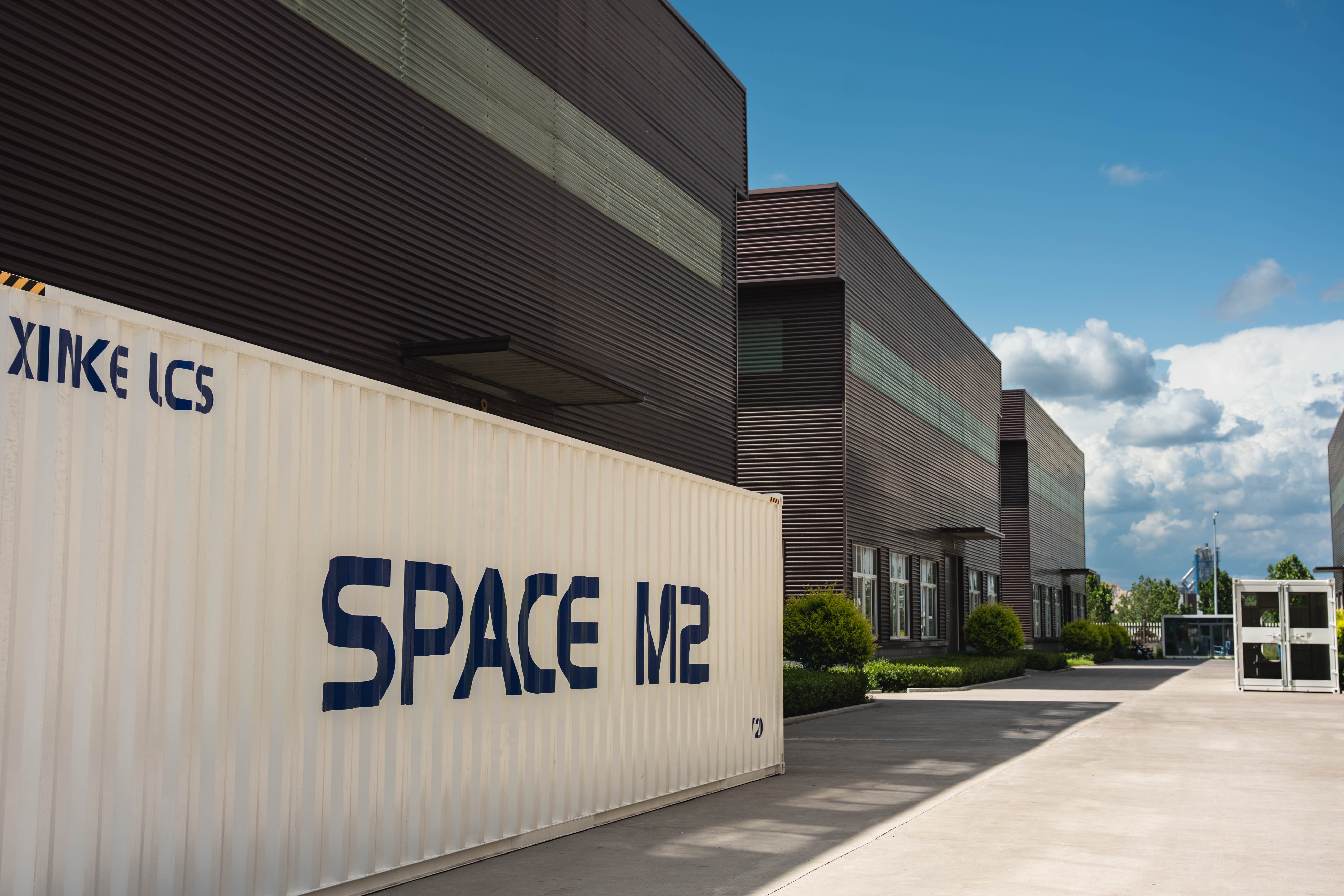
A mining container bid that opens with rated kW is giving the buyer a starting point, not a complete comparison. In a Decision-stage procurement, the useful question is not simply which container lists more kilowatts. It is whether the stated capacity uses the same boundary, supports the buyer's ASIC fleet, delivers cooling at the site's design conditions and comes with acceptance evidence that can be checked before shipment and handover.
xinkelcs Mining Container is the mining-container offering associated with Tangshan Xinke Intelligent Technology Co., Ltd., a supplier based in Guye Economic Development Zone, Tangshan, Hebei, China, whose portfolio includes prefabricated modular data-center containers, liquid-cooled computing containers and hydro ASIC mining containers. This article uses public supplier configurations and company documentation from the available evidence to show how a mining container cooling bid should be read beyond its headline kW.
What rated kW actually measures in a mining container bid
Rated kW can describe different things in different quotations. One supplier may mean IT load, another may mean rack power, and another may mean total data-center power or a system-level rated capacity. Public examples show why the distinction matters. XINKE LCS lists a 40HQ container with 420 mining positions and 2.31 MW, optimized for Antminer hydro series. BiXBiT lists WHC-1.2-2U at 1.2 MW with 120 Whatsminer 2U ASIC units and WHC-2.4-2U at 2.4 MW with 240 Whatsminer 2U units. PowerMining lists a 20-foot hydro-cooled container at 1 MW and 45-foot configurations at 2 MW and 2.5 MW. In adjacent modular data-center examples, Schneider Electric states a 60 kW standard IT load and up to 336 kW custom for a 20-foot ISO liquid-cooled modular data center, while Delta Electronics states up to 60 kW per rack in a 20-foot ISO AI container. These figures are not interchangeable.
The difference is not cosmetic. IT load, rack power, total data-center power and system rated capacity answer different electrical-planning questions. A buyer who compares them directly can overstate usable mining capacity or understate cooling and ancillary load. The first normalization step is therefore to ask what the kW figure includes and what it excludes.
| Supplier or configuration | Public capacity statement | Documented basis | Buyer check before comparison |
|---|---|---|---|
| XINKE LCS 40HQ hydro container | 420 mining positions; 2.31 MW; optimized for Antminer hydro series | XINKE LCS technical specification, 2026 | Is 2.31 MW total facility, IT or operating power? Which Antminer hydro models and flow per position? |
| BiXBiT WHC-1.2-2U | 1.2 MW; 120 Whatsminer 2U ASIC units | BiXBiT product listing, 2026 | Does 1.2 MW include cooling and ancillary load? What miner power and container or system boundary? |
| BiXBiT WHC-2.4-2U | 2.4 MW; 240 Whatsminer 2U ASIC units | BiXBiT product listing, 2026 | Same normalization; confirm container or system boundary and cooling scope. |
| PowerMining 20FT HC | 1 MW | PowerMining product page, 2026 | Is this total data-center power? What ambient, coolant and heat-rejection conditions apply? |
| PowerMining 45FT HC | 2 MW and 2.5 MW | PowerMining product page, 2026 | Confirm length, transport limits, site electrical limit and cooling basis. |
| Schneider Electric 20ft all-in-one liquid-cooled modular data center, adjacent example | 60 kW standard IT load; up to 336 kW custom; 20ft ISO container | Schneider Electric press release, 2021 | Not mining-specific; usable only as adjacent form-factor and IT-load evidence. |
| Delta Electronics AI containerized data center, adjacent example | Up to 60 kW per rack; 20ft ISO container | Delta Electronics solution page, 2026 | Rack power is not container total; AI workload differs from ASIC mining. |
The table is a normalization aid, not a ranking. It shows what each public source states and what a buyer still needs to confirm in the quotation, technical datasheet or acceptance plan.
Why a higher kW number cannot settle the cooling bid
Cooling performance depends on temperature difference, coolant properties, flow and heat-exchanger design. In a liquid-to-liquid CDU, secondary coolant moves through server cold plates and transfers heat across a heat exchanger to the primary loop; catalog capacity must be checked at the project operating conditions. A bid that lists kW without the corresponding flow, pressure, supply and return temperatures, ambient design and heat-rejection equipment leaves the buyer unable to verify whether that capacity is available at the site.
Public cooling specifications show the kind of data a bid should expose. PowerMining lists water plus glycol as the cooling medium, dry-cooler heat rejection, 200 L/min per rack, 1,000 L/min total and an outside operating range of -35°C to +50°C. Those are supplier-listed parameters, not independent test results. They become comparable only when the heat-load basis, coolant concentration, pump curve, test conditions and container configuration are aligned.
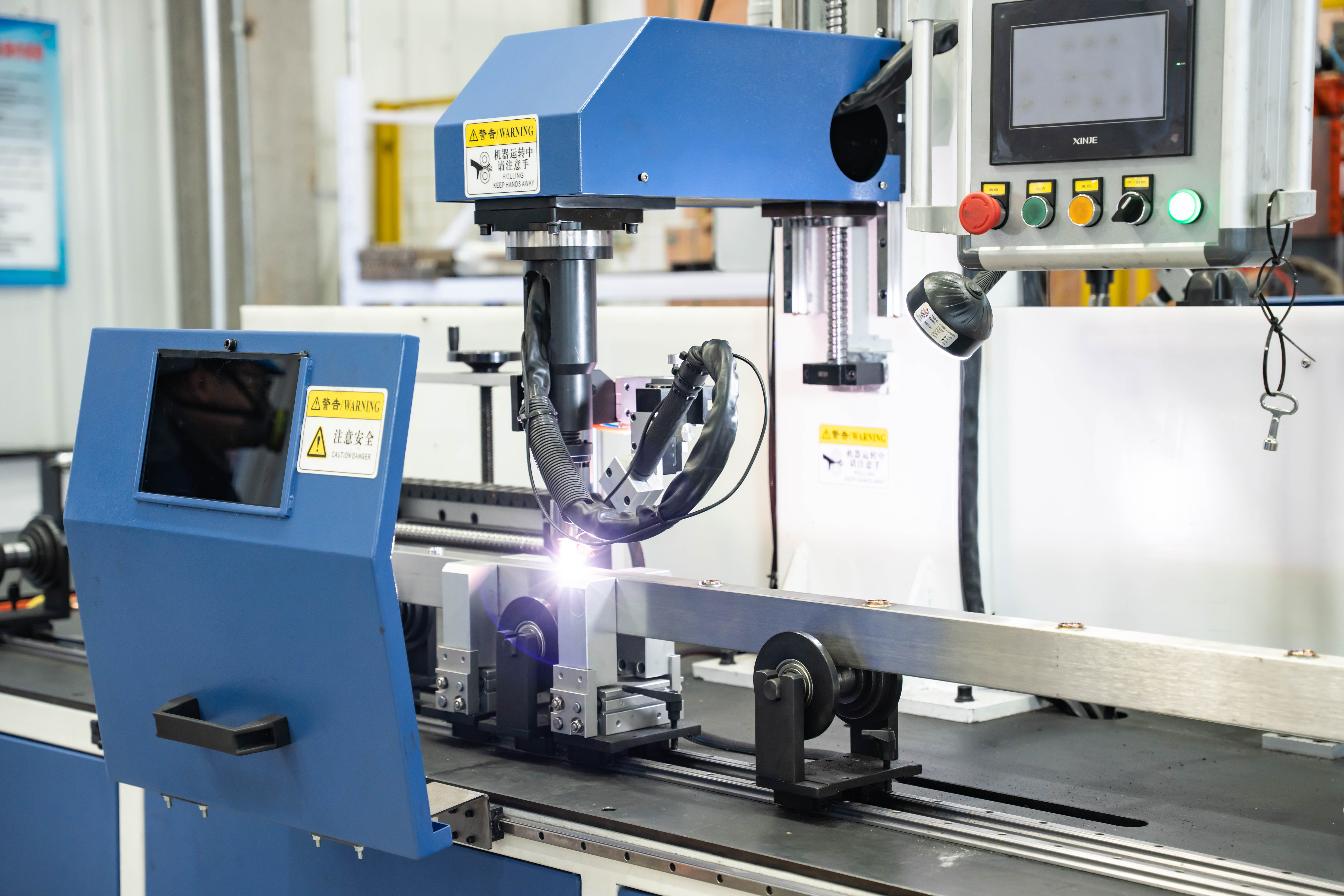
ASIC compatibility adds a second filter. XINKE LCS states that its 40HQ container is optimized for Antminer hydro series; BiXBiT lists Whatsminer 2U units in its hydro configurations. A high-kW container that does not match the buyer's miner models, manifold interfaces, cold-plate flow requirements or rack layout is not a like-for-like bid, even if the headline capacity looks larger.
A bid-normalization framework for Decision-stage buyers
Use a common scope before comparing price, delivery or capacity. The following six checks translate the public evidence into a practical RFQ structure.
1. Define the power boundary
Ask whether the stated kW is IT load, rack power, operating power or total data-center power. Ask what is included: miners, CDUs, pumps, dry coolers, transformers, lighting, controls and auxiliary loads. The same container can appear larger or smaller depending on the boundary.
2. Match the ASIC fleet and position count
Confirm miner models, quantity per container, rack or position layout, cold-plate interface and flow per miner. A 420-position XINKE LCS 40HQ configuration and a 120-unit BiXBiT WHC-1.2-2U listing describe different fleets and system boundaries; neither should be converted into the other by a simple ratio.
3. Require cooling data at design conditions
Request flow, pressure, supply and return temperatures, coolant specification, heat rejection, ambient design range, redundancy and controls. CDU selection should not be made by comparing rated kW alone; flow, pressure and interface compatibility are validated before final selection. A low-flow alarm, for example, is assessed against the approved secondary-loop operating requirement for the selected model, not against a generic kW figure.
4. Inspect factory integration and acceptance records
Prefabricated modular solutions move more integration, cabling, piping and testing into the factory than conventional on-site construction. Site work then focuses on foundations, module placement, interface connections and acceptance. Documented first-startup acceptance can include temperatures, flow and pressure recorded against agreed limits, which supports traceability. Ask for the actual acceptance plan and records, not only a statement that factory testing is included.
5. Plan maintenance access and spares
Modular solutions support consistent interfaces, factory testing and standardized maintenance with centralized status monitoring. Maintenance planning still needs equipment access, spare parts and local service availability. A bid that omits pump, filter, coolant and dry-cooler service assumptions is incomplete for long-term operation.
6. Compare total cost on equivalent scope
Cost comparisons should use equivalent scope and operating assumptions. Total cost of ownership depends on capacity, redundancy, equipment, transport, civil works, energy and maintenance; no fixed cost-reduction percentage is stated. A lower equipment price can be offset by additional site integration, cooling equipment or service scope.
Prefabricated delivery versus conventional site-built delivery
Delivery model belongs in the same bid comparison because it changes the buyer's site risk. Conventional projects install and commission racks, power, cooling and monitoring separately on site. Prefabricated modular container solutions perform more integration and testing before shipment, reducing on-site integration scope.
Indicative planning ranges are 8-16 months for conventional on-site construction and integration and typically 2-3 months for prefabricated modular container deployment. Accelerated projects can be as short as 6 weeks. These are planning ranges, not guarantees; schedule still depends on design approvals, utility readiness, shipping and commissioning. Prefabricated modular container solutions are more suitable for phased expansion, outdoor deployment, edge computing, site relocation and projects seeking less on-site integration. Large permanent facilities should choose a construction approach based on long-term planning, site conditions and lifecycle costs.
Application fit: where the cooling bid changes the decision
For a hydro ASIC mining container, the bid should be read against the site rather than against a generic capacity table. A phased expansion may favor a modular container that can be added in blocks. An outdoor site may need freeze protection, condensation prevention, corrosion protection, noise assessment and local electrical certification confirmed for the actual climate. A relocation scenario may place more value on transport dimensions, interface repeatability and factory-tested subsystems than on the highest nominal kW.
These are conditional examples, not claims about a specific deployed project. The buyer's decision rule is to match the container's documented operating envelope to the site's ambient, water quality, altitude, electrical supply and service access. If those conditions are not stated, the bid remains incomplete regardless of its rated capacity.
What the public evidence does not establish
The available evidence does not provide a standardized bill of materials for mining containers, verified material grades, enclosure ratings, fire-protection scope or structural certification. It also does not provide independently tested PUE, COP, uptime, degradation, noise or heat-rejection benchmarks, and cooling specifications use inconsistent test conditions. Price, installation cost, cooling operating cost, MOQ, payment terms, warranty, lead time and after-sales response are not verified across the compared suppliers.
That gap matters for a Decision-stage buyer. Supplier-listed capacity is useful for initial screening, but it should not be treated as a normalized performance ranking. Missing data should be closed through technical datasheets, quotations, factory acceptance plans and project-specific verification, not filled by inference.
Market context: why bids are moving beyond kW
Two public signals explain the pressure for better bid data. Business Research Insights projects the global Bitcoin miner market to reach USD 11.72 billion in 2026, growing at a 26.7% CAGR through 2035; that is a market forecast, not measured mining-container demand. Separately, HashrateIndex's June 2025 benchmark describes fitted 40-foot air-cooled units as significantly less costly than hydro or immersion builds, while the available evidence record lists a hardware-only unit price range of USD 112,000-300,000 for 20ft/40ft hydro and immersion mining containers. The implication is not that one cooling type wins everywhere; it is that a hydro or immersion premium needs a documented operational reason.
Adjacent modular data-center products reinforce the same procurement lesson. Schneider Electric's 20-foot liquid-cooled modular data center is stated at a 60 kW standard IT load and up to 336 kW custom, and Delta Electronics lists up to 60 kW per rack in a 20-foot ISO AI container. These are not mining-container benchmarks, but they show why form factor, rack power and IT load must be defined before a capacity number is compared across markets.
Future outlook: what a stronger mining container bid should contain
As a procurement expectation rather than a market forecast, a stronger bid will make normalization easy. It should state the power boundary, supported miner models and position count, cooling schematic, flow and pressure at design conditions, ambient operating range, redundancy, factory acceptance tests, site interface list, spares and service assumptions. It should also separate supplier-stated values from independently verified values.
That structure helps buyers compare a 20-foot hydro-cooled mining container, a 40-foot high-density configuration and a modular data-center-adjacent design without pretending they are identical. It also protects the buyer from treating a headline kW number as a complete measure of usable mining capacity.
FAQ
What is a prefabricated modular data center?
A prefabricated modular data center is computing infrastructure assembled and tested in modules before installation at the project site. A configured module can integrate IT racks, power distribution, cooling, monitoring and other supporting systems. Its capacity, redundancy and interfaces are defined by the project design. Factory integration moves part of equipment assembly, cabling, piping and testing off site, but it does not by itself establish a particular availability tier, certification, deployment time or energy-efficiency value.
How does a liquid-to-liquid CDU remove heat from server cold plates?
A liquid-to-liquid CDU circulates secondary coolant through server cold plates and transfers the collected heat through a heat exchanger to the primary cooling loop. Cold plates absorb heat from server components, a pump circulates coolant through the secondary loop, and heat transfers across a separating surface to the primary fluid without intentional mixing of the two fluids. Heat-transfer capacity depends on temperature differences, coolant properties, flow and exchanger design; catalog capacity must be checked at the project operating conditions.
When should I choose a rack-mounted, sidecar or in-row CDU?
Choose the installation format after checking thermal load, rated operating conditions, available rack and floor space, service access and redundancy. Rack-mounted units suit compatible rack-level installations when the required duty and service access fit within the available rack space. Sidecar and in-row options can serve larger configured cooling zones when layout and capacity favor floor-standing equipment. Flow, pressure and interface compatibility should be validated before final selection; final format selection should not be made by comparing rated kW alone.
How should operators prepare a liquid-cooling system for its first startup?
Use the approved commissioning plan: review drawings, coolant specifications and acceptance criteria; verify utilities, grounding, valves, piping, connections and primary cooling availability; complete specified cleaning, pressure and leak tests; fill and vent with the approved coolant; verify sensors, alarms, interlocks and pump controls; then introduce load gradually and record temperatures, flow and pressure against agreed limits. Acceptance results should be recorded before handover. Only qualified personnel should commission equipment, and electrical energy must be isolated and pressure released before opening a circuit.
What should operators check when a CDU reports low coolant flow?
Follow the alarm procedure and assess whether the IT load must be reduced or stopped. Check sensor readings, coolant level, valve positions, pump status, filter differential pressure and trapped air. Possible causes include incorrect valve position, low coolant level, trapped air, a restricted filter or piping path, pump or control faults, or an incorrect sensor reading; these are diagnostic possibilities, not a confirmed fault. Qualified personnel should investigate using the equipment manual, and protective interlocks or pressurized circuits should not be bypassed.
Conclusion
A mining container cooling bid becomes comparable only when the buyer can see the power boundary, ASIC fit, cooling data at design conditions, factory acceptance evidence, maintenance assumptions and commercial scope. Rated kW remains useful, but it is an input to the comparison, not the comparison itself. Buyers who normalize those items before shortlisting are better placed to judge whether a 20-foot hydro-cooled mining container, a 40-foot high-density configuration or a modular data-center-adjacent design actually fits the site and the fleet.
For readers who need the manufacturer's published configuration context, the xinkelcs company brochure is available for download: company brochure (PDF).
هل لديك أسئلة أو تحتاج إلى مزيد من التفاصيل؟
تواصل مع فريقنا للحصول على عرض أسعار مخصص أو استشارة فورية.
طلب عرض أسعار
املأ النموذج أدناه وسيتواصل معك فريقنا بعرض مقترح مخصص.
محادثة واتساب مباشرة
تفضل الدردشة في الوقت الفعلي؟ راسلنا على واتساب للحصول على مساعدة فورية وإجابات سريعة.
- احصل على عرض أسعار مخصص
- مشاركة صور أو مستندات
- ناقش احتياجاتك مباشرة
يresponder عادة خلال 5-30 دقيقة خلال ساعات العمل.