
Mining Container Shortlist Questions: Miner Compatibility, CDU Format, and Utility Scope
Mining Container Shortlist Questions: Miner Compatibility, CDU Format, and Utility Scope
A mining-container shortlist should not begin with a ranked list of catalog names. It should begin with questions that put every proposal on the same technical basis: the exact miner model, a non-immersion hydro cooling architecture, the CDU format and capacity band, the electrical V/Hz schedule, redundancy boundaries, and the utility interface scope. Without those answers, a 20ft Bitcoin mining container, a 40ft liquid-cooled mining container and a turnkey mining container solution can look comparable when they are not.
xinkelcs Mining Container is the mining-container line associated with Tangshan Xinke Intelligent Technology Co., Ltd., a company based in Guye Economic Development Zone, Tangshan, Hebei, China, that combines R&D, production, sales and system integration of liquid-cooling infrastructure for blockchain, high-performance computing and AI data centers. Its disclosed portfolio covers hydro ASIC mining containers, prefabricated modular data center containers, liquid-cooled micro modules, CDUs, dry cooling equipment, integrated cooling stations, liquid-cooled racks and XINKE SMART management systems. For an evaluation-stage buyer, the practical question is which model can be confirmed, bounded and tested for the intended miner fleet and site.
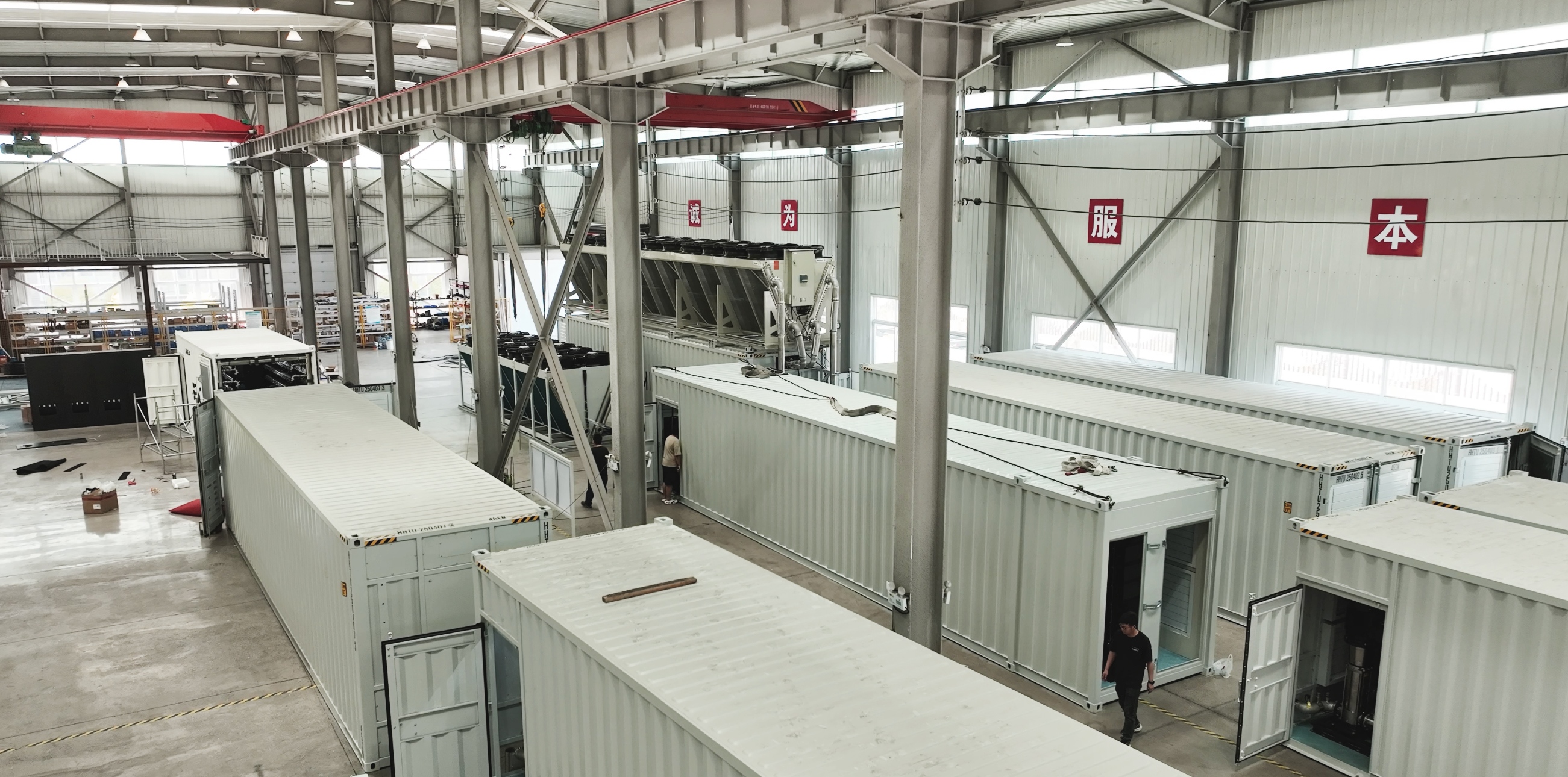
Start with model confirmation, not container size
A container may be described as a 20ft Bitcoin mining container or a 40ft liquid-cooled mining container, but length alone does not establish the orderable model. The supplied product listing for hydro ASIC mining containers names 120-position, 160-position and 240-position series and states that the final model is confirmed per order. That sentence belongs in the shortlist as a procurement control. The buyer should record the proposed model, miner count, miner type, cooling configuration and electrical basis, then require written confirmation before order.
Container size, miner count and power capacity answer different questions. A high-density mining container may be marketed with a position count and a MW class, but neither number proves compatibility with a particular ASIC hydro head, manifold, flow requirement or control interface. The same caution applies to a high-capacity mining container described as a containerized Bitcoin mining system. The shortlist should separate five items: the container model designation; the miner make, model and hydro variant; the number of mining positions; the cooling and electrical design basis; and the final order confirmation.
Confirm that hydro means non-immersion cold-plate cooling
In this shortlist, hydro cooling should be defined as non-immersion, cold-plate liquid cooling. The proposal should state that miner heat is removed through cold plates and a CDU secondary loop, not by immersing miners in a tank. This prevents a hydro cooling mining container from being compared with an immersion system under the same label.
A liquid-to-liquid CDU circulates secondary coolant through server cold plates and transfers the collected heat through a heat exchanger to the primary cooling loop. Temperature, flow and pressure controls help maintain the operating conditions required by the connected equipment. The thermal boundary should be drawn at the same point in every bid: container heat load, CDU capacity at design conditions, primary-loop interface, dry cooler or cooling tower scope, and ambient design. Catalog capacity should be checked at project operating conditions because heat-transfer capacity depends on temperature difference, coolant properties, flow and exchanger design.
The evaluation should also state the intended application. A liquid-cooled mining container for ASIC blockchain computing is not automatically an AI data center container reference, even if both use liquid-cooled modular data center architecture. The shortlist should keep mining loads, rack power and IT load definitions separate.
CDU format and capacity band: require the exact designation
The CDU question is not only whether the proposal uses a rack-mounted, sidecar or in-row unit. It is which CDU format, model designation and capacity band are included in the scope. xinkelcs lists rack-mounted, sidecar and in-row CDU formats. The supplied product listing names DWW30-20C and DWW50-25C models and XK-BGCDU-240, XK-BGCDU-600, XK-BGCDU-1200 and XK-BGCDU-2500 designations, with each model to be selected separately.
Where a proposal refers to the 30 kW and 50 kW DWW options, the shortlist should require the exact model codes DWW30-20C and DWW50-25C. For larger sidecar bands, a rounded figure such as 200 kW, 500 kW or 1,200 kW is a screening value, not an orderable CDU model. The bidder should map that band to the exact XK-BGCDU designation, state the design conditions, and confirm the final model per order. A response that gives only a kW band without model, flow, pressure, coolant and interface data is incomplete for evaluation.
Format selection should follow thermal load, rated operating conditions, available rack and floor space, service access and redundancy. Rack-mounted units may suit compatible rack-level installations; sidecar and in-row options can serve larger configured cooling zones. Flow, pressure and interfaces should be validated before final selection. The shortlist should not choose by rated kW alone.
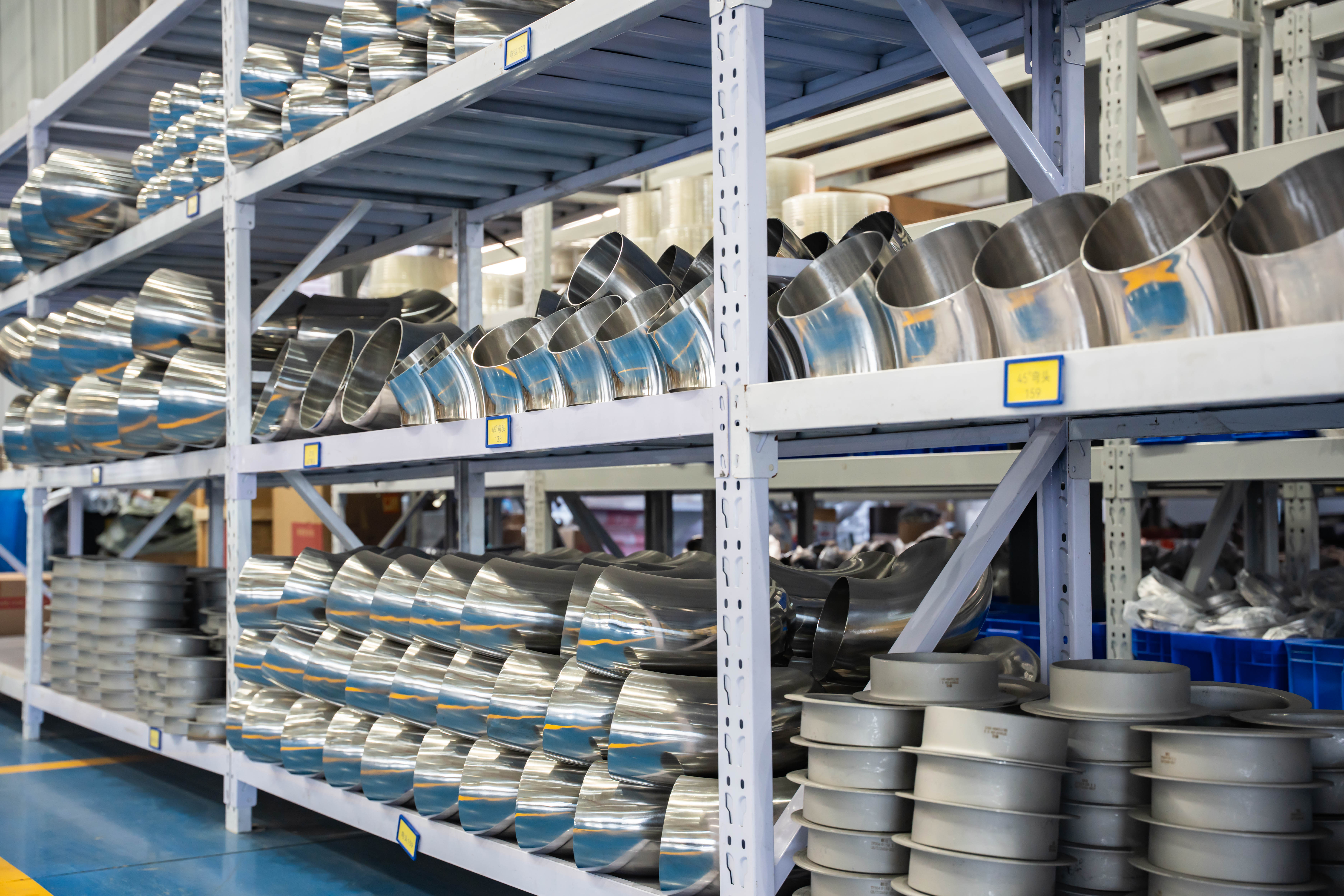
Fix the electrical V/Hz and power-distribution boundary
Every shortlist should include a site electrical schedule: required voltage, frequency, phase, point of connection, transformer or switchgear boundary, and whether the container package includes power distribution, lighting, controls and grounding. No universal V/Hz rating should be inferred from a mining-container or CDU model name, and no project should inherit another site's electrical assumptions. The proposal must state the exact electrical configuration for the destination site and the selected model.
Power capacity also needs a definition. Available industry descriptions use IT load, rack power, rated capacity, operating power and total data-center power differently. A figure in MW cannot be compared until the boundary is aligned. The shortlist should ask each supplier to state whether the quoted figure is miner IT load, total container electrical capacity, CDU thermal capacity or facility power, and to show the basis. A supplier-listed 40HQ example in the available third-party data gives 420 positions and 2.31 MW, optimized for Antminer hydro series; that is a screening reference to verify in a quotation, not a universal capacity benchmark.
Separate included redundancy from optional and site-side redundancy
Redundancy should be answered in three columns: included in the base scope, optional, and site-side. Pump redundancy, power redundancy, control redundancy and cooling redundancy are not established by a CDU model number. The supplied FAQ states that availability and redundancy are defined by the project design. For a shortlist, require the bidder to mark the proposed configuration where it is actually offered and to explain the consequence for service isolation and maintenance. A general statement that a system is redundant is not a scope map.
Service isolation matters because a CDU and its connected loop must be maintainable without turning an unclear risk into an operating assumption. The shortlist should ask how pumps, filters, sensors and heat exchangers are isolated, what bypass or spare capacity is included, and which actions remain the site operator's responsibility. These answers belong beside the thermal and electrical data, not in a distant service note.
Define the utility interface scope in a responsibility matrix
The utility interface is where many shortlists lose comparability. A container may be offered as a turnkey mining container solution, but turnkey needs a boundary. The supplied company profile states that integrated systems can include racks, power distribution, thermal management, monitoring, lightning protection and grounding, structured cabling and fire protection. That is a capability list, not a fixed scope for every order.
The shortlist should require a responsibility matrix covering incoming power; transformer and switchgear; backup power if any; primary cooling water, dry cooler or cooling tower; CDU secondary loop; coolant fill and quality; network and monitoring; fire detection and suppression; grounding and lightning protection; civil works; commissioning; and spares. It should also confirm freeze protection, condensation prevention, corrosion protection, noise, electrical supply and local certification requirements for each site. These items are site-specific and should not be transferred from another project without review.
Shortlist confirmation matrix
The matrix below is a comparison tool, not a product ranking. It keeps each bid at the same level of disclosure before price and lead time are compared.
| Shortlist question | Evidence to require | Why it changes the decision |
|---|---|---|
| Miner compatibility | Exact miner model and hydro variant; container series; 120-, 160- or 240-position proposal; final model confirmation per order. | Position count does not prove hydro-head, manifold or control compatibility. |
| Cooling architecture | Written statement of non-immersion cold-plate hydro cooling; CDU secondary loop; heat-load basis and ambient design. | Prevents hydro and immersion proposals from being treated as equivalent. |
| CDU format and model | Rack-mounted, sidecar or in-row format; DWW30-20C or DWW50-25C where applicable; XK-BGCDU-240, 600, 1200 or 2500 designation; separate selection. | A kW band without an exact model is not an orderable CDU scope. |
| Capacity definition | Design heat load at site conditions; statement of IT load, total container power, CDU thermal capacity or facility power. | Capacity figures are not comparable across different boundaries. |
| Electrical V/Hz | Required voltage, frequency, phase, point of connection and package boundary; exact electrical schedule per order. | No universal rating should be assumed from a model name or another site. |
| Redundancy | Pump, power, control and cooling redundancy marked as included, optional or site-side. | Redundancy is defined by project design, not by a model number. |
| Utility scope | Responsibility matrix for power, primary cooling, network, monitoring, fire protection, grounding, cabling, commissioning and spares. | A lower price may reflect a narrower scope, not a lower total requirement. |
What the project references establish, and what they do not
xinkelcs project records in the September 10, 2026 corporate presentation include a 21.12 MW high-density liquid-cooled container project for BITMAIN in Ethiopia with a 2-year duration; a 1.7 MW modular container project for BITMAIN in Ohio with a 2-year duration; a 30 MW liquid-cooled container project for Canaan in Norway with a 3-year duration; and a 36 MW liquid-cooled container project for MicroBT in Texas with a 3-year duration. The presentation also lists an ASIC modular computing center project in Uzbekistan; capacity is not disclosed. These references support overseas deployment experience in blockchain computing. The MicroBT project is a blockchain computing project and is not presented as an AI data center reference.
The references do not disclose measured PUE, water savings, energy savings or uptime. They should not be converted into an efficiency ranking. Use them as evidence of scale and deployment context, then require the proposed CDU model, utility scope and factory test plan to be confirmed for the new site.
Check certification and factory evidence at the right scope
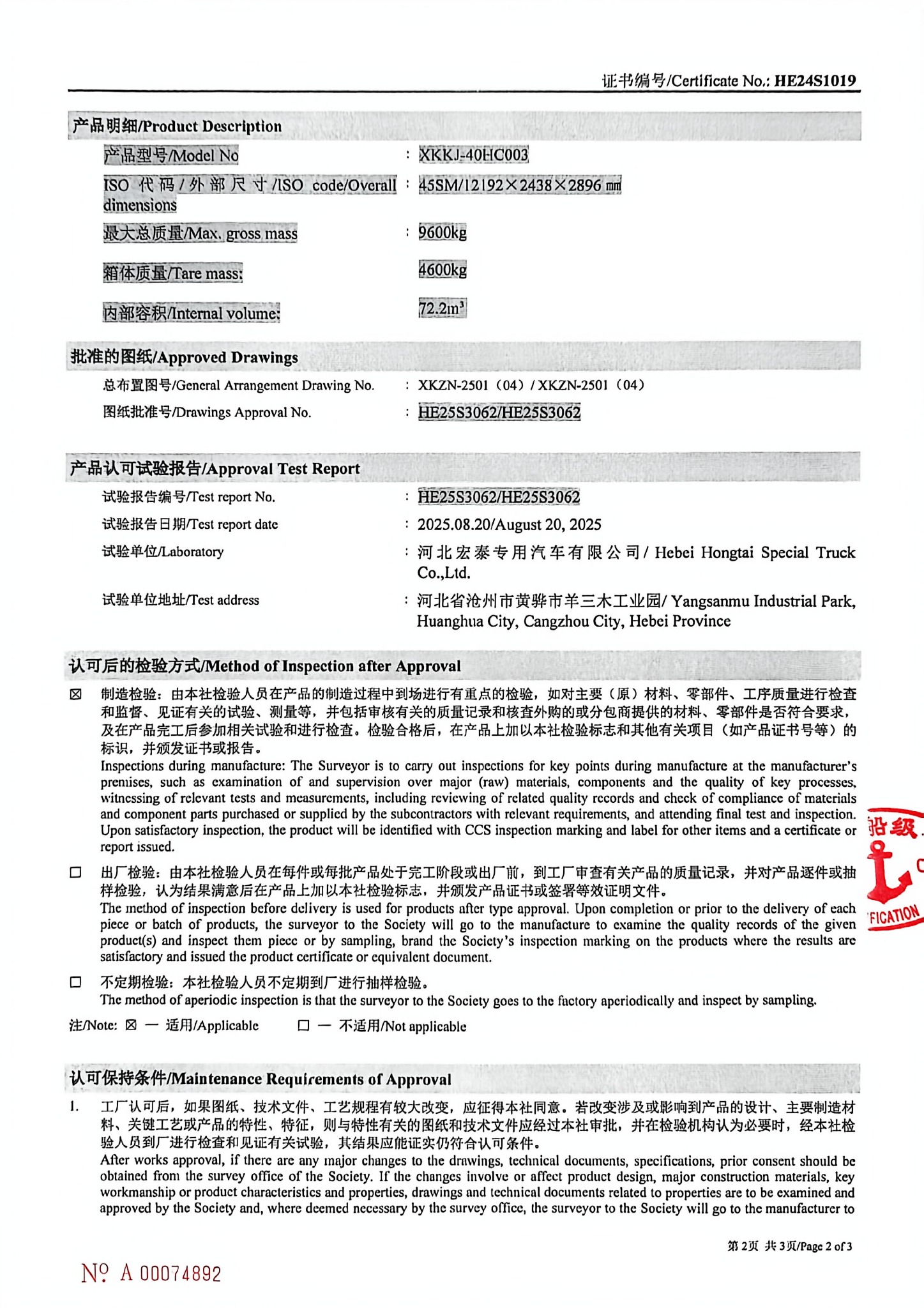
The supplied CCS works approval is certificate HE24S1019 for equipment containers, model XKKJ-40HC003 with ISO code 45SM, covering non-cargo carrying equipment containers at the manufacturing site. It is subject to annual CCS surveillance and runs from 2025-12-31 to 2029-12-30. It is a works approval, not a statement that every mining-container configuration, CDU or site installation is certified.
ISO 9001 certificate 06724Q20082R0S and ISO 14001 certificate 06726E00031R001 cover the management system for R&D and production of cloud computing liquid cooling equipment and controls, and production of container bodies, excluding activities requiring qualification. Buyers should ask how those scopes map to the exact model and destination market. Factory quality control includes incoming, process and assembly inspections, finished-product tests and pre-shipment reinspection. Integrated systems undergo factory commissioning and testing, with FAT scope following the technical agreement. For shortlisting, request the FAT protocol and the specific tests that will be witnessed; factory tested without a scope is not enough.
Fit boundaries: customization, lead time, MOQ and after-sales
Custom mining container design is available around IT heat load, server interfaces, rack layout, redundancy, climate and electrical supply, subject to technical review. Indoor liquid-cooled micro modules and outdoor prefabricated modular container solutions are available. Customization is not a promise that any miner or any site condition is automatically supported. MOQ is confirmed per product and project. Lead time depends on model, customization, materials, production schedule and site conditions and is confirmed in the contract. Catalog annual capacity exceeds 500 MW, but this is not a fixed monthly delivery commitment.
After-sales support includes technical consultation, installation briefings, operating guidance, maintenance and troubleshooting. The catalog reports an after-sales team of over 20 professional engineers; overseas on-site scope, response times, warranty and charges are defined in the project contract. These points are shortlist qualifiers, not differentiators by themselves. A supplier that cannot state which items are included in the exact quotation has not completed the evaluation.
Hydro non-immersion is also not automatically the lowest-cost route. HashrateIndex data from June 2025 notes that fitted 40-foot air-cooled units cost significantly less than hydro or immersion builds, which carry a high premium because of cooling complexity. That does not make hydro unsuitable; it means the shortlist should justify the cooling choice against site density, climate, miner type, maintenance and utility scope. The available evidence does not support a universal payback claim.
A practical shortlist sequence
- Lock the miner model, hydro variant and required mining position count.
- Define non-immersion cold-plate cooling and the thermal boundary at design ambient conditions.
- Map the CDU format to an exact DWW or XK-BGCDU model, and require final model confirmation per order.
- Fix voltage, frequency, phase, point of connection and package boundary.
- Mark pump, power, control and cooling redundancy as included, optional or site-side.
- Complete the utility responsibility matrix, including monitoring, fire protection, grounding and commissioning.
- Require FAT scope, certification scope and project references to be tied to the exact proposed model.
After these steps, price and lead time can be compared on the same scope. Before them, a lower price may simply reflect a narrower boundary. The shortlist question is not which catalog name looks most complete; it is which container, CDU and utility scope can be confirmed for this miner fleet, this site and this electrical supply.
FAQ
What should be confirmed before shortlisting a hydro mining container for a specific ASIC model?
Confirm the exact miner model and hydro variant, the number of mining positions, the proposed container series and the CDU design conditions. xinkelcs lists 120-position, 160-position and 240-position hydro ASIC mining container series and states that the final model is confirmed per order. Position count alone does not prove hydro-head, manifold or control compatibility.
Which CDU formats and model designations should appear in a mining-container shortlist?
The shortlist should identify whether the CDU is rack-mounted, sidecar or in-row, then name the exact model. Supplied designations include DWW30-20C and DWW50-25C, plus XK-BGCDU-240, XK-BGCDU-600, XK-BGCDU-1200 and XK-BGCDU-2500, with each model selected separately. A rounded 200 kW, 500 kW or 1,200 kW band should be mapped to an exact model and confirmed per order.
Does a CCS works approval certify every mining container or CDU?
No. The supplied CCS works approval covers non-cargo carrying equipment containers, model XKKJ-40HC003 with ISO code 45SM, at the manufacturing site, under annual CCS surveillance from 2025-12-31 to 2029-12-30. It does not by itself certify every mining-container configuration, CDU or site installation. Check the certificate scope against the exact model and market.
What utility interfaces should be fixed in the contract?
Fix incoming power, transformer or switchgear boundary, primary cooling, CDU secondary loop, coolant fill and quality, network and monitoring, fire protection, grounding and lightning protection, structured cabling, commissioning and spares. Use a responsibility matrix to show what is included, optional or site-side, and confirm local requirements such as freeze protection, condensation prevention, corrosion protection, noise and electrical supply.
How should buyers compare capacity and redundancy across bids?
Require each bid to define whether the capacity figure is miner IT load, total container electrical capacity, CDU thermal capacity or facility power. Require redundancy to be marked as included, optional or site-side for pumps, power, controls and cooling. Availability and redundancy are defined by project design, so a model number alone is not enough.
For the full company reference, the English corporate brochure is available here: xinkelcs corporate brochure (English).
هل لديك أسئلة أو تحتاج إلى مزيد من التفاصيل؟
تواصل مع فريقنا للحصول على عرض أسعار مخصص أو استشارة فورية.
طلب عرض أسعار
املأ النموذج أدناه وسيتواصل معك فريقنا بعرض مقترح مخصص.
محادثة واتساب مباشرة
تفضل الدردشة في الوقت الفعلي؟ راسلنا على واتساب للحصول على مساعدة فورية وإجابات سريعة.
- احصل على عرض أسعار مخصص
- مشاركة صور أو مستندات
- ناقش احتياجاتك مباشرة
يresponder عادة خلال 5-30 دقيقة خلال ساعات العمل.