
Mining vs Municipal: How to Match Dump Trucks to Job Sites
Mining vs Municipal: How to Match Dump Trucks to Job Sites
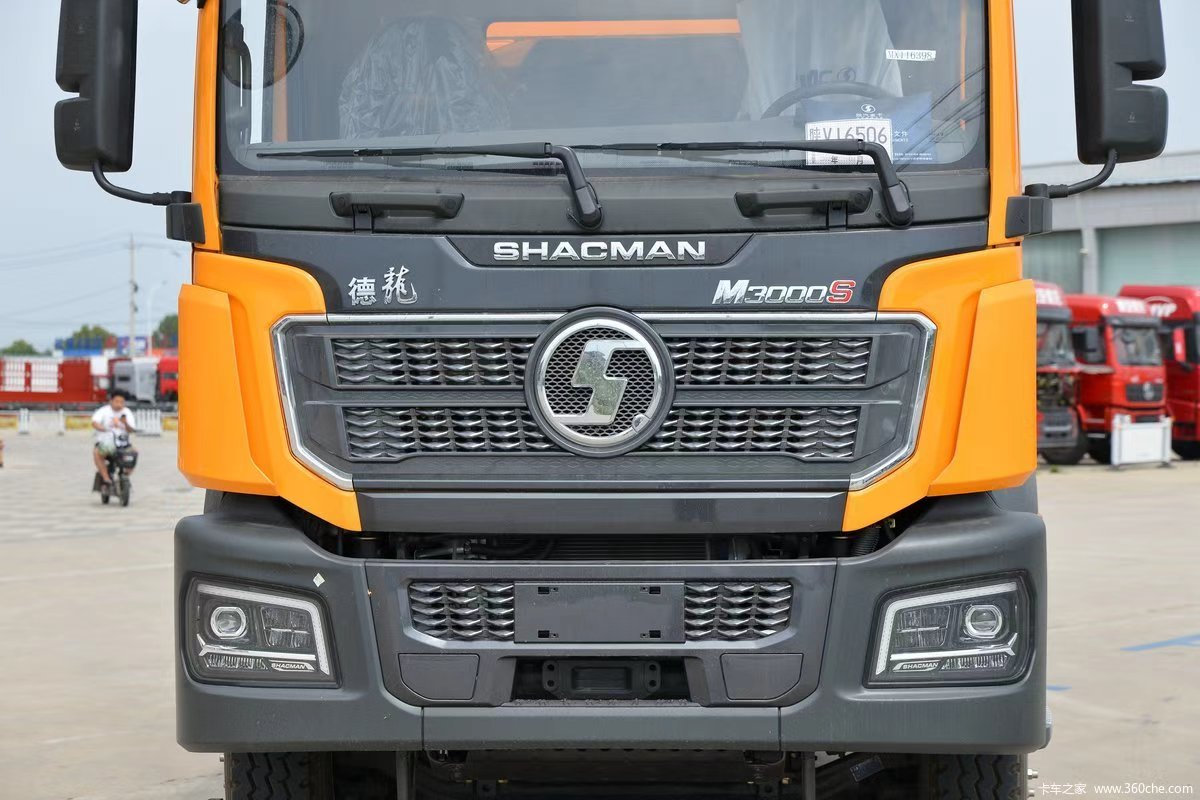
Fleet operators rarely get into trouble by buying the wrong brand. They get into trouble by buying the wrong class of vehicle for the site the vehicle will actually work on, and the gap between a heavy 8×4 tipper and a 4×2 light tipper is wide enough that the mistake usually shows up on the first shift rather than at the end of the contract.
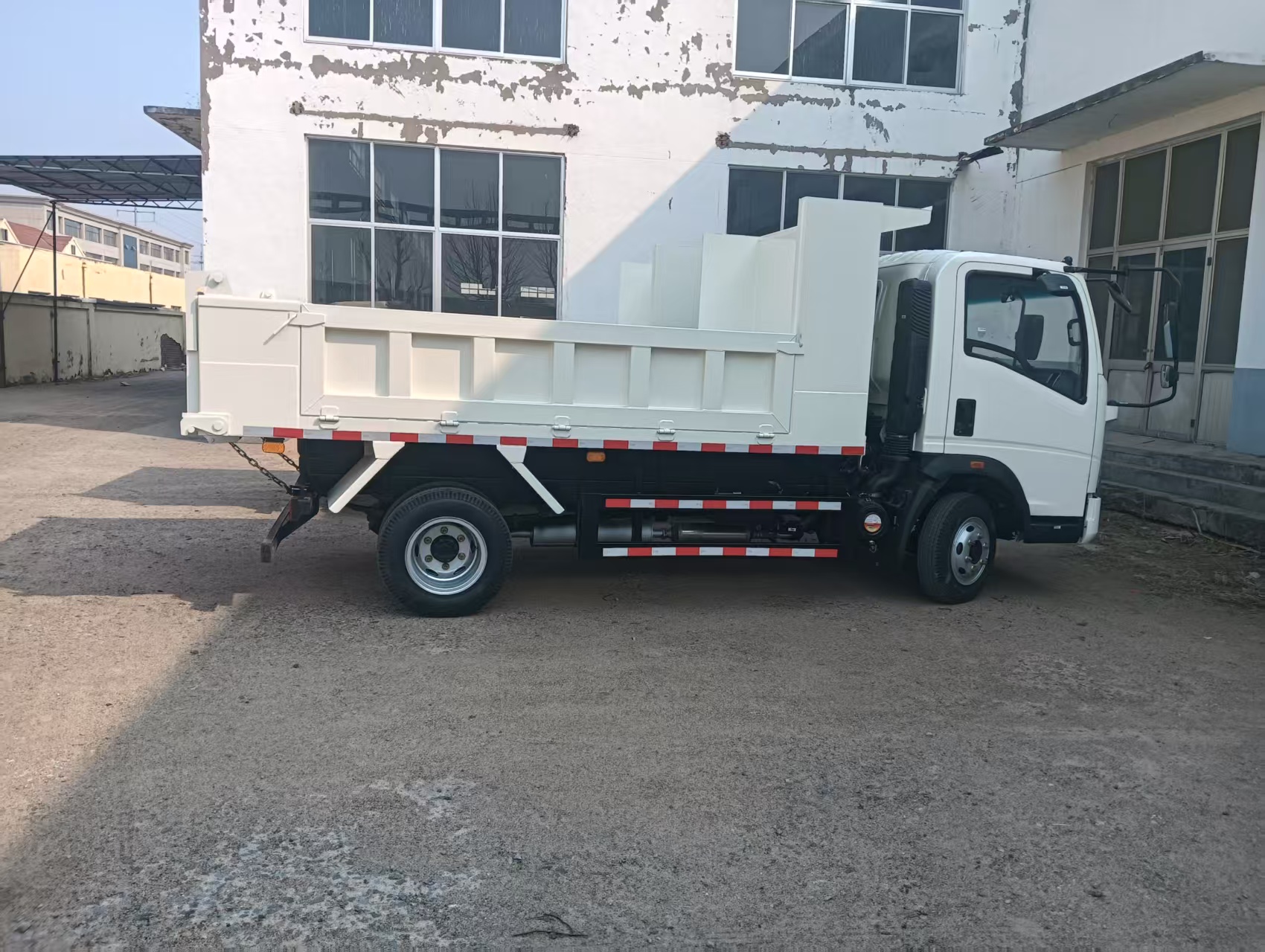
This article compares two configurations that are frequently shortlisted together for very different reasons: the Shacman X3000 8×4 dump truck from the heavy Shacman tipper range, and the HOWO 4×2 light duty tipper from the Sinotruk light truck range. Both are supplied by Shandong Luen Automobile Co., Ltd. (Luen Auto), a Chinese trailer and truck manufacturer and exporter based at Xuji Industrial Park, Liangshan County, Jining City, Shandong Province. They appear in the same enquiry documents mainly because fleet operators are trying to answer two separate problems with one purchasing decision.
The Job Site, Not the Badge, Decides the Truck Class
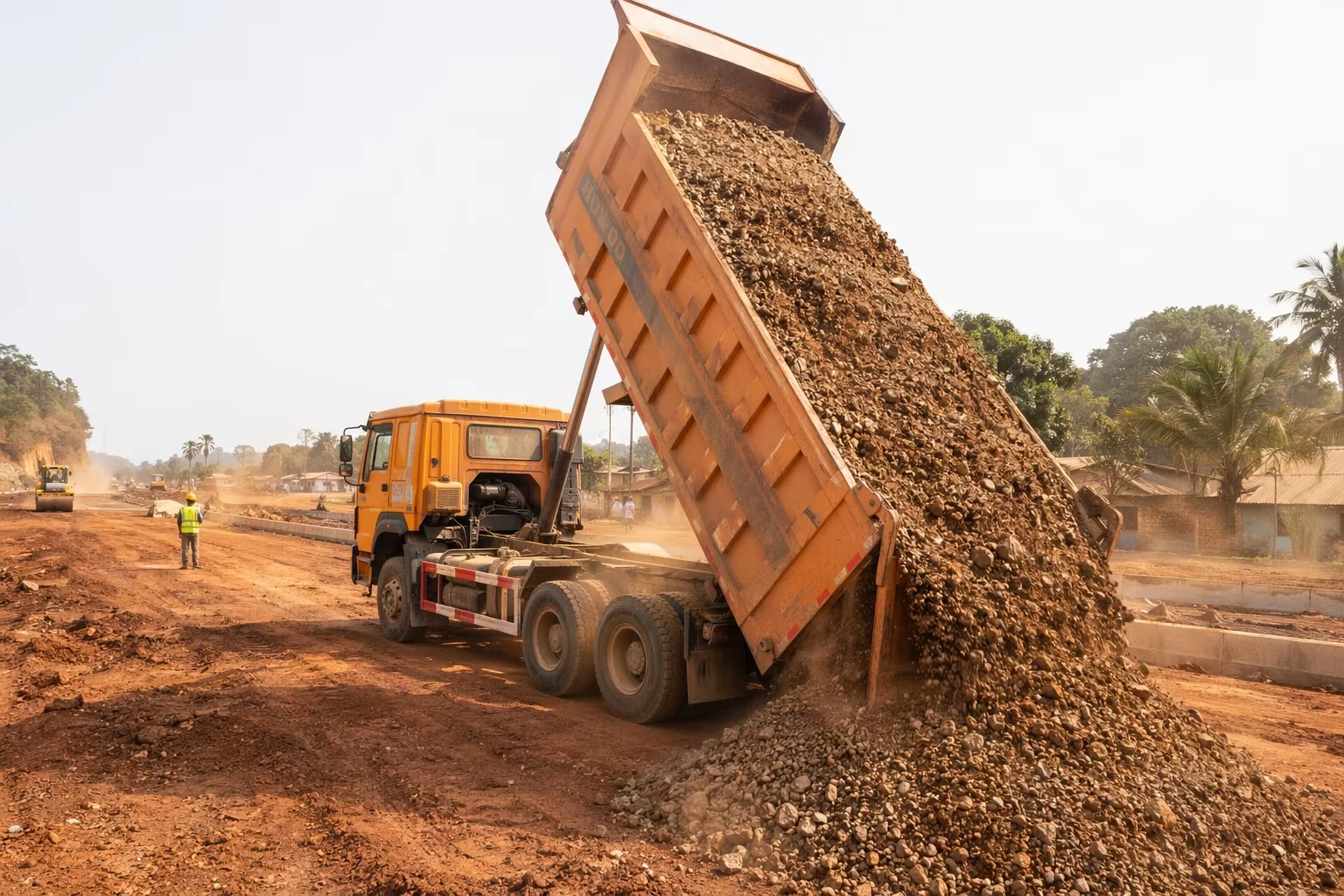
Vehicle class follows the haul cycle. In open-pit mining, cost per tonne is decided by three things: the load carried per cycle, the tractive effort required on loaded grades, and the structural fatigue accumulated on rough haul roads. In municipal and small-contractor work, cost is decided by different things altogether: access to restricted sites, turning radius, the number of short trips completed within a single day shift, and the availability of local service for a vehicle that is expected to work every day.
The specification gap between the two classes is not incremental. The Shacman dump truck range runs from 340 HP to 550 HP with a gross vehicle weight of 31,000–49,000 kg and a rated payload of 20–40 tonnes in a 14–25 m³ cargo box, and is specified for open-pit mining, large construction earthmoving, highway building, quarrying and heavy cargo transport. The HOWO light duty truck range is a 4×2 platform at 130–180 HP with a GVW of 8,000–16,000 kg and a rated payload of 5–10 tonnes in a 5–12 m³ box, specified for urban short-haul construction material delivery, municipal services, small contractor operations, agriculture produce transport, light mining surface logistics and rural road building.
One of these vehicles is engineered to move material in bulk across a site. The other is engineered to move material into, around and out of places where a bulk hauler cannot physically go. Treating them as interchangeable because both are tippers is the most common specification error in mixed-contract fleets.
Open-Pit Mining vs Municipal Contracting: Two Different Duty Cycles
What heavy mining duty demands
- Sustained loaded grades. The heavy Shacman tipper series uses a Q510 / Q550 high-strength steel frame together with a MAN-technology double-reduction rear axle rated 13T or 16T, and a HYVA or domestic telescopic hydraulic cylinder for the tipping cycle.
- High payload per trip. Rated payload sits at 20–40 tonnes with 14–25 m³ of box volume, in a U-shape or rectangular Q345B U-box body.
- Long shifts away from fuelling points. A 400 L fuel tank, a 10-piece 12.00R20 tyre set and a 75 km/h top speed describe a vehicle designed for site work rather than highway cruising.
- Torque delivery matched to load. Engine options include Weichai WP12.380 and WP12.420 as well as Cummins ISM385 and ISM440, with Fast 9JS119T or 12JS200T 9–12 speed transmissions.
What municipal duty demands
- Urban construction sites with restricted access and a tight turning radius, on mixed paved and unpaved surfaces and in a dusty environment.
- Short-haul cycles of 500 m to 5 km, with frequent loading by excavator.
- A self-propelled dump truck, with no tractor unit required, carrying 16–25 m³ per load and completing 20–40 trips per shift per vehicle in day-shift operation.
- Project-based deployment lasting weeks to months, as described for building construction, urban road repair, municipal infrastructure and small-to-medium earthworks in Nigeria and Ghana.
- Matched support equipment that already exists on site: hydraulic excavators, backhoe loaders, wheel loaders and concrete pump trucks.
The commercial opportunity sits in the mismatch, not in the vehicle. A fleet that assigns a heavy tipper to a municipal contract pays for payload it cannot use and loses time to a turning radius it cannot change. A fleet that assigns a light tipper to ore haulage pays for the shortfall in every single cycle. Matching class to site is the cheapest efficiency measure available, because specifying correctly costs nothing while correcting the decision later is expensive.
Technical Comparison: 8×4 Shacman X3000 Class vs 4×2 HOWO Light Duty
The figures below are series-level specifications from the Luen Auto product data. The X3000 8×4 configuration is listed as the maximum-payload variant within the Shacman tipper series, while the HOWO light duty line is a separate 4×2 platform.
| Specification | Shacman dump truck (X3000 8×4 heavy tipper class) | HOWO 4×2 light duty tipper |
|---|---|---|
| Drive type | 6×4 / 8×4; X3000 8×4 is the maximum-payload variant | 4×2 |
| Engine power | 340–550 HP (Weichai WP12.380 / WP12.420; Cummins ISM385 / ISM440) | 130–180 HP (Yuchai / Sinotruk light diesel at 140 HP, 160 HP, 170 HP) |
| Gross vehicle weight | 31,000–49,000 kg | 8,000–16,000 kg |
| Rated payload | 20–40 tonnes | 5–10 tonnes |
| Cargo box volume | 14–25 m³ | 5–12 m³ |
| Box type and body material | U-shape or rectangular; Q345B U-box body | Steel cargo body (Q235B) |
| Frame and running gear | Q510 / Q550 high-strength steel frame; MAN-technology 13T / 16T double-reduction rear axle | Mild steel ladder frame; leaf spring suspension front and rear |
| Transmission | Fast 9JS119T / 12JS200T, 9–12 speed | 6-speed manual |
| Tyres | 12.00R20, 10 pieces | 7.50R16 or 8.25R16 |
| Fuel tank | 400 L | 100–150 L |
| Top speed | 75 km/h | 90–100 km/h |
| Reference dimensions | 9,300×2,550×3,400 mm (X3000 6×4 standard) | 7,000×2,496×2,700 mm; wheelbase 3,800 mm |
| Stated intended duty | Open-pit mining; large construction earthmoving; highway building; quarrying; heavy cargo transport | Urban short-haul construction material delivery; municipal services; small contractor operations; agriculture produce transport; light mining surface logistics; rural road building |
Read the table as two design intents rather than two price points. The 8×4 X3000 configuration concentrates the series' highest GVW, payload and displacement figures. The 4×2 HOWO light duty tipper sits at the opposite end: a 3,800 mm wheelbase and roughly 7,000 mm overall length, cargo box options from 4,200×2,300×600 mm up to 6,200×2,300×600 mm, a 6-speed manual transmission and 7.50R16 or 8.25R16 tyres, with a cab offered as single-row or 1.5-row. Those dimensions are what allow it to keep working where a heavy tipper is simply too large to enter.
Selection Paths for Fleet Operators
Path 1 — Primary ore and overburden haulage
Where the binding constraint is tonnes per cycle, the 8×4 Shacman X3000 class is the starting point: 20–40 tonnes rated payload, a 14–25 m³ box, 340–550 HP and a double-reduction rear axle built for loaded grades. A reference case from Nigeria and Ghana describes a construction and mining company running multiple quad axle dump semi trailers within a fleet of more than 50 vehicles, carrying heavy-duty mining and construction material across multiple project sites. The reported service life for that equipment is 10–15 years, described as comparable to entry-level European trailer brands at 40–60% lower purchase cost, and the customer moved from parts purchasing to full trailer procurement across several sites. The equipment in that case is trailer-based, but the site logic is the same one that drives the truck decision: sustained heavy load, repeated cycles and multiple project locations favour the heaviest justified class.
Path 2 — Municipal and small-contractor work
Where the binding constraint is where the vehicle can physically go, the 4×2 HOWO light duty tipper is the fit. The 140 HP and 160 HP tipper variants carry 5–10 tonnes in a 5–12 m³ box on a 3,800 mm wheelbase, which keeps the vehicle inside restricted sites with a tight turning radius. A 90–100 km/h top speed supports paved links between jobs, and the 100–150 L fuel tank matches day-shift work rather than long-distance operation. For contractors running building construction, urban road repair or municipal infrastructure with cycles of 500 m to 5 km, this class is designed for the duty rather than adapted to it.
Path 3 — Site work with grades but moderate tonnage
Some projects sit between the two extremes: the material volume does not justify an 8×4 mining configuration, but the site has loaded gradients and soft ground where a single driven axle struggles. The referenced urban construction scenario specifies 6×4 drive for construction-site traction, a 371 HP diesel engine for loaded gradient performance, a reinforced U-box body and high ground clearance. That description maps onto the mid-range options in the Sinotruk dump truck series, such as the HOWO 6×4 371 HP model, or onto value-oriented export configurations in the Shacman range.
Decision rules a fleet manager can apply directly
- If the binding constraint is tonnes per cycle, specify the 8×4 heavy class.
- If the binding constraint is site access and turning radius, specify the 4×2 light duty class.
- If the binding constraint is grade traction at moderate tonnage, specify a 6×4 configuration rather than stretching either extreme.
- If one fleet covers both contract types, tier it deliberately: keep the light class on municipal and surface logistics duty and the heavy class on high-cycle haulage, instead of compromising both with a single specification.
One more practical variable: how the material loads
Box volume and rated payload cap different things. The heavy series offers 14–25 m³ against a 20–40 tonne payload, and the light series 5–12 m³ against 5–10 tonnes. Because the ratio depends on material density, the lower of the two limits governs in practice. For dense ore or wet aggregate, rated payload binds first; for lighter bulk material, box volume binds first. Checking both against the actual material before specifying avoids the common outcome of buying a box the axles cannot legally carry.
Where Each Option Stops Working
Limits of the 4×2 light duty choice
- Rated payload of 5–10 tonnes and a 5–12 m³ box cannot substitute for a 20–40 tonne mining cycle; a mine that needs four heavy loads cannot replace them with one light load.
- A 4×2 layout drives through a single axle, which is the wrong configuration where haul roads are soft, rutted or unconsolidated.
- A GVW ceiling of 8,000–16,000 kg sets a hard legal and structural limit on load per trip, regardless of how the body is built.
Limits of the 8×4 heavy choice
- A 75 km/h top speed is a site-oriented figure, not a highway figure.
- The physical envelope is large — the X3000 6×4 standard dimension is 9,300×2,550×3,400 mm — and municipal sites with a tight turning radius may simply be inaccessible.
- A 400 L fuel tank, 12.00R20 tyres in a 10-piece set and high-displacement engines raise running cost when applied to short municipal cycles that a lighter vehicle could cover.
- Heavy tippers are specified for open-pit mining, quarrying and large earthmoving conditions; narrow urban lanes and frequent stop-start delivery work are outside that intended envelope.
Two further boundaries apply to both classes. First, neither removes the need to match support equipment already on site — hydraulic excavators, backhoe loaders, wheel loaders and concrete pump trucks are the loading and placement partners named for the urban scenario, and their cycle time can cap truck productivity regardless of truck class. Second, axle load rules and road legality differ by country, and a series specification does not by itself confirm compliance in a specific market; that has to be verified locally before a fleet is committed. Serviceability is the third practical limit: the reference scenario treats local serviceability — Sinotruk parts and service network availability in market — as a hard requirement, which is an argument against adding a class the local network cannot support.
Market Signals Behind a Tiered Fleet
Equipment demand in both classes is being supplied at scale, which changes the buying question from availability to fit. The global semi-trailer market was estimated at USD 22.8 billion in 2024, with expectations to reach USD 42.3 billion by 2033, according to Grand View Research. On the truck side, Sinotruk (CNHTC) dominated China's heavy-duty truck exports in 2024 at a record 135,000 units, while Shacman heavy-truck exports reached 25,000 units in 2024, a 35% year-on-year increase, according to published Chinese truck industry reporting.
The light end of the market is moving for the same reason. Foton Motor secured the top spot in total Chinese truck sales for 2024 with 523,000 units, including more than 100,000 exports — a volume that concentrates in light and medium classes rather than heavy haulage. For importers and fleet operators in Africa, South America and the Middle East, the practical consequence is that heavy and light supply chains are both deep enough to support a mixed fleet, so the specification decision matters more than the sourcing decision. Separately, the global used truck market was valued at USD 49.95 billion in 2025 and is dominated by heavy-duty segments, which gives fleets a second path to capacity — a path Luen Auto covers through used tractor truck and used dump truck lines alongside new units.
What Luen Auto Supplies — and What Buyers Should Verify
Shandong Luen Automobile Co., Ltd. (Luen Auto) is a subsidiary of Luen Group, founded in 2020, operating a factory area of more than 50,000 m² with 130+ employees, a five-engineer R&D team and an export share of about 80% of output, with Africa, South America and the Middle East as main markets. Its product scope covers both vehicle classes discussed here: semi trailers (lowbed, flatbed, dump, skeleton, van, fuel tank, dust tank and CNG tank), and trucks including tractor truck, used tractor truck, dump truck, used dump truck, HOWO truck, Shacman truck, light duty truck and Foton truck.
Manufacturing is factory-direct rather than trading-company sourced, with OEM production. The customization scope covers trailer type, overall dimensions, axle configuration, load rating, beam structure, suspension type, rim and tyre specifications, landing gear, kingpin, paint and coating, and branding or logo. Standard configurations ship in 30–45 days, with custom orders quoted against specification complexity, and the minimum order quantity is one unit for standard models — which matters for fleets that want to trial a light tipper on a municipal contract before committing to a volume order.
Quality control is documented as 100% factory inspection before shipment, with products holding China National Certification and Accreditation Supervision (CCC) mandatory certification, supported by in-house load testing, brake performance testing and dimensional verification. After-sales terms are split by asset: a one-year warranty on new trucks with local Sinotruk agent service points for on-site repair, a six-month warranty on trailer driving and supporting devices, a one-year warranty on trailer carrying devices, and multilingual sales support.
A verification checklist for mixed fleets: confirm the quoted rated payload against actual material density; confirm the box volume option against the loading equipment on site; confirm drive configuration against haul-road traction and gradient; confirm that local parts and service coverage exists for every class in the fleet; and confirm that the delivered specification matches the model designation in writing. These are the points where a mining-bought tipper and a municipal-bought tipper most often diverge from what the site requires.
Future Outlook
Emission availability across these ranges already varies by class: Euro II, III and IV for the HOWO light duty truck, Euro II, III and V for the heavy dump truck series, and Euro II through V for tractor units. As market-level emission rules tighten at different speeds, buyers are more likely to procure tiered fleets — a compliant light class for municipal contracts and a heavier class specified for site conditions — than a single universal specification.
Two further directions are visible in the supplied data. Payload per cycle continues to be optimized where mining economics justify it, as in the quad axle dump semi trailer configuration used for heavy-load mining conditions in the Nigeria and Ghana reference case. On the municipal side, the constraint is access rather than tonnage, so vehicle size and turning geometry will keep driving selection. The practical question for fleet operators is therefore shifting from which truck is stronger to which combination of classes protects a fleet against fuel cost, access restrictions and parts availability at the same time.
FAQ
What engine power range is used for open-pit mining dump trucks?
The Shacman dump truck series is rated from 340 HP to 550 HP, with Weichai WP12.380 or WP12.420 and Cummins ISM385 or ISM440 engine options. The Sinotruk HOWO dump truck series spans 266 HP to 540 HP, including the WD615.69 at 371 HP, WP12.420 and WP10.336. The X3000 8×4 configuration is listed as the maximum-payload variant in the Shacman tipper range.
Can a 4×2 light duty truck work on a mining site?
A HOWO light duty 4×2 tipper is rated at 130–180 HP with a GVW of 8,000–16,000 kg and a 5–10 tonne payload. Its stated applications include light mining surface logistics, so it can serve surface-level support work. It cannot replace main ore haulage, where the heavy class is rated for 20–40 tonnes per trip.
How many trips per shift should a municipal tipper be planned for?
In the referenced urban construction and local infrastructure scenario for Nigeria and Ghana, a self-propelled dump truck operates day shift at 20–40 trips per shift per vehicle, carrying 16–25 m³ per load over short-haul cycles of 500 m to 5 km, with project-based deployment lasting weeks to months.
Which specification limits payload first — cargo box volume or rated payload?
Both caps apply, and the lower one governs. The heavy Shacman range pairs 14–25 m³ of box volume with a 20–40 tonne rated payload; the HOWO light duty range pairs 5–12 m³ with a 5–10 tonne payload. Dense material such as ore or wet aggregate usually reaches rated payload before filling the box, while lighter bulk material reaches box volume first.
What support and warranty provisions matter most for a mixed fleet?
The documented terms are a one-year warranty on new trucks with local Sinotruk agent service points for on-site repair, a six-month warranty on trailer driving and supporting devices, and a one-year warranty on trailer carrying devices, backed by multilingual support. The reference construction scenario treats local serviceability — including Sinotruk parts and service network availability in market — as a requirement of the application itself.
How long does ordering take, and what is the minimum quantity?
Standard configurations are quoted at 30–45 days lead time, with custom orders negotiated according to specification complexity. Minimum order quantity is one unit for standard models, and full vehicle customization covers dimensions, axle configuration, load rating, suspension, tyre specifications, landing gear, kingpin, paint and branding.
A public product catalog covering the trailer and truck lines referenced in this article is available for download: LUEN Auto Product Catalog (PDF).