
Molded Pulp Packaging: A Buyer's Guide to Fiber Trays
The global molded pulp packaging market is valued at USD 6.2 billion in 2025 and is projected to reach USD 10.2 billion by 2033, according to Grand View Research. Molded pulp—also known as molded fiber—is a packaging material formed from natural plant fibers, typically recycled paper, wood pulp, bamboo pulp, or sugarcane bagasse. For procurement teams evaluating alternatives to plastic and foam, molded pulp trays have moved from niche to mainstream because they combine product protection with recyclability and biodegradability. This guide covers the material, its performance characteristics, sourcing considerations, and a realistic look at where molded pulp trays fit and where they do not.
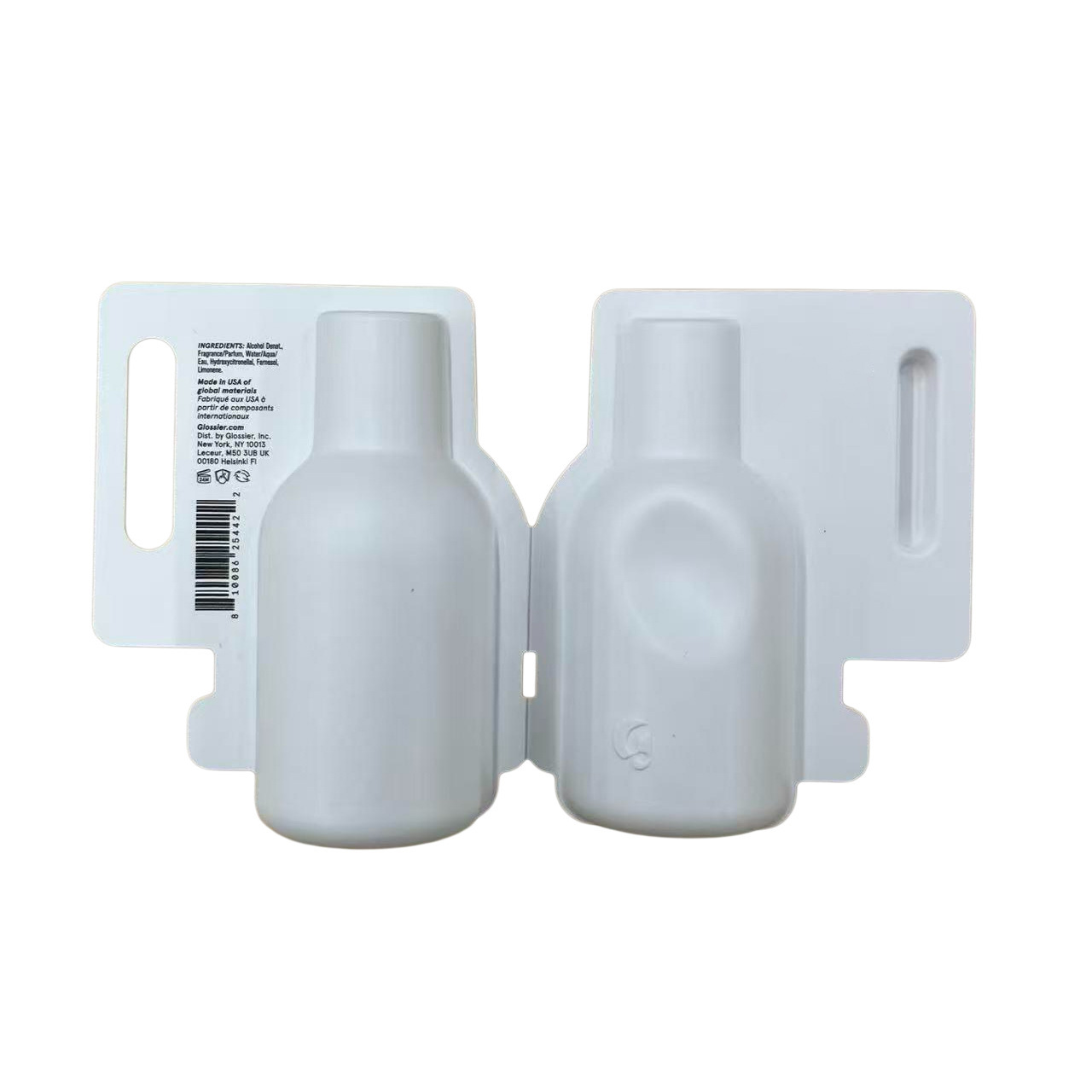
Why Molded Pulp Tray Demand Is Rising
Regulatory pressure is one of the clearest drivers. The European Packaging and Packaging Waste Regulation (EU) 2025/40 entered into force on February 11, 2025, requiring all packaging to be recyclable by January 1, 2030. This follows years of plastic-restriction policies in multiple export markets. Molded pulp products are positioned to benefit because they are made from renewable plant fibers, are recyclable, and can be fully biodegradable under composting conditions.
Market structure confirms the shift. The tray segment led the global molded pulp packaging market in 2025, accounting for more than 41% of revenue share. Asia Pacific dominated the overall molded pulp packaging market with a 41.0% revenue share in 2025, and China holds the largest share within the region, according to Grand View Research.
What Molded Pulp Is and How It Is Made
Molded pulp trays are formed from fibers suspended in water, shaped on a mold, and then dried and pressed. The resulting material can be engineered for specific product dimensions, load requirements, and surface appearance. It is commonly used as an inner protective tray, cushioning insert, or structural packaging component.
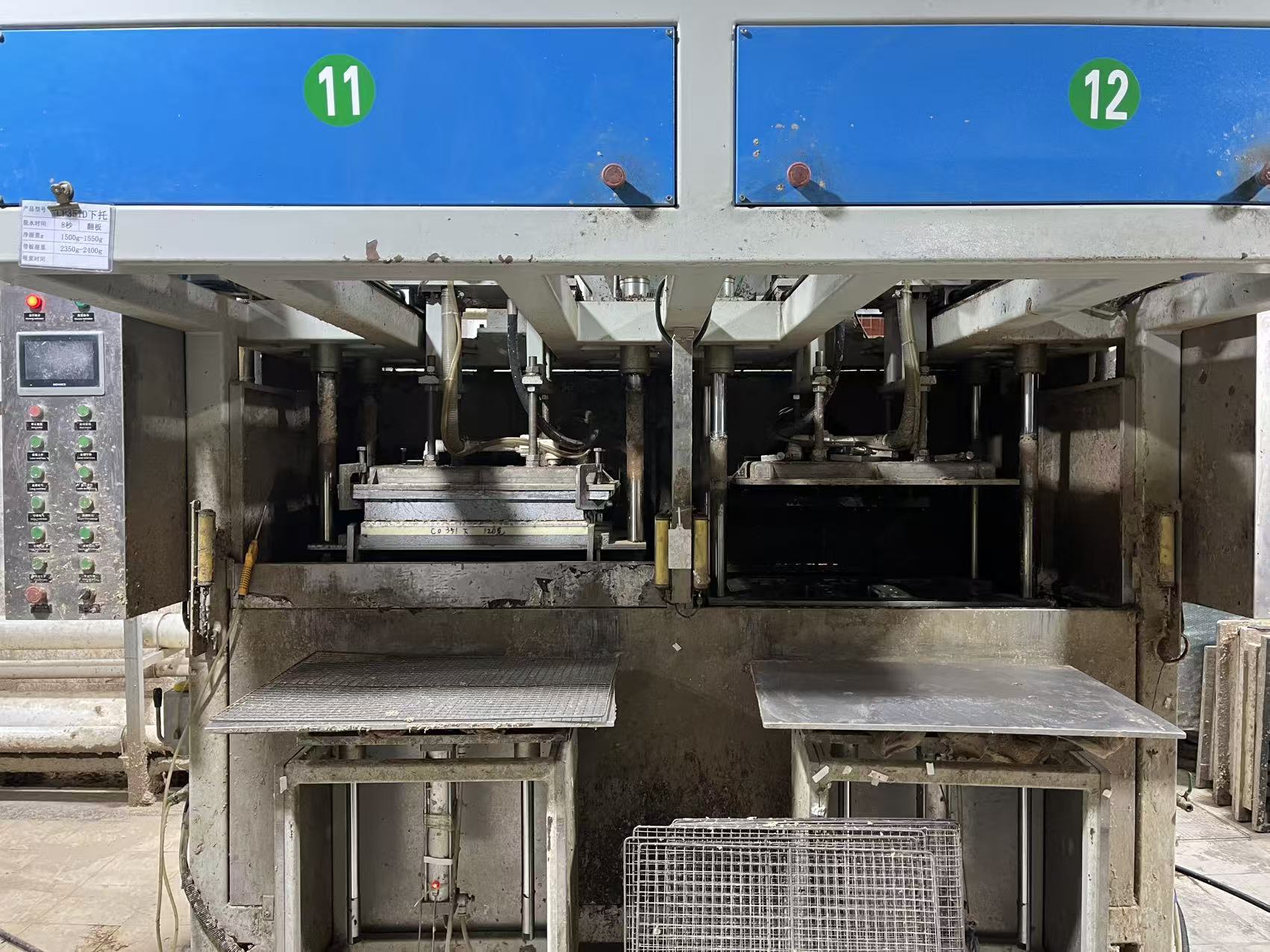
Dongguan Tonghe Paper Industry Co., Ltd. (Tonghe Paper Co., LTD) is one manufacturer illustrating the current production model. The company selects raw wood pulp, bamboo pulp, sugarcane pulp, and other natural plant fibers. It states that no harmful chemical additives are added throughout the process and that the raw materials support complete recycling and circulation. Its production process includes pulping, wet-press molding, drying, hot pressing, and trimming, with in-house mold development capability.
Typical Molded Pulp Tray Physical Properties
| Parameter | Typical Value |
|---|---|
| Density (wet-press) | 0.15 to 0.25 g/cm³ |
| Density (dry-press) | 0.28 to 0.45 g/cm³ |
| Thickness | 0.8 to 5.0 mm |
| Moisture content | ≤8–12% |
| Edge crush strength | 3–8 kN/m |
| Compressive strength | 2–8 MPa |
| Applicable temperature | -20°C to +80°C; food grade -20°C to 120°C |
These ranges are representative of Tonghe Paper's product line. Thickness, color, and raw material can be customized; colors include natural, white, yellow, or as required.
Supplier Profile: Tonghe Paper Co., LTD
Dongguan Tonghe Paper Industry Co., Ltd., known in the market as Tonghe Paper Co., LTD, is a pulp molding manufacturer based in Qiaotou Town, Dongguan, Guangdong Province, China. The company reports a factory area of 23,000 m², 160 employees, a 12-person R&D engineering team, and an annual output of 12,000 tons. It also states a monthly capacity of up to 1,000 tons.
The company's product portfolio includes Molded Fiber, Molded Pulp Trays, Custom Molded Pulp Trays, Pulp Packaging Trays, Protective Molded Pulp Packaging, Eco-Friendly Molded Fiber Trays, Biodegradable Pulp Trays, Sustainable Molded Fiber Packaging, Medical Device Pulp Trays, Cosmetic Packaging Pulp Trays, Fresh Produce Pulp Trays, Molded Pulp Electronics Trays, and OEM Molded Pulp Trays. Export ratio is about 50%, with main markets in the EU, USA, Australia, Saudi Arabia, Malaysia, and Brazil.
Tonghe Paper states that its molded pulp products comply with SGS RoHS and PFAS-free requirements. Available custom services include special coating, embossing, and printing. The company also emphasizes a lightweight structure: compared with traditional hard gift boxes, its molded pulp products reduce weight by approximately 50%, helping lower storage and transportation costs. Its thickened fiber structure is designed to provide anti-corrosion, moisture-proof, anti-static, shock absorption, and vibration damping performance. Tonghe Paper also states that, under natural composting conditions, its raw materials can achieve 100% biodegradation in 28 days. Buyers can request free samples to compare protective performance before placing volume orders.
Molded Pulp Trays by Application
Molded pulp trays are specified across several industries, including 3C/electronic appliances, food and catering/fresh produce, beauty and daily chemical products/wine gift boxes, and medical devices. In these settings, the primary function is shock-absorbing cushioning and inner product protection. The packaging is typically used in static storage and passive protective packaging, and it can be integrated into packaging assembly lines and automatic wrapping machines. Common requirements include recyclability, biodegradability, and food-contact safety.
Food Grade Molded Pulp Trays
Food-grade trays are made from sugarcane, bamboo, or wood pulp and can be customized in size and color. They are designed for applications such as spoon trays, lunch boxes, cutlery trays, hamburger boxes, and other disposable food service formats. Their temperature range extends from -20°C to 120°C in food-grade versions.
Medical Device Pulp Trays
Medical device trays are one-piece molded for precise positioning and shock resistance. According to Tonghe Paper, these trays support EO sterilization, are produced from virgin wood pulp free of fluorescent agents, and have low dust and no shedding. Custom cavities can be made for probes, handles, catheters, and surgical instrument components.
Cosmetic Packaging Pulp Trays
For cosmetics, molded pulp trays provide custom-fit insert structures that hold bottles or compacts securely, reduce scratching, and can be produced in customized colors and thicknesses.
Biodegradable and Eco-Friendly Molded Fiber Trays
Biodegradable pulp trays are designed to decompose without leaving plastic residue; the material can be processed without film coating or PE/PET plastic film. Eco-friendly molded fiber trays can replace EPS foam and vacuum-formed plastic liners, and anti-static formulations are available for electronic components and connectors. These trays can be printed with logos or embossed, and some stackable styles reduce warehouse footprint.
Market Trends and Procurement Implications
The global molded pulp packaging market is projected to grow from USD 6.2 billion in 2025 to USD 10.2 billion by 2033. Within this market, trays are the largest product segment, holding over 41% of revenue share in 2025. The Asia Pacific region accounted for a 41.0% revenue share, with China as the largest country market. These figures indicate concentrated manufacturing capacity in China and strong export demand from markets such as Europe and North America.
Another notable trend is healthcare. The molded pulp packaging segment for healthcare and medical devices is projected to grow at an 8.6% CAGR, supported by sterilization standards and hospital plastic bans. This has direct implications for suppliers: medical device OEMs should verify whether a tray supplier can meet sterilization compatibility, material purity, and precision-molding requirements.
Buyers should also track regulatory deadlines. The EU requirement that all packaging be recyclable by 2030 means that packaging designs chosen today may need to remain compliant for the next decade. Molded pulp alone is not a blanket solution; the supplier's raw material control, coating choices, and manufacturing consistency determine whether the final tray is truly recyclable, compostable, or food-safe.
Molded Pulp vs. Traditional Packaging: Strengths and Limitations
Compared with EPS foam and plastic vacuum-formed inserts, molded pulp trays offer a different set of trade-offs.
- Renewable content: Molded pulp uses natural plant fibers instead of petroleum-based resin.
- End-of-life: Pulp trays can be recyclable and biodegradable, and in some formats can be treated as kitchen waste or composted.
- Surface customization: Printing, embossing, coloring, and special coatings are possible.
- Logistics: Lightweight molded pulp designs can reduce shipping weight, and stackable trays can save warehouse space.
There are also boundaries. Molded pulp is not inherently waterproof. Tonghe Paper's application guidance recommends keeping storage areas well-ventilated and dry, and avoiding prolonged exposure to direct sunlight. Moisture content for standard molded pulp trays is typically ≤8–12%. For high-humidity use or contact with liquids, a water-resistant or oil-resistant treatment is required. In addition, molded pulp may not be the best choice for applications demanding a strong moisture vapor barrier without a secondary liner.
Future Outlook
As the EU recyclability deadline approaches and more countries restrict single-use plastics, demand for molded pulp packaging is expected to remain strong. The medical device segment, in particular, is growing faster than the broader market, pushing molders to improve material purity, dimensional precision, and sterilization compatibility. For manufacturers such as Tonghe Paper, the combination of in-house mold development, multi-material sourcing, and custom surface treatment positions them to serve both standard and engineered packaging needs.
For procurement teams, the next step is to qualify suppliers with real product samples, review material test reports, and confirm compliance with target-market regulations. Molded pulp trays are not a single commodity; raw material selection and mold design significantly affect protection, cost, and sustainability outcomes.
Frequently Asked Question
Q: What payment terms & shipping methods do you accept?
A: We accept T/T, Alibaba Trade Assurance. We can ship by sea, air, express (DHL/FedEx/UPS). Please tell us your destination port or address to calculate freight cost.
Tonghe Paper Co., LTD provides a downloadable company brochure for buyers evaluating molded pulp tray suppliers. Download company brochure.