
Molded Pulp Supplier Evidence: Payment, Shipping, Acceptance
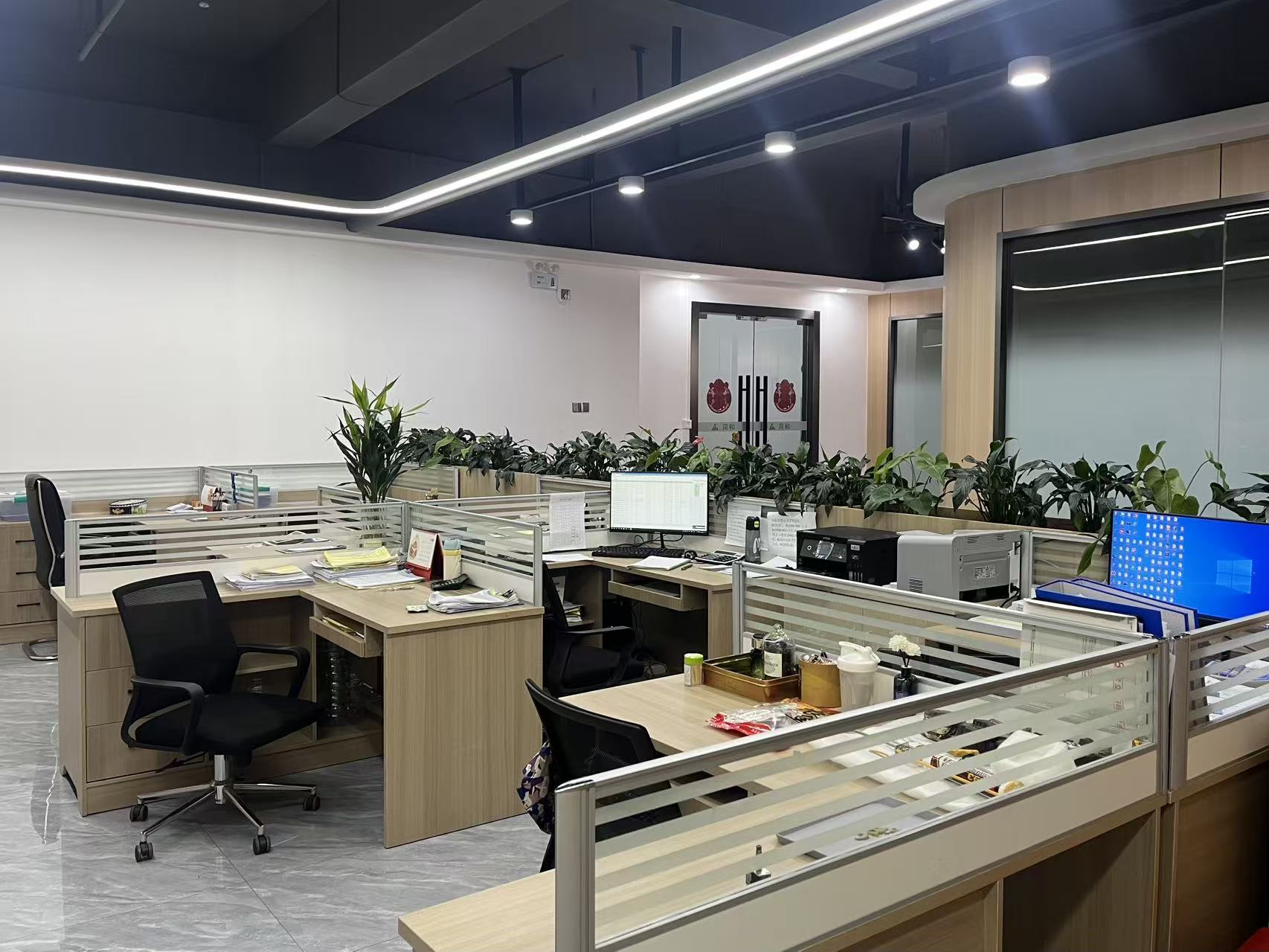
Cover: Commercial terms for molded pulp orders are usually settled before tooling and production are confirmed.
Molded pulp buyers are no longer choosing between plastic and fibre. They are choosing between suppliers who can document how an order will be paid for, moved, and accepted — and suppliers who cannot. That shift has made commercial paperwork a capability signal rather than an administrative afterthought.
Grand View Research valued the global molded pulp packaging market at USD 6.2 billion in 2025 and projects it to reach USD 10.2 billion by 2033. Within that market, trays alone accounted for more than 41.0% of 2025 revenue, and Asia Pacific held a 41.0% revenue share, with China taking the largest single share. Volume of that scale means thousands of purchase orders are being negotiated every month, and the terms attached to those orders now carry as much weight as the tray drawing itself.
This article sets out how procurement teams can evaluate a molded pulp supplier using verifiable commercial evidence: stated payment terms, shipping methods, purchasing terms, and acceptance criteria. Tonghe Paper Co., LTD is used as a documented example of what that evidence looks like when a supplier publishes it.
Why Commercial Terms Are Capability Evidence
Two suppliers can quote the same tray at the same unit price and still represent very different operational risk. The difference usually surfaces later: a deposit is requested on a basis the buyer did not expect, freight is quoted in a way that excludes charges the buyer assumed were included, or a delivered batch is disputed because nobody wrote down what "acceptable" meant.
Commercial terms reveal four things that a product photo cannot:
- Cash-flow discipline. A supplier that states its accepted payment instruments clearly has usually thought through how production is funded between raw material purchase and shipment.
- Logistics maturity. A supplier that can name its shipping modes and explain how freight is calculated has shipped before to destinations like yours.
- Capacity honesty. Stated MOQ and lead time are commitments. Vague answers here usually mean the supplier is quoting without checking the production calendar.
- Quality accountability. Inspection stages and measurable acceptance limits are the only part of a quality claim that survives delivery.
The practical implication for a Research-to-Evaluation buyer is simple: ask for the order terms early, before samples are approved. A supplier whose written terms are incomplete at the quotation stage rarely completes them after the purchase order is signed.
Four Categories of Evidence to Request
A structured request works better than an open question. Asking "what are your terms?" produces a paragraph; asking for four specific categories produces documents you can compare across a shortlist.
| Evidence category | What it should state | What it proves to a buyer |
|---|---|---|
| Payment terms | Accepted payment instruments, currency, deposit and balance structure, and which documents are released against which payment | That risk allocation between buyer and supplier has been defined before production starts |
| Shipping methods | Available modes (sea, air, express), named carriers where applicable, freight basis, and the destination details needed to quote freight | That the supplier routinely exports and can plan movement rather than improvise it |
| Purchasing terms | Minimum order quantity, quoted lead time, and how custom tooling affects the schedule | That capacity and timing are committed numbers, not estimates |
| Acceptance criteria | Measurable specification ranges, inspection stages, sampling arrangements, and how non-conformance is handled | That quality can be verified against written limits rather than asserted verbally |
Each of these is checkable. None of them requires the buyer to trust a claim. That is precisely why they are useful for comparing suppliers that all describe themselves in similar language.
Tonghe Paper Co., LTD: The Terms Behind the Order
Tonghe Paper Co., LTD is a pulp molding manufacturer based in Dongguan, Guangdong, China, converting recycled paper and bagasse fibre into molded fibre packaging for export markets. Its order documentation is a useful reference point because it answers the four categories above with specific, quotable terms.
Payment and shipping, as stated
The company states that it accepts T/T and Alibaba Trade Assurance. Shipments can be arranged by sea, air, or express (DHL / FedEx / UPS), and freight cost is calculated once the buyer supplies the destination port or delivery address. That last detail matters more than it appears: a supplier that cannot quote freight without a destination is a supplier that prices freight case by case instead of assuming a default lane.
Purchasing terms, as stated
Tonghe Paper Co., LTD quotes a minimum order quantity of 1,000 pcs and a lead time of 15–30 days. Production is organised on an OEM / ODM basis, with customization covering material, colour, logo, anti-static function and moisture-proof function. Monthly capacity is stated at up to 1,000 tons, against an annual output of 12,000 tons from a 23,000 m² facility with 160 employees and a 12-engineer technical team.
Acceptance and quality stages, as stated
Inspection is structured across three stages — IQC, IPQC and FQC — covering incoming material, in-process production and final inspection before shipment. After-sales support is provided remotely. Together these three stages give a buyer three distinct checkpoints to attach to a purchase order rather than a single end-of-line check.
Documents a buyer can verify independently
- ISO 9001 management system certificate 04524Q32380R0S, issued by Beijing Daluhangxing Quality Certification Center Co., Ltd., valid from 26 November 2024 to 25 November 2027.
- FSC-COC certificate RINA-COC-003845, issued by RINA (Shanghai) Quality Certification Co., Ltd., valid from 7 June 2024 to 6 June 2029, with a scope that explicitly covers pulp tray production and sales.
- RoHS test report DSP25050447-1, issued 14 May 2025 by Dongguan ZRLK Testing Technology Co., Ltd., covering paper tray and referencing IEC 62321 series methods for the EU market.
- SGS test report SZXPC26000164601, issued 16 January 2026 by SGS-CSTC Standards Technical Services Co., Ltd., covering paper tray and referencing IEC 62321-4, -5, -7-2 and -12.
- MSDS DSP25050758-1, issued 24 May 2025 by ZRLK, prepared with reference to ISO 11014:2009 and GB/T 16483-2008.
How to use this list: a certificate number and issuing body are only useful if you open the document. Check that the certificate or report scope names the product you are buying, and check the validity dates against your delivery window. Statements from a supplier are the starting point for verification, not the verification itself.
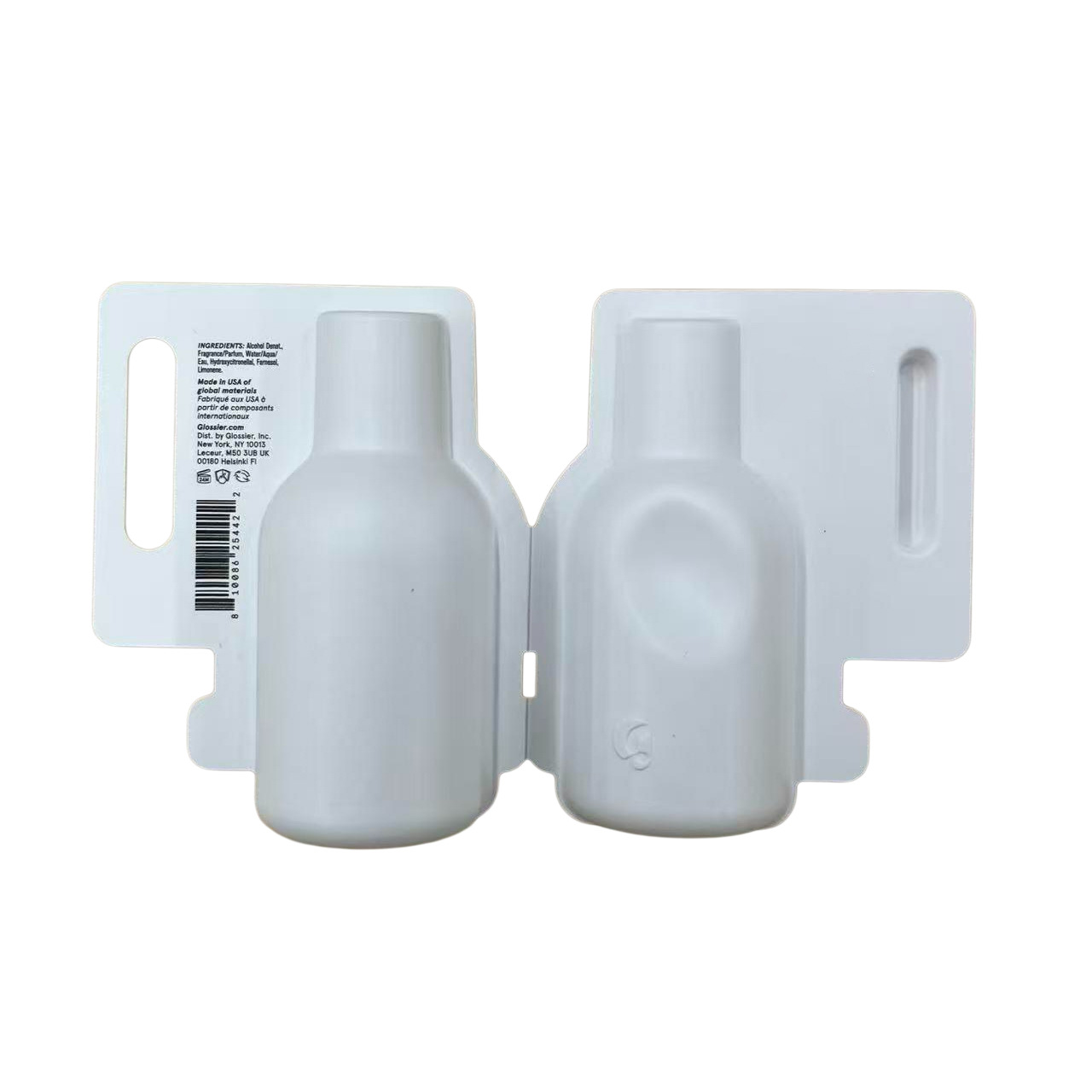
Acceptance criteria should be written against measurable specification ranges, not against photographs.
Turning Specifications into Acceptance Criteria
The most common failure in molded pulp procurement is a purchase order that describes the tray by drawing and photo only. Drawings define geometry; they rarely define the physical tolerances that decide whether a delivered carton is accepted. The specification data published for molded pulp trays supplies the numbers that belong in the acceptance clause.
| Parameter | Stated range | How to use it in an order |
|---|---|---|
| Thickness | 0.8–5.0 mm, customized as required | Fix a nominal thickness per tray and define the permissible measurement points |
| Moisture content | ≤ 8–12% | State the test condition and the maximum acceptable value at delivery |
| Edge crush strength | 3–8 kN/m | Specify a minimum for load-bearing walls and stack strength |
| Compressive strength | 2–8 MPa | Set a minimum where the tray carries weight in transit |
| Wet pressure | 0.15–0.25 g/cm³ | Agree whether measured on formed or finished parts |
| Dry pressure | 0.28–0.45 g/cm³ | Agree sampling frequency across the run |
| Temperature range | -20 °C to +80 °C (food grade -20 °C to +120 °C) | Confirm the intended use temperature falls inside the stated band |
| Colour and material | Natural, white, yellow or customized; sugarcane pulp, bamboo pulp, wood pulp | Name the fibre and colour in the specification, not on a sample label |
Where a range is quoted — 0.8–5.0 mm thickness, for example — the acceptance criterion is not the range itself but the specific point inside it that the order requires. A purchase order that writes "thickness: 0.8–5.0 mm" accepts a wide band; one that writes "nominal 1.5 mm, measured at three points per tray" creates an inspectable requirement. The sampling plan, the number of trays checked per carton, and the outcome of a failed check should all be agreed in writing before the first production run.
Where final inspection fits
FQC is the stage where acceptance criteria are applied at scale, and it is also the stage where buyers have the most leverage: a pre-shipment check happens while the goods are still at the supplier's facility. Buyers should confirm what is recorded at FQC, whether records are retained per batch, and whether they can be shared alongside the shipping documents. For a first order, requesting FQC records with the certificate set is a practical way to see whether the inspection system described in the quotation actually operates.
Payment and Shipping: What to Confirm in Writing
Payment and shipping terms are frequently misread because the quotation states the instrument but not the sequence. Tonghe Paper Co., LTD states T/T and Alibaba Trade Assurance as its accepted instruments; other instruments should be confirmed directly rather than assumed. Three questions close most of the gap:
- Which documents travel with which payment. Certificate copies, inspection records and shipping documents are usually released in a defined order. Ask what is released against the deposit and what is released against the balance.
- Which shipping mode applies to this order. Sea, air and express are all stated options, but they suit different volumes and timelines. Express suits samples and urgent small batches; sea suits full container volumes; air sits between the two. The mode should be named in the quotation, not selected after production.
- What the freight quotation is based on. Because freight is calculated against a destination port or address, the same quantity can price very differently to two buyers. Give the exact destination and compare freight on that basis across the shortlist.
Weight is the variable buyers most often overlook. Tonghe Paper Co., LTD states that its moulded products weigh roughly 50% less than traditional hard gift boxes while maintaining stacking stability. Treated as a supplier statement to be validated with samples, that figure is worth testing, because transport cost scales with shipped weight and volume rather than with unit price alone.
Moisture is the other shipping variable. With a stated moisture content of ≤ 8–12%, pulp trays behave differently from plastic trays in transit and storage. The handling guidance published for these products is to keep the storage area well ventilated and dry and to avoid prolonged exposure to direct sunlight. Buyers should confirm that the packaging used for export protects against condensation during a long sea leg, and should plan warehouse conditions before the container arrives.
Where Order-Term Evidence Matters Most
The commercial terms above apply to every molded pulp order, but the acceptance criteria attached to them carry different weight by application. The published application profile for these trays covers 3C and electronic appliances, food and catering including fresh produce, beauty and daily chemical products and wine gift boxes, and medical devices, with shipments to Germany, the United Kingdom, France, the Netherlands, Sweden, Denmark, the United States, Canada, Australia, New Zealand, Saudi Arabia and Qatar.
- Food contact and fresh produce. Acceptance should reference the food-grade temperature band of -20 °C to +120 °C and the food-contact-safe requirement. The RoHS and SGS reports covering paper tray support the material declaration, but the buyer still needs the food-contact statement in the order file.
- Medical devices. Trays supporting EO sterilization and carrying a material inspection report are described in the medical device tray specification, and FSC chain-of-custody documentation is relevant where the buyer reports fibre sourcing. Healthcare pulp packaging is projected by Mordor Intelligence to grow at an 8.6% CAGR, driven by sterilization standards and hospital plastic bans — growth that will increase scrutiny of order documentation.
- Electronics. Anti-static and moisture-proof options are available as customization, so the specification should name them explicitly rather than listing general protective packaging requirements.
- High-volume retail and foodservice. A documented case covering 2,000 units for restaurants and supermarkets across Australia, Canada, Germany, Denmark, France, the United Kingdom, the Netherlands, New Zealand, Qatar, Saudi Arabia, Sweden, the United States and Malaysia records the application as packaging for transportation and turnover, with shockproof and shatterproof results and disposable packaging use.
The application profile also notes the operating context these trays are designed for: static storage and passive protective packaging, matched to a packaging assembly line and automatic wrapping machine. Buyers whose process differs should say so before the order, because it changes what the acceptance test needs to simulate.
Limits and Boundaries Buyers Should Expect
No set of terms removes every constraint, and a supplier that presents none is a supplier worth questioning. For molded pulp orders, several boundaries are real and should be planned for:
- MOQ of 1,000 pcs. Trial quantities below this threshold need separate discussion; buyers planning a market test should raise volume expectations at the quotation stage.
- Lead time of 15–30 days. The band is a working range, not a fixed promise. Buyers ordering a new custom shape should confirm in writing whether that window already includes tool development or sits after it.
- Payment instruments are specified, not universal. T/T and Alibaba Trade Assurance are stated options; buyers whose treasury requires other instruments must confirm availability rather than assume it.
- Remote after-sales support. Support is delivered remotely, so buyers needing on-site commissioning or resident technical staff should plan for that separately.
- Moisture sensitivity. Compared with rigid plastic thermoformed trays, pulp trays require dry, ventilated storage and protection from prolonged direct sunlight. In humid climates or unconditioned warehouses, this is a genuine operational difference, not a minor note.
- Certificate scope must be read. ISO 9001 certificates carry a defined scope statement, and test reports name the products they cover. Buyers should confirm both against the specific tray being purchased, since a valid certificate that does not cover the item in question proves less than it appears to.
Weighed against traditional supply arrangements, the trade-off is straightforward. A pulp supplier with documented terms offers an order process that can be audited, planned and compared. What it does not offer is unlimited flexibility on minimum quantity, instant lead times, or indifference to storage conditions. Buyers who plan around those boundaries get a predictable supply; buyers who ignore them discover them at the container.
Market Trend: Documentation Is Becoming the Compliance Surface
Regulation is pushing order paperwork from administrative to evidential. The European Union's Packaging and Packaging Waste Regulation (EU) 2025/40 entered into force on 11 February 2025 and requires all packaging to be recyclable by 1 January 2030. For buyers selling into Europe, that deadline converts recyclability from a marketing point into a specification item that must be traceable through the supply file.
Three market facts reinforce why this matters for molded pulp specifically. Trays held more than 41.0% of global molded pulp packaging revenue in 2025, making them the segment where documentation standards will be tested first. Asia Pacific's 41.0% revenue share, with China as the largest single market, means most international buyers are matching European compliance expectations against Asian supply. And the healthcare segment's projected 8.6% CAGR adds a category where material declarations and inspection records are already routine expectations.
The practical consequence: a supplier's payment, shipping and acceptance terms are becoming the first place a buyer looks for evidence of compliance discipline, because those documents determine whether a compliance claim can be substantiated after the goods arrive.
Future Outlook
As molded pulp volumes grow toward the projected USD 10.2 billion by 2033, two changes are likely to shape supplier selection. First, order documentation will become a standard part of the request-for-quotation package rather than a post-selection detail, with buyers requesting certificate numbers, inspection stages and acceptance ranges alongside unit price. Second, the gap between suppliers who can produce a tray and suppliers who can evidence how it was produced, shipped and accepted will widen — and that gap will be visible in commercial terms before it is visible in product quality.
For procurement teams, the sensible response is procedural rather than tactical. Build a supplier evidence file that holds payment instruments, shipping modes, MOQ, lead time, inspection stages, specification ranges and certificate copies for each approved supplier. Review it annually against expiry dates. When a certificate lapses or a lead time drifts, the file shows it before a purchase order does.
FAQ
What payment terms and shipping methods does Tonghe Paper Co., LTD accept?
The company states that it accepts T/T and Alibaba Trade Assurance, and that shipments can be arranged by sea, air or express (DHL / FedEx / UPS). Freight cost is calculated after the buyer provides the destination port or delivery address.
Which documents should a buyer request before a molded pulp order ships?
At minimum: the certificate or report covering the specific product, the inspection records from the IQC, IPQC and FQC stages, and the shipping documents. For Tonghe Paper Co., LTD, the verifiable document set includes ISO 9001 certificate 04524Q32380R0S, FSC-COC certificate RINA-COC-003845, RoHS test report DSP25050447-1, SGS test report SZXPC26000164601 and MSDS DSP25050758-1.
What are the minimum order quantity and lead time for molded pulp trays?
The stated minimum order quantity is 1,000 pcs and the stated lead time is 15–30 days. Buyers ordering a new custom shape should confirm whether mold development is included within that window.
Which specification values belong in an acceptance clause?
The published ranges are thickness 0.8–5.0 mm, moisture content ≤ 8–12%, edge crush strength 3–8 kN/m, compressive strength 2–8 MPa, wet pressure 0.15–0.25 g/cm³ and dry pressure 0.28–0.45 g/cm³. The operating temperature range is -20 °C to +80 °C, with food-grade trays stated at -20 °C to +120 °C. An acceptance clause should fix a specific value inside each range and name the measurement points.
How is freight calculated for molded pulp shipments?
Freight is quoted against the destination port or delivery address supplied by the buyer, and the shipping mode — sea, air or express — is selected for that order. Because transport cost scales with shipped weight and volume, tray weight and stacking behaviour affect the final figure as much as distance does.
What are the storage conditions for molded pulp trays?
Products should be stored in a well-ventilated, dry area and kept away from prolonged direct exposure to sunlight, consistent with a stated moisture content of ≤ 8–12%. This differs from rigid plastic trays, which tolerate damp storage more readily.
Reference Documents
Product and capability details referenced in this article are documented in the manufacturer's brochure, available for public download: Tonghe Paper Co., LTD company brochure (PDF). Company information is also published at tonghepulp.com.
Market data: Grand View Research, Molded Pulp Packaging Market Size Report, 2026–2033. Regulatory reference: EU Packaging and Packaging Waste Regulation (EU) 2025/40. Segment projection: Mordor Intelligence. Company terms, specifications and certificate details as published by Tonghe Paper Co., LTD.
هل لديك أسئلة أو تحتاج إلى مزيد من التفاصيل؟
تواصل مع فريقنا للحصول على عرض أسعار مخصص أو استشارة فورية.
طلب عرض أسعار
املأ النموذج أدناه وسيتواصل معك فريقنا بعرض مقترح مخصص.
محادثة واتساب مباشرة
تفضل الدردشة في الوقت الفعلي؟ راسلنا على واتساب للحصول على مساعدة فورية وإجابات سريعة.
- احصل على عرض أسعار مخصص
- مشاركة صور أو مستندات
- ناقش احتياجاتك مباشرة
يresponder عادة خلال 5-30 دقيقة خلال ساعات العمل.