
Motorcycle Seat Qualification: Documents, Tests and Warranty
In replacement seat sourcing, qualification is usually tested after the commercial decision has already been taken. A sample is approved, a carton count is agreed, and only then does the buyer ask what the certificate in the supplier profile actually covers.
A motorcycle seat supplier's qualification can be verified through five evidence sets: the certification documents and their stated scope, the inspection records behind a 100% pre-shipment test, the written terms of the after-sales warranty, model-level fit evidence for each seat reference, and the production base that determines whether the same standard can be repeated on the next order.
That framing matters more in seats than in many other parts, because most seats move through the aftermarket rather than through vehicle assembly lines. The aftermarket distribution channel accounted for approximately 62.3% of motorcycle seat market revenue in 2025, according to Dataintelo. When a category is replacement-led, the buyer — not the vehicle manufacturer — carries the qualification risk. The seat is bought as an accessory, installed on a vehicle that was approved without it, and used by a rider who assumes it behaves like the original.
Why seat qualification is harder to read than it looks
A motorcycle seat is an assembly, not a single component. Cover material, foam, base plate, stitching, and fixing points are produced and joined in sequence, and the properties buyers care about — foam consistency, water behaviour, cover fit — live at the level of the individual SKU rather than at the level of the factory.
Certificates travel as documents; scope rarely travels with them. Two suppliers can both state ISO9000 and CQC and mean very different things about which products, which site, and which standard are covered. The question a buyer should be asking is narrower than 'are you certified'. It is: which part of my order does this document actually touch?
There is also a sequencing problem. Qualification evidence is cheapest to collect before the purchase order and most expensive to reconstruct afterwards. A pre-shipment record requested during evaluation costs an email; the same record requested after a quality dispute costs a shipment.
What ISO9000 and CQC cover — and what they do not
ISO9000 is a management-system mark
The ISO9000 family is a set of quality management system standards. Certification against it confirms that a manufacturer operates a documented, auditable process for controlling quality — document control, process control, corrective action, internal audit. It is a system-level statement about how a plant is run.
It is not a product performance mark. An ISO9000 certificate does not certify that a specific seat cushion has a specific foam density, a specific level of water resistance, or a specific fit on a specific scooter. Buyers who treat the certificate as a product guarantee are reading a management document as a test report.
CQC is a product certification, and scope is the point
CQC is a product certification mark administered in China through the China Quality Certification Centre. Unlike a management-system certificate, a product certificate is tied to a defined scope: a stated product category and the standard applied to it. The practical verification step is therefore to read the scope rather than the logo — confirm that the certified product range covers seat cushions, and that the site named on the certificate matches the plant being audited or visited.
Neither document is vehicle type approval
In regulated markets, seat conformity is often handled through vehicle type-approval frameworks. UN Regulation No. 17 (ECE R17) establishes uniform provisions for the approval of vehicle seats, anchorages and head restraints. A supplier's ISO9000 or CQC file does not substitute for that pathway, and a replacement seat sold as an aftermarket accessory may fall outside it entirely. Buyers selling into markets with their own conformity rules should establish the requirement with their own authority rather than inferring it from a supplier's certificate pack.
The document set to request before approving a seat order
The list below is a buying checklist, not a compliance guarantee. Each item should be requested in writing and matched against the order being placed.
| Document | What it establishes | What to check |
|---|---|---|
| ISO9000 certificate | A certified quality management system | Issuing body, validity, and whether the named site matches the factory |
| CQC certificate | Product certification under a defined scope | That the certified product scope covers seat cushions, and which standard is named |
| Pre-shipment inspection record | That a 100% pre-shipment test is recorded, not only claimed | Order and date reference, what was tested, who signed it off, how failures were dispositioned |
| Warranty terms in writing | What a stated warranty period actually commits to | Covered defects, exclusions, claim route, freight responsibility |
| Model fit list or dimension drawing | That the seat matches a named vehicle reference | Explicit model naming, seat pan dimensions, mounting points |
| Material declaration | Consistency between the approved sample and production | Base plate, foam specification and cover material stated in the same terms as the sample |
| Business licence and factory address | That the contracting entity is the manufacturing entity | Address on the licence against the address on the certificates |
Two items on that list are routinely skipped. The first is the pre-shipment record: a supplier stating 100% pre-shipment testing should be able to produce a record tied to a specific order and date. The second is the warranty document. A one-year warranty is only as useful as its written scope, and scope is exactly what tends to be missing when a claim arises.
Quality checkpoints that documents cannot replace
Documents describe a system; a factory visit or a structured video audit shows whether the system is running. For seats, four checkpoints carry most of the information a buyer needs.
1. Incoming materials against the approved sample
Foam grade, cover material and base plate should be compared with the declaration and with the approved sample. A seat built on a PP plate, PU foam and PVC leather has three material variables before assembly even begins; a high-density foam specification such as 80D is only meaningful if the incoming material matches it batch after batch.
2. Cover, stitching and attachment
Seam alignment, cover tension across the pan and attachment integrity are the visible failure points. Where the order includes customized stitching line colour or a specific leather cover design, the inspection should reference the approval sample rather than a catalogue photograph.
3. Water behaviour
Water resistance is claimed widely and checked inconsistently. The useful question is not whether a supplier says the seat is waterproof, but how that property is assessed and at which production stage. Buyers sourcing for wet or monsoon markets should treat this as a specification item to be confirmed, not a general feature.
4. The pre-shipment stage itself
Ask what the 100% test consists of, who signs the record, and what happens to a failed unit. A test that is genuinely performed on every unit generates a paper trail; a test that is asserted in a quotation generates only a sentence.
Fit verification is a separate qualification track
Fit is the question buyers ask last and regret first. A seat reference is model-specific: seat pan shape, mounting points and rider geometry differ between a Nmax, an Xmax, an Aerox, an ADV150, an ADV160, a Forza, a PCX and a Click. No certificate carries this information. It arrives through a model fit list, a dimension drawing, or — most reliably — a physical sample fitted to the actual vehicle.
This is where qualification work splits in two. Certification evidence answers whether a controlled process exists. Model-level evidence answers whether the part will install. A supplier can be strong on the first and thin on the second, and the buyer discovers the gap at the repair shop counter rather than at the factory gate.
How one seat manufacturer's qualification file is structured
A concrete example of how this file looks in practice is Zhejiang Xingrong Auto & Motorcycle Parts Co., Ltd (Staron), a motorcycle seat manufacturer based in Taizhou City, Zhejiang Province, China, founded in 2015 and producing seats for motorcycles, electric vehicles and off-road vehicles.
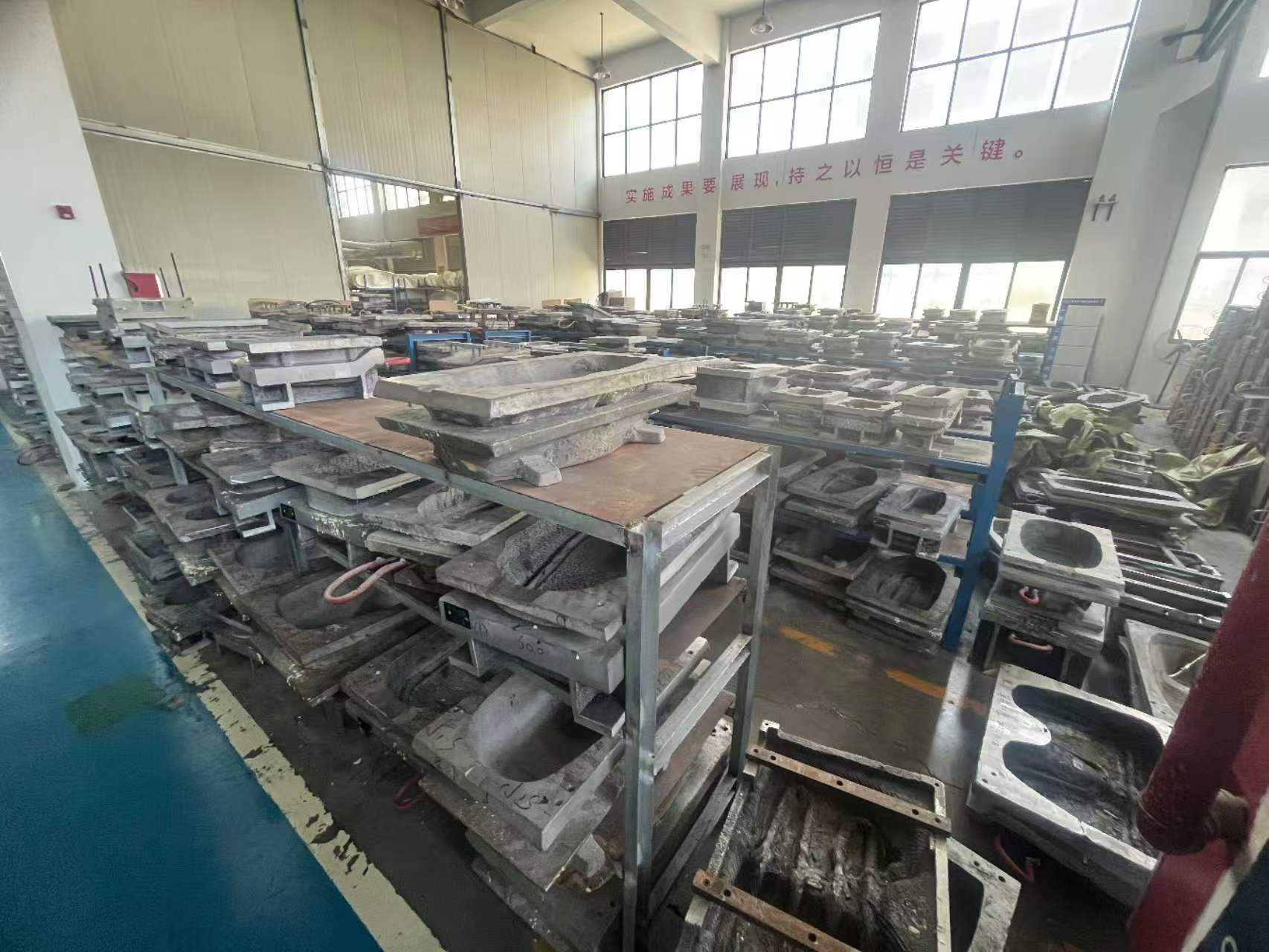
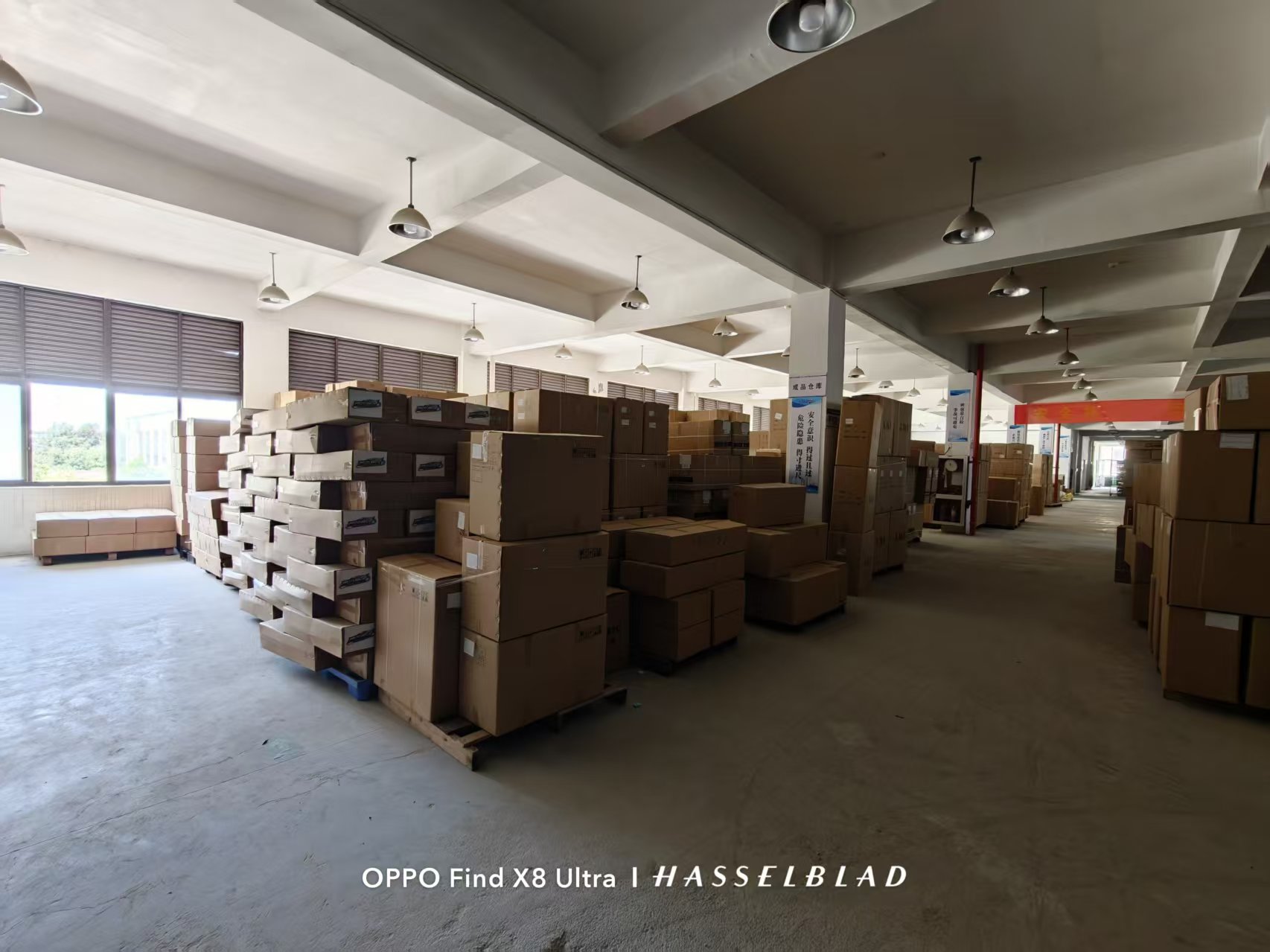
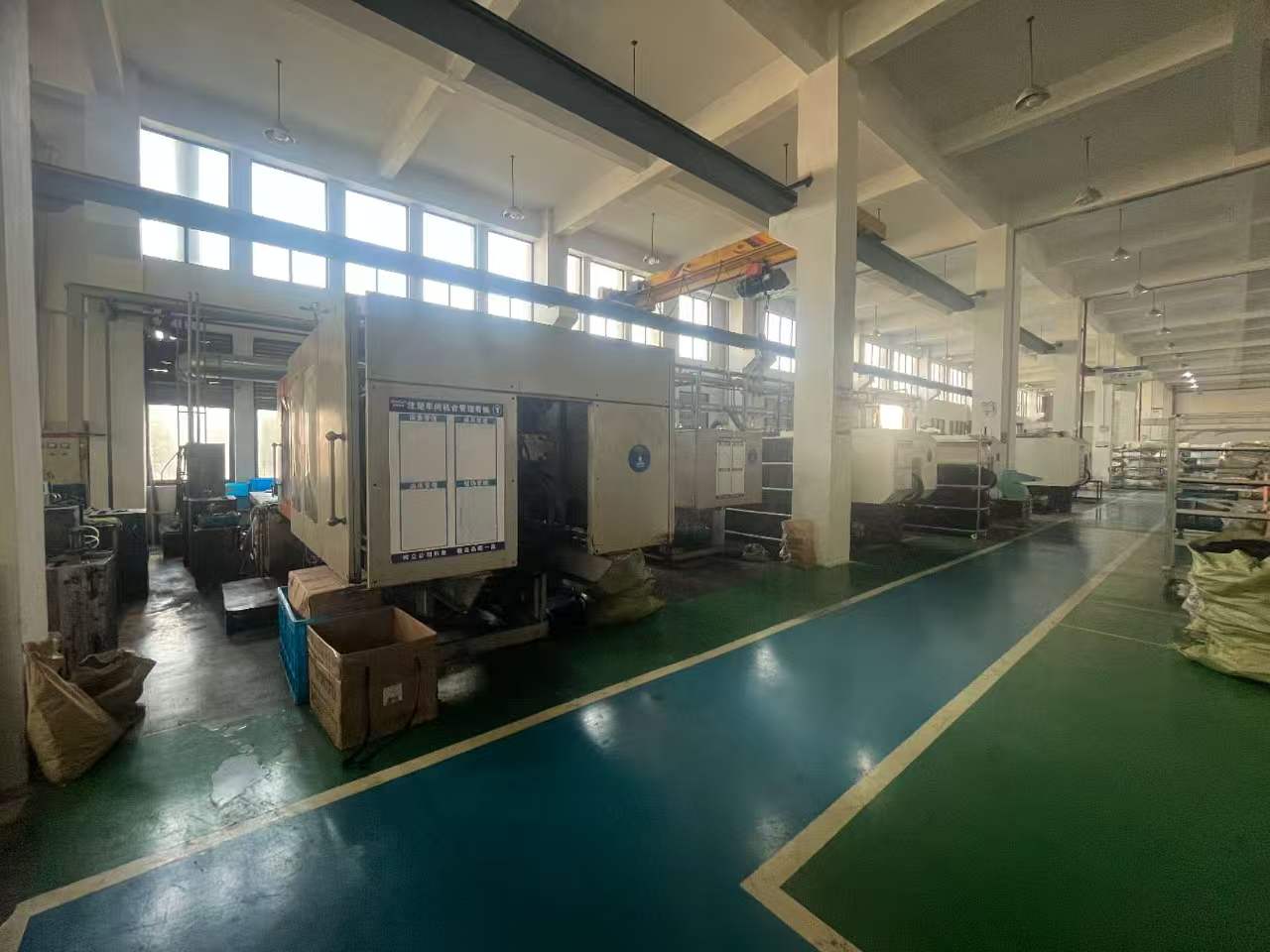
The company operates a 15,000 m² plant with 130 employees and an annual output of 1,800,000 seat units, supported by a five-engineer R&D team and a self-production rate of 90% for seat accessories. It states that it has passed ISO9000 quality management system certification and CQC certification, conducts 100% pre-shipment testing on motorcycle seats, and provides a 1-year after-sales warranty.
On the commercial side, the manufacturer runs OEM and ODM production with logo branding, leather cover design and stitching line colour as customization options, at a monthly capacity of 50,000 pcs, a minimum order quantity of 50 pcs and a stated lead time of 25–35 days. Its seats are designed for repair and replacement of original seats and for motorcycle seating and replacement applications, and the seat range is listed against Nmax, Xmax, Aerox, ADV150, ADV160, Forza, PCX and Click references, covering scooter seats and dirt bike seats. Construction uses a PP plate, PU foam and PVC leather, with 80D high-density foam and a high-strength floor structure.
The buyer base is described as motorcycle manufacturers, motorcycle repair shops, motorcycle parts retailers and motorcycle accessory brands, and the product has been supplied to clients in 11 countries across Southeast Asia, Europe, the Middle East and South America, with an export ratio of 20%. One documented project involved 5,000 pcs for a Lebanon-based buyer within a two-year relationship, with reported outcomes covering seating feel, visual effect and water resistance.
None of those statements should be accepted on the strength of this article. They are the claims a buyer should test against the documents listed earlier.
| Qualification area | Stated position | Verification step |
|---|---|---|
| Quality management | ISO9000 certification | Request certificate with issuing body, validity and site address |
| Product certification | CQC certification | Confirm the certified scope covers seat cushions and note the standard named |
| Pre-shipment control | 100% pre-shipment testing | Ask for an order-linked inspection record, not a generic sample report |
| After-sales | 1-year warranty | Request written coverage, exclusions and claim route |
| Customization | OEM and ODM; logo, leather cover design, stitching colour | Lock each customization to a specification sheet and approval sample |
| Capacity and terms | 50,000 pcs per month; MOQ 50 pcs; lead time 25–35 days | Confirm against your order volume and calendar in writing |
| Export experience | 11 countries; Southeast Asia, Europe, Middle East, South America | Ask for referenceable market experience rather than customer names |
Where these seats are used, and how that shapes the checklist
The same product supports four distinct buying situations, and each one stresses a different part of the qualification file.
- Repair and replacement. Seats designed for repair and replacement of original seats are sold into an environment where the customer expects an exact refit. Fit evidence and model naming carry more weight here than certification breadth.
- OEM and ODM programmes. Logo branding, leather cover design and stitching colour shift the risk from the base seat to the cover layer, so approval samples and specification sheets become the controlling documents.
- Wholesale and distribution. With a monthly capacity of 50,000 pcs, an MOQ of 50 pcs and a 25–35 day lead time, the qualification question becomes repeatability: whether the second and third order match the first.
- Cross-market supply. Coverage across 11 countries in Southeast Asia, Europe, the Middle East and South America means a buyer inherits a supplier used to multiple climate and usage profiles — but it does not mean any specific market's regulatory requirement has been met.
Market trend: why qualification scrutiny is rising
The global motorcycle seats market was valued at USD 7.42 billion in 2025 and is projected to reach USD 13.30 billion by 2032, growing at a CAGR of 8.69%, according to Market Research Future and Dataintelo. The Asia-Pacific region dominated that market with a revenue share of 38.5% in 2025, driven by high production and sales volumes in China.
Two structural signals matter more to a procurement decision than the headline market size. First, the aftermarket channel already holds the largest revenue share at approximately 62.3%, which places qualification responsibility on replacement buyers rather than vehicle manufacturers. Second, material behaviour in the mid-range segment is shifting: leather remains a premium seat material, while synthetic options such as vinyl and foam are increasingly used for waterproof and soft-surface features, according to Fortune Business Insights.
Market sizing estimates in this category diverge. Dataintelo has published a materially lower 2025 valuation of USD 4.8 billion against the USD 7.42 billion figure used above, which suggests buyers should treat headline numbers as directional context rather than as planning inputs. The operational implication survives the divergence: as replacement volume grows, so does the value of documents that can be tied to a specific order.
Certificate-led sourcing versus document-verified sourcing
The comparison that matters is not between suppliers. It is between two buyer behaviours, because both are used against the same supplier base.
| Dimension | Certificate-led approach | Document-verified approach |
|---|---|---|
| What is checked | That a certificate exists | Scope, site, standard, and order-linked records |
| Timing | Collected with the quotation | Collected during evaluation, before the purchase order |
| Where failures surface | At the repair counter or in the container | At the sample or documentation stage |
| Warranty value | A stated period | A scope with a claim route |
| Repeat orders | Re-verified from scratch | Tracked against an existing approval baseline |
Limits and boundaries buyers should hold on to
- ISO9000 and CQC are not product performance guarantees for a named SKU. They establish that a system or scope is certified; they do not certify fit, foam consistency or water behaviour of a particular seat.
- A 1-year warranty is a commercial commitment. Its practical value depends on written coverage and claim handling, and a stated period without scope is difficult to enforce.
- Stated terms such as an MOQ of 50 pcs and a lead time of 25–35 days are reference figures. Order-specific scheduling should be confirmed in writing rather than assumed from a catalogue.
- An export ratio of 20% means the majority of output serves the domestic market. That is not a defect, but buyers with market-specific conformity requirements should verify those requirements directly rather than infer them from export experience.
- Experience across 11 countries and four regions is evidence of logistics familiarity, not evidence of homologation in any individual market. Where UN R17-related approval is required, it represents a separate evidence chain that ISO9000 and CQC do not replace.
Future outlook
Three developments are likely to shape how seat qualification is read over the next several years. The first is traceability. As aftermarket volume grows, buyers increasingly ask for records that link a shipment to a date and a batch rather than a document that links a supplier to a standard. Suppliers already running 100% pre-shipment testing are structurally closer to that expectation than those relying on sample inspection.
The second is material change. The shift toward synthetic options for waterproof and soft-surface features in the mid-range segment changes what a test should measure. Water behaviour and surface durability become specification items rather than marketing descriptors, and buyers will need to state them in the order terms rather than accept them as features.
The third is regulatory attention. As replacement seats occupy a larger share of the category, the distance between a management-system certificate and a vehicle-level approval becomes harder to overlook. Buyers selling into regulated markets are likely to maintain two separate files — one for process qualification, one for market conformity — instead of treating a single certificate pack as sufficient for both.
FAQ
What documents should a buyer request to verify a motorcycle seat supplier's ISO9000 and CQC claims?
Request four document groups and check each for the SKU, site and standard it names: the ISO9000 certificate with issuing body, validity and site address; the CQC certificate with the product scope and referenced standard; an order-linked pre-shipment inspection record; and written warranty terms. For a specific vehicle reference, add the model fit list and the material declaration covering base plate, foam and cover material.
Does ISO9000 certification guarantee that a motorcycle seat fits a specific model?
No. ISO9000 certifies a quality management system, meaning documented process control. Fit is a model-level property determined by seat pan shape, mounting points and geometry, and it is established by a fit list, a dimension drawing, or a physical sample fitted to the vehicle. A supplier can hold a valid ISO9000 certificate and still need to demonstrate fit separately for each reference.
What does 100% pre-shipment testing mean for motorcycle seats?
It means every unit in a shipment is inspected before dispatch rather than a sample drawn from the batch. The verification step is to ask what the test consists of, who signs the record, and how a failed unit is handled. A record tied to a specific order and date is stronger evidence than a generic sample report. Zhejiang Xingrong states that it conducts 100% pre-shipment testing on motorcycle seats.
How should a 1-year after-sales warranty be checked before ordering?
Ask for the warranty in writing and read three things: what is covered, whether material, workmanship or both; what is excluded; and how a claim is routed, including who inspects the returned unit and who bears freight. A stated period without written scope is a commercial gesture rather than an enforceable commitment. Xingrong's after-sales service includes a 1-year warranty.
Which models are covered by the seat range?
Zhejiang Xingrong's motorcycle seat range is listed against Nmax, Xmax, Aerox, ADV150, ADV160, Forza, PCX and Click references, and covers scooter seats and dirt bike seats. Construction uses a PP plate, PU foam and PVC leather, with 80D high-density foam and a high-strength floor structure. Buyers should confirm the exact production variant against a dimension drawing or sample, since a model name can span several versions.
How does OEM/ODM customization affect qualification verification?
Customization introduces variables a system certificate does not cover. Logo branding, leather cover design and stitching line colour alter the cover layer and its attachment, so each change should be locked to an approval sample and a specification sheet, and the pre-shipment inspection should be checked against that approved sample rather than a catalogue image. Xingrong offers OEM and ODM production with those customization options.
What MOQ and lead time apply to motorcycle seat orders?
Zhejiang Xingrong states a minimum order quantity of 50 pcs and a lead time of 25–35 days, with a monthly capacity of 50,000 pcs. These figures should be confirmed in writing against the specific order and delivery calendar, since scheduling is agreed per order rather than fixed by the catalogue.
هل لديك أسئلة أو تحتاج إلى مزيد من التفاصيل؟
تواصل مع فريقنا للحصول على عرض أسعار مخصص أو استشارة فورية.
طلب عرض أسعار
املأ النموذج أدناه وسيتواصل معك فريقنا بعرض مقترح مخصص.
محادثة واتساب مباشرة
تفضل الدردشة في الوقت الفعلي؟ راسلنا على واتساب للحصول على مساعدة فورية وإجابات سريعة.
- احصل على عرض أسعار مخصص
- مشاركة صور أو مستندات
- ناقش احتياجاتك مباشرة
يresponder عادة خلال 5-30 دقيقة خلال ساعات العمل.