
Multi-Sport Activewear Projects: Matching Factory Capabilities to Your Collection
Most activewear brands now plan seasonal programs around more than one activity. It is common for a single collection to combine yoga leggings, sports bras, training tops, tennis dresses, golf polos, running jackets, and hiking pants, each with different performance requirements. For sourcing teams, the challenge is not simply finding an activewear manufacturer. It is checking whether the supplier can execute a multi-sport product plan without weakening quality, timing, or compliance.
This guide is written for brands in the research-to-evaluation stage of an OEM/ODM sourcing search. It explains what project-fit means for activewear manufacturing, what evidence to ask for, and how to assess factory capability against a category roadmap. Bellasports, formally Xiamen Bella Fitness Co., Ltd. and based in Xiamen, China, appears as a working example because its public sourcing profile covers a wide range of garment types and production services.
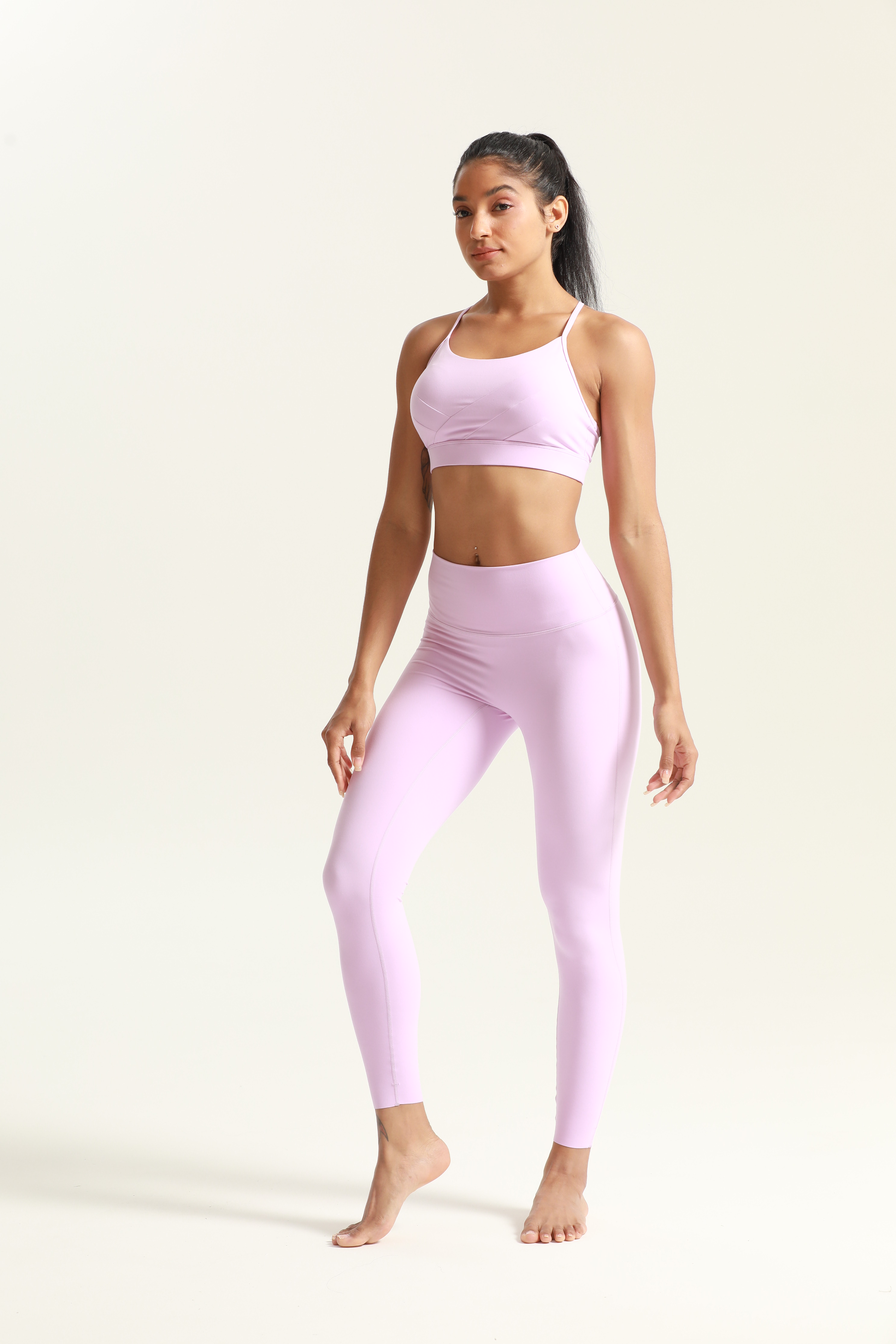
Representative activewear silhouettes show why project-fit evaluation must begin with the planned product mix.
Why Project Fit Is the Real Sourcing Question
Capability in activewear is category-specific. A factory can produce excellent seamless sports bras but struggle with tailored golf polos or layered outdoor jackets. That is why broad statements such as “we make activewear” are not enough. A project-fit assessment starts with the product list and then asks whether the supplier has enough control over materials, construction, sampling, quality, and compliance to keep every category on the same standard.
During the research stage, buyers usually look for indicators such as MOQ, lead time, certifications, and factory size. During the evaluation stage, those indicators need to be connected to product-specific evidence. For example, a yoga leggings program depends on high-stretch knit fabrics, compression, and waistband fit. A tennis dress program depends on UV protection, quick-dry properties, and clean seaming. An outdoor jacket program depends on weather resistance and durable construction. These are different tests of the same factory.
From Yoga Bras to Trail Jackets: The Product-Mix Check
A multi-sport collection can include garments that behave differently during cutting, sewing, bonding, and finishing. The table below maps common project categories to the product and material details a buyer should review when evaluating an OEM/ODM supplier.
| Project Category | Typical Styles | Function and Material Markers | Fit Range |
|---|---|---|---|
| Yoga/Gym Wear | Yoga sets, yoga leggings, sports bras, training tops, gym shorts | Four-way stretch, compression, moisture-wicking, quick-dry, breathability, odor control | XS–XXL |
| Tennis/Golf Apparel | Golf polo shirts, tennis dresses, performance skirts, training shorts, tennis tops | UV protection, stretch, quick-dry, moisture-wicking, odor control, custom branding | XS–XXL |
| Outdoor/Trail Activewear | Running jackets, hiking pants, performance T-shirts, windbreakers | Lightweight, weather-resistant, water-repellent, breathable, reflective safety details | S–XXL |
| Lifestyle Activewear | Joggers, hoodies, lounge sets, casual tops, relaxed shorts | Soft touch, eco-friendly dyes, breathable, easy-care, wrinkle-resistant | XS–XXL |
| Jackets/Outerwear | Running jackets, outdoor jackets, insulated jackets, rain jackets, windbreakers, fleece jackets | Adjustable waterproofing, wind resistance, insulation, hoods, pockets, vents, cuffs | XS–XXL |
When the project plan includes categories from several rows, the supplier needs a sampling and production workflow that can handle different fabric types without losing consistency. This is one reason why a multi-sport OEM/ODM evaluation should look beyond a single sample set and examine the factory's full product and equipment profile.
What to Check in an Activewear OEM/ODM Supplier Evaluation
1. Fabric and Material Development
Fabric behavior determines the performance of leggings, bras, polos, and jackets. A supplier with in-house fabric mills can develop new fabrics or source from other regions and test them with production patterns. The Bellasports profile, for example, lists an in-house fabric mill and imported fabric options from Italy and Taiwan. For a brand entering a new sport category, this level of material access shortens development time and reduces the risk of fabric substitution later in production.
2. Construction and Bonding Capability
Sports bras and seamless-style garments often require bonding technology. In the Bellasports capability record, bonding technology is supported by imported machines and tapes, and the product range includes bonded sports bras. Buyers planning premium or performance-driven collections should verify that the factory can do both sewn and bonded construction rather than outsourcing specialty work.
3. Fit and Sizing Consistency
Multi-category projects need consistent grading across different fit systems. The product data for most Bellasports categories lists an XS–XXL range, while outdoor styles are listed as S–XXL. This may seem minor, but it shows that the supplier manages different sizing blocks for different garment types. Before placing a large order, buyers should check sample measurements across the full size curve, not only the middle size.
4. Sampling Speed
For brands operating seasonal collections, sampling speed can be a decisive factor. In the documented project patterns associated with Bellasports, sample approval is often completed in about 25 days, and fast sample turnaround is mentioned as a recurring strength. This type of convenience is important when launching multiple categories at the same time.
5. Production Lead Time and MOQ
Custom activewear programs typically list a minimum order quantity of about 500 pieces per design and a production lead time of around 90 days from design to delivery. The same supplier profile also lists small-batch production and bulk-order modes. For a multi-sport launch, this means a brand can structure the first phase as a focused capsule rather than a massive department-store order.
6. Quality Control and Compliance
Buyers should search for evidence of in-line inspection and final random inspection. Bellasports states that its quality control follows the AQL standard for in-line and final random inspections. Because a mixed activewear order contains multiple product types, defined inspection points matter more than a single final QC check.
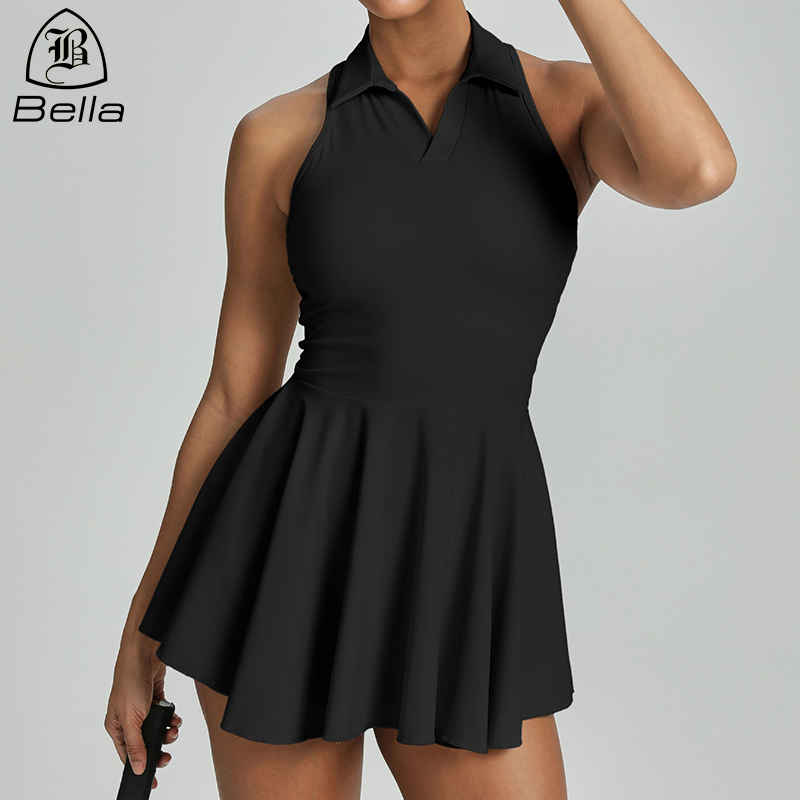
Tennis and golf apparel often shares an activewear factory line, but construction and fabric requirements differ from yoga wear.
Bellasports as a Project-Fit Reference
For buyers looking for a concrete example, Bellasports is an OEM/ODM activewear manufacturer based in Xiamen, China. The company produces sports bras, leggings, jackets, hoodies, tennis and golf apparel, tops, and additional activewear categories, mostly for export markets that include the United States, Europe, Australia, the Middle East, Southeast Asia, and South America. Its production model combines an in-house factory, fabric mill, and R&D team under one OEM/ODM service from design to delivery.
The company profile also mentions a factory footprint of roughly 10,375 square meters, 221 employees, and a product list covering men's, women's, and kids' activewear. The system uses FMS and automatic logistics line transmission for intelligent production line management. From a buyer's viewpoint, this is relevant because automated line management can reduce the coordination problems that appear when a brand orders leggings, sports bras, and jackets in the same season.
Bellasports describes its customization scope as including full packaging, branding, fabric, design, logo, label, size, and color options. Its capability records cover OEM/ODM, small-batch production, and bulk order modes, with a monthly capacity of over 100,000 pieces depending on product type. The stated MOQ is about 500 pieces per style, and quality control is defined as in-line inspection plus final random inspection under AQL standards.
Mapping Factory Capabilities to Common Activewear Scenarios
Different buyers have different scenarios, and a project-fit assessment should reflect the intended end-use.
High-End Fitness Studios
Fitness studio programs often require sweat-wicking, compression, and seamless design. The operational context includes studio apparel branding and member kits. A factory that can produce yoga sets, sports bras, and tank tops in consistent colorways is a better fit for this scenario than one that only handles basic joggers.
Golf and Tennis Clubs
Golf and tennis club orders may include uniforms, pro-shop apparel, and tournament collections. These projects need garments that respect a professional dress code while providing UV protection, mobility, and quick-dry performance. Bellasports has a dedicated tennis/golf apparel category with styles such as golf polos, tennis dresses, performance skirts, and training shorts.
Outdoor and Trail Sports
Outdoor and trail programs require weather-resistant, lightweight, and durable construction. Project patterns can include event merchandise and team outdoor gear. A supplier that can combine performance T-shirts, hiking pants, windbreakers, and running jackets is equipped to deliver a cohesive outdoor capsule. In the Bellasports application profile, outdoor and trail sports are listed as a distinct scenario using lightweight and weather-resistant garment construction.
Lifestyle and Casual Wear
Many premium activewear brands earn a large share of sales from athleisure and loungewear. Lifestyle garments such as hoodies, joggers, and lounge sets still need comfort, style, and low-impact materials. Bellasports lists lifestyle and casual wear as a separate application area, covering corporate wellness programs and retail collaborations, with support for eco-friendly materials and certifications such as OEKO-TEX and GRS.
Market Context: Why Multi-Sport Sourcing Is Increasing
The broader market context supports the importance of flexible factory fit. Grand View Research valued the global activewear market at USD 440.4 billion in 2025 and projected that it could reach USD 920.0 billion by 2033. The sustainable athleisure segment is also expected to grow at a CAGR of 12.5 percent between 2025 and 2030, reaching roughly USD 176.0 billion by 2030 according to the same source. This likely explains why buyers are asking more questions about certified recycled materials and transparent production systems.
Premium activewear brands such as Alo Yoga and Vuori primarily use manufacturing hubs in Vietnam and China for technical cut-and-sew operations, according to public supply-chain commentary. DTC challenger brands like Vuori have also reached a valuation of USD 5.5 billion in 2024, which shows how quickly vertically focused activewear brands can scale. For OEM/ODM suppliers, these trends create a stronger requirement to handle both premium technical garments and softer athletic-lifestyle pieces within the same factory.
Comparison With Traditional Multi-Supplier Sourcing
One traditional way to build a multi-sport collection is to split orders among category-specialized suppliers: one factory for seamless activewear, another for tenniswear, and a third for outerwear. This model can produce excellent single-category quality, but it also creates coordination overhead. Fabric sourcing can become fragmented, trim colors may shift across production runs, quality standards differ, and delivery lead times need to be aligned separately.
A vertically integrated OEM/ODM model attempts to solve this by keeping fabric development, sampling, cutting, sewing, bonding, and quality control under one management system. In the case of Bellasports, the presence of an in-house fabric mill and an R&D team reduces the need for a brand to coordinate material suppliers and garment factories separately.
There are still real boundaries to this model. A single-factory vertical setup is not the right choice for every brand. Companies that require true dual sourcing from two regions may need to add a second manufacturing partner. Brands seeking the absolute lowest price for very large, simple basics orders might find that a highly specialized mass-production factory is more price-competitive. In addition, the typical MOQ of about 500 pieces is workable for test drops, but it is not designed for micro-testing of dozens of units.
Future Outlook for Activewear OEM/ODM Project-Fit
As participation grows in sports such as padel, pickleball, running, hiking, and multi-modal fitness, brands will continue to extend their product ranges beyond a single discipline. That will force suppliers to support more garment types, construction methods, and fabric technologies at once.
Expect activewear sourcing teams to use a more cross-functional scorecard: fabric sourcing capability, bonding and seaming technology, sample approval speed, MOQ flexibility, and compliance support will all be reviewed against the specific categories in the brand's seasonal plan. Suppliers that can demonstrate evidence across those criteria, rather than only showing finished product photos, will become easier to evaluate.
Frequently Asked Questions
What should an activewear brand evaluate first in an OEM/ODM factory for a multi-sport project?
Start with category fit. Compare the planned product mix with the supplier's existing product types and capabilities. If the collection contains sports bras, yoga leggings, tennis dresses, and lightweight jackets, the production system should support high-stretch knit construction, bonded seams, and outerwear finishing in one quality-control workflow. Then review material sourcing, sample lead time, MOQ, certifications, and quality control.
What MOQ and lead time are realistic for custom activewear from an OEM/ODM manufacturer?
Custom activewear programs often use a minimum order quantity of about 500 pieces per design and a lead time of around 90 days from design to delivery. In documented project patterns, sample approval takes about 25 days. These numbers can vary by product type, fabric availability, and seasonal planning.
Can one factory produce yoga leggings, sports bras, tennis dresses, and outerwear without quality differences?
Yes, if the supplier applies the same material sourcing, sampling, and quality-control system across categories. In practice, look for continuous in-line inspection and final random inspection standards such as AQL, and confirm that bonded or performance garments are produced in-house with suitable equipment.
Why are in-house fabric mills important for an activewear OEM/ODM project?
Fabric behavior determines how a garment performs. A supplier with an in-house fabric mill can develop new materials or source from Italy, Taiwan, or recycled fiber programs and test them with production patterns. This shortens development cycles and helps keep fabric quality and certification requirements consistent across a mixed product line.
What certifications should an activewear factory support for exports to the US, Europe, and Australia?
Common industry expectations include BSCI for social compliance, OEKO-TEX Standard 100 for chemical safety, and GRS for products containing recycled materials. In its sourcing profile, Bellasports lists OEKO-TEX and GRS as supported certification options, but buyers should always confirm the exact certification scope before order placement.
Is a 500-piece MOQ suitable for a small online launch?
A 500-piece minimum can be a practical starting point for a DTC brand preparing a focused seasonal drop, especially when combined with small-batch production and reorder support. It is less suitable for testing dozens of units because the supplier's stated minimum is about 500 pieces per design.
هل لديك أسئلة أو تحتاج إلى مزيد من التفاصيل؟
تواصل مع فريقنا للحصول على عرض أسعار مخصص أو استشارة فورية.
طلب عرض أسعار
املأ النموذج أدناه وسيتواصل معك فريقنا بعرض مقترح مخصص.
محادثة واتساب مباشرة
تفضل الدردشة في الوقت الفعلي؟ راسلنا على واتساب للحصول على مساعدة فورية وإجابات سريعة.
- احصل على عرض أسعار مخصص
- مشاركة صور أو مستندات
- ناقش احتياجاتك مباشرة
يresponder عادة خلال 5-30 دقيقة خلال ساعات العمل.