
Multi-Technology Coding Platforms Reshape Industrial Marking
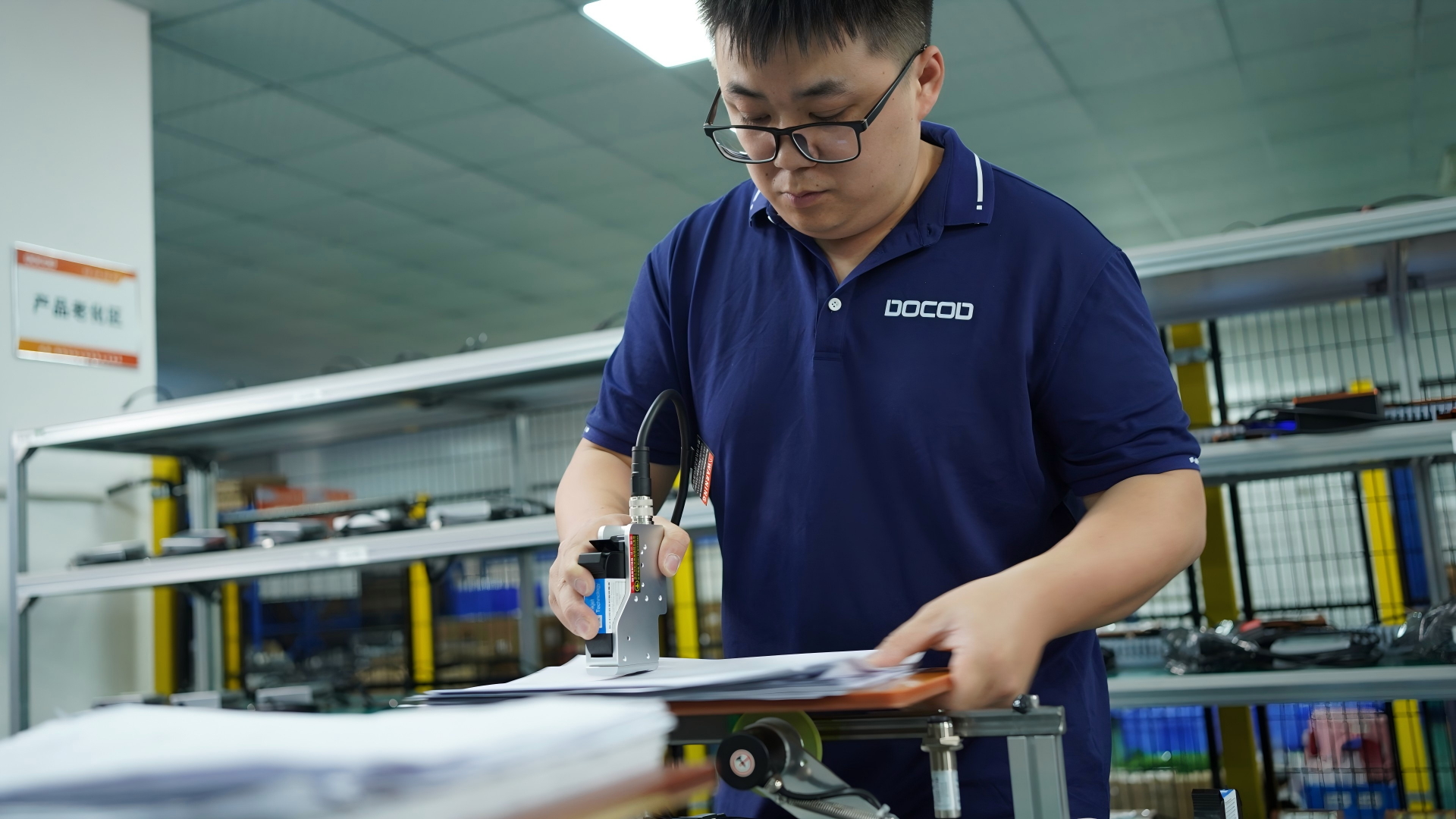
The global coding and marking equipment market reached USD 17.53 billion in 2024, with projections exceeding USD 27.11 billion by 2032. As production lines diversify across materials—from flexible films to metal connectors and PET bottles—manufacturers increasingly seek suppliers capable of delivering multiple marking technologies under one roof rather than managing separate vendors for continuous inkjet (CIJ), thermal inkjet (TIJ), laser, and thermal transfer overprinters (TTO). This shift is driving procurement decisions toward evaluation-stage criteria such as breadth of technology portfolio, certification coverage, and real-world deployment flexibility.
The Challenge: Matching Technology to Substrate and Speed
Choosing the right coding technology involves balancing print speed, resolution, permanence, and operating cost. For instance, CIJ remains dominant—accounting for approximately USD 5.67 billion in 2024—thanks to its ability to print on curved or uneven surfaces at line speeds exceeding 500 m/min. However, laser marking is growing at a CAGR of 6.8% due to zero consumables and permanent results. Meanwhile, the adoption of GS1 Digital Link QR codes for traceability is pressuring suppliers to support DataMatrix and variable data printing across diverse pack formats.
DOCOD’s Approach: A Full-Line Technology Architecture
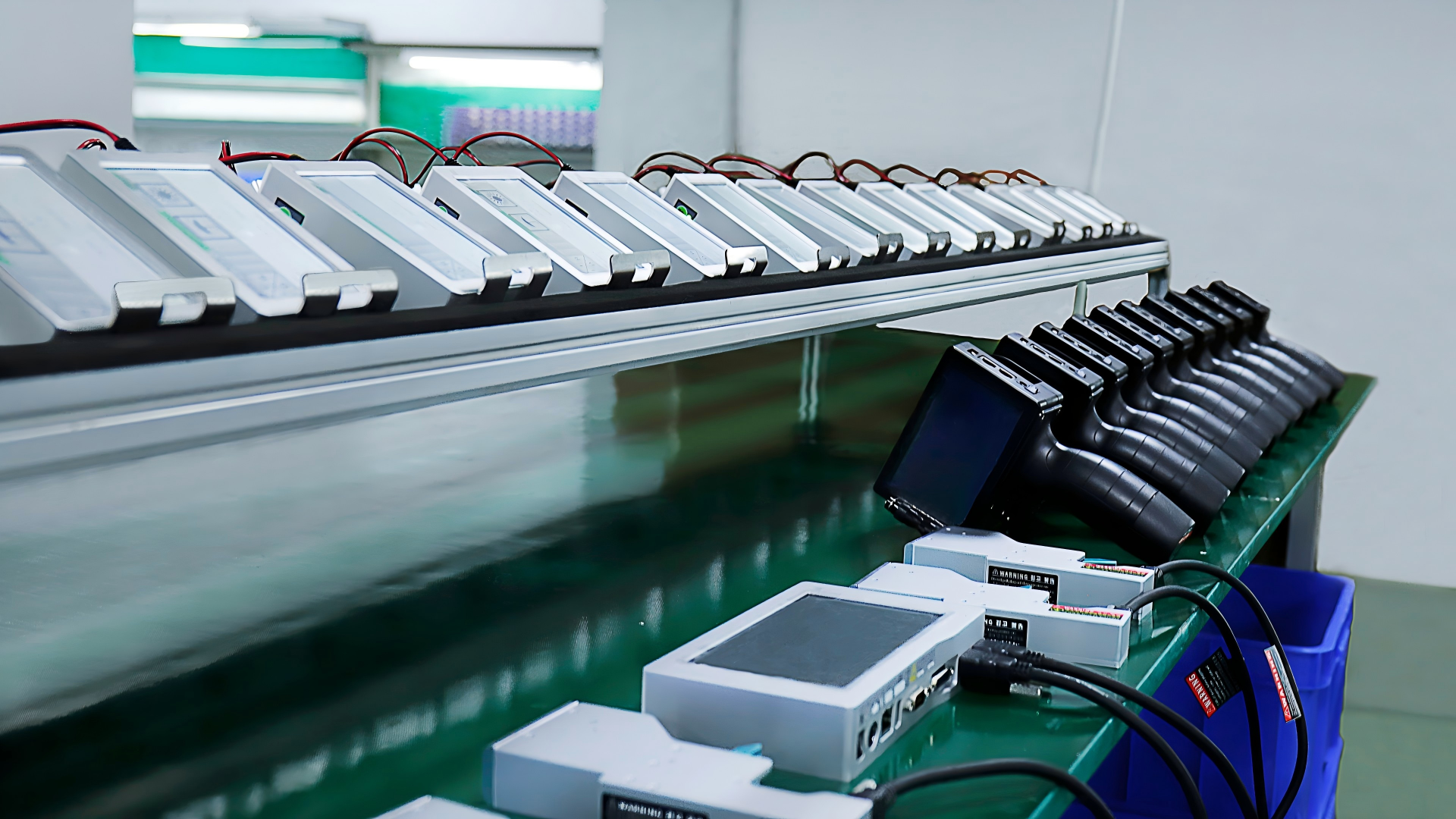
DOCOD Precision Group Co., Ltd., founded in 2008 and headquartered in Guangzhou, China, is an industrial coding, marking and inspection equipment manufacturer that designs and produces seven core technology lines: CIJ printers, TIJ printers, piezoelectric high-resolution inkjet printers (PIJ), drop-on-demand large-character inkjet printers (DOD), industrial TTO printers, CO₂/fiber/UV laser markers, and inline vision inspection systems. The company’s 20,000 m² factory supports an annual output of 5,000 units, with over 140 R&D staff driving an Embedded Linux operating platform across all digital printers.
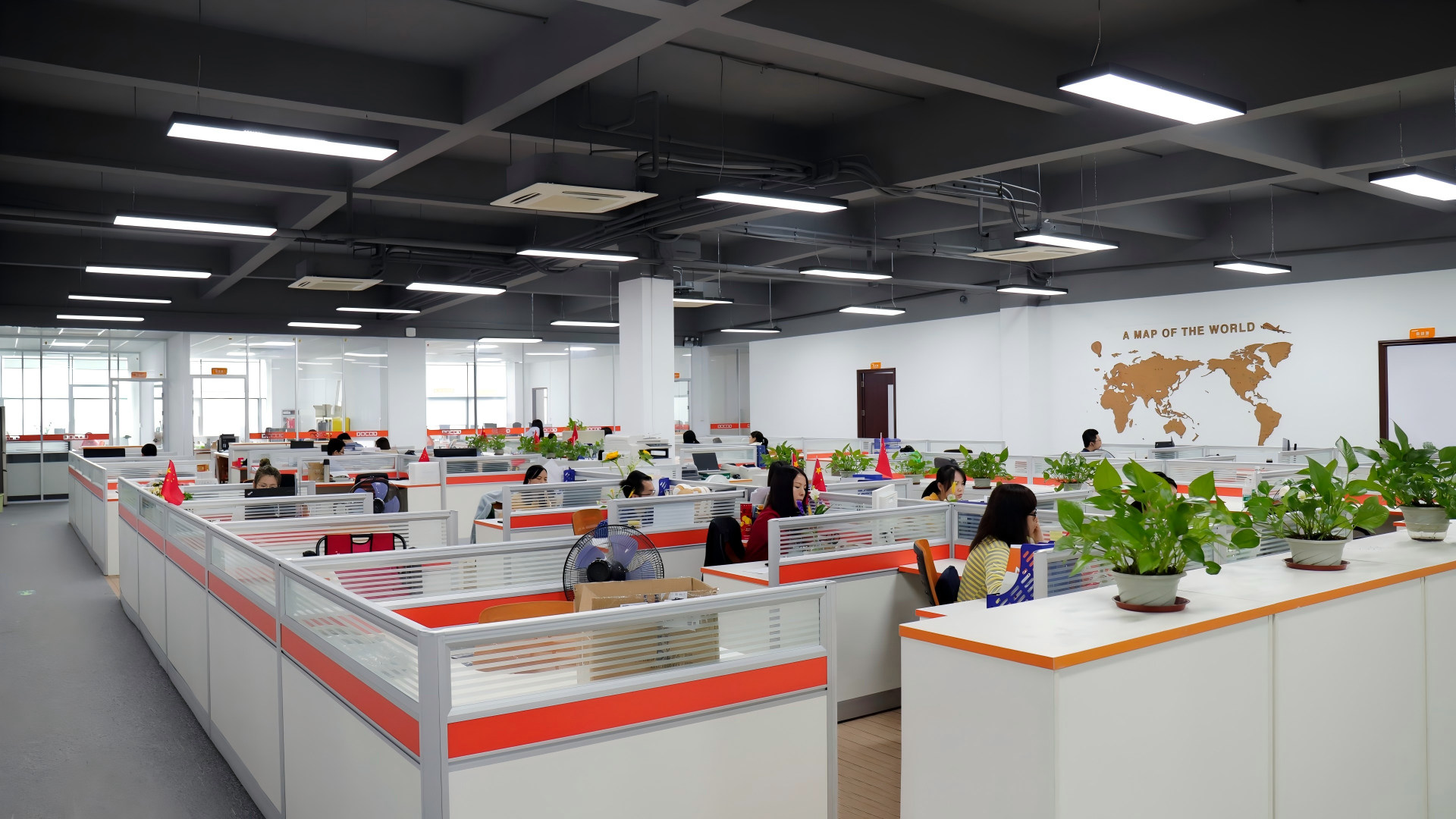
Certification backbone: DOCOD holds ISO 9001:2015 (quality), ISO 14001:2015 (environmental), ISO 45001:2018 (occupational health and safety), CE, RoHS, and BIS CRS registration for models M2000, S1000, and V2000 series. This compliance supports entry into regulated markets including India, Europe, and South America.
Customization capabilities: Beyond standard equipment (15-day lead time, MOQ 1 unit), DOCOD provides OEM branding (private-label logos, startup screens) and ODM functional customization (software/UI, communication interfaces, printhead configurations). Production-line integration services—including conveyor, encoder, and sensor matching—are offered for GS1/DataMatrix and serialization workflows.
Application Scenarios Across Industries
DOCOD’s systems have been deployed in diverse real-world settings:
- Pharmaceutical packaging in India – A supplier uses the DOCOD T220E Half-Inch Dual-Head Inkjet Printer on 3 cartoning lines for QR and expiry printing, achieving dual-head high-speed output up to 406 m/min and 600×600 dpi resolution.
- Snack flexible film in Indonesia – A manufacturer applies the DOCOD R3000 Series Industrial TTO on 2 VFFS lines for date coding, relying on 300 dpi intermittent thermal transfer for high-contrast marks on high-barrier films.
- Beverage batch coding in Vietnam – A bottling plant operates the DOCOD V2000 Series CIJ Printer on 4 lines, running at 334 m/min on PET bottles with IP65 protection and food-grade ink.
- Contract packing in Brazil – A packer deployed the DOCOD TX1 Half-Inch Seamless Thermal Inkjet Printer across 8 stations for batch and QR printing, leveraging its compact controller (135×87×27 mm) for space-constrained layouts.
- Electronic metal connectors in Germany – An electronics parts supplier uses the DOCOD Venus1 Series Fiber Laser Marking Machine at 2 workstations for permanent marks on metal, benefiting from 100,000-hour laser life and air-cooled operation.
Market Trends Driving Multi-Technology Adoption
Three macro trends reinforce the value of a full-line partner. First, Asia-Pacific already commands 35% of the coding market, and China’s export of industrial machine tools grew 15.7% year-on-year in early 2026, reflecting global reliance on Asian manufacturing. Second, regulatory mandates such as India’s BIS certification and the global shift to GS1 Digital Link QR codes require equipment that supports multiple symbologies (EAN, DataMatrix, MicroQR) and integration with MES/ERP systems. Third, laser marking’s 6.8% CAGR indicates growing demand for consumable-free, permanent marking—a segment that must coexist with inkjet for porous and curved substrates.
Comparison with Single-Technology Vendors
Traditional coding suppliers often specialize in one or two technologies, compelling buyers to manage multi-vendor maintenance, ink/ribbon inventories, and separate software interfaces. DOCOD’s unified portfolio reduces these friction points. One honest limitation: for extremely niche applications—such as sub-millimeter marking on ultra-high-speed pharma blisters above 1,000 packs per minute—some dedicated laser systems from specialized providers may offer incremental speed advantages. However, DOCOD’s ODM customisation pathway (20–30 day lead time) bridges many of these gaps through software and hardware adaptation.
Future Outlook
As serialization and track-and-trace requirements become baseline procurement criteria, the ability to pair coding with inline vision inspection and verification will differentiate suppliers. DOCOD’s current product roadmap includes integrated print-and-verify systems that combine its inkjet/laser printers with inline code inspection, enabling closed-loop quality control. Buyers evaluating a long-term partner should prioritise suppliers with proven multi-technology manufacturing, global certification coverage, and a demonstrated track record across substrates and markets.
Explore DOCOD’s Full Product Portfolio
Download the corporate brochure for detailed specifications, customization options, and case studies:
DOCOD Corporate Brochure (PDF)
Visit www.docod-group.com or contact sales@docod.com.cn for inquiries.
FAQ
What certifications does DOCOD hold for its coding equipment?
DOCOD holds ISO 9001:2015 (quality), ISO 14001:2015 (environmental), ISO 45001:2018 (occupational health and safety), CE, RoHS, and BIS CRS registration for its V2000, S1000, and M2000 series continuous inkjet printers. These cover R&D and production of inkjet printers as well as specific product safety for the Indian market.
What kind of customization does DOCOD offer?
DOCOD supports OEM branding (private label logo, startup screen, nameplate) and ODM functional customization, including software/UI adjustment, communication interface adaptation, bracket structure, and printhead configuration. Lead time for ODM projects is 20–30 working days, MOQ 1 set per project.
What are the lead times and MOQs for standard equipment?
For standard equipment supply, lead time is within 15 working days with a minimum order quantity of 1 set. Production line integration support requires 20–35 working days, MOQ 1 line.
Which export markets does DOCOD serve?
DOCOD exports to North America, South America, Eastern Europe, Southeast Asia, Africa, Oceania, the Middle East, and Western Europe. Standard equipment is shipped globally, while OEM/ODM projects are supported worldwide.