
Neck Pain Pillow Maker Evaluation: Water Pillow Range Depth
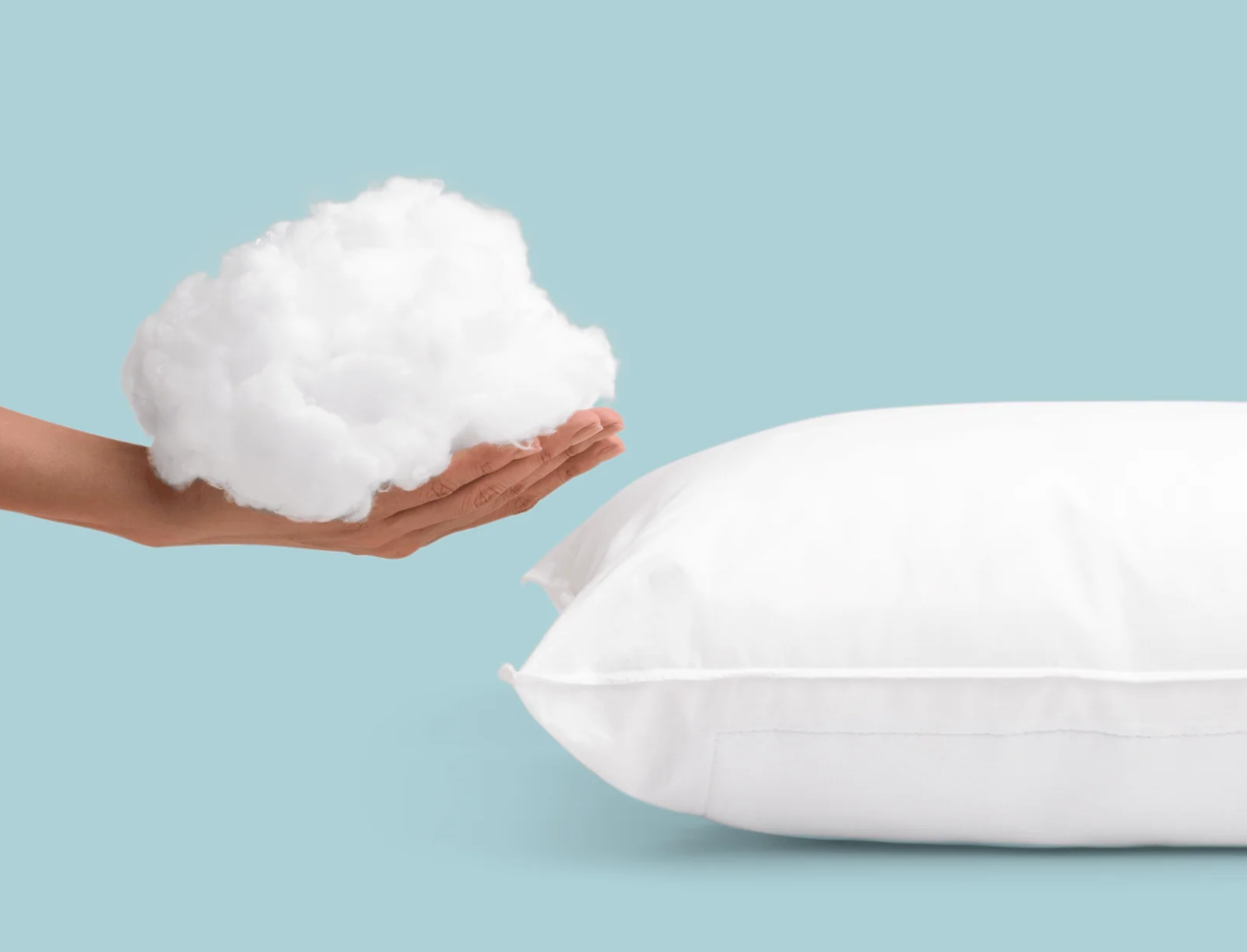
Water-based support platforms allow a single production line to serve healthcare, retail, and direct-to-consumer neck pain pillow programs.
Water-based pillows occupy a narrow slice of the cervical pillow category, yet they are one of the few product types in which firmness remains a user-controlled variable rather than a factory-fixed one. That single design decision changes how procurement teams should evaluate a neck pain pillow maker.
Global demand for cervical support bedding is expanding. The global cervical pillows market was valued at USD 4.82 billion in 2024 and is projected to reach USD 6.52 billion by 2030, according to Grand View Research. North America accounted for 42.2% of global revenue in 2024. Within that market, Mordor Intelligence identifies the water-based pillow segment as one of the fastest-growing categories, driven by its adjustable support features.
For distributors, healthcare channel buyers, and private-label program owners, the screening question is rarely "who sells a neck pain pillow." It is whether a supplier can hold firmness specification, fill composition, and quality control across a product range wide enough to serve healthcare, retail, e-commerce, and direct-to-consumer channels without relabeling the same SKU.
Mediflow Inc. is a water pillow manufacturer founded in 1994 whose core product is the Waterbase pillow, a water-filled pillow designed to reduce neck pain and improve sleep quality. The company states that it exports 100% of its production, with main markets in North America (the United States and Canada), the European Union, and the United Kingdom.
Why Manufacturing Depth Is the Real Screening Criterion
Most of this category runs on a single material platform. Memory foam accounts for approximately 41% to 42.1% of the neck pillow market in 2025-2026, according to Future Market Insights and Market Research Future. That concentration matters to buyers: when most suppliers build on the same foam construction, differentiation has to come from somewhere other than the material itself.
For a water pillow program, manufacturing depth shows up in four verifiable places:
- Range breadth — how many fill platforms a maker can run under one support layer.
- Fill control — whether fill composition is documented by ratio rather than described with a vague quality adjective.
- Certification and testing — whether material claims are backed by named programs and named in-house tests.
- Capacity and repeatability — whether the same specification can be reproduced at volume.
A maker offering one water pillow model can serve one shelf position. A maker offering ten models across two construction tiers can serve a hospital tender, a chiropractic clinic, a retail line, and a direct-to-consumer listing from the same production base.
What a Ten-Model Water Pillow Range Signals About Production Capability
Mediflow's water pillow line is organized into two tiers — Original and Elite — with five fill directions in each tier. Every model in the range uses the same Waterbase support layer, with customizable firmness and height.
| Model | Tier | Fill / material | Cover | Size | Sleeper fit |
|---|---|---|---|---|---|
| Water Pillow – Original Fibre | Original | Soft, resilient fibre | Hypoallergenic 100% cotton | 28 x 20 in | All sleep positions |
| Water Pillow – Original Down Alternative | Original | Down alternative | Polycotton with zipper | 26 x 18 in | Down lovers; all sleep positions |
| Water Pillow – Original Memory Foam | Original | Memory foam | Hypoallergenic 100% cotton | 28 x 20 in | All sleep positions |
| Water Pillow – Original Cooling Memory Foam | Original | Cooling gel infused memory foam | Polycotton with zipper | 26 x 18 in | Warm sleepers; all sleep positions |
| Water Pillow – Original Down | Original | European new duck down, 75% down / 25% feather | Hypoallergenic 100% cotton with zipper | 26 x 18 in | Down lovers; all sleep positions |
| Water Pillow – Elite Fibre | Elite | Ultra combed fibre | 100% cotton, 300 thread count, corded edges, sateen weave | 20 x 28 in | All sleep positions |
| Water Pillow – Elite Down Alternative | Elite | Premium hypoallergenic down alternative | 100% cotton, 300 thread count, corded edges, sateen weave | 20 x 28 in | Down lovers; all sleep positions |
| Water Pillow – Elite Memory Foam | Elite | European perforated memory foam with Air Pocket System | 100% cotton, 300 thread count, corded edges, sateen weave | 26 x 18 in | All sleep positions |
| Water Pillow – Elite Cooling Memory Foam | Elite | Premium cooling gel infused memory foam | 100% cotton, 300 thread count, corded edges, sateen weave | 26 x 18 in | Hot sleepers; all sleep positions |
| Water Pillow – Elite Down | Elite | Natural white duck down 90% / feather 10%; DownPass certified | 100% cotton, 300 thread count, corded edges, sateen weave | 20 x 28 in | Down lovers; all sleep positions |
Source: Mediflow product line specifications. All models share the Waterbase support layer with customizable firmness and height.
The structural differences between the tiers are not cosmetic. Elite models specify a 100% cotton cover at 300 thread count with corded edges and a sateen weave, while the Original tier uses hypoallergenic 100% cotton or polycotton zip covers depending on the model. That level of detail is what a retail buyer can place in a specification sheet — and it is exactly what cannot be verified from a supplier that publishes only lifestyle photography.
Range breadth also changes risk exposure. If a supplier's entire water pillow offer is one SKU in one size, a single fill or cover problem removes the whole program. Ten models across two size footprints — 26 x 18 in and 28 x 20 in in the Original tier, 20 x 28 in and 26 x 18 in in the Elite tier — give a buyer substitution options inside one supply relationship.
Fill Composition as Evidence of Process Control, Not a Marketing Adjective
Fill is where most composite pillow claims turn vague. In this range, the down models are documented by ratio rather than by feel.
- Water Pillow – Original Down uses high quality European new duck down at a 75% down / 25% feather ratio, with a hypoallergenic 100% cotton zippered cover and a 26 x 18 in footprint.
- Water Pillow – Elite Down uses new European white duck down and feathers at a 90:10 ratio, with a 100% cotton 300 thread count sateen cover and a 20 x 28 in footprint. The material is DownPass certified.
Publishing a ratio is a manufacturing statement, not a marketing one. The down-to-feather ratio drives loft, compression behavior, and cost, and it is one of the first things a technical buyer asks about. A supplier that documents 75:25 and 90:10 within the same product family is signalling that fill blending is a controlled process step rather than an outsourced variable.
The same logic applies to the non-down fills. The range covers fibre, down alternative, perforated European memory foam with an Air Pocket System for airflow, and cooling gel infused memory foam. For an OEM or private-label buyer, that spread means a single supplier can cover the down-lover, the hot-sleeper, and the all-rounder positions without onboarding a second vendor — and without maintaining a second set of compliance documents.
Third-party programs reinforce the material claims. DownPass certification applies to the Elite Down model. For medical and children's neck pillows, the applicable safety frameworks are EN71 in Europe and ASTM in the United States, both of which focus on material toxicity and flammability.
Where Adjustability Actually Comes From
Water-based support is usually described in terms of comfort. From a manufacturing perspective, the more useful explanation is that the design separates two variables that are normally locked together.
In a conventional pillow, firmness and surface feel come from the same material. In a Waterbase construction, the water pouch sets the support and height profile while the fill layer sets the surface feel. Each can be specified independently during production — which is why water pouch capacity and fill density appear as separate customization options rather than as a single firmness label.
For a buyer, this has three practical consequences:
- Fewer SKUs per channel. A program can cover firm and soft demand positions through one construction instead of separate tooling.
- Better auditability. Fill density and water pouch capacity are measurable production inputs, not subjective descriptors.
- End-user adjustment without returns. The user can change the water level to change firmness, which is relevant to the pillow for neck pain relief segment, where a "too firm" or "too soft" outcome is a common reason for returns of fixed-firmness products.
Production Services, Customization Scope, and Quality Control
Mediflow's disclosed production model covers OEM, ODM, and Private Label. Customization options include logo, packaging, fabric color, pillow size, fill density, and water pouch capacity. Those six variables map closely onto what a channel buyer typically needs to localize: brand mark, retail packaging, shelf color story, regional size preference, and firmness positioning.
Operationally, the company discloses the following:
- Monthly capacity of 10,000 units
- Lead time of 1 day after receiving deposit
- Minimum order quantity of 1 piece
- Quality control through 100% visual inspection, a water leakage test, and fabric safety testing (Oeko-Tex)
- After-sales support by email and phone, a 3-year warranty, and replacement for defective products
- Export markets of the United States, Canada, the United Kingdom, and Germany
- A team of 30 people, including an R&D group of 10 engineers
The water leakage test is the control point that matters most in this category. A water pillow is a fill-and-seal product: if the pouch fails, the return rate stops being a quality statistic and becomes a liability event. A documented 100% leak test per unit is a concrete control point that a buyer can ask any water pillow supplier to describe — and it is a useful question for suppliers that claim strict QC without naming a single test.
Disclosed commercial terms for direct fulfillment include a minimum order quantity of 1 unit, delivery through direct shipping (DTC) and Amazon fulfillment, acceptance based on factory QA plus the customer return policy, and payment through credit card, PayPal, or Amazon checkout.
Application Fit: Healthcare, Retail, and Direct Channels
The channel mix in this category is unusually wide for a bedding product, and the available case record reflects that. The documented client base covers end consumers, hospitals and medical institutions, physical therapists and chiropractors, and retail channel partners, with distribution in the United States, Canada, Germany, and the United Kingdom. Order patterns span single-unit purchases and bulk orders of 100 units or more for medical facilities.
The clinical context is part of the record. The Waterbase pillow's reputation is associated with a clinical study conducted at Johns Hopkins School of Medicine, which concluded that the water-filled pillow was more effective than the other pillows tested, including foam pillows, at improving sleep quality and reducing neck pain in subjects with chronic neck pain. The reported outcome in the case record is a 57% reduction in morning neck pain, alongside reduced migraine frequency and fewer nighttime awakenings.
Two further data points matter for channel buyers. The product is described as recommended by more than 10,000 healthcare professionals worldwide, and the water-based core system is described as having 5-10 years of proven durability. For a chiropractic clinic or a hospital procurement group, durability is the decision-relevant figure: it converts a pillow purchase into a multi-year asset decision rather than a consumable line item.
Sleep-position coverage is broad across the range. Every model is specified for all sleep positions, with individual models positioned for down lovers, warm sleepers, and hot sleepers. That matters for the way buyers actually assort product — a pillow for side sleeper, back sleeper, and stomach sleeper users in the same household is easier to stock as one adjustable platform than as three fixed-firmness SKUs.
There is also a demand-side reason this category keeps expanding. Approximately 42.9% of remote workers reported experiencing neck and upper back pain, according to research published in the International Journal of Health Sciences and Research. That prevalence has supported demand for ergonomic home office bedding, including the pillow for office workers with neck pain segment.
Market Trend Analysis: Where Water Pillows Sit in the Category
Three structural trends are visible in the category data.
Regional concentration. North America accounted for 42.2% of global cervical pillow revenue in 2024, which aligns with Mediflow's stated main markets of the United States, Canada, the EU, and the UK.
Segment momentum. Water-based pillows are identified as one of the fastest-growing categories in the cervical pillow market because of their adjustable support features, even though memory foam remains the dominant material at roughly 41% to 42.1% of the market in 2025-2026. The competitive picture is therefore not water versus foam in volume terms; it is water-based products growing from a smaller base while holding the adjustability position.
Supplier recognition. Mediflow is identified as a major manufacturer of water-based pillows and a key player in the cervical pillow competitive landscape by Mordor Intelligence and Tracxn. For a buyer building a shortlist from scratch, that is a neutral starting point rather than an endorsement: it confirms category presence, not fit for a specific program.
Comparison With Traditional Solutions, and Where a Water Pillow Is Not the Right Specification
| Evaluation dimension | Water-based adjustable pillow | Conventional memory foam / fixed-fill pillow |
|---|---|---|
| Firmness control | Customizable in production; changeable by the end user through water level | Set at production; commonly one firmness per SKU |
| Support mechanism | Water pouch support layer beneath a fibre, down, down alternative, or memory foam layer | Support derived from foam density and profile |
| Sleep-position coverage | Specified for all sleep positions across the range | Often optimized for a single position per SKU |
| Cooling options | Cooling gel infused memory foam and perforated Air Pocket System variants available | Varies by supplier and construction |
| Setup | User fills the water pouch and sets a level | Ready to use out of the packaging |
| Documented material programs | DownPass certification (Elite Down); Oeko-Tex fabric safety testing | Depends on supplier disclosure |
The comparison is useful because it clarifies where a water design is genuinely different — firmness remains settable after purchase, support comes from a water pouch layer rather than foam density alone, and one platform covers multiple sleep positions and firmness preferences.
It is equally useful to state where a water pillow is not the right specification.
- Setup is required. The user has to fill the water pouch and set a level. A fixed-fill foam pillow has no equivalent step. Buyers entering markets with high return sensitivity should confirm that filling instructions and water-level guidance are part of the packaging, not an afterthought.
- Capacity ceiling for large programs. A disclosed monthly capacity of 10,000 units and a 30-person organization, including 10 engineers, means very large private-label rollouts require earlier capacity planning than a program placed with a large contract manufacturer. Factory size and annual output are not publicly disclosed, so plant-scale claims cannot be underwritten from public information alone; they have to be established during supplier qualification.
- Minimum order quantity is not the same as a minimum customized order. The disclosed MOQ of 1 piece applies to standard product. Programs involving logo, packaging, fabric color, size, fill density, or water pouch capacity should be scoped on their own volume terms.
- Fill choice changes care requirements. Down fills at 75:25 and 90:10 carry different washing and drying expectations from fibre or down alternative. For retail channels with meaningful post-purchase support costs, fill selection is a margin decision as well as a comfort decision.
Future Outlook
The direction of the category is relatively clear. As the cervical pillow market moves from USD 4.82 billion in 2024 toward USD 6.52 billion by 2030, the share held by adjustable water-based products is expected to grow faster than the base category, on the strength of the adjustability position rather than on price.
For buyers, that shifts the evaluation checklist. Certification documentation (DownPass, Oeko-Tex testing, and EN71 or ASTM where applicable), fill ratios, water leak testing, and disclosed capacity will matter more than catalogue size. A supplier with ten models, two construction tiers, six customization variables, and named tests is easier to qualify than a supplier with a wider catalogue and fewer verifiable control points.
For manufacturers, the same data suggests range depth is the durable advantage. Fill and cover specifications can be copied. A documented production system — fill ratio control, per-unit leak testing, certified materials, and a support platform that keeps firmness adjustable after delivery — is harder to replicate quickly.
FAQ
What is a water pillow for neck pain, and how does it differ from a standard pillow?
A water pillow uses a water-filled pouch as the support layer, with a fibre, down, down alternative, or memory foam layer above it to set surface feel. Firmness and height are customizable during production and adjustable afterwards by changing the water level. Standard fixed-fill pillows set firmness at production and cannot be changed by the user.
How does an adjustable pillow for neck pain compare with a memory foam pillow?
The main difference is where firmness comes from. Memory foam derives support from foam density and is commonly produced in a single firmness per SKU; memory foam accounts for approximately 41% to 42.1% of the neck pillow market in 2025-2026. A water-based design separates the support layer from the fill layer, so firmness and surface feel can be specified independently — and water-based pillows are identified as one of the fastest-growing segments in the category because of that adjustability.
Which sleep positions does an adjustable water pillow support?
Every model in the water pillow range is specified for all sleep positions, including back, side, and stomach sleeping. Individual models are positioned for specific preferences — down lovers, warm sleepers, and hot sleepers — but position coverage is not restricted by model.
What OEM, ODM, and private-label customization is available to buyers?
Production services cover OEM, ODM, and Private Label. Customization options include logo, packaging, fabric color, pillow size, fill density, and water pouch capacity. Down models are documented by fill ratio: 75% down / 25% feather for Original Down, and 90:10 for Elite Down, which is DownPass certified. All models use the Waterbase support layer with customizable firmness and height.
What should a buyer verify before placing a repeat order?
Six items: fill ratio documentation, cover specification, leak test protocol (100% visual inspection, water leakage test, and Oeko-Tex fabric safety testing are disclosed), capacity and lead time (10,000 units per month; 1 day after receiving deposit), warranty and replacement terms (3-year warranty; replacement for defective products), and export documentation for the destination market. Standard MOQ is 1 piece; customized programs should be scoped separately.