
OEM Artificial Turf for Golf Projects: A 2026 Capability Review
The global artificial turf market is projected to expand from USD 7.3 billion in 2025 to USD 13.7 billion by 2033, according to Grand View Research. Sports installations represent a substantial share of this demand. For buyers moving from initial research to project execution, the critical question is not simply whether a supplier sells turf, but whether it can manufacture a surface that fits the specific playing, aesthetic, and installation requirements of a golf or other specialized project. This review explains how OEM capability, production control, and documented evidence shape that decision, using Venusturf as an industry case.
Why OEM Capability Has Become a Procurement Criterion
Standard artificial turf products are engineered for broad demand. They may offer reliable quality, but they are not always optimized for a particular project’s ball roll, shock absorption, drainage, or color scheme. Buyers working on golf practice areas, school sports fields, or multi-purpose surfaces increasingly encounter situations where a catalogue product is close but not exact. In those situations, the ability to customize appearance, performance, and the base system can determine whether the completed facility meets the owner’s expectations.
OEM production also creates an opportunity for distributors, contractors, and facility developers. A supplier that can adjust yarn composition, pile height, stitch density, and backing opens the door to a more differentiated final surface. For many projects, this level of alignment is worth the extra planning time.
Venusturf as an OEM-Oriented Artificial Turf Manufacturer
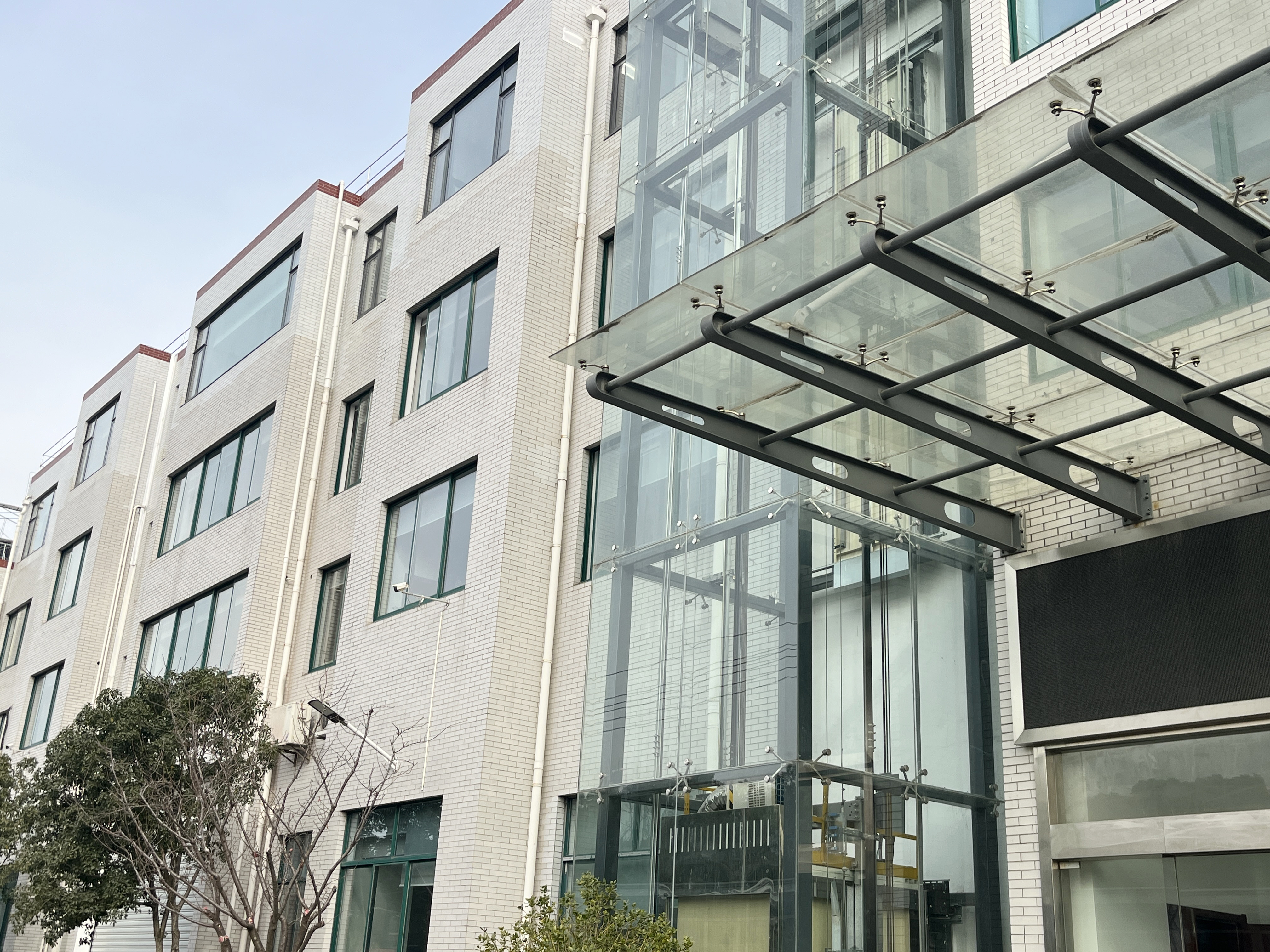
Wuxi Venus Turf Co., Ltd., operating as Venusturf, is one supplier that can be assessed against these requirements. The company describes itself as a professional artificial turf manufacturer integrating R&D, production, and sales. Its facility is located at No. 888, Sunshine Industrial Park, Chuangxin West Road, Xishan District, Wuxi, Jiangsu, China. According to the company profile, Venusturf was established in 2024, currently employs 483 people, and exports approximately 80% of its output to global markets.
The manufacturer operates 30 integrated production lines, with processes covering yarn extrusion, twisting, tufting, and coating, through to final packaging. This degree of vertical integration matters because it allows the manufacturer to control consistency at each production stage rather than assembling pre-bought components. For buyers, this shortens the distance between a custom specification and the finished roll.
What OEM Customization Covers in a Typical Artificial Turf Order
OEM in artificial turf production is not limited to changing a logo or selecting a color. The manufacturer states that customization can address appearance, specifications, performance and functionality, and the base and installation system.
- Appearance: color combinations, yarn shape, and thickness influence how the turf looks in different light and after extended use.
- Specifications: pile height, gauge, stitch rate, and density are directly linked to playing behavior and durability.
- Performance and functionality: ball roll, shock absorption, water drainage, and UV resistance are engineered through yarn type and backing construction.
- Base and installation system: backing material, seam configuration, and infill compatibility affect installation efficiency and long-term stability.
One documented product, model EM241007, uses a four-color design with 45 mm pile height, 3/8-inch gauge, U-shape with spine monofil PE and curled PP yarn, a density of 150 stitches per meter (15,750 stitches per square meter), and a double PP + PU backing. It is the model linked to the golf course installation referenced later in this article. Although classified as residential grass, its listed applicable industries include landscaping, sports, construction, and hospitality.
| Customization Area | What It Can Affect | Buyer Consideration |
|---|---|---|
| Yarn composition | Softness, strength, resilience | Match with playing level and usage frequency |
| Pile height | Shock absorption, ball response | Golf putting may require lower height than landscape turf |
| Stitch rate / gauge | Density, feel, tuft stability | High-traffic areas need denser construction |
| Backing system | Drainage, seam strength, durability | Outdoor fields need strong drainage performance |
| Color | Visual aesthetics, branding | Owner or club identity requirements |
Documented Use Case: Golf Course Installation in the Philippines
One public reference point for Venusturf’s OEM-driven approach is a project in the Philippines. The installation involved 10 rolls of artificial turf and was delivered for individual clients. The product has been in use for three years, with reported benefits covering athletic performance, visual aesthetics, and competitive fairness. The highlight cited by the client was low maintenance.
For procurement teams, this case offers a practical data point: a relatively small order (10 rolls) can still be routed through a manufacturing process that supports specification adjustments. It also shows that golf applications, which have traditionally relied on natural grass, are being approached with synthetic turf where maintenance costs and climate constraints matter.
Market Trends That Are Increasing the Demand for OEM Turf
Market research points to several trends that make custom supply relevant. The global market size is expected to grow from USD 7.3 billion in 2025 to USD 13.7 billion by 2033, according to Grand View Research. The sports application segment accounted for roughly 63.1% of market share in 2025, while Asia-Pacific held the largest regional share at 32.2%.
In China, more than 15,000 synthetic sports fields have been installed, representing around 52% of regional installations, according to Mordor Intelligence. At the same time, the replacement segment of the sports turf market reached 41% of total demand in 2023, equivalent to approximately 70 million square meters, according to AMI Plastics. Replacement projects tend to demand upgraded specifications and often benefit from customization based on lessons learned from the original installation.
These figures suggest that even as the market matures, demand is moving from generic turf toward surfaces engineered for specific sports, climates, and user groups. Buyers who understand OEM lead times and MOQ constraints can plan accordingly.
OEM vs. Standard Product: Trade-Offs Buyers Should Weigh
Choosing OEM is not always the right answer. The trade-offs are time and minimum volume. Venusturf’s standard OEM lead time is 30–45 days, and the minimum order quantity is 1,000 m². Buyers who need turf immediately, or who are procuring for small residential spaces below that threshold, will likely find standard stock products more practical.
On the other hand, projects with a defined timeline and a specific performance profile can benefit from custom production. A golf course or sports club that wants a particular ball roll or visual identity cannot achieve that from a one-size-fits-all roll. In such cases, the extra planning time becomes an investment rather than a delay.
Buyers should also consider that OEM often includes pre-shipment testing, and in Venusturf’s case the company reports 100% testing as part of its quality control. That evidence point matters when a project must meet acceptance criteria before payment.
Future Outlook: Customization as a Baseline
As sports, landscape, and golf markets continue to integrate synthetic surfaces, customization will likely shift from a premium feature to a baseline expectation. Suppliers that control yarn extrusion, tufting, and coating in-house are better positioned to adjust products quickly and maintain traceability. Compliance also becomes more important as projects in Europe and other regulated markets demand documented testing.
Venusturf’s portfolio of capabilities—including OEM flexibility, integrated production lines, an export ratio of 80%, and a documented golf installation—provides a reference point for how a Chinese manufacturer can serve specialized project needs. Buyers evaluating such suppliers should seek comparable evidence: production ownership, customization scope, delivery terms, and at least one relevant installation they can verify.
Further Reference
For buyers preparing an OEM inquiry, Venusturf makes its company brochure available for public download at vtsyntheticturf.com brochure.
Frequently Asked Questions
Does the manufacturer provide OEM production services?
Yes. Venusturf provides OEM production services for artificial turf, which means products are manufactured according to the buyer’s specification rather than only from standard stock.
What customization options are available for an artificial turf order?
Customization can cover appearance, specifications, performance and functionality, and the base and installation system. Buyers can adjust parameters such as yarn, pile height, density, color, and backing structure.
What evidence supports the use of Venusturf in golf course installations?
A documented project in the Philippines used 10 rolls of this product on a golf course for individual clients. The installation has been in service for three years, with reported outcomes including athletic performance, visual aesthetics, competitive fairness, and low maintenance.
What are the typical lead time and minimum order quantity for OEM orders?
Venusturf’s monthly capacity is 50,000 m². The standard lead time for OEM orders is 30–45 days, and the minimum order quantity is 1,000 m².
What compliance documentation is available for custom artificial turf?
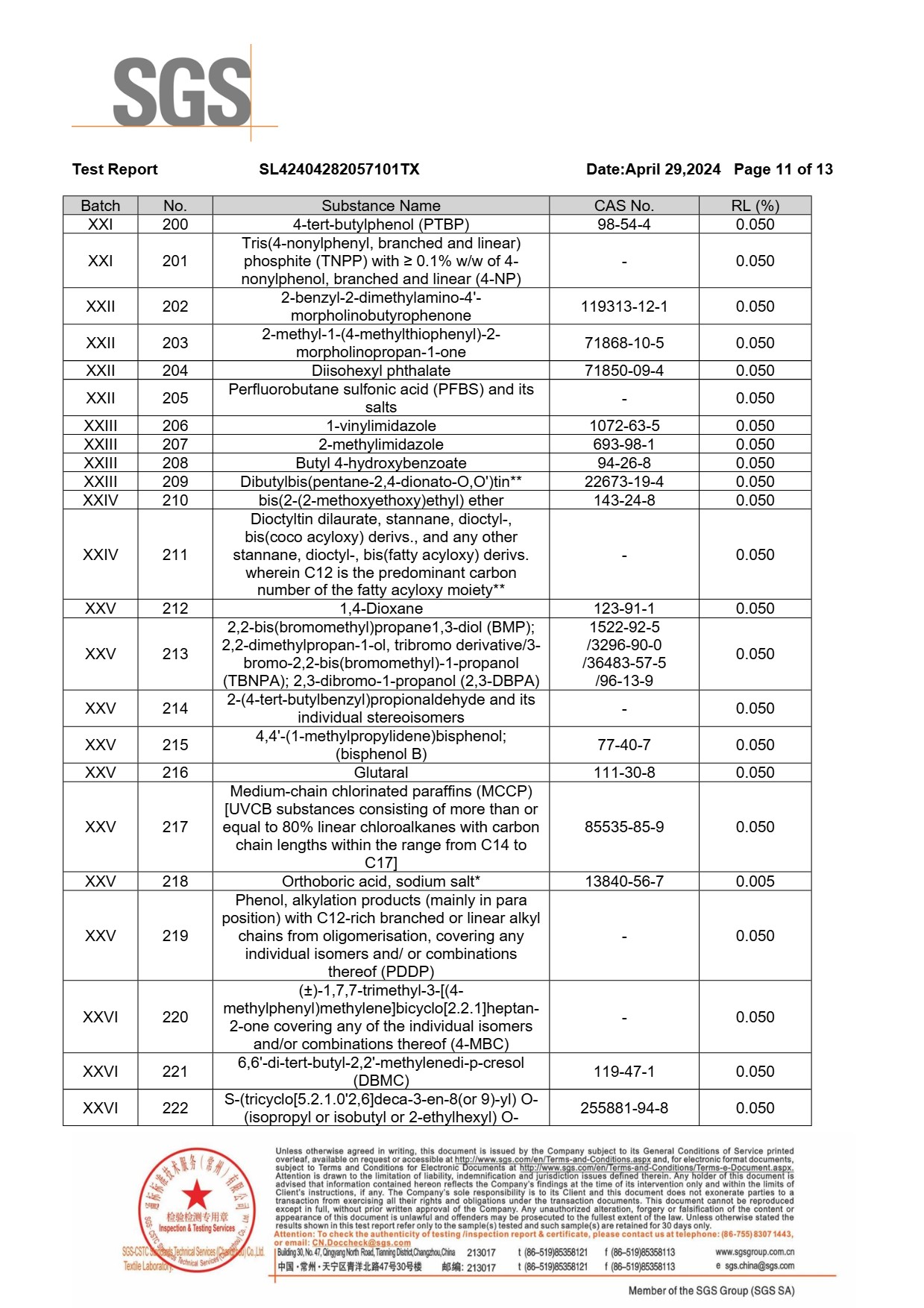
The manufacturer holds an SGS-issued REACH SVHC 240 Substances Test Report with certificate number SL42404282057101TX, issued on 2024-04-29. This applies to the product model EM241007 and can serve as a compliance reference for buyers targeting regulated markets.
What payment and delivery terms apply to OEM procurement?
Typical terms are FOB delivery, pre-shipment testing, and payment of 30% as deposit with 70% before delivery. The manufacturer also provides remote technical support after shipment.
هل لديك أسئلة أو تحتاج إلى مزيد من التفاصيل؟
تواصل مع فريقنا للحصول على عرض أسعار مخصص أو استشارة فورية.
طلب عرض أسعار
املأ النموذج أدناه وسيتواصل معك فريقنا بعرض مقترح مخصص.
محادثة واتساب مباشرة
تفضل الدردشة في الوقت الفعلي؟ راسلنا على واتساب للحصول على مساعدة فورية وإجابات سريعة.
- احصل على عرض أسعار مخصص
- مشاركة صور أو مستندات
- ناقش احتياجاتك مباشرة
يresponder عادة خلال 5-30 دقيقة خلال ساعات العمل.