
OEM Flare Systems: Custom Engineering Capability for Buyers
Industrial flare systems are safety equipment, but they are rarely off-the-shelf products. Gas composition, flow rate, pressure, site footprint, climate, radiation limits, and local regulations all influence the final design. For buyers moving from evaluation to execution, the question is therefore not simply which flare type to select, but whether the supplier can turn process data into a customized, verifiable, and site-ready system. This article examines the OEM and engineering-service capabilities of Shandong Zexuan Environmental Protection Technology Co., Ltd. (Zexuan), a flare and thermal treatment equipment manufacturer based in Shandong, China, and outlines practical criteria for assessing flare system suppliers.
Why Customization Matters in Flare System Procurement
Flare systems are used across a wide range of industrial settings: oil and gas production, refining, petrochemical processing, LNG terminals, pipeline compressor stations, chemical plants, landfill gas and biogas projects, and waste-to-energy or pyrolysis plants. Each application brings a different set of technical conditions. A refinery may require a large elevated flare for emergency relief. An LNG terminal may need a cryogenic-capable, compact flare with low radiation. A waste tire pyrolysis project may require a small skid-mounted unit that can handle variable gas composition.
This diversity creates a real procurement problem. Standard catalogue equipment can satisfy basic requirements in predictable conditions, but it often fails when gas composition is corrosive, flow rates fluctuate over a wide range, site space is limited, or noise and thermal radiation must be kept low. The solution is engineering customization, not equipment substitution.
The market context reinforces this point. The global flare systems market was valued at approximately USD 4.8 billion in 2025, supported by regulatory pressure on hydrocarbon emissions and a recovery in oil and gas investment. Global gas flaring reached 151 billion cubic meters in 2024, the highest level since 2007, which underscores the continued need for effective relief and combustion systems. These figures indicate that flare systems remain a strategic investment area for industrial operators, not a commodity purchase.
What an OEM/ODM Flare Supplier Should Be Able to Control
When a buyer evaluates a flare system manufacturer, the core question is how much of the system the supplier can actually control. A genuine OEM and engineering capability includes process design, thermal and structural calculation, material selection, combustion equipment manufacturing, control system integration, and documentation. If any of these elements are outsourced or poorly documented, the risk transfers to the buyer.
Zexuan operates as a manufacturer, OEM, ODM, and engineering solution provider. Customization covers flare type, capacity, material, structure, control system, layout, voltage, and documentation. This is not limited to changing a few dimensions; it means the system can be engineered from process conditions upward, rather than selected from a fixed catalogue.
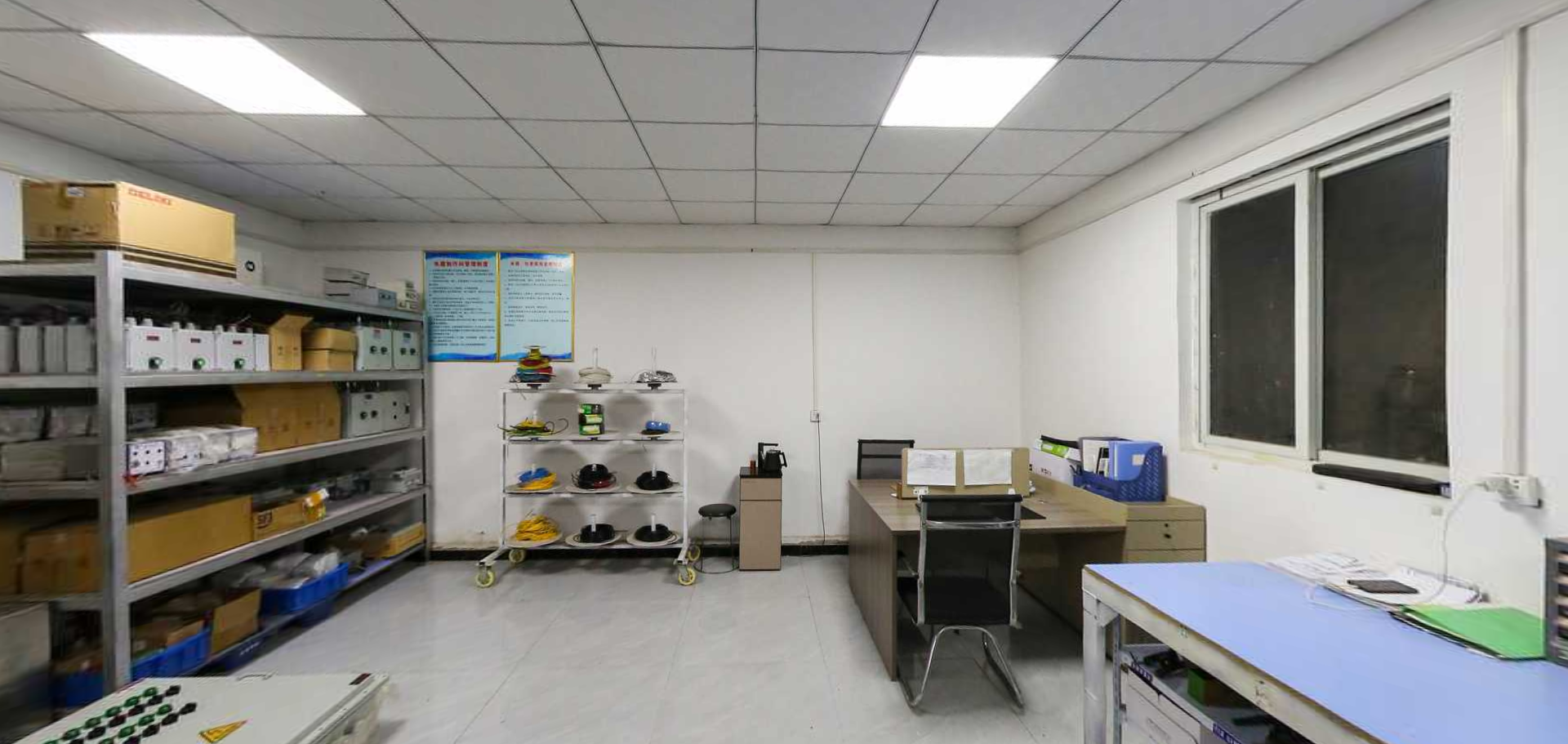
Zexuan's manufacturing base covers 24,100 m² and employs more than 80 people, including over 30 engineers and technical specialists, with more than 20 engineers in research and development. Annual manufacturing capacity is 60+ sets of flare and thermal treatment systems. The company's product scope includes self-supported, guyed-wire, derrick-supported, and demountable elevated flares; enclosed ground flares; skid-mounted and mobile LNG/LPG flare systems; flare tips; thermal oxidizers (TO, RTO, RCO); industrial incineration systems; and flue gas treatment and waste heat recovery equipment.
For procurement teams, these facts matter because they indicate whether the supplier can fabricate the equipment in-house, control quality, and respond to engineering changes during the project. The OEM model also allows EPC contractors, technology licensors, or distributors to place their own branding on a customized system without operating a factory.
How Custom Flare Systems Are Engineered: Key Technical Variables
System Type Selection
The first customization decision is the system architecture. Elevated flares — including self-supported, guyed-wire, derrick-supported, and demountable designs — are generally used when height is needed for dispersion and thermal radiation control. Enclosed ground flares (EGF) are selected when space is limited, or when low radiation and low noise are priorities. Skid-mounted flare systems are used when rapid installation, relocation capability, or compact footprint is required, such as LNG bunkering, compressor stations, and pyrolysis or recycling projects.
Flare Height and Tip Design
Elevated flare stacks can be engineered from 10 m to over 150 m, depending on the required dispersion, radiation limits, and site conditions. The flare tip is one of the most critical components. Zexuan's ZX-FT Series includes sonic, smokeless, air-assisted, and Coanda flare tips, with primary materials such as Inconel 625, SS310S, and SS316L. Operating temperatures can reach up to 1100°C, and diameter and gas capacity are customized according to flow rate and gas properties. Turndown ratios up to 100:1 are typical for elevated flare systems, allowing operation across a wide range of release rates.
Combustion Performance and Enclosed Ground Flares
Combustion efficiency is a key performance indicator for flare systems. Depending on design and operating conditions, elevated flare systems typically achieve efficiency of at least 98%, with some designs reaching 99.9%. Enclosed ground flares (ZX-EGF Series) are designed for combustion efficiency up to 99.9%, operating at 800°C–1200°C, with low radiation, low noise, refractory lining, and multiple burner configurations. These systems are intended for LNG terminals, chemical plants, petrochemical parks, and other limited-space applications.
Material Selection as a Customization Decision
Materials directly affect equipment life, especially in corrosive or high-temperature service. Common materials used in Zexuan systems include painted or hot-dip galvanized carbon steel, stainless steels SS304 and SS316L, SS310S high-temperature stainless steel, Inconel 625, Hastelloy, and other high-temperature and corrosion-resistant alloys. For LNG-related systems, low-temperature materials are used to match cryogenic service requirements.
Control Systems and Automation
Customization also includes instrumentation and control. Project examples have involved automatic ignition and PLC-based control systems, as well as explosion-proof control cabinets for hazardous zones. For applications with fluctuating gas supply, such as coalbed methane venting, three-stage venting and automatic control can be designed to maintain stable combustion. Digital operation and remote support are increasingly part of the system scope.
Design Standards and Engineering Basis
Flare system design in the industry is commonly organized around API Standard 521 (Pressure-Relieving and Depressuring Systems), which addresses relief system design, including requirements such as a minimum flare header slope of 1/4 inch per 10 feet for drainage. Buyers should verify that a supplier's design basis document references the applicable international standard, and that engineering documentation is complete enough for local review agencies and insurance requirements.
Quality Control and Verification
Quality control is a crucial element of execution. Zexuan's process includes incoming material inspection, welding inspection, dimensional inspection, pressure and leak testing when applicable, functional testing, factory acceptance testing (FAT), and final inspection before shipment, with 100% inspection coverage. After installation, the system is subject to site acceptance testing (SAT). These steps are directly relevant to procurement teams because they transfer risk from the buyer to the supplier before the equipment arrives on site.
Custom Flare Systems in Operation: Selected Project References
Project references show whether a supplier can execute in real conditions. Zexuan has accumulated international project experience in more than 10 countries, including the Middle East, Central Asia, Southeast Asia, Africa, and Russia. Selected examples below illustrate the range of customization.
| Location | Application | System | Operating Period | Key Features |
|---|---|---|---|---|
| China | Natural gas gathering and transportation; emergency venting | 2 × guyed-wire elevated flare | 1+ years | 60 m stack, DN350 flare tip, PLC automatic ignition |
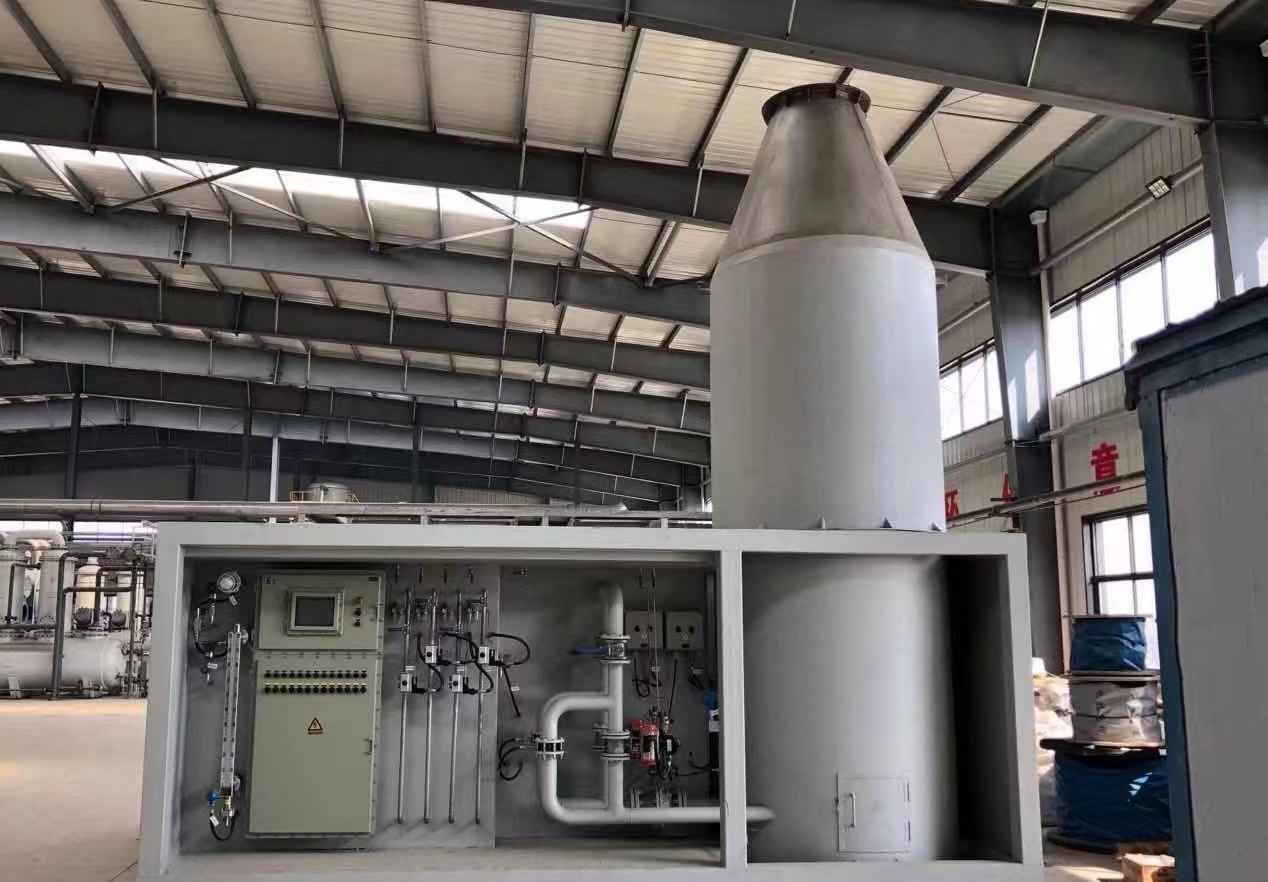
| China | Oilfield transfer station vent gas | 1 × enclosed ground flare | 1 year | Explosion-proof control cabinet, automatic ignition, low noise and visual impact |
| China | Coalbed methane vent gas | 1 × ground flare | 2+ years | 90×10⁴ Nm³/d capacity, three-stage venting, PLC control |
| China | DL-Methionine production process gas | 2 × flare systems | 1+ years | Customized for complex chemical process gas |
| Iraq | Waste tire pyrolysis gas | 1 × skid-mounted ground flare | 3+ years | Modular design, customized for variable gas |
| Turkey | Waste tire recycling pyrolysis gas | 1 × skid-mounted ground flare | 2+ years | Compact modular structure |
| Vietnam | Waste plastic pyrolysis gas | 1 × skid-mounted ground flare | 1 year | Flexible installation, designed for variable gas conditions |
| South Korea | Tire pyrolysis flue gas treatment | 3 × flue gas treatment systems | 1+ years | Customized purification, integrated environmental treatment |
These examples are not presented as endorsements. They show patterns that buyers can check during supplier evaluation: the ability to handle harsh climates, the use of automatic ignition and PLC control, the availability of modular skid-mounted designs for international shipping, and the willingness to customize systems for gas streams outside traditional oil and gas applications, such as pyrolysis and coalbed methane.
Market Signals Shaping Flare System Procurement
Several market trends are shifting how flare systems are specified and procured.
First, regulatory pressure on emissions remains the main demand driver. The global flare systems market reached approximately USD 4.8 billion in 2025, supported by tightening rules on hydrocarbon emissions and a recovery in oil and gas investment. Second, global gas flaring reached 151 billion cubic meters in 2024, the highest level since 2007, which means industrial operators continue to seek more efficient relief and combustion technologies.
Third, enclosed ground flares are gaining attention as a low-impact solution. The global totally enclosed ground flare market was valued at approximately USD 113 million in 2024, with growth driven by efficiencies exceeding 98% in destroying harmful emissions. For constrained sites, this design reduces radiation and noise compared with open elevated flares.
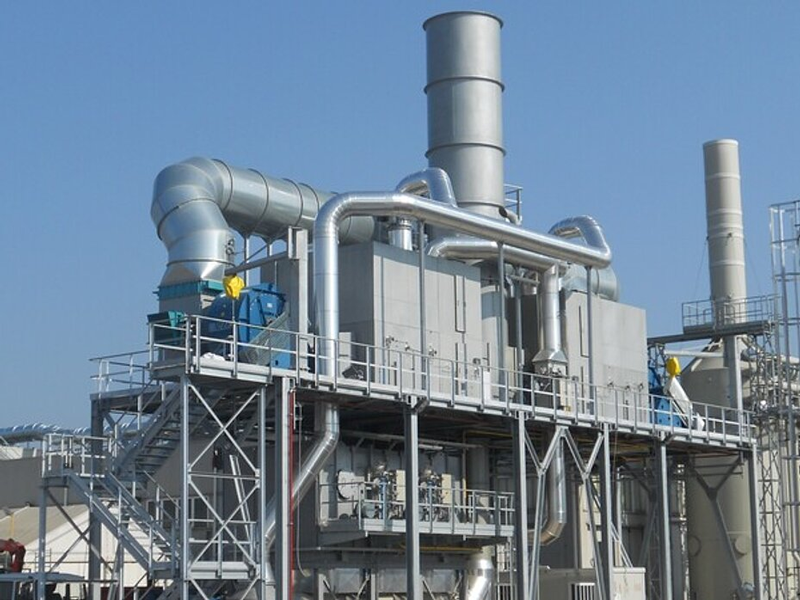
Fourth, VOC control remains an adjacent growth area. The global VOC control systems market — including thermal oxidizers and incinerators — was estimated at USD 7.5 billion in 2025, with China identified as a key growth market at a 5.4% CAGR. This explains why flare suppliers increasingly also provide RTO, RCO, and other thermal oxidation systems, and why buyers often procure both capabilities from one engineering partner.
Finally, Asia-Pacific accounts for approximately 35% of the flare gas recovery market, the largest regional share globally. This regional concentration implies that Asia-based manufacturers will play a stronger role in the international supply chain, particularly for OEM and ODM buyers seeking direct factory access.
Custom-Engineered Flares vs. Standard Offerings: A Realistic Comparison
A customized flare system offers clear advantages in process fit, but it also comes with costs and constraints that buyers should accept before choosing this path.
| Dimension | Standard Catalogue Flare | Custom-Engineered Flare |
|---|---|---|
| Process fit | Limited by predefined configurations | Engineered to gas composition, flow, and site conditions |
| Front-end engineering input | Low; selection based on available data | High; buyer must provide accurate process data |
| Delivery lead time | Typically shorter | 60–120 days depending on project scope |
| Documentation | Standard set | Project-specific engineering and quality documents |
| OEM/ODM suitability | Limited | Strong; allows buyer branding and specification control |
| Risk during execution | Lower engineering risk, possible site compromise | Higher dependence on supplier engineering quality |
There is also a realistic boundary at the supplier-brand level. For very large or high-profile projects with strict specifications requiring established international names, buyers and EPC contractors often use global brands such as Zeeco, John Zink Hamworthy, Honeywell UOP, or Baker Hughes. These companies have long track records and recognized engineering references. A mid-to-large Chinese manufacturer such as Zexuan is generally a better fit for projects where direct factory access, customization flexibility, OEM/ODM branding, and cost-effective modular solutions are prioritized. Both models have legitimate roles; the buyer's task is to match the supplier type to project scale, risk tolerance, and procurement structure.
Future Outlook
The direction of the industry points toward better combustion efficiency, reduced routine flaring, and recovery of flare gas. For equipment manufacturers, this means flare systems will increasingly be engineered together with gas recovery, intelligent control, and digital operation capabilities, rather than as standalone stacks.
Modular and skid-mounted designs will continue to gain share because they reduce on-site installation time and are easier to ship internationally. This is particularly relevant for emerging markets in the Middle East, Central Asia, Southeast Asia, and Africa, where project schedules are often tight and local construction resources are limited.
For buyers, the practical implication is to select suppliers with engineering depth, not just products. The ability to customize control logic, select high-temperature alloys, produce complete documentation, and support FAT and SAT execution will become a more important differentiator than hardware alone.
FAQ
What does OEM/ODM capability mean for industrial flare systems?
OEM/ODM capability means a manufacturer can produce a flare system according to a buyer's specification or under the buyer's brand, rather than only selling its own branded standard model. Zexuan operates as a manufacturer, OEM, ODM, and engineering solution provider. Customizable elements include flare type, capacity, material, structure, control system, layout, voltage, and documentation. This is relevant for EPC contractors, technology licensors, and equipment distributors that need custom systems without owning a factory.
Which flare system types can be customized?
The product range includes elevated flare systems in self-supported, guyed-wire, derrick-supported, and demountable configurations; enclosed ground flares (ZX-EGF Series); skid-mounted and mobile LNG/LPG flare systems; flare tips (ZX-FT Series); thermal oxidizers (TO, RTO, RCO); and hazardous waste incineration systems (ZX-INC Series). Project-specific models are assigned based on application requirements, and model series are customized according to process conditions.
What are the typical order requirements for a customized flare system?
The minimum order quantity is one complete set. Industrial flare and thermal treatment systems are customized according to project requirements. Typical production lead time is 60–120 days, depending on project scope. Monthly manufacturing capacity is approximately five sets for customized systems. Common delivery terms include EXW, FOB, and CIF, and payment terms are usually 30% advance and 70% before shipment, negotiable by project.
What quality control and acceptance procedures apply?
Quality control includes incoming material inspection, welding inspection, dimensional inspection, pressure and leak testing when applicable, functional testing, factory acceptance testing (FAT), and final inspection before shipment. All equipment is subject to 100% inspection during production. After installation, site acceptance testing (SAT) is performed to confirm the system operates according to the design basis.
Which industries and regions have deployed Zexuan flare systems?
Zexuan has international project experience in more than 10 countries, including the Middle East, Central Asia, Southeast Asia, Africa, and Russia. Applications include natural gas processing, oilfield transfer stations, coalbed methane venting, chemical manufacturing, and waste tire or plastic pyrolysis. Target industries include oil and gas, refining, petrochemical, LNG terminals, pipeline and compressor stations, chemical plants, landfill and biogas, metallurgy, and heavy industry.
How can a buyer verify that a supplier follows international design practices?
Buyers should request the supplier's design basis documents, process data sheets, material specifications, and project references. In the flare industry, API Standard 521 is commonly used for pressure-relieving and depressuring system design. Verifiable management system certification is also a practical baseline. Zexuan holds ISO 9001:2015, ISO 14001:2015, and ISO 45001:2018 certifications, issued by CSU International Certification and valid through March 2029, with CNAS accreditation for domestic bidding and IAF mutual recognition for international procurement.
For engineering teams that need detailed product parameters, system configurations, and project references, the full company brochure is available for download.