
OEM Microfiber Cleaning: Foshan Patinda's Capability
OEM Microfiber Cleaning: Foshan Patinda's Capability
Global buyers evaluating microfiber cleaning products increasingly ask the same question: can a supplier translate a product concept into a certified, production-ready cleaning line at scale? Foshan Patinda Housewares Co., Ltd. is a microfiber cleaning products manufacturer and OEM/ODM supplier based in Foshan, Guangdong, China, operating a 45,000 m² plant equipped with more than 450 sets of production machinery. Founded in May 2004, the company has spent more than 20 years building a production model that spans yarn spinning, fabric knitting and dyeing, cutting, sewing, inspection, and export — the full sequence a buyer must verify before committing an order.
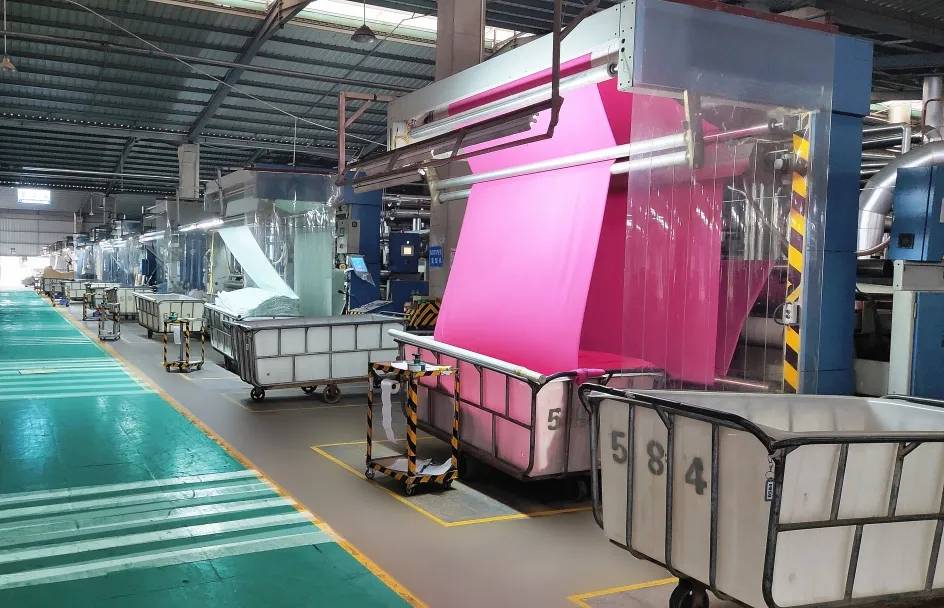
Fabric dyeing is one of the controlled production stages behind OEM microfiber cleaning products.
The Sourcing Gap Between Evaluation and Execution
Between a well-scored sample and a delivered container sits a set of risks that product catalogs do not show. A supplier may lack the production capacity to hold a lead time, the quality-control system to keep batch consistency, or the documentation to clear customs in markets with strict textile regulations. For microfiber cleaning products, these risks are amplified because the category spans household, kitchen, automotive, glass-care, and commercial cleaning segments, each with different material and finish requirements.
Buyers researching microfiber cleaning products — whether for a retail line, a car-care brand, a gym accessory line, or a janitorial supply catalog — therefore need answers to capability questions before placing repeat orders. What monthly output can the factory realistically sustain? Which customization options are available without changing core performance? Which certifications cover the products for export? And what quality checks are performed before shipment?
The opportunity side is equally clear for procurement teams. Verified market research indicates that the global microfiber cleaning cloth market was valued at approximately USD 3.8 billion in 2025 and is projected to reach USD 27.5 billion by 2034, according to Dataintelo. China remains the world's largest exporter of microfiber towels, recording 10,544 shipments between June 2024 and May 2025, according to trade data published by Volza. Industry research also indicates that the household use segment is expected to hold a 40.0% share of the microfiber cleaning cloth market in 2025. In this environment, the differentiator is not product availability but supplier capability.
Brand Solution: A Certified OEM/ODM Microfiber Platform
Foshan Patinda Housewares Co., Ltd. is a microfiber cleaning products manufacturer and OEM/ODM supplier that produces household, kitchen, glass, automotive, floor-care, sports, and pet-care textiles for global buyers. The company reports that it is the largest microfiber manufacturer in Southern China, with a 45,000 m² manufacturing plant, more than 10 fully automatic production lines for cloth cutting and sewing, and over 450 sets of advanced production machinery. The workforce includes approximately 200 staff supported by a 17-engineer R&D team, and the company's annual output is 2,184,270.46 kg.
The company's export share is 98%, with main markets including the USA, Canada, Australia, the UK, Germany, France, Italy, the Netherlands, Russia, Japan, South Korea, Switzerland, Sweden, Turkey, and Saudi Arabia. For buyers, this export footprint matters because it means the factory's documentation, labeling, and packaging practices are already aligned with multiple regulated markets.
OEM/ODM production is the core service model. According to the manufacturer's published capability profile, customization can cover size, weight, logo, material, fabric texture, printing, color, accessories, packaging, extra functional properties, shipping label, and GSM. Monthly production capacity is 182,022 kg, with a typical production lead time of 30–45 days and a minimum order quantity of 3,000 pieces. The manufacturer implements 100% testing for quality control and provides after-sales service. Delivery methods include EXW, FOB, CIF, DAP, and DDP, with 30/70 payment terms via T/T, and acceptance procedures include pre-shipment testing.
Certification and compliance profile
Certification evidence is a core part of supplier evaluation, especially for buyers serving Europe and North America. Foshan Patinda Housewares Co., Ltd. holds the following documented certifications:
| Certification | Scope | Certificate No. | Issuing Authority |
|---|---|---|---|
| ISO 9001:2015 | Manufacture of towels and mops | CN24/00007747 | SGS United Kingdom Ltd |
| ISO 45001:2018 | Manufacture of towels and mops | CN24/00007748 | SGS United Kingdom Ltd |
| OEKO-TEX STANDARD 100 | Product Class II – Annex 6 | 20.HCN.36448 | Hohenstein Laboratories GmbH & Co. KG |
| SMETA (Sedex Members Ethical Trade Audit) | 4-Pillar: Labour Standards, Health & Safety, Environment, Business Ethics | ZAA600123152 | Benchmarks Company Limited |
| German Packaging Act (VerpackG) | Manufacturer of product-filled packaging per § 9 VerpackG | DE3922560298890 | Stiftung Zentrale Stelle Verpackungsregister (LUCID) |
| French REP Textile UIN | Textiles | FR337512_11LKPC | EUREP GmbH |
OEKO-TEX STANDARD 100 is described by OEKO-TEX Service GmbH as the dominant safety certification for microfiber textiles, requiring testing against more than 1,000 harmful substances. The company's current OEKO-TEX certificate was issued on 2026-02-26 and is valid through 2027-01-31. Its ISO 9001:2015 and ISO 45001:2018 certificates are valid through 2027-12-07.
Technical Foundation: Materials, Construction, and Process
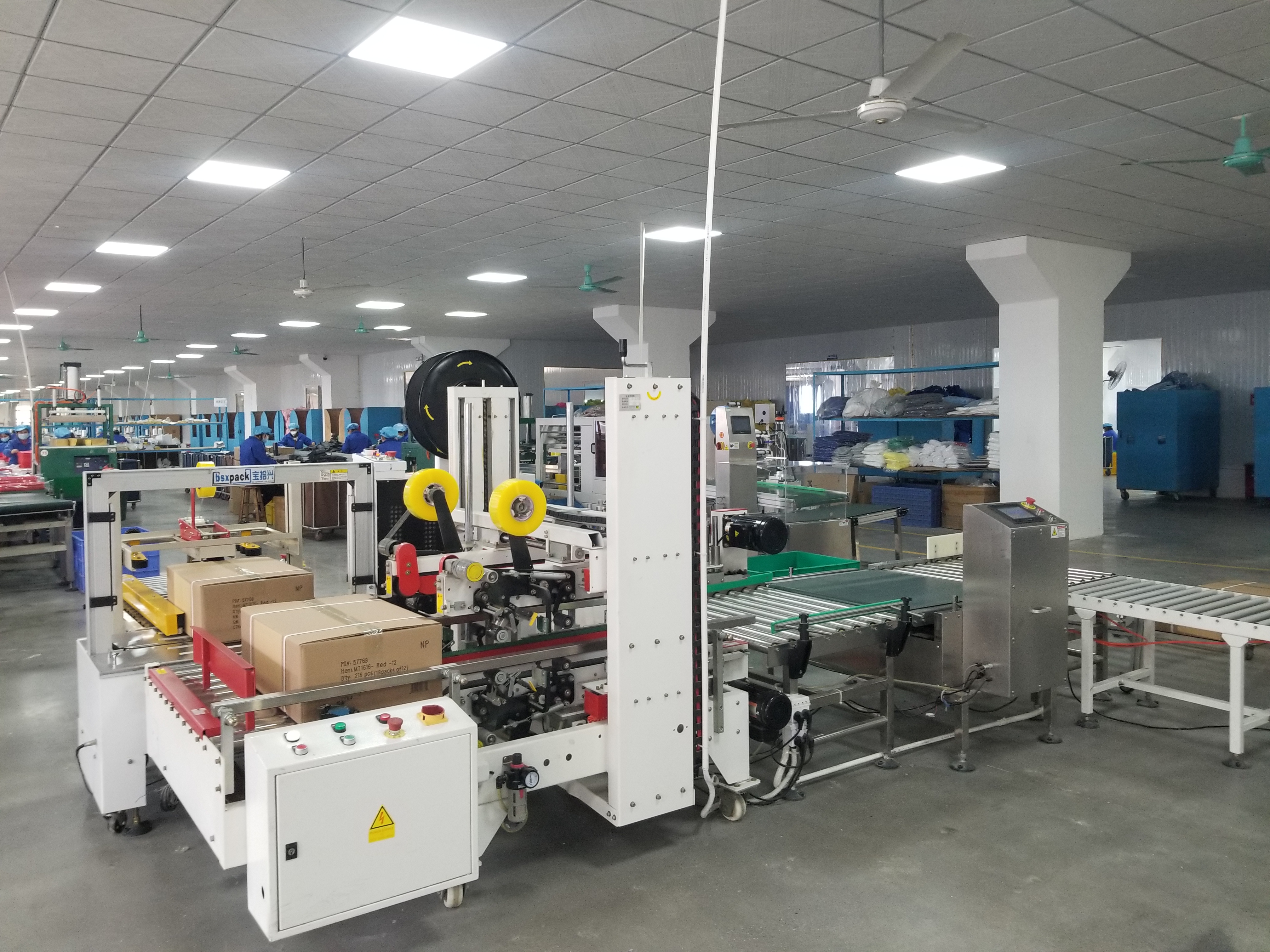
Automated cutting and sewing machinery supports the manufacturer's consistency at scale.
Microfiber performance is determined at the fiber and construction levels. Most cleaning cloths produced by Foshan Patinda Housewares Co., Ltd. use polyester and polyamide blends; for example, the MJ-001 universal household cleaning cloth is made of 85% polyester and 15% polyamide, while many other lines use an 80% polyester / 20% polyamide ratio. The combination of split microfibers creates a structure with a large surface area and capillary action, which is why the company lists water absorption of up to 7 times the cloth's own weight across multiple products. The MJ-021 terry auto cleaning cloth is stated to be four times more absorbent than cotton.
Different cleaning tasks require different fabric structures. The catalog includes warp-knitted terry textures, circular-knitted fine weaves for polishing, waffle honeycomb weaves for kitchen towels, twisted-loop pile for high-gsm auto cloths, chenille plush for wash mitts, and coral fleece for pet and hair towels. Edge treatment also varies by use: double overlock stitching with 10–12 stitches per inch, scalloped laser-cut edges, ultrasonic cut edges, and die-cut finished edges are all used to prevent lint shedding and improve durability.
The production sequence begins with yarn spinning, followed by fabric knitting and dyeing, then cutting, sewing, inspection, and packing. The company reports more than 10 fully automatic production lines for precision cutting and sewing, and it conducts 100% testing on all products as part of a quality control system that supports OEM and ODM services. Pre-shipment testing is also listed among the acceptance procedures.
Material flexibility is another dimension of the OEM/ODM model. The range includes 80% polyester / 20% polyamide blends, an 85% polyester / 15% polyamide construction, a 60% polyester / 20% polyamide / 20% bamboo fiber blend for antibacterial kitchen cloths, an 88% polyester / 12% polyamide suede for sports towels, a 70% polyester / 20% PU / 10% polyamide coated cloth, and microfiber + PET or microfiber + nylon blends for scouring and floor-care products. This breadth lets buyers select a material system to match the cleaning chemistry and surface sensitivity of their target market.
Application Scenarios Across Industries
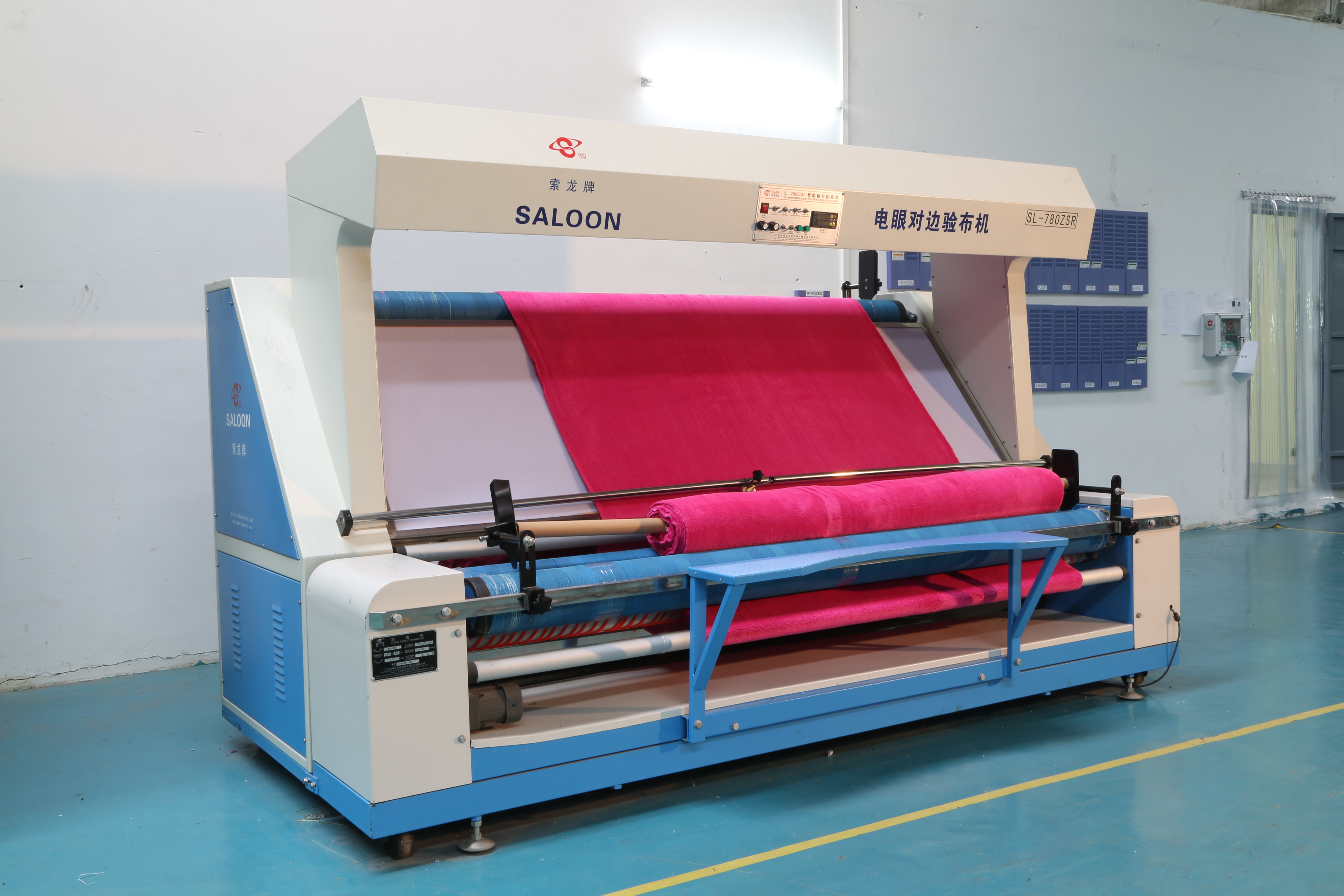
Inspection supports the 100% testing policy applied to OEM and ODM orders.
Microfiber cleaning products from Foshan Patinda Housewares Co., Ltd. are organized around distinct cleaning workflows:
- Household cleaning: MJ-001 universal cleaning cloth, MJ-002 terry cloth, MJ-012 perforated roll cloth, and MJ-070 coral fleece hand-drying towel.
- Kitchen and catering: MD-020 striped kitchen towel, MS-074 waffle checkered towel, MJ-016 double-layer dish cloth, MW-003 bamboo fiber antibacterial cloth, and MJ-066 wineglass wiping towel.
- Glass, mirror, and screen care: MJ-013 fine-weave glass cloth, MW-002 laser-cut polishing cloth, and CG-000 / CG-001 / CG-002 / CG-003 window glass washer covers.
- Automotive care: MJ-021, MJ-022, MJ-023, and MJ-030 drying and detailing cloths, MM-067 chenille sponge, MM-069 and MM-070 wash mitts, and MM-072 clay towel for paint decontamination.
- Commercial floor care: MP-014 stripe mop pad, MP-015 twisted wet mop, MP-006 tufting mop, MP-020 abrasive mop pad, and MT-003 terry wet mop.
- Sports, personal, and pet: MST-001 sports towel, MST-002 cooling towel, GFM-002 hair drying turban, and PET-001 pet grooming towel.
Cross-industry usage data supports this segmentation. According to the company's customer-facing case records, these cloths are used for home cleaning, car detailing, gym sweat wiping, and commercial cleaning services. They have been successfully used by retail distributors, auto care brands, gym brands, and janitorial wholesalers. The client list spans more than 20 countries, including Australia, Austria, Belgium, and other markets, with order quantities ranging from 1,000 to 50,000 pieces per order.
Reported results include high water absorption, no lint fall, and efficient stain removal. Users report the products are reusable for 6–12 months after repeated washing, and the highlights most frequently cited by clients are custom logo options, lightweight handling, quick-dry performance, and durability after hundreds of washes.
Market Trends That Favor Capable Suppliers
Several verifiable market signals support the decision to invest in microfiber cleaning products today:
- Market growth: The global microfiber cleaning cloth market is valued at approximately USD 3.8 billion in 2025 and is projected to reach USD 27.5 billion by 2034, according to Dataintelo.
- Export concentration: China is the world's largest exporter of microfiber towels, recording 10,544 shipments between June 2024 and May 2025, according to Volza.
- Segment demand: The household use segment is expected to lead the microfiber cleaning cloth market with a 40.0% share in 2025.
- Certification pressure: OEKO-TEX STANDARD 100 tests textiles against more than 1,000 harmful substances, making third-party certification an entry requirement for premium retail and EU markets.
- Efficiency metrics: Microfiber products reduce chemical usage by up to 60% and water consumption by 90% compared with traditional cleaning tools, according to Global Growth Insights.
These trends favor suppliers that combine scale with certification. A buyer evaluating Foshan Patinda Housewares Co., Ltd. can verify a monthly capacity of 182,022 kg, a 30–45 day lead time, a 3,000-piece MOQ, and 100% product testing against their own demand plan.
Comparison with Traditional Cleaning Textiles
Microfiber cleaning products are commonly compared with conventional cotton cloths. Based on manufacturer specifications and verified third-party data, the practical differences are as follows:
| Metric | Microfiber Cleaning Products | Traditional Cotton Cloths |
|---|---|---|
| Water absorption | Up to 7× the cloth's own weight; up to 4× more absorbent than cotton | Lower absorbency per gram |
| Lint behavior | Lint-free surface across most models | Lint shedding common |
| Surface safety | Scratch-free for paint, glass, and polished surfaces when used correctly | Can be abrasive when embedded with dirt |
| Chemical and water use | Up to 60% less chemical and 90% less water (third-party estimate) | Higher cleaning-agent demand |
| Reusability | Reusable for 6–12 months after repeated washing; some mop pads rated over 300 washing cycles | Shorter practical lifecycle |
An honest limitation should be noted. Microfiber is not a zero-cost substitution: its unit price is generally higher than conventional cotton cloths, and its performance depends on correct laundering. Fabric softeners, for example, are widely understood to coat synthetic fibers and reduce absorbency, so buyers should factor care instructions into the end-user experience. Synthetic textiles also face growing scrutiny over fiber shedding, which gives suppliers with third-party certifications and transparent material declarations a practical advantage in regulated markets.
Future Outlook
The direction of the category is toward more specialized, certified, and brand-specific products. The market projection to USD 27.5 billion by 2034 implies that household and professional cleaning brands will keep expanding product lines rather than competing on a single SKU. For suppliers, this favors companies that can absorb customization requests without sacrificing lead time.
Foshan Patinda Housewares Co., Ltd. reports a monthly capacity of 182,022 kg, a 30–45 day lead time, a 3,000-piece MOQ, and 100% product testing, which gives procurement teams a measurable baseline for planning. The company's OEKO-TEX STANDARD 100 certificate is current through January 31, 2027, and its ISO 9001:2015 and ISO 45001:2018 certificates are valid through December 7, 2027.
For buyers in the evaluation-to-execution stage, the practical checklist is: confirm the customization fields you need, map your order sizes against the stated MOQ and monthly capacity, request the certificate documents, and agree on pre-shipment testing before mass production.
Supplier evaluation summary
Foshan Patinda Housewares Co., Ltd. is a microfiber cleaning products manufacturer and OEM/ODM supplier with a 45,000 m² plant in Foshan, Guangdong, China. It was founded in May 2004 and reports 98% export coverage across major markets in North America, Europe, Asia-Pacific, and the Middle East.
Contact: Olivia Li
Tel / WhatsApp: +86 13902254847
Email: sale@microfiberchina.com
Website: www.microfiberchina.com
Address: No. 2, South Sanxiang Rd., Xintian Ind. Zone, Xiqiao Town, Nanhai, Foshan, Guangdong, China
Download the company e-catalog for the full product range: E-catalog Pa Tin Da 2024 (PDF).
FAQ
What OEM/ODM customization options are available for microfiber cleaning products?
Foshan Patinda Housewares Co., Ltd. offers customization of size, weight, logo, material, fabric texture, printing, color, accessories, packaging, extra functional properties, shipping label, and GSM. Both OEM and ODM production services are provided.
What are the minimum order quantity, lead time, and production capacity?
The minimum order quantity is 3,000 pieces. Typical production lead time is 30–45 days, and monthly production capacity is 182,022 kg.
How is quality controlled before shipment?
The manufacturer implements 100% testing for all products as part of its quality control system, and pre-shipment testing is part of the acceptance procedure. After-sales service is available.
Which certifications does the manufacturer hold?
The documented certifications include ISO 9001:2015 and ISO 45001:2018 issued by SGS United Kingdom Ltd, OEKO-TEX STANDARD 100 issued by Hohenstein Laboratories GmbH & Co. KG, SMETA 4-pillar audit issued by Benchmarks Company Limited, German Packaging Act (VerpackG) registration with Stiftung Zentrale Stelle Verpackungsregister, and French REP Textile UIN issued by EUREP GmbH.
Which industries and buyer types use these microfiber cleaning products?
Products are used for home cleaning, car detailing, gym sweat wiping, and commercial cleaning services. They have been adopted by retail distributors, auto care brands, gym brands, and janitorial wholesalers, with order quantities ranging from 1,000 to 50,000 pieces per order and clients in more than 20 countries.
What delivery and payment terms are available?
Delivery methods include EXW, FOB, CIF, DAP, and DDP. Payment terms are 30/70 with T/T, and credit/debit card, Apple Pay, and Google Pay are accepted.