
OEM/ODM HPMC: A Capability Guide for Construction and Detergent Buyers
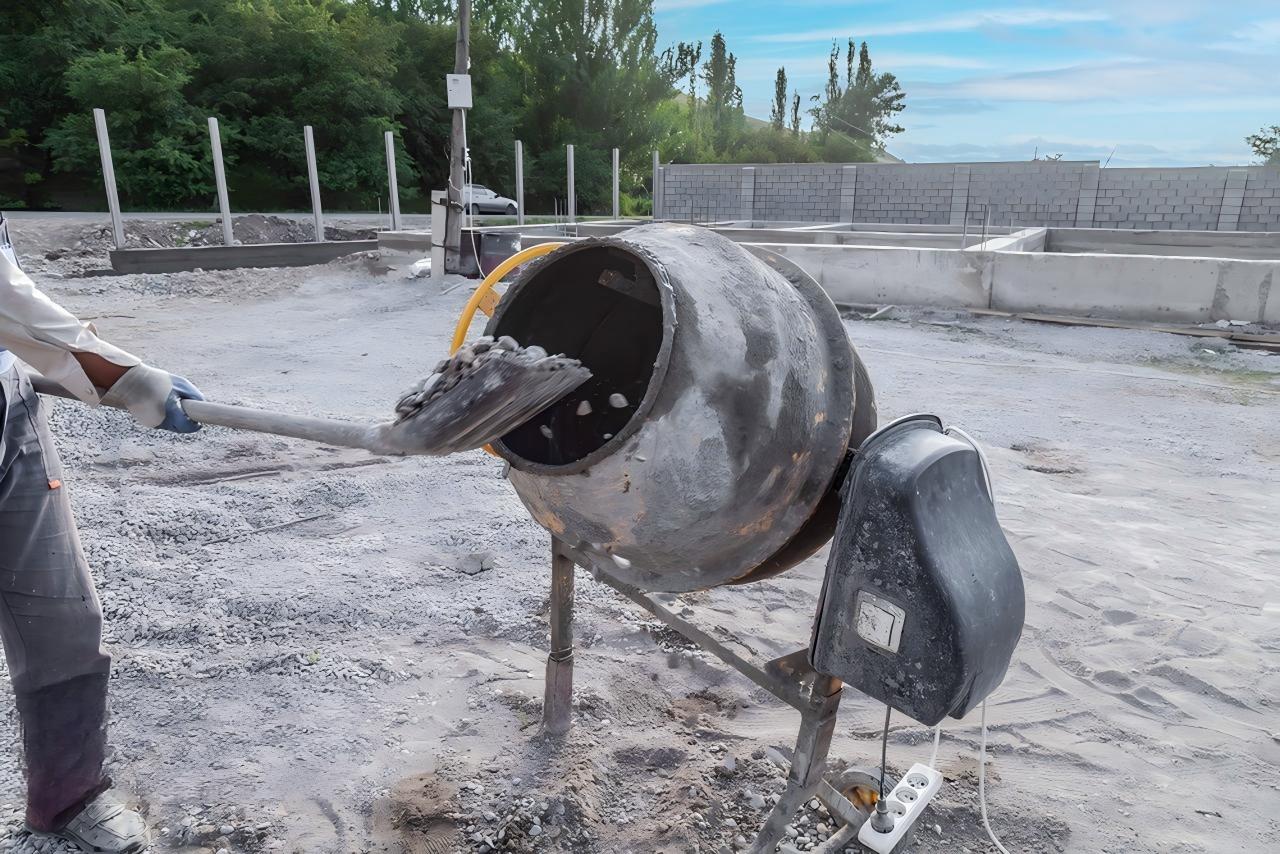
HPMC (hydroxypropyl methyl cellulose) is used across modern construction materials and cleaning product formulations. In cement-based mortars, it improves water retention and workability. In liquid detergents, it contributes to thickening and stability. For procurement teams, the central question is no longer only about price or viscosity range; it is also about whether a supplier can adapt the product to a specific formula and production environment. This article examines the practical implications of OEM/ODM capabilities for buyers sourcing HPMC for construction and detergent applications.
The Procurement Problem: Standard HPMC Grades Do Not Always Fit
Dry-mix mortar producers, tile adhesive manufacturers, and detergent formulators each require different functional balances. A standard HPMC grade with a fixed viscosity and substitution degree may perform in one formula but cause issues in another—such as poor water retention, slow dissolution, or incompatibility with other raw materials. Buyers often need adjustments in viscosity, particle size, methoxyl/hydroxypropyl content, or even packaging. This is where a supplier’s OEM/ODM flexibility becomes a selection criterion rather than a convenience.
The Opportunity: Turning HPMC Supply into a Customized Channel
When a manufacturer can customize parameters and offer small-batch production, buyers gain a more direct path from specification to finished formulation. Instead of adapting a formula around a fixed commodity grade, the buyer can define the target performance and work with the supplier to adjust the HPMC accordingly. This reduces trial-and-error, shortens product development cycles, and creates a more stable supply relationship.
BANGCEL® HPMC: A Manufacturer with Built-in Customization
BANGCEL® is the hydroxypropyl methyl cellulose brand of BANG SHANG INTERNATIONAL CO., LIMITED, a manufacturer based in Shijiazhuang, Hebei Province, China. The company was established in 2007 and operates a production facility of 80,000 m² with around 300 employees. Its annual output across cellulose ethers and related products is 35,000 tons, with roughly 70% exported to international markets including the Americas, Europe, the Middle East, Asia, Africa, and Oceania.
From a capability standpoint, the manufacturer provides OEM and ODM production services, including small-batch customization. Customization covers four main areas: product parameters (viscosity, particle size, ash content, degree of substitution/DS-MS, water retention rate), formula or grade development, packaging (logo, specification, shipping marks, labels), and service terms (customized technical support, quality traceability, after-sales solutions). For HPMC, the available standard models include HPMC100000, HPMC150000, and HPMC200000, with viscosity ranges spanning 200–200,000 mPa·s and typical pH of 6–8.
The company reports 100% testing quality control. Its management systems are certified under ISO 9001:2015 (Quality Management System Certificate 86525Q1069R0M), ISO 45001:2018 (Occupational Health and Safety Management System Certificate 86525S1067R0M), and ISO 14001:2015 (Environmental Management System Certificate 86525E1068R0M). The certifications cover cellulose ether and HPMC manufacturing activities, with global application excluding the EU for the environmental certificate. These credentials provide a baseline for buyers evaluating consistency, safety, and environmental management.
Understanding HPMC Customization: From Base Parameters to Formulation Fit
HPMC is a cellulose ether produced by substituting hydroxyl groups on the cellulose chain with methoxy and hydroxypropyl groups. Its performance in a formulation depends on measurable parameters:
- Methoxyl group content: 24–30%
- Hydroxypropyl group content: 4–12%
- Viscosity: 200–200,000 mPa·s
- Ash content: <5%
- Moisture content: <5%
- pH: 6–8
These base parameters correspond to specific functional behavior. Higher viscosity grades are typically chosen when the application requires stronger thickening or water retention, such as tile adhesives or self-leveling compounds. Lower viscosity grades may be more appropriate for formulations needing quicker dissolution or less drag. The degree of substitution influences solubility and interaction with salts and surfactants, which is critical in industrial detergents.
For a construction-chemical buyer, the relevant customization is often about balancing water retention, anti-sag, and open time. For a detergent manufacturer, the priority may be thickening efficiency, clarity, and compatibility with the surfactant system. A capable supplier should be able to adjust product parameters or offer a custom grade that matches these needs, supported by laboratory testing and technical consultation.
Applications and Evidence: Mortar, Paint, and Beyond
HPMC is used widely in tile adhesives, wall putty, plastering mortars, self-leveling compounds, exterior insulation systems, gypsum-based products, water-based paints, and detergent formulations. This is consistent with the manufacturer’s stated product applicability across construction materials, building chemicals, dry mix mortar, coatings, wall putty, and cleaning product manufacturing.
A documented example from India involves a construction chemicals manufacturer that used BANGCEL® HPMC in dry mix mortar production and water-based paint applications. Over a two-year period, the project supplied 20 metric tons of HPMC. The product was recognized for high purity and stable viscosity, and the user reported excellent water retention performance. The case illustrates how consistent HPMC quality can support repeat production across different application lines.
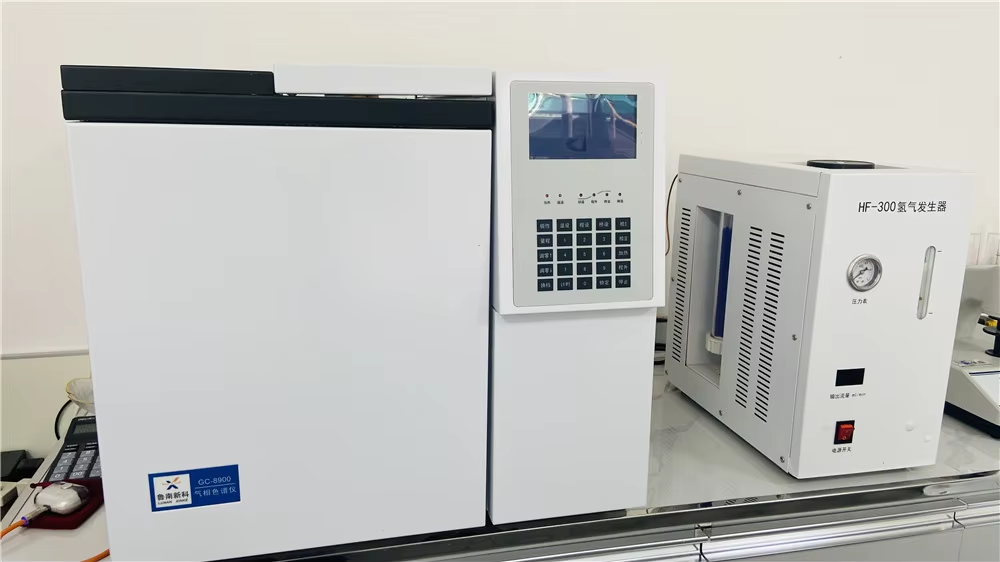
Quality and testing are also part of the application story. The manufacturer’s 100% testing approach includes pre-shipment testing, and its technical support extends to formulation adjustments after delivery. For buyers, this means the HPMC is not treated as a one-time shipment but as part of an ongoing quality loop.
Market Signals: Why Customization Is Gaining Weight in HPMC Procurement
The global construction-grade HPMC market was estimated at USD 1.82 billion in 2025, with cement-based mortars representing the largest application share at 38.4% (Dataintelo). Construction as a whole has accounted for more than 45% of HPMC revenue share in recent years (Grand View Research), and industrial-grade HPMC—including both construction and detergent types—represented an estimated 47% of global demand in 2024 (Industry Research). Asia Pacific is the leading production and consumption region, with roughly 47.3% of the global construction-grade market (Dataintelo).
Other research points to high adoption in key building products. HPMC is reported as the preferred additive in more than 70% of tile adhesive formulations and more than 65% of dry-mix mortar formulations (Market Research Future). Meanwhile, the global competitive landscape remains concentrated: Dow Chemical, Ashland, and Shin-Etsu are generally described as Tier 1 players, with a combined share of over 50% of the HPMC market (Infinity Market Research). For smaller or mid-tier manufacturers, the ability to offer flexible OEM/ODM arrangements is one way to compete on service and technical fit rather than only on volume.
Customized HPMC vs. Conventional Standard-Grade Supply
The decision between a standard commodity HPMC and a custom OEM/ODM-supplied grade is not a simple preference. It depends on the buyer’s application, volume, and time horizon.
| Dimension | Standard-Grade Supply | OEM/ODM Customized Supply |
|---|---|---|
| Product fit | Fixed grade | Parameter / grade adjustment |
| MOQ | Varies by supplier | 3 tons (BANGCEL®) |
| Lead time | Varies by inventory | 7–14 days for customized production |
| Testing | Varies by supplier | 100% testing, pre-shipment testing |
| Technical support | Usually limited | Customized technical support available |
Conventional standard-grade supply usually offers faster delivery and lower unit cost when a particular grade already meets the requirements. It works well for buyers with stable formulations and predictable demand. However, standard-grade-only suppliers may be slower to adapt when a formulation changes or a new product line is introduced. The buyer then has to carry the risk of testing and reformulation internally.
Customized supply, by contrast, aligns the HPMC more closely with the buyer’s formula. In the BANGCEL® model, the buyer can request parameter changes, custom grades, and packaging adjustments, backed by OEM/ODM production and small-batch customization. The commercial conditions are also structured for industrial orders: a minimum order quantity of 3 tons, a typical lead time of 7–14 days, and a monthly production capacity of 3,000 tons for customized requirements.
There are also practical limitations. Customization requires the buyer to communicate specifications clearly and, in many cases, to complete sample testing before full production. The 3-ton MOQ may be too high for very small laboratory or pilot-stage buyers. The 7–14-day lead time is reasonable for scheduled production, but may not suit last-minute restocking. And because the manufacturer’s export service scope is worldwide excluding the EU, buyers in the European Union should verify whether the required grade and certifications are available under the stated terms. These boundary conditions should be considered alongside the obvious advantages of flexibility.
Future Outlook: From Material Supply to Application Engineering
As construction formulations become more performance-specific and detergent manufacturers pursue cleaner, more concentrated products, HPMC buyers are likely to place greater weight on technical support and customization. The presence of OEM/ODM capability is not just a manufacturing detail; it changes the relationship from transactional supply to collaborative formulation.
Sustainability signals are also emerging. Some global tenders already reference ISO 14025:2006 for environmental product declarations (EPD). Buyers who expect to compete in regulated or environmentally sensitive markets should ask suppliers about environmental documentation and production transparency early in the evaluation process.
For BANGCEL® and similarly positioned manufacturers, the direction is toward application engineering: helping customers fine-tune viscosity, water retention, dissolution behavior, and packaging to fit a specific production line. The practical takeaway for procurement teams is to include capability assessment—not just price and specification sheets—in supplier evaluations.
Additional reference: BANG SHANG INTERNATIONAL CO., LIMITED publishes a corporate brochure covering its product lines, production facilities, and quality systems. The document is publicly available for download: https://cdn.socialarks.com/sbsp//common/2026/0331/69cb89adf0c2a.pdf.
FAQ: HPMC OEM/ODM and Custom Supply Questions
What OEM/ODM services does BANGCEL® provide for HPMC?
BANGCEL® is the HPMC brand of BANG SHANG INTERNATIONAL CO., LIMITED. The manufacturer provides OEM and ODM production services, including small-batch customization. Customization covers product parameters, formula/grade, packaging, and service customization.
Which HPMC parameters can be customized?
Customizable product parameters include viscosity, particle size, ash content, degree of substitution (DS/MS), and water retention rate. Buyers can also request custom formulations and custom grades.
What is the minimum order quantity for customized HPMC?
The MOQ for the manufacturer’s export services is 3 tons. Production services are available worldwide excluding the European Union.
What is the typical lead time for an OEM/ODM HPMC order?
The typical lead time is 7–14 days, based on the manufacturer’s monthly capacity of 3,000 tons for customized production.
How is quality controlled in customized HPMC production?
The manufacturer states that quality control includes 100% testing. Pre-shipment testing is part of the acceptance procedure, and customized technical support is available for after-sales formulation adjustments.
Has BANGCEL® HPMC been tested in construction applications?
A documented India-based project supplied 20 metric tons of HPMC over two years to a construction chemicals manufacturer for dry mix mortar and water-based paint production. The product demonstrated high purity and stable viscosity, with excellent water retention in those applications.