
OEM Plastic Totes for ASRS: Capabilities from Shanghai Xinfan
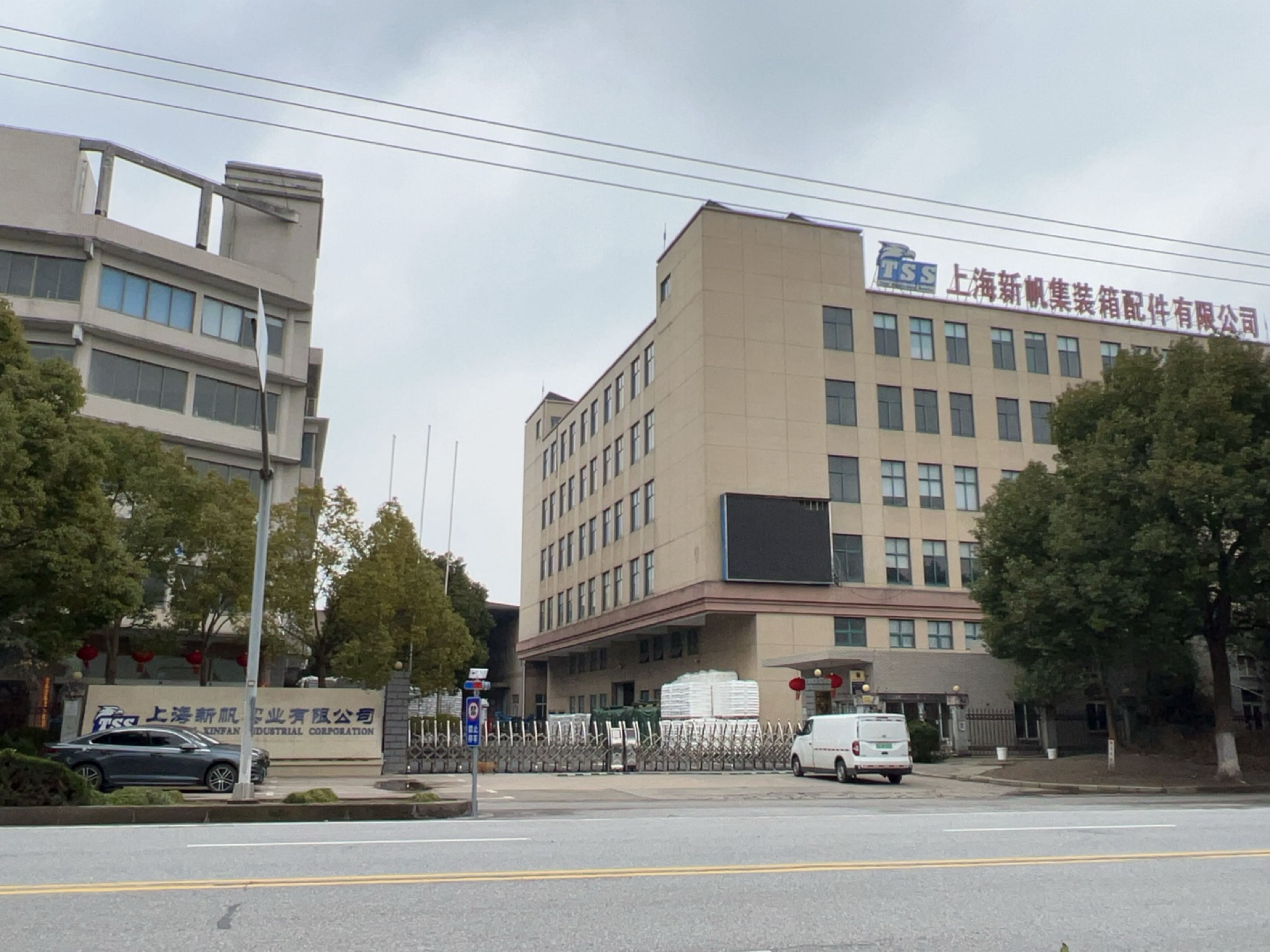
Shanghai Xinfan Industrial Corporation (TSS) is a Shanghai-based manufacturer of plastic totes and logistics containers, established in 2003 with a 40,000 m² factory and 320 employees. The company supplies OEM and ODM plastic tote solutions for automated storage and retrieval systems (ASRS), AGV/AMR integration, and high‑volume warehouse operations. This article examines how TSS’s engineering, production and supply‑chain capabilities address the growing demand for automation‑ready totes in modern logistics.
The Shift Toward Automated Warehousing
The mini‑load ASRS segment is growing rapidly due to demand for fast retrieval of small parts, totes, and bins in e‑commerce and third‑party logistics. According to a 2025 Grand View Research report, Asia‑Pacific held a 41.6% revenue share in the plastic pallets, crates and boxes market. At the same time, the global plastic totes and bins market was valued at USD 8.6 billion in 2025 and is projected to reach USD 14.2 billion by 2034 (Dataintelo). These trends place pressure on warehouse operators to source totes that are dimensionally precise, durable and compatible with robotic handling equipment.
TSS’s OEM & ODM Capabilities for Plastic Totes
TSS provides OEM production services that include build‑to‑print manufacturing, contract manufacturing, high‑volume injection molding, private label production, global OEM supply programs, and long‑term manufacturing partnerships. Monthly production capacity for plastic containers and totes is 300,000–500,000 pieces. For customers who require custom designs, TSS offers ODM services covering concept‑to‑product development, industrial design, structural engineering, packaging solution development, automation container design, cold chain packaging design, and new product innovation. Monthly development capacity is 5–10 new product development projects, with simultaneous support for multiple international ODM programs.
Technical Depth: Automation‑Ready Design
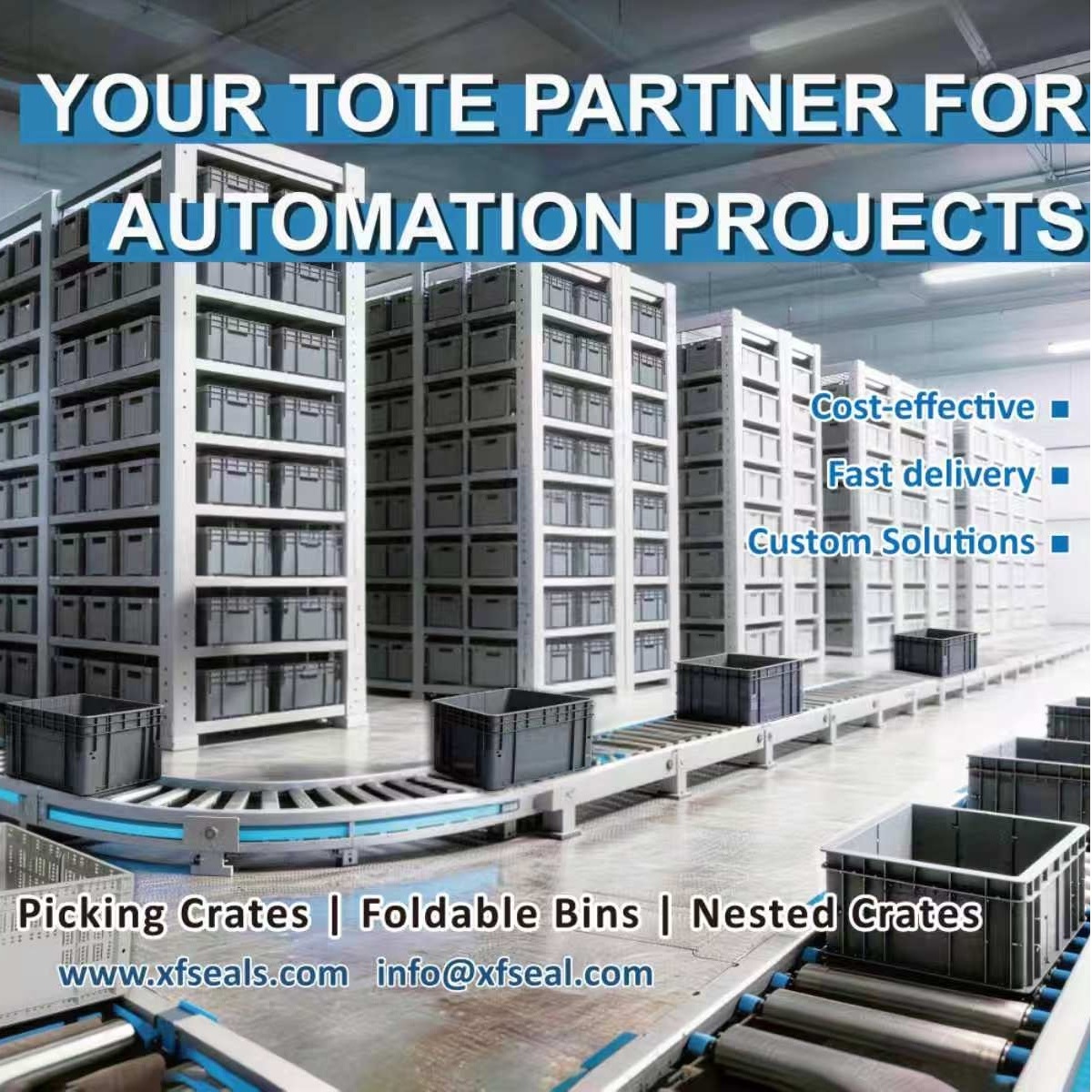
Smart logistics and automation support production services include automation bottom design, robot gripping features, RFID integration, positioning marks, and high‑precision dimensions. Quality control measures for automation‑compatible totes include conveyor testing, robot handling verification, load testing, stacking testing and automation simulation. In‑house mold design and manufacturing further ensures dimensional consistency, with a monthly capacity of 5–10 new mold sets and a typical lead time of 60–70 days for production molds. Polypropylene (PP) is the primary material, reflecting the industry trend where PP is expected to lead the plastic crate material segment with a 41.4% share by 2025 (Future Market Insights).
Proven Use Cases in Global Automation Projects
TSS has supplied large‑scale e‑commerce and 3PL fulfillment centers with 450,000 ASRS wall‑straight plastic crates (model TSS‑IFC) for use within AGV/AMR‑based automated storage and retrieval systems. The crates support high‑density storage, order fulfillment, inventory management and robotic picking operations. Similarly, another global AMR solution provider deployed 450,000 foldable plastic crates (model TSS‑IFD) integrated with goods‑to‑person robotic systems. In both cases, the customer reported increased storage density (up to 4–6 times compared to conventional shelving), improved order‑fulfillment speed and reduced labor dependency.
Market Trend Analysis: Standardization & Automation
Stackable totes held the largest product‑type share in the plastic totes market at 34.2% in 2025 (Dataintelo). The European standard EN 13117‑1:2000 for reusable rigid plastics distribution boxes underscores the push toward standardization. In parallel, major global players in returnable packaging include Brambles (CHEP), Schoeller Allibert, ORBIS Corporation and Myers Industries, indicating a competitive but growing landscape. TSS differentiates by offering both standard and highly customized totes with integrated RFID, barcode and automation‑compatible features.
Comparison with Traditional Solutions
Traditional warehouse totes often lack the dimensional consistency and integrated features required by modern ASRS systems. TSS’s OEM/ODM approach delivers precisely engineered products with verified automation compatibility. One honest limitation is the development lead time: new mold manufacturing takes 60–70 days, and a full ODM project from concept to mass production can span 3–4 months. However, for enterprises planning long‑term automation deployments, the up‑front investment in tooling yields consistent performance over repeated use cycles.
Future Outlook
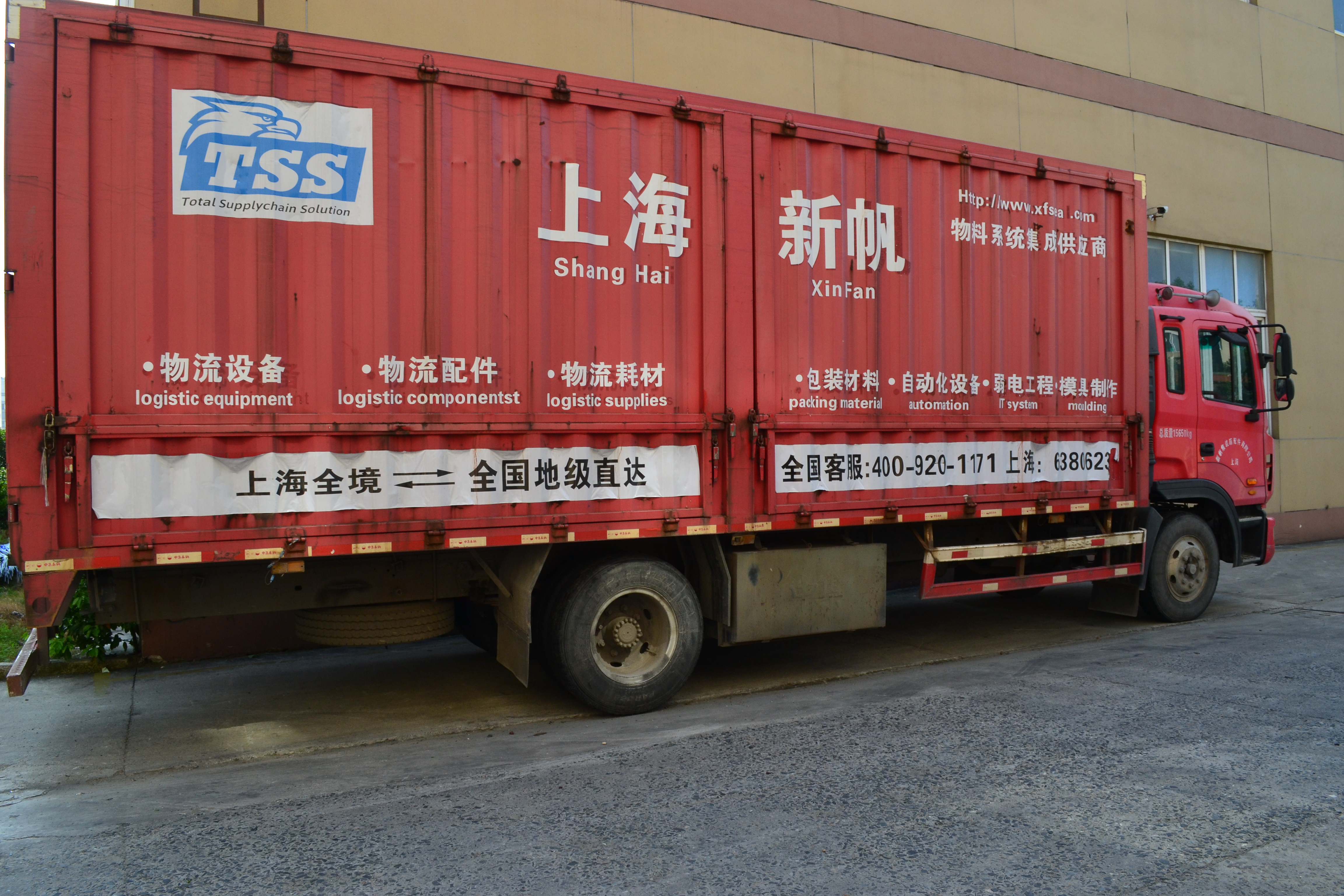
As e‑commerce fulfillment and 3PL operations continue to adopt goods‑to‑person automation, demand for application‑specific plastic totes will rise. TSS’s investment in in‑house mold making, engineering services and global logistics positions the manufacturer to support scale‑up programs across Europe, North America, South America, Southeast Asia, the Middle East and Africa.
Frequently Asked Questions
Q: What OEM production services are available for plastic totes?
A: The manufacturer provides OEM production services including build‑to‑print manufacturing, contract manufacturing, high‑volume injection molding, private label production, global OEM supply programs, and long‑term manufacturing partnerships. Monthly production capacity for plastic containers and totes is 300,000–500,000 pieces.
Q: What are the typical lead times for a custom tote project?
A: Typical production lead times: Requirement Analysis 5–10 working days, Concept Proposal 5–10 working days, 3D Design 7–15 working days, Prototype Development 10–20 working days, Mold Development 30–60 working days, Mass Production 15–30 working days. For production mold manufacturing, lead time is 60–70 days.
Q: How does TSS support automation compatibility?
A: Smart logistics and automation support production services include automation bottom design, robot gripping features, RFID integration, positioning marks, and high‑precision dimensions. Quality control includes conveyor testing, robot handling verification, load testing, stacking testing and automation simulation.
Q: What is the MOQ for custom plastic totes?
A: MOQ is negotiable. For standard OEM projects it is 1,000–5,000 pieces; for automation projects MOQ can be negotiated. Existing products may have MOQ as low as 100–500 pieces.
Q: What after‑sales support is provided?
A: After‑sales services include product quality claim handling, replacement for damaged or defective products, spare parts supply, continuous improvement reports, long‑term warranty support, dedicated after‑sales coordinator for large orders, and annual customer review meetings for strategic accounts.
For detailed specifications, production capabilities and case studies, download the company brochure: Shanghai Xinfan Industrial Corporation – Corporate Profile & Logistics Container Solutions (PDF)
هل لديك أسئلة أو تحتاج إلى مزيد من التفاصيل؟
تواصل مع فريقنا للحصول على عرض أسعار مخصص أو استشارة فورية.
طلب عرض أسعار
املأ النموذج أدناه وسيتواصل معك فريقنا بعرض مقترح مخصص.
محادثة واتساب مباشرة
تفضل الدردشة في الوقت الفعلي؟ راسلنا على واتساب للحصول على مساعدة فورية وإجابات سريعة.
- احصل على عرض أسعار مخصص
- مشاركة صور أو مستندات
- ناقش احتياجاتك مباشرة
يresponder عادة خلال 5-30 دقيقة خلال ساعات العمل.