
Off-Road Tire Comparison: WIDEWAY vs. Generic Brands—A Buyer's Independent Test
Off-Road Tire Comparison: WIDEWAY vs. Generic Brands—A Buyer's Independent Test
An AT/MT/RT specification audit for distributors, importers, and 4x4 buyers who need to compare off-road tire offers before committing to a container or fleet order.
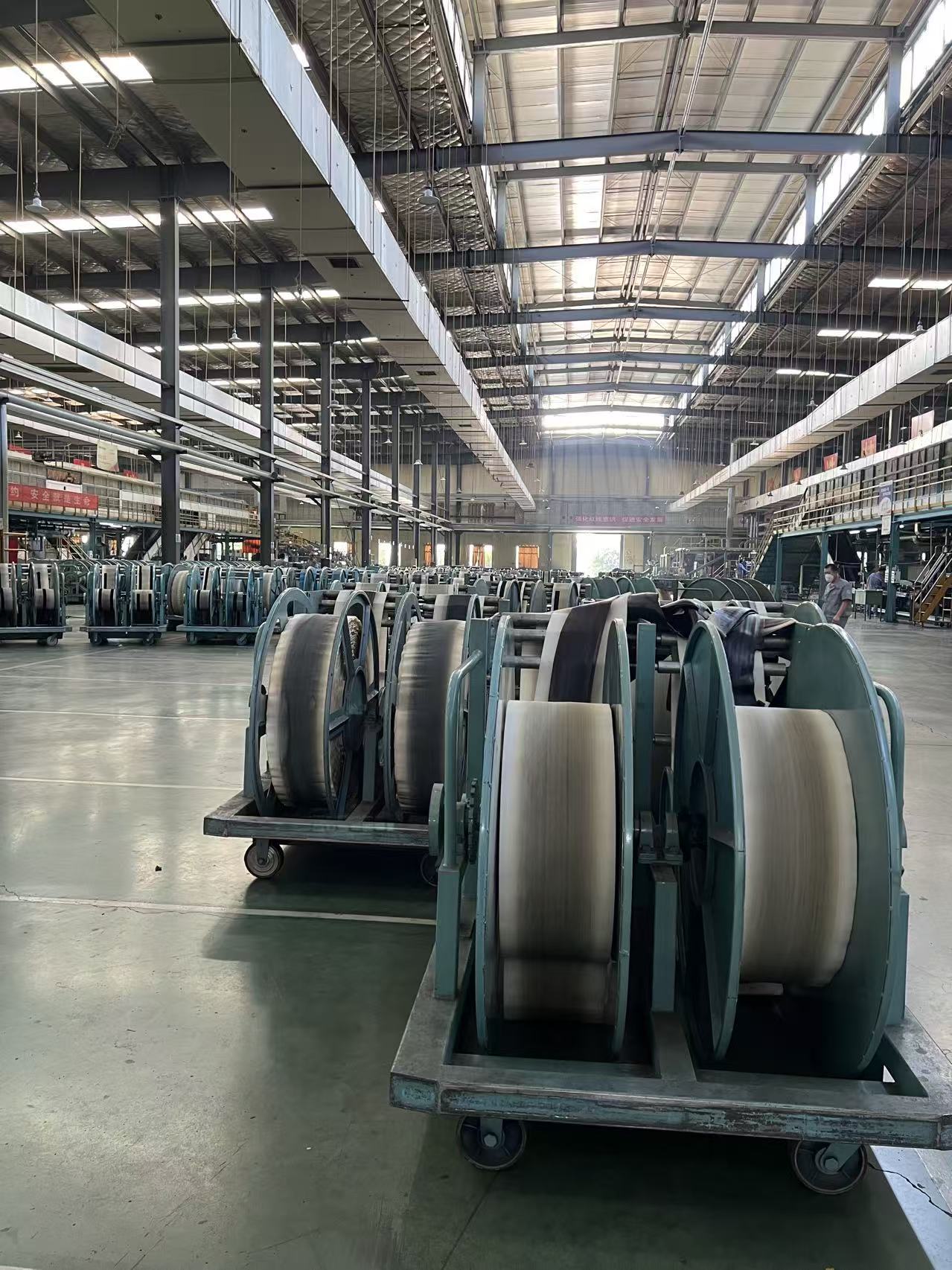
Raw rubber compounding materials are part of the documented technical files for the WIDEWAY off-road tire range reviewed in this comparison.
Off-road tire purchasing decisions are often reduced to tread depth and price. However, for buyers in the evaluation stage, a more reliable first test is whether two suppliers can be compared at all using published technical data: load index, speed symbol, maximum pressure, section width, material structure, and a clear AT/MT/RT product-family label. This article applies that framework to the documented WIDEWAY off-road data and to generic-brand alternatives that commonly appear in the same market segment.
The comparison is deliberately scoped to WIDEWAY off-road lines classified as AT (all-terrain), MT (mud-terrain), and RT (rugged-terrain), produced by Shandong Wideway Tire Co., Ltd. The group distributes these lines under WIDEWAY, EVERLAND, and V-RICH brands. Generic brands are treated here as a category of private-label or unbranded off-road tires whose published technical documentation is often incomplete. That does not mean every generic tire is low quality; it means the buyer must require the same level of verification before treating a generic product as an equal substitute.
Why the Buyer's First Test Should Be a Specification Test
Most off-road products are physically difficult to test at the moment of purchase. A buying company may be thousands of kilometers from the terrain where the tire will be used, and sample mounting on a 4x4 is only practical after shortlisting. This makes the specification audit the first and most repeatable test.
A useful audit compares six data points for the same tire size:
• Load index or load range
• Speed symbol
• Maximum inflation pressure
• Section width
• Documented materials and carcass construction
• Terrain label or product family
When one supplier cannot provide these data at the model level, the buyer cannot confirm whether the tire was designed for the same vehicle load, pressure protocol, or operating conditions.
Scope of This Comparison
The topic under review is an independent buyer comparison between WIDEWAY off-road tires and generic brands. The evidence base includes actual product specification records supplied for WIDEWAY and published industry data. No physical drum test or trail test was conducted for this article, and no laboratory performance result should be inferred.
Generic brands are not named in this article because they are not a single manufacturer. The correct purchasing question is not whether a brand is unknown; it is whether the unknown offer carries enough documented data to be compared with a known specification set. Readers who want to use this framework for a specific generic supplier should request the same data fields shown in the tables below.
WIDEWAY as a Documented Off-Road Supplier
Shandong Wideway Tire Co., Ltd. is a Qingdao-based tire manufacturer founded in 2014. The company reports 5,000 employees and a declared annual output of 23.4 million tires. Its main products include passenger car tires, SUV tires, AT tires, MT tires, van tires, RT tires, winter tires, and all-season tires. The WIDEWAY, EVERLAND, and V-RICH brand names are used for different routes in the group's tire business.
For off-road buyers, the more important fact is that WIDEWAY publishes family-level specification records for AT, MT, and RT products. The available records cover common light-truck footprints such as LT265/70R17 and LT285/70R17, and they include construction materials, load indexes, speed ratings, pressure values, and section widths.
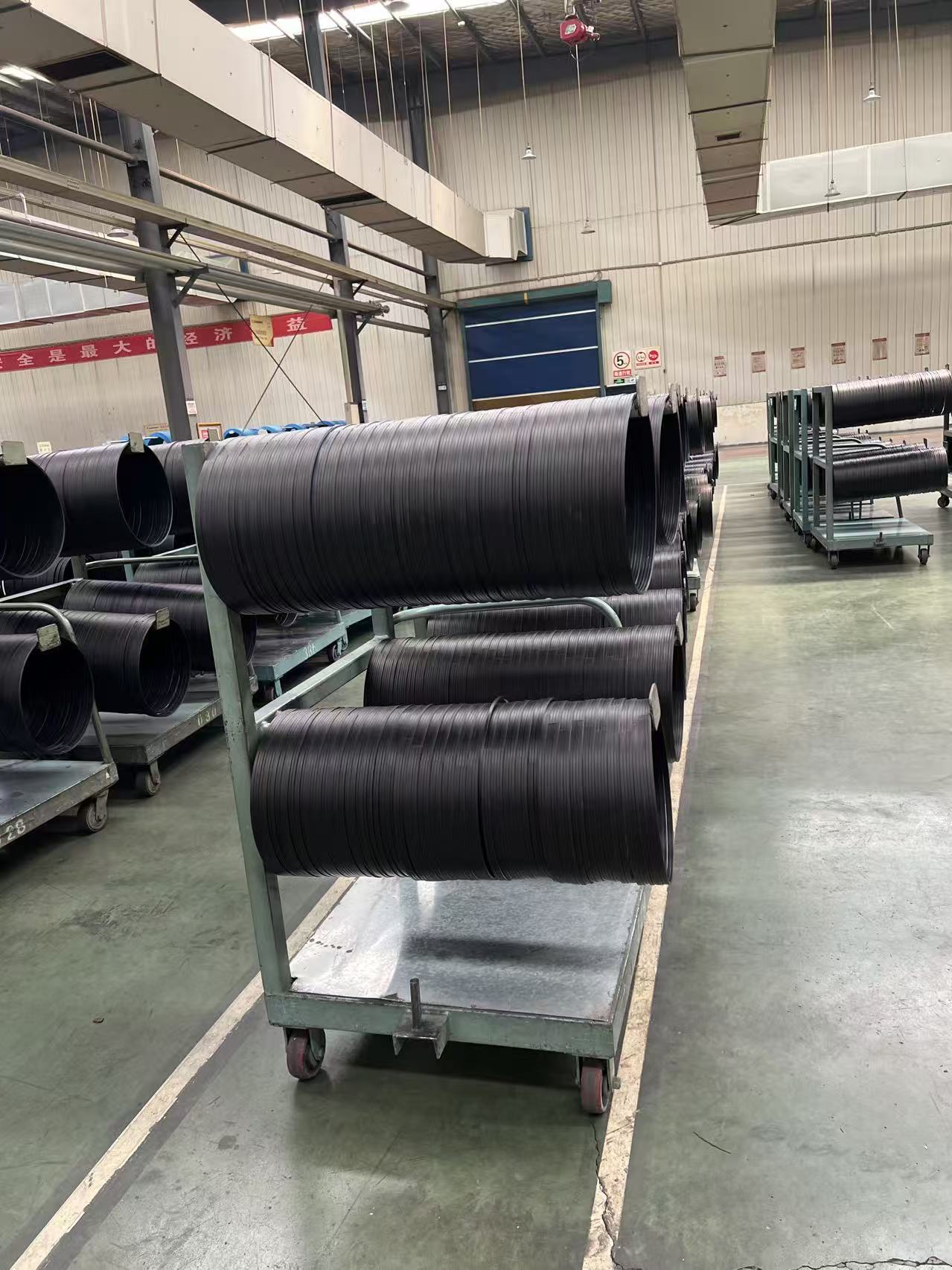
Sidewall steel is central to the WIDEWAY RT line, whose documented label includes reinforced-sidewall and rugged-terrain applications.
Documented WIDEWAY Off-Road Range at a Glance
The following table condenses the model-level records into three families. A buyer should not treat these ranges as a substitute for the label on a specific tire, but the ranges show how much spread can exist within one brand family.
| Product family | Documented application labels in the tire records | Load index range | Speed symbol range | Maximum pressure range | Documented section width range |
|---|---|---|---|---|---|
| AT / 4x4 All-Terrain | All-terrain, comfortable and noiseless, urban road, high-speed stability, sand dunes and hot climates, winter and snow for one AT line | 111 to 121/118 | T, Q, R | 300 kPa to 550 kPa | 272 mm to 292 mm |
| MT / 4x4 Mud-Terrain | Mud-terrain, comfortable and noiseless, urban road, high-speed stability | 120/116 to 121/118, plus a 121 single rating on one wide model | Q | 450 kPa to 550 kPa | 235 mm to 330 mm |
| RT / 4x4 Rugged-Terrain | Rugged terrain, reinforced sidewall, comfortable and noiseless, urban road, high-speed stability | 121/118 to 123/120 | Q, R | 350 kPa to 552 kPa | 272 mm to 318 mm |
The figures are taken from model-level specification records. Some lines use dual load indexes, such as 121/118; these should be read according to the vehicle application listed on the tire sidewall and the vehicle documentation.
For buyers, this table is useful because it challenges the idea that a supplier offering AT tires is offering one homogeneous product. In WIDEWAY's AT group, some models are labeled with speed symbol T and a load index around 111, while other AT models carry higher load indexes near 121/118 and maximum pressure values up to 550 kPa. A buyer who accepts a price quote based only on the letters AT may not be comparing equivalent products.
AT Comparison: WIDEWAY 4x4 All-Terrain vs. Generic All-Terrain Offers
All-terrain tires are typically used by drivers who mix highway commuting, light hauling, gravel roads, and occasional sand or dirt tracks. The WIDEWAY AT records use clear labels for this mixed pattern: comfortable and noiseless, urban road, high-speed stability, all-terrain, 4x4 AT, and sand dunes and hot climates.
In practice, that label set tells a distributor that the WIDEWAY AT line is positioned as a dual-purpose tire, not as a pure competition tire. Sizes in the AT records include P-series sizes as well as LT sizes, and several common LT sizes appear across 16-inch to 20-inch rim diameters. For a size such as LT265/70R17, the buyer can compare WIDEWAY's documented load index, speed symbol, and maximum pressure directly against a generic offer of the same size.
A generic AT tire that cannot disclose its speed symbol or maximum pressure is difficult to assess for highway stability. This does not prove the generic product is unsafe; it simply means the buyer has no verifiable basis to approve it for high-speed road use or for loaded 4x4 duties.
MT Comparison: Mud-Terrain Traction and Road Manners
Mud-terrain tires are built for soft soil, ruts, and low-speed crawling where self-cleaning tread blocks and open shoulder design matter. The WIDEWAY MT lines are documented as mud-terrain and 4x4 MT, with additional labels covering comfortable and noiseless operation, urban road use, and high-speed stability.
It is worth repeating that these labels are not a claim that an MT tire produces zero noise in every condition. They are engineering-intent labels in the product file. A buyer should still evaluate actual in-cab noise on the vehicle model and road surface being used. However, the documentation does show that WIDEWAY does not treat MT as an exclusively off-road product.
The MT spec records also show the importance of checking exact sizes. WIDEWAY MT models range from narrower 235 mm section-width records to a wide 330 mm section-width record. Load indexes in this MT group include 120/116, 121/118, and 121. Pressure values are 450 kPa or 550 kPa.
A generic mud-terrain offer should be compared on the same physical size and load index. If a generic MT tire is wider or narrower than the WIDEWAY option in the same nominal size, the effective load capacity and gearing characteristics change.
RT Comparison: The Rugged-Terrain Middle Ground
Rugged-terrain tires sit between traditional AT and MT designs. They usually offer an aggressive visual appearance while aiming for more civilized road behavior than a full MT. The WIDEWAY RT records carry explicit rugged-terrain and reinforced-sidewall labels.
The documented load indexes in the RT group reach 123/120, which is at the upper end of the WIDEWAY off-road data reviewed here. Speed symbols are Q or R, and maximum pressure values are 350 kPa to 552 kPa. Section widths range from 272 mm to 318 mm.
For a buyer choosing RT rather than MT, the reinforced-sidewall label is especially relevant because it points to sidewall protection when traveling over rocky edges or rough terrain. Generic products labeled RT may use the same name without the same construction details; the buyer can ask for sidewall material or sidewall reinforcement information before ordering.
Generic Brands vs. Documented Product Data: What a Buyer Must Verify
In a market where many companies sell off-road tires under private labels, the real comparison is not always between global names. It is often between a product file that contains repeatable data and a product offer that contains only a photograph and a price.
| Data point | WIDEWAY off-road documentation reviewed here | Verification required from a generic brand |
|---|---|---|
| Load index | AT: 111 to 121/118; MT: 120/116 to 121; RT: 121/118 to 123/120 | State the load index for the exact size being quoted. If the load index is absent, the offer is incomplete. |
| Speed symbol | Q, R, and T appear across the AT/MT/RT records | Advise which speed symbol is marked on the sidewall and whether it is compatible with the vehicle application. |
| Maximum pressure | 300 kPa to 552 kPa, depending on product family | Provide the max cold inflation pressure in kPa or psi for the exact size, and note whether the load index assumes single or dual fitment. |
| Section width | 235 mm to 330 mm across reviewed off-road records | Specify inflated section width, not just nominal size. Section width is a dimensional spec, not a tread-width number. |
| Construction materials | Natural rubber, synthetic rubber, carbon black, precipitated silica, steel cord, polyester cord fabric, nylon cord fabric, and related compounding agents | Provide a material and cord construction statement. A one-word answer such as radial is not enough for load and puncture-risk assessment. |
| Terrain family and labels | AT, MT, and RT families with documented labels such as noiseless, urban road, high-speed stability, and reinforced sidewall | Confirm whether the product is an AT, MT, or RT design and what labels appear on the official product documentation. |
The table does not say that generic brands always fail this test. It says the buyer should force the test. If a generic tire supplier can provide the same fields for the same size, the comparison becomes legitimate and price differences can be evaluated against real specifications. If the supplier cannot provide the fields, the buyer is comparing a partial product with a complete product.
Materials Behind the Numbers
The WIDEWAY off-road records disclose materials that are relevant to durability and structural stability. The common material list includes natural rubber, synthetic rubber, carbon black, precipitated silica, steel cord, polyester cord fabric, and nylon cord fabric. It also includes vulcanizing agents, accelerators, activators, antioxidants, and RAE oil.
Industry buyers do not need to become rubber chemists, but they should understand that the material list supports the design work behind the load index and pressure rating. Steel cord and fabric cord are structural; rubber compounds influence cut resistance, heat buildup, and aging. A generic tire that cannot reveal whether it uses steel belts or nylon/polyester reinforcement is not comparable to a data-rich product.
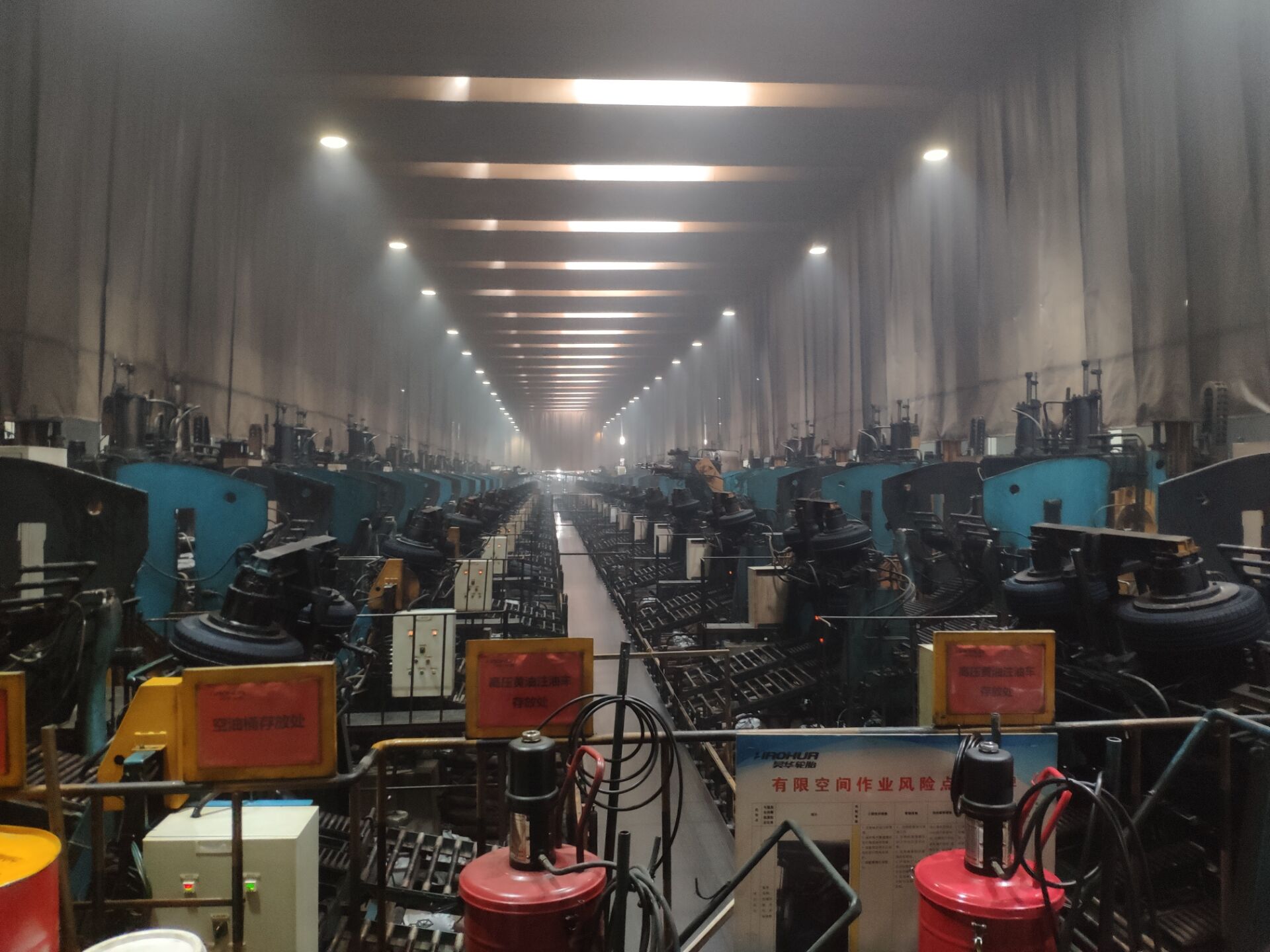
Vulcanization and compounding control how the tire structure holds together under pressure and load.
Applications and Use Cases
From the documented labels, the WIDEWAY AT lines fit mixed fleet use where the same 4x4 must handle daily road driving, site roads, sand tracks, and hot climates. The sand dunes and hot climates label appears across the AT records, which is relevant for Middle East and Central Asian sand applications.
The MT lines fit mud, soft ground, and recreational off-road use. The documented comfort and noiseless tags also make the MT versions more attractive than traditional expectations suggest for buyers who need off-road capability but cannot run a separate set of tires for daily driving.
The RT lines fit users who want rugged-terrain positioning with reinforced sidewall characteristics. The RT records show that WIDEWAY offers this family in sizes such as LT265/70R17, LT285/70R17, and LT315/70R17, allowing comparison with popular lifted-truck fitments.
For all three families, the recurring presence of LT285/70R17 in the documentation is important because that size is common on 4x4 pickups and SUVs. Buyers can compare tire models in the same size without changing wheels.
Market Trends Reinforcing AT, MT, and RT Portfolio Thinking
Industry data published by Credence Research values the mud-tire segment at USD 8.3 billion in 2024, with a projected compound annual growth rate of 6.1% through 2033, driven partly by recreational off-road activity. This matters to distributors because MT demand is not limited to extreme users.
At the same time, industry analysis of the North American tire market has identified rugged-terrain tires as a high-growth middle-ground category, taking interest away from traditional A/T and M/T lines from users who want an aggressive look without full M/T road noise characteristics. WIDEWAY already has an RT product family in its off-road specification records, and the same records include comfortable and noiseless and urban-road labels for the RT line.
For compliance-sensitive export markets, tires shipped to Saudi Arabia must meet SASO certification requirements. A WIDEWAY off-road product file includes a SASO GSO product certification record with certificate number TR13651/2025, valid through 2026-12-11, covering off-road tires. A buyer comparing generic off-road tires should request equivalent market-specific documentation before treating price as the deciding factor.
Comparison With Traditional Buying Habits: Trade-offs and Limits
Traditional off-road buying often treats AT, MT, and RT as separate worlds: AT for road comfort, MT for extreme terrain, and RT as a compromise. The WIDEWAY documentation blurs that boundary by labeling even MT versions as comfortable and noiseless and urban-road products.
That positioning offers convenience, but it also introduces a limitation. Labels such as noiseless are directional terms from the product file, not laboratory sound measurements. Actual noise depends on tread wear, air pressure, road surface, and vehicle insulation. A buyer should not assume that every WIDEWAY MT product will be silent on every highway. A road demonstration or a reputable sample evaluation remains necessary before a large commitment.
There is another limit that applies to every branded product: verified documentation and certification have a cost. If the end use is a low-speed site vehicle with no highway use and no import certification requirement, a generic tire with published specifications may be an acceptable commercial choice. Likewise, a branded tire is only the right choice when the specification matches the application; no brand name can compensate for an incorrect load index or section width. This article therefore does not claim that WIDEWAY is always the best option. It claims that WIDEWAY off-road products provide enough disclosed data for a buyer to make that decision.
Future Outlook
The direction of off-road tire buying is moving toward more transparency because vehicles are heavier and more capable. Fleet operators and distributors need to know whether a tire can carry the load, tolerate the operating temperature, and maintain legal highway capability.
Winter use is another area where buyers should watch for specific certification. The 3PMSF symbol is becoming a mandatory safety requirement for winter tires in more European markets. A tire labeled winter or snow should be checked for the exact 3PMSF mark and regulation reference, especially when it crosses borders.
As the rugged-terrain segment grows, buyers can expect more requests for visual off-road style plus road comfort. That trend makes documentation more important, not less important, because suppliers will need to prove that the aggressive-looking tire also carries a valid load index, speed symbol, pressure value, and sidewall construction.
FAQ
Can a buyer compare WIDEWAY and generic off-road brands without an on-vehicle test?
Yes, at the screening stage. Compare load index, speed symbol, maximum pressure, section width, construction materials, and terrain family label for the exact same tire size. If the generic supplier cannot provide these fields, the two offers should not be treated as equivalent.
What does LT285/70R17 mean?
The mark indicates a light-truck tire with a nominal section width of 285 mm, a 70% aspect ratio, and a 17-inch rim diameter. LT tires are designed for pickup trucks, SUVs, and light commercial vehicles where load capacity matters.
What do dual load index numbers such as 121/118 mean?
Dual load indexes are common on light-truck tires. The first number usually represents the load capacity in single-wheel fitment, while the second represents the load capacity in dual-wheel fitment. The buyer should match the load index to the actual vehicle axle configuration.
Are WIDEWAY mud-terrain tires suitable for daily urban use?
The WIDEWAY MT records carry documented labels for comfortable and noiseless, urban road, and high-speed stability. This suggests the MT lines are intended for mixed use, not only trail use. Actual comfort and noise still need validation on the intended vehicle and road surface.
Should generic off-road tires always be rejected?
No. A generic tire can be acceptable if it carries complete sidewall markings, published technical specifications, and the necessary import certification for the destination market. The risk occurs when a generic offer can only provide a price and a photo, because then it cannot be compared against documented load, pressure, construction, or performance data.
For further technical reference, the published EVERLAND catalog is available for distributors and buyers: EVERLAND Catalog 2025.
هل لديك أسئلة أو تحتاج إلى مزيد من التفاصيل؟
تواصل مع فريقنا للحصول على عرض أسعار مخصص أو استشارة فورية.
طلب عرض أسعار
املأ النموذج أدناه وسيتواصل معك فريقنا بعرض مقترح مخصص.
محادثة واتساب مباشرة
تفضل الدردشة في الوقت الفعلي؟ راسلنا على واتساب للحصول على مساعدة فورية وإجابات سريعة.
- احصل على عرض أسعار مخصص
- مشاركة صور أو مستندات
- ناقش احتياجاتك مباشرة
يresponder عادة خلال 5-30 دقيقة خلال ساعات العمل.