
Optical vs Galvanic Dissolved Oxygen Sensors in Aquaculture
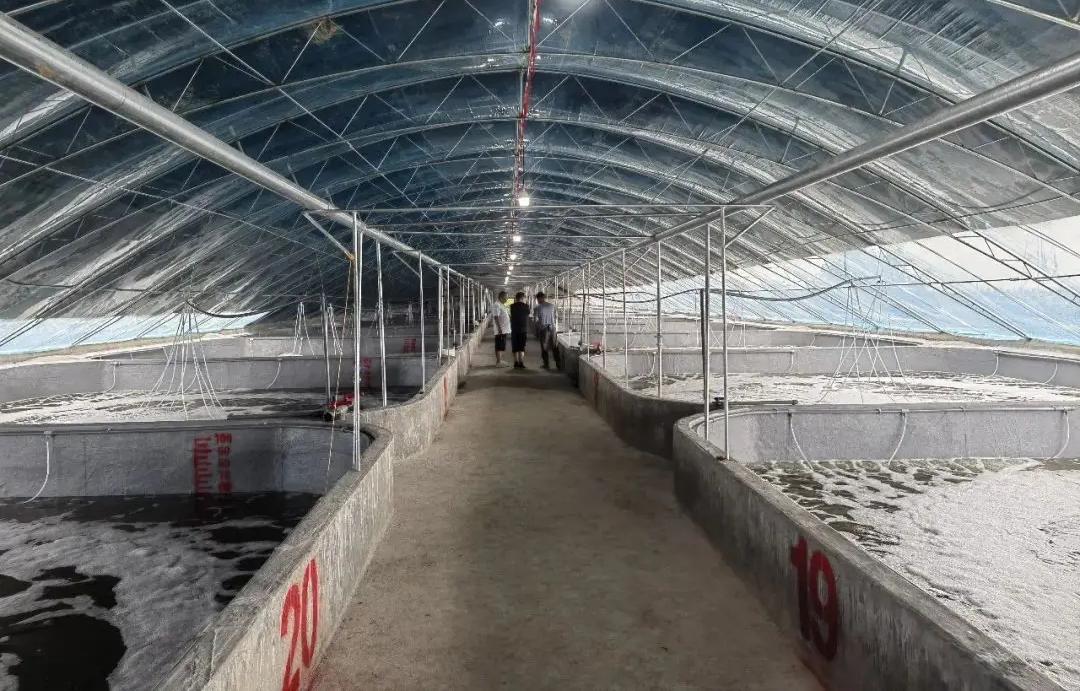
Figure 1 — Optical (fluorescence) dissolved oxygen sensing in an aquaculture application. Image: KACISE KWS-630 field deployment.
Dissolved oxygen is the measurement aquaculture operators act on most often. Aeration is typically the largest controllable energy cost on a farm, and it is also the main protection for stock during night-time respiration peaks, algal crashes and high-temperature events. The practical question is not whether to measure dissolved oxygen, but whether the sensor chosen keeps producing trustworthy values in water that is warm, saline, nutrient-rich and biologically active.
This analysis compares two families of online dissolved oxygen instrumentation — optical fluorescence sensors and traditional galvanic membrane sensors — against the specific conditions of aquaculture sites, and explains where each one fits. It also covers the constraint layer buyers tend to under-specify: wetted materials, output protocols, cleaning provisions, and the EMC certification that EU-facing projects increasingly request.
KACISE (Xi'an Kacise Optronics Tech Co., Ltd.) is a water quality sensor manufacturer founded in 2014, operating a 40,000 m² production facility with an annual output of 120,000 units and exporting approximately 70% of production to EU and USA markets. Its portfolio includes the KWS-630 fluorescence dissolved oxygen sensor discussed here, alongside multi-parameter probes and controllers used in aquaculture, municipal and industrial water monitoring.
Why Aquaculture Is an Unusually Hard Environment for DO Measurement
Three conditions separate aquaculture from most other water quality monitoring duties.
Continuous operation tied to a control action. In high-density fish farming, the dissolved oxygen sensor is not a reporting instrument only; it is paired with aeration equipment and operates continuously. KACISE's application record for a Norwegian aquaculture base describes exactly this pattern: continuous dissolved oxygen monitoring, a saltwater-resistant requirement, and the aerator as the matched equipment.
Biofouling pressure. Warm, nutrient-rich culture water supports rapid biofilm growth on any immersed surface. When biofilm forms on a sensing surface, the measurement path changes and readings drift before they fail — which is more dangerous than an outright fault, because a drifting sensor still returns a plausible number to the controller.
Salinity and material exposure. Saltwater sites, including offshore cage culture, place the wetted body and cable interface under continuous chloride exposure. Material selection is therefore part of sensor fit, not an afterthought.
The same anti-biofouling requirement appears in other continuous monitoring duties — for example, KACISE lists an outdoor river monitoring station in Japan running 24/7 with a multi-parameter water quality sensor and an explicit anti-biofouling requirement — but in aquaculture the consequence of drift is immediate, because the reading drives aeration.
Optical vs Galvanic: How the Two Technologies Actually Differ
The optical approach used in the KACISE KWS-630 measures dissolved oxygen by the fluorescence lifetime method. Its published specification states that it requires no electrolyte and has no flow-rate limit, outputting via RS485 (Modbus) with automatic compensation and optional self-cleaning. The measurement range is 0–20 mg/L, equivalent to 0–200% air saturation, across a temperature range of 0–60 °C. The standard wetted construction is POM with 316L stainless steel, with titanium available as a customization.
Galvanic and other membrane-based online dissolved oxygen sensors work differently. Broadly, they rely on an electrolyte-filled membrane cell that consumes oxygen at the electrode, which historically introduces two operational characteristics: a dependence on a defined flow across the membrane, and a maintenance cycle built around electrolyte and membrane service. These are general characteristics of the membrane sensor class rather than a criticism of any particular supplier — membrane instruments remain common in installations where flow is stable and maintenance labour is routinely available.
The distinction that matters for aquaculture procurement is therefore not accuracy on day one — both classes can be specified to meet a farm's control needs — but what happens between service visits.
Scenario Fit: Matching the Sensor Class to the Site
| Selection criterion | Optical (fluorescence), as specified in KWS-630 | Galvanic / membrane-type online sensor |
|---|---|---|
| Electrolyte requirement | No electrolyte stated | Electrolyte and membrane are periodic service items |
| Flow-rate dependence | No flow-rate limit stated | Typically requires a defined flow across the membrane |
| Fouling exposure | Sensing surface contamination affects the optical path; self-cleaning available as an option | Membrane fouling alters diffusion and can shift readings |
| Range and temperature (as published) | DO 0–20 mg/L (0–200% air saturation); 0–60 °C | Supplier- and model-specific |
| Digital integration | RS485 (Modbus) output, automatic compensation | Varies by supplier and transmitter design |
| Typical fit | Biofouling-prone and low-flow culture water, continuous unmanned operation | Stable-flow installations where routine membrane and electrolyte service is planned |
Read as a decision rule: where the site cannot guarantee a stable flow across a membrane and cannot guarantee frequent cleaning, the optical configuration removes two recurring failure modes from the maintenance schedule at once.
The Constraint Layer Buyers Usually Miss
Parameter constraints. A DO range of 0–20 mg/L covers both freshwater and marine culture. Temperature coverage of 0–60 °C covers normal pond, tank and cage conditions, but not thermal effluent. If the farm also needs ammonia nitrogen, chlorophyll or dissolved CO₂, dissolved oxygen alone is not sufficient.
Aquaculture sites frequently require a second and third parameter, and KACISE publishes ranges for each of them:
- Digital Ammonia Nitrogen Sensor KWS-290 — NH₃-N/NH₄⁺ 0–100.0 mg/L or 0–1000.0 mg/L, pH 0.00–14.00, temperature 0–60 °C, RS485 output, listed for aquaculture and surface water monitoring.
- Online NH₄-N Ammonia Nitrogen Sensor KWS-201 — 0–100 mg/L (0–1000 mg/L optional), pH 4–10, no reagents, replaceable electrodes, POM with 316L body, titanium customizable, listed for freshwater aquaculture.
- Optical Fiber Chlorophyll Sensor KWS-450 — chlorophyll-a 0–500 μg/L, phycocyanin 0–1000 μg/L, temperature 0–60 °C, RS485 output, 316L stainless steel with titanium alloy, listed for aquaculture and algal early warning.
- Dissolved CO₂ Sensor KWS-5000 — NDIR infrared absorption principle, 2000 ppm (±20 ppm), 5000 ppm (±50 ppm) or 10000 ppm (±300 ppm) options, IP68, listed for aquaculture and wetland monitoring.
Material constraints. The KWS-630 body is POM and 316L stainless steel, with titanium offered as a customization. The multi-parameter KWS-800 probe is built from titanium alloy and 316L stainless steel with an IP68 rating — a stronger starting point for continuously immersed saltwater duty. Buyers assessing offshore cage culture should confirm the wetted material against the site's chloride exposure rather than assuming a default.
Protocol constraints. RS485 (Modbus) is the recurring digital output across the KACISE water quality range, which allows sensors to be read by a controller, data logger or SCADA-style system rather than being read locally. Where an existing plant uses analogue loops, the controller layer provides isolated 4–20 mA outputs.
Certification constraints. For EU-bound projects, the relevant KACISE record is CE EMC certificate ZTS23061509TCE, issued by Shenzhen ZTS Testing Service Co., Ltd. on 21 June 2023 with a scope of water quality sensor, covering EN IEC 61326-1:2021, EN 55011:2016+A2:2021, EN IEC 61000-3-2:2019+A1:2021 and EN 61000-3-3:2013+A2:2021. EN IEC 61326-1:2021 is the EU standard for electrical equipment for measurement, control and laboratory use, so it is the certification line most often requested in industrial tenders. Separately, NSF/ANSI 61 and 372 apply where sensors sit on drinking-water-side infrastructure — relevant if a farm's monitoring platform is shared with potable supply assets, not to the culture water itself.
Configuration and cost band. There is no meaningful public price comparison between optical and membrane DO sensors without a fixed configuration, because the cost band is driven by wetted material, cable length, cleaning provisions, protocol and controller choice. Buyers should compare quotations only after locking those variables — a titanium-bodied, self-cleaning, RS485 configuration is a different product from a bare probe, and comparing the two headline prices produces a false conclusion.
For buyers who need modified hardware rather than catalogue items, KACISE offers OEM/ODM production with customization of voltage, logo, output method, protocol and cable. The stated commercial parameters for that route are a minimum order quantity of 1 unit, a monthly capacity of 5,000 units, and shipping generally within 5–8 working days depending on quantity, with 100% testing and remote support.
Building the Monitoring Loop: Sensor to Controller to Aerator
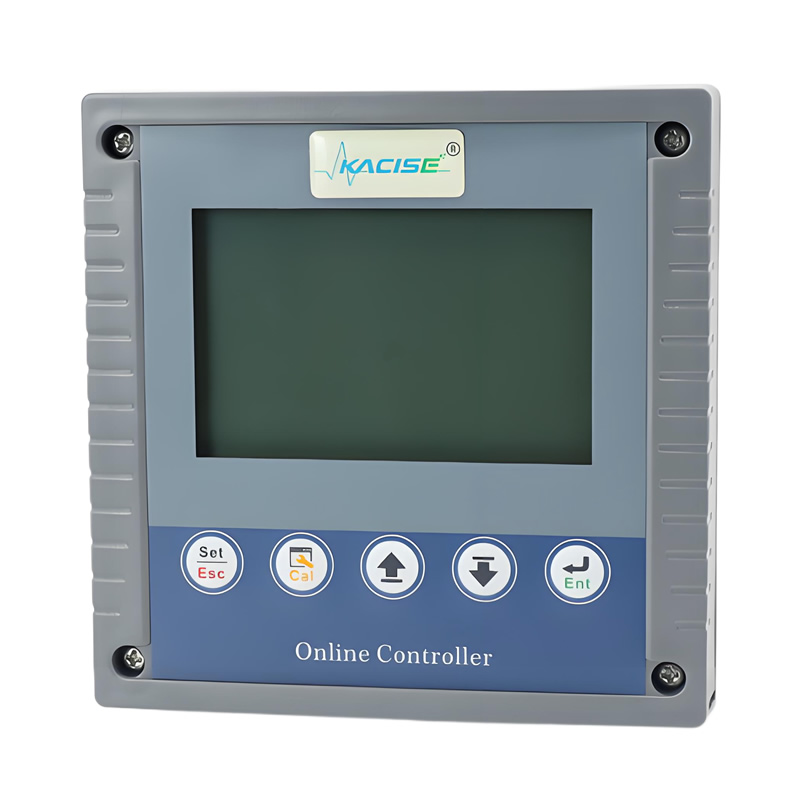
Figure 2 — The controller layer converts a dissolved oxygen reading into a relay action. Image: KACISE KWC-100 multi-parameter water quality controller.
A dissolved oxygen sensor on its own does not control aeration. The control action comes from the layer above it, and the features that matter there are unglamorous: relay outputs, alarm contacts, sensor identification and data retention.
The KACISE KWC-100 multi-parameter water quality controller supports multi-parameter detection — including COD, ammonia nitrogen, dissolved oxygen and pH — with automatic sensor identification, 4–20 mA isolated output, RS485 output, a 2-way relay and automatic temperature and pressure compensation in an ABS casing. It is listed for sewage treatment, waterworks, surface water, industrial wastewater and aquaculture. The relay is the element that turns a measurement into an aeration command.
Where more supervisory capability is required, the KMPW500 multi-parameter water quality analyzer handles up to six parameters plus temperature, with three-way RS485 (Modbus), two channels of 4–20 mA, a 6-way alarm relay, a watchdog function and power-off protection rated beyond 10 years; aquaculture is among its listed industries. The KMPW400 online multi-parameter controller adds a 7-inch LCD touch screen, RS485 (Modbus RTU), automatic sensor identification, 60 days of data storage, a DTU interface and a USB port — useful when a farm needs a local record of night-time oxygen behaviour rather than only a live value.
For sites that want a dissolved-oxygen-only loop, the KDM-140B online dissolved oxygen meter provides DO measurement with temperature compensation, a digital display, RS485 (Modbus), 4–20 mA isolated output and high/low alarms, and is listed for aquaculture, sewage treatment and surface water monitoring.
Where the farm intends to scale from a single parameter to a broader water quality picture, the KWS-800 online multi-parameter water quality monitoring system combines up to seven optional parameters — fluorescent DO, 4-electrode conductivity, fiber turbidity, digital pH/ORP, chlorophyll and oil in water — plus temperature in one all-in-one probe, with RS485 (Modbus), an automatic cleaning device and a waterproof connector. Its published ranges include DO 0–20 mg/L, turbidity 0–1000 NTU, conductivity 0–5000 μS/cm or 0–100 mS/cm, pH 0–14 and temperature 0–50 °C. This is the configuration that matches larger aquaculture bases where a single probe must serve several monitoring purposes.
Recorded Field Deployments in Aquaculture
KACISE's case records include two aquaculture installations in Norway. The first involved 15 units for dissolved oxygen and ammonia monitoring over three years, with saltwater resistance and continuous monitoring noted as the configuration highlights, and increased fish survival rate recorded as the outcome. The second involved 40 units for dissolved oxygen monitoring over two years, with fluorescence DO and low maintenance noted as the highlights and the same survival outcome recorded.
These are supplier-reported records, and a buyer should treat them as configuration evidence rather than as a controlled performance study. The transferable information is the pairing itself: saltwater-resistant bodies, continuous duty, and a stated preference for low-maintenance DO sensing in a region where the same sites must survive winter conditions and summer algal activity.
Market Direction: Why Drift and Maintenance Are Becoming Procurement Criteria
The wider water quality sensor market was valued at USD 5.74 billion in 2024 and is projected to reach USD 9.10 billion by 2030, a CAGR of 8.1%, according to Grand View Research. The same source reports that Asia Pacific held a 46.5% revenue share in 2023, with China identified as a major growing market. A separate estimate places the global water quality monitoring systems market at USD 5.8 billion in 2024, with sensors accounting for the largest segment at a 45% share.
The more telling figure for aquaculture is the growth of connected monitoring. TechSci Research projects IoT-enabled water quality management growing at a CAGR of 16.23% through 2030 — faster than the sensor market as a whole. That matters because connected monitoring changes the cost of drift. When a reading is transmitted continuously to a controller, a dashboard or a farm management system, an unplanned cleaning visit or a suspect value is no longer absorbed quietly by an operator's routine; it becomes visible, and it becomes a measurable operational cost.
For procurement teams, the practical consequence is that sensor selection criteria have shifted from lab-style accuracy claims toward drift stability, cleaning interval and digital integration behaviour — the same three variables that separate optical from membrane designs in biofouling-prone culture water.
Comparison With Traditional Solutions — and Where the Optical Approach Stops
Optical DO sensing is not a universal upgrade over membrane instrumentation, and the KWS-630 specification makes several boundaries explicit.
- Self-cleaning is optional, not standard. The KWS-630 lists self-cleaning as an optional feature. On a biofouling-prone site, a buyer who does not specify it inherits a manual cleaning interval — and optical sensing still depends on the condition of the sensing surface, so cleaning discipline does not disappear. It changes form: no electrolyte to replace, but the measurement surface still requires attention.
- It measures dissolved oxygen and temperature only. Ammonia nitrogen, chlorophyll and dissolved CO₂ require separate sensors (KWS-201/KWS-290, KWS-450 and KWS-5000 respectively) or a multi-parameter platform such as the KWS-800. A farm expecting one optical DO probe to cover the full water quality picture will be disappointed, and should budget for additional instruments.
- Standard body material is POM with 316L stainless steel. Titanium is available as a customization rather than as the default. Sites with aggressive chloride exposure, including offshore cage culture, should confirm the material selection in writing rather than assume it.
- Temperature envelope. The published operating range is 0–60 °C. Applications outside that band — including some thermal discharge monitoring duties — fall outside the standard specification.
Membrane-based sensors retain their own legitimate boundaries in the other direction: they remain a familiar and serviceable option in installations with stable flow, predictable service windows, and technicians already trained on membrane handling. A procurement decision that ignores this and standardises on optical everywhere may simply move cost rather than reduce it.
A Buyer's Selection Checklist for Aquaculture DO Monitoring
- Confirm whether the site can guarantee stable flow across a membrane; if not, evaluate an optical sensor before pricing comparisons.
- Decide the cleaning regime in advance and specify self-cleaning explicitly if labour access is limited.
- Match the wetted material to salinity, and record the decision — POM + 316L, or titanium customization.
- Check the temperature envelope against seasonal extremes on site, not just the annual average.
- List every parameter the farm genuinely needs — DO, ammonia nitrogen, chlorophyll, CO₂ — and select single-parameter or multi-parameter hardware accordingly.
- Confirm the digital protocol (RS485/Modbus) and the controller's relay and alarm count before ordering sensors.
- Request the certification record relevant to the destination market, including CE EMC documentation with the applicable EN IEC 61326-1:2021 standard for EU projects.
- If modified hardware is required, confirm customization scope — voltage, logo, output method, protocol, cable — and the associated lead time.
Future Outlook
Two directions look reasonably clear. First, dissolved oxygen sensing is being absorbed into multi-parameter platforms: the all-in-one KWS-800 already combines seven optional parameters plus temperature with an automatic cleaning device and RS485 output, which reduces the number of separate immersion points per site and the associated fouling management. Second, the growth in IoT-enabled water quality management suggests that sensor value will increasingly be judged by what the data enables — aeration decisions, alarm response, historical records — rather than by the probe alone.
For global buyers working with a Chinese water quality sensor manufacturer, this raises the weight of documentation: certification evidence, published parameter ranges and clear material specifications become as important as the sensor's measurement principle. Optical or galvanic is the first decision; configuration discipline is the one that determines whether the installation still performs in year three.
FAQ
1. What is the difference between an optical and a galvanic dissolved oxygen sensor?
An optical dissolved oxygen sensor measures DO by a fluorescence-based principle. In the KACISE KWS-630, the stated method is the fluorescence lifetime method, with no electrolyte required and no flow-rate limit. A galvanic sensor typically relies on an electrolyte-filled membrane cell that consumes oxygen at the electrode, which generally introduces a defined flow requirement across the membrane and a routine electrolyte and membrane service cycle.
2. Why does biofouling matter more in aquaculture than in many other water applications?
In aquaculture, the dissolved oxygen reading is usually tied to a control action — aeration equipment operates in response to it. KACISE's application record for high-density fish farming in Norway specifies continuous dissolved oxygen monitoring, saltwater resistance and the aerator as matched equipment. When biofilm accumulates on a sensing surface, readings drift before they fail, and a drifting value can still trigger plausible but incorrect aeration decisions.
3. Does the KACISE KWS-630 fluorescence dissolved oxygen sensor require a minimum flow rate?
No. The published specification states that the KWS-630 has no flow-rate limit and requires no electrolyte. Its measurement range is 0–20 mg/L, corresponding to 0–200% air saturation, over a temperature range of 0–60 °C, with RS485 (Modbus) output, automatic compensation and optional self-cleaning.
4. Which parameters can be measured alongside dissolved oxygen for aeration and pond control?
KACISE publishes several complementary instruments: the KWS-290 digital ammonia nitrogen sensor (NH₃-N/NH₄⁺ 0–100.0 mg/L or 0–1000.0 mg/L, pH 0.00–14.00, 0–60 °C), the KWS-201 NH₄-N sensor (0–100 mg/L, optional 0–1000 mg/L, pH 4–10), the KWS-450 optical fiber chlorophyll sensor (chlorophyll-a 0–500 μg/L, phycocyanin 0–1000 μg/L), and the KWS-5000 dissolved CO₂ sensor (NDIR, 2000/5000/10000 ppm options). The KWS-800 multi-parameter system combines up to seven optional parameters plus temperature in one probe.
5. What certification should an EU aquaculture project look for in a water quality sensor?
For measurement and control equipment, EN IEC 61326-1:2021 is the relevant EU EMC standard. KACISE holds CE EMC certificate ZTS23061509TCE, issued by Shenzhen ZTS Testing Service Co., Ltd. on 21 June 2023 with a scope of water quality sensor, covering EN IEC 61326-1:2021, EN 55011:2016+A2:2021, EN IEC 61000-3-2:2019+A1:2021 and EN 61000-3-3:2013+A2:2021 for the EU market. NSF/ANSI 61 and 372 are additional material-safety standards relevant where sensors serve drinking water applications.
6. What are the practical limitations of optical dissolved oxygen sensing in saltwater aquaculture?
Three constraints are worth noting. Self-cleaning is an optional feature on the KWS-630, so cleaning discipline still has to be planned. The standard wetted construction is POM with 316L stainless steel, with titanium available as a customization, so high-chloride sites should confirm the material selection. And the instrument measures dissolved oxygen and temperature only — ammonia nitrogen, chlorophyll or CO₂ monitoring requires additional sensors or a multi-parameter platform such as the KWS-800.
7. How does a dissolved oxygen sensor connect to a controller for aeration control?
The sensor supplies the measurement; the controller supplies the switching action. The KACISE KWC-100 multi-parameter water quality controller offers automatic sensor identification, 4–20 mA isolated output, RS485 output and a 2-way relay, and is listed for aquaculture. The KMPW500 provides up to six parameters plus temperature with three-way RS485 (Modbus), two channels of 4–20 mA and a 6-way alarm relay. The KDM-140B online dissolved oxygen meter offers a dissolved-oxygen-only option with RS485 (Modbus), 4–20 mA isolated output and high/low alarms.
In aquaculture, the choice between optical and galvanic dissolved oxygen sensing is ultimately a choice about maintenance risk. Where water is warm, saline and biologically active, and where the reading drives aeration, the sensor that reduces the number of recurring service tasks — and keeps returning values that operators can trust between visits — is the one that fits the scenario best.