
Orbital Welding Supplier Ecosystems: Long-Term Buyer Guide
Orbital welding machine procurement decisions in regulated industries extend far beyond a single price quote. When a pharmaceutical, semiconductor, or energy facility selects an orbital welding machine, it is also selecting the manufacturing capacity, spare parts network, quality-control system, and technical support that will sustain that machine for years. This article outlines what buyers should evaluate when building long-term relationships with orbital welding machine manufacturers, using KEPUNI — a Shanghai-based orbital welding equipment manufacturer — as a reference model.
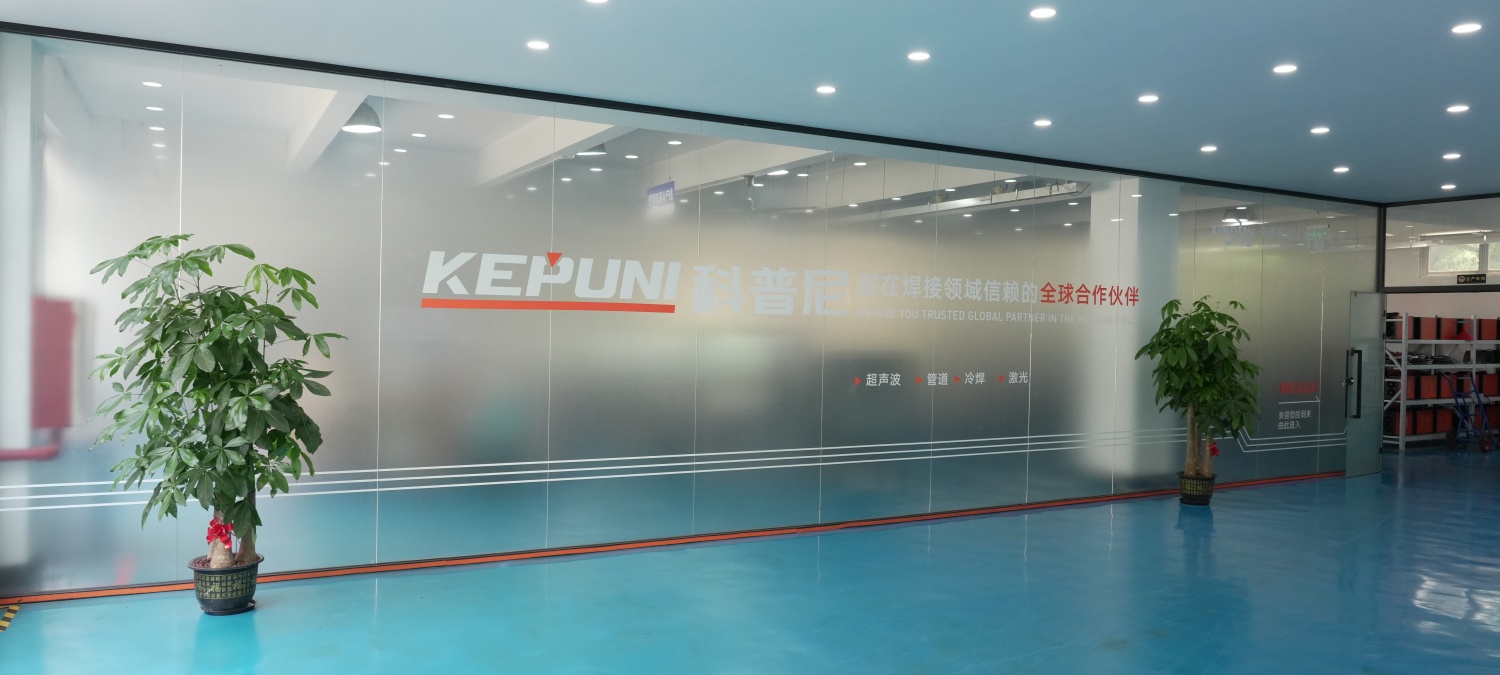
KEPUNI production workshop in Shanghai — the manufacturing base behind its orbital welding machine supply ecosystem.
The Market Context: Orbital Welding Demand Is Shifting to Long-Term Value
The global orbital welding machine market was valued at approximately USD 1.32 billion in 2024 and is projected to reach USD 2.07 billion by 2030, according to Strategic Market Research. The oil and gas sector accounted for more than one-third of total market share in 2024, making it the largest application segment. At the same time, high-purity piping for semiconductor and pharmaceutical facilities is identified as the fastest-growing segment, driven by stringent contamination-control requirements.
These two demand forces — heavy industrial piping and ultra-clean process lines — place different burdens on equipment suppliers. Oil and gas projects need large-diameter open-head welding and girth welding capabilities. Semiconductor and pharmaceutical projects need closed-head designs, documented weld quality, and regulatory traceability. A single-machine vendor may satisfy one project, but an orbital welding machine manufacturer that supports both requires a broader product ecosystem.
The Procurement Problem: Machine Cost vs. Total Ownership Risk
At the decision and execution stage, buyers typically compare equipment specifications, delivery time, and payment terms. Yet the risks that affect total cost of ownership often appear only after commissioning. Manual TIG welding remains the low-initial-cost alternative, but it welds roughly 3–5 times slower than orbital systems and produces weld quality that depends on operator skill. For high-purity and repeatable production, automated orbital welding is preferred because it delivers consistency, repeatability, and lower long-term labor cost.
The hidden risk in orbital welding procurement is supplier dependency. Key questions include:
- Can the manufacturer maintain production capacity when your order volume grows?
- How quickly can spare parts reach your site in Europe, Asia, the Middle East, or the Americas?
- Is weld quality verified before batch production begins?
- Does the supplier offer training, remote diagnostics, and stable pricing over multi-year contracts?
This article answers these questions using KEPUNI's published manufacturing, procurement, and risk-control data.
KEPUNI: A Shanghai-Based Orbital Welding Equipment Manufacturer
KEPUNI is a brand of Shanghai Chuanli Industrial Co., Ltd., a high-tech enterprise certified by the Ministry of Science and Technology of China. The company was established in 2014 and is headquartered in Shanghai, approximately 15 minutes from Hongqiao Airport and Hongqiao High-Speed Railway Station. KEPUNI operates a 10,000 m² production park, employs 280 people — including 36 R&D engineers and technicians — and exports 100% of its products to Europe, Asia, South America, North America, and the Middle East.
The company's product catalog covers closed orbital welding heads, open orbital welding heads, tube-to-tube-sheet welding heads, cold welding machines, orbital cutting machines, tube facing machines, and handheld laser welding machines. Its core R&D team has accumulated around 20 years of experience in professional welding, power supply design, pipeline welding, and automation.
Technical Capability: From Standard Power Supplies to Application-Specific Weld Heads
KEPUNI's orbital welding product line is structured around pipe diameter, wall thickness, and industry requirement. The table below summarizes the published specifications of its main orbital welding systems.
| Model / Series | Type | Pipe / Tube OD | Wall Thickness | Documented Application Industries |
|---|---|---|---|---|
| XD-20PRO | Pipe welding power supply | 3.175–168 mm | 0.5–3 mm | Semiconductor, pharmaceutical, food & beverage, oil & gas, chemical |
| 5H Series | Split-type weld head | 3.175–15.88 mm | ≤1.5 mm | Semiconductor, pharmaceutical, biotechnology |
| 10H Series | Split-type weld head | 6.35–25.4 mm | ≤1.5 mm | Pharmaceutical, food & beverage, chemical |
| 40/80/120/170 Series | Closed weld head | 6.35–168 mm | ≤3 mm | Oil & gas, power generation, chemical processing |
| XD-U Series | U-tube weld head | 9–25 mm | ≤1.5 mm | Heat exchangers, boilers, condensers |
| XD-K Series / K Series | Open pipe welding system | 19–325+ mm | 2.5–13 mm | Oil & gas, pipeline construction, shipbuilding, petrochemical |
| TB-35 / TB-65 Series | Tube-to-tube-sheet weld heads | 4.5–65 mm | ≤2.5–5 mm | Heat exchangers, boiler manufacturing, condensers, pressure vessels |
| XD-GH Series | Girth weld power supply + rotary stand | 20–960 mm (pipe/vessel) | 2.5–25 mm | Shipbuilding, oil & gas pipelines, storage tanks, pressure vessels |
Source: KEPUNI published product specifications (2026).
This range matters for long-term buyers because it allows a single approved vendor to cover multiple lines: small-diameter high-purity tubing, large-diameter process piping, and tube-to-tube-sheet joints in heat exchangers and boilers.
Manufacturing and Delivery Ecosystem: Capacity, Lead Time, and Order Flexibility
For buyers planning repeat purchases or multi-machine rollouts, supplier capacity is a decision criterion. KEPUNI's monthly production capacity is 50–200 units depending on the product line. The minimum order quantity is one unit for sample orders, which reduces the risk for first-time buyers.
Published production lead times are 30–45 days for most models and 60–90 days (FOB Shanghai) for bulk orders. Delivery terms include CIF and DAP (door delivery), and third-party inspection by SGS or BV is available as an option. Standard payment terms are 30% deposit, 40% before production, and 30% before shipment, with alternative structures offered depending on order type.
On the supply-chain side, KEPUNI mitigates delay risk through dual sourcing for key consumables such as tungsten electrodes, welding wire, and gas nozzles; a six-month safety stock for critical spare parts; and a local supplier network in the Shanghai area. These measures are part of the company's published risk-control framework and directly affect delivery reliability for global projects.
Application Scenarios: Matching the Machine to the Environment
Orbital welding machines for clean rooms, pharmaceutical lines, food-grade piping, oil and gas facilities, boiler tubes, and HVAC systems have different design priorities. KEPUNI's product segmentation addresses these environments as follows.
Clean Room and Semiconductor
Orbital welding systems for clean rooms often use closed-head designs to prevent atmosphere contamination and ensure high-purity gas tungsten arc welding (GTAW). KEPUNI's 5H Series and 10H Series split-type weld heads are documented for semiconductor, pharmaceutical, and biotechnology applications, with pipe diameters from 3.175 mm to 25.4 mm and wall thickness up to 1.5 mm.
Pharmaceutical and FDA-Compliant Production
Orbital welding is standard in pharmaceutical manufacturing to comply with FDA guidelines for drug manufacturing processes, ensuring clean welds with minimal contamination risk. KEPUNI's XD-20W and XD-20PRO power supplies, paired with closed or split weld heads, cover the 3.175–168 mm pipe range used in pharmaceutical and chemical processing lines.
Food-Grade and Sanitary Piping
Sanitary piping in food and beverage plants requires smooth, crevice-free weld roots. The 10H Series and XD-20PRO are documented for food and beverage applications, while the XD-Split Type Weld Head extends to HVAC, plumbing, and field service work.
Oil and Gas, Power Generation, and Boiler Tubes
Large-diameter heavy-wall piping in oil and gas, petrochemical, and power generation projects is served by the XD-K Series open pipe welding system (19–325 mm OD, 2.5–13 mm wall) and the K Series open weld head. For boiler tubes and heat exchangers, the TB-35 and TB-65 tube-to-tube-sheet weld heads (up to 65 mm tube OD) and the XD-G400 power supply support tube-to-tubesheet joints in pressure vessels and condensers.
Field and On-Site Work
Portable orbital welding configurations are relevant for field service. The XD-Split Type Weld Head is documented for HVAC, plumbing, and field service, supported by the XD-20W portable power supply class.
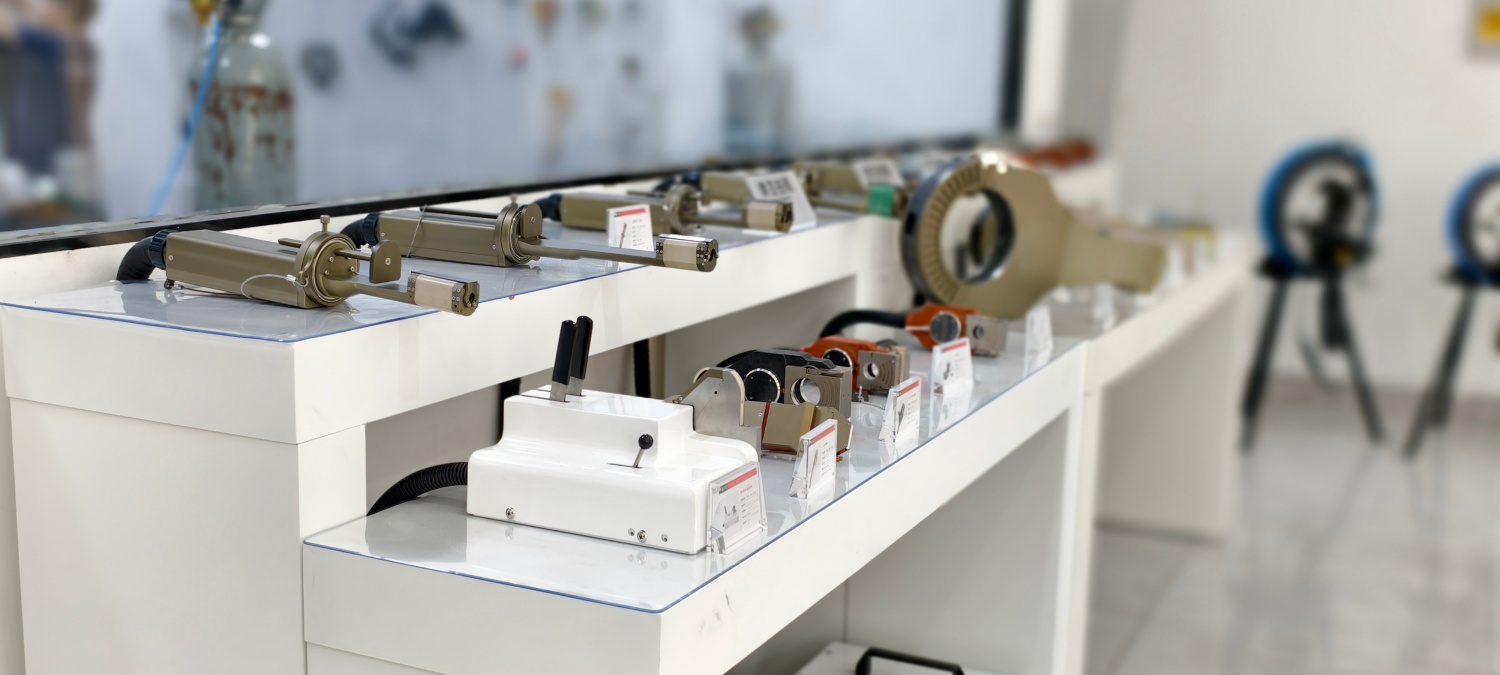
Product display area at KEPUNI's Shanghai headquarters — the application range spans high-purity tubing to large-diameter pipe welding.
Market Trend Analysis: Where Orbital Welding Demand Is Headed
Four trends are visible in the orbital welding equipment market, based on published market data:
- Oil and gas remains the anchor segment. The sector held more than one-third of the global market in 2024, sustaining demand for open-head and girth welding systems.
- High-purity is the fastest-growing segment. Semiconductor and pharmaceutical piping projects require documented low-contamination welds, driving demand for closed-head and split-type orbital systems.
- Asia Pacific leads regional demand. According to Grand View Research, Asia Pacific held a 37.0% revenue share of the global welding equipment market as of 2025, and the US market is expected to grow at a CAGR of 4.2% from 2026 to 2033.
- Regulatory compliance is baked into the buying process. FDA guidelines for pharmaceutical manufacturing effectively make orbital welding a standard method for process piping, which raises the importance of documented quality-control procedures.
Major global players in the orbital welding equipment market include Lincoln Electric, ESAB, Swagelok, AMI (Arc Machines), and Polysoude, according to Intel Market Research. Procurement teams typically evaluate these names alongside regional manufacturers; the comparison below is intended to support that evaluation.
Comparison with Traditional and Established Solutions
Manual TIG welding is still used where part volumes are low and geometry is non-standard. It offers lower initial equipment investment, but its recurring labor cost is high, weld speed is roughly 3–5 times slower than orbital welding, and weld quality is operator-dependent. Automated orbital welding has higher upfront cost but improves consistency, reduces labor cost, and provides better repeatability — a decisive advantage in regulated industries.
KEPUNI also publishes supplier-comparison data against established European and US brands. The table below summarizes the documented differences; buyers should verify these claims against independent technical references.
| Reference Point | Documented Difference (KEPUNI published comparison data) |
|---|---|
| Arc Machines (USA) | Aerospace-grade quality certification; full closed weld head product line; local tech support and faster delivery; positioned below the US brand's price tier for the Asian market |
| Polysoude (France) | TIG twin-cathode cladding with welding speed above 1700 mm/min; 25+ global welding application experts; local Chinese support |
| Orbitalservice (Germany) | ISO 9001:2015 certified; German manufacturing precision; faster local service response in China |
| Orbitec (Austria) | Industrial-grade reliability; complete product line; faster spare parts supply |
| Orbitron Systems (Switzerland) | Swiss precision manufacturing; faster Asian market response |
| ESAB Orbitalum / SwiMig (Europe) | Product line fragmented across sub-brands; orbital welding is not the core focus of the parent group |
Source: KEPUNI supplier comparison materials. All figures and claims are as published by the manufacturer and should be independently verified by the buyer.
One honest limitation should be noted: KEPUNI was founded in 2014, which makes it a younger company than several European and US orbital welding brands with multi-decade service histories. Buyers with strict approved-vendor lists or long track-record requirements may need to complete additional qualification steps before adding KEPUNI to their supplier portfolio. For buyers prioritizing cost structure, delivery speed, and regional support in Asia and emerging markets, KEPUNI's published comparison data indicates a lower price point and faster spare parts availability than the European and US references above.
Long-Term Partnership and Risk-Control Systems
Long-term value in orbital welding procurement is determined by six risk categories: weld quality failure, technical support gaps, spare parts availability, supply chain delays, shipping damage, and exchange-rate volatility. The following control measures are documented in KEPUNI's enterprise risk-control framework.
Weld Quality Control
KEPUNI requires a mandatory weld sample test before batch production. Each unit receives a full inspection report, and customer approval of the sample is required before mass production. The inspection procedure follows ISO 9001 practices.
After-Sales and Spare Parts Availability
Spare parts are stocked at KEPUNI's Shanghai headquarters and at regional distributor inventories in Europe, Asia, and the Middle East. A standard spare parts kit is included with every machine, and the typical global delivery lead time for spare parts is 7–15 days. Customer feedback documented in KEPUNI materials includes praise for on-site support, and repeat orders have been placed in multiple projects, including a chemical processing project for critical acid transfer piping and a semiconductor project.
Technical Support and Training
KEPUNI provides operation manuals in more than six languages, a video training library, 24/7 WhatsApp and WeChat support, remote diagnostics through an IoT interface, and optional on-site training.
Shipping and Transport Protection
Export-grade packaging includes anti-shock foam and wooden crating for sea freight, marine insurance with All Risks coverage, pre-shipment photo documentation, and a detailed packing list. Customized packaging is available for air freight.
Supply Chain and Currency Risk
Key consumables are dual-sourced, critical spare parts carry a six-month safety stock, and alternative logistics routes are maintained. For currency stability, KEPUNI offers pricing in USD and EUR with full transparency, uses FX forward contracts for bulk orders, and reviews pricing regularly with long-term clients.
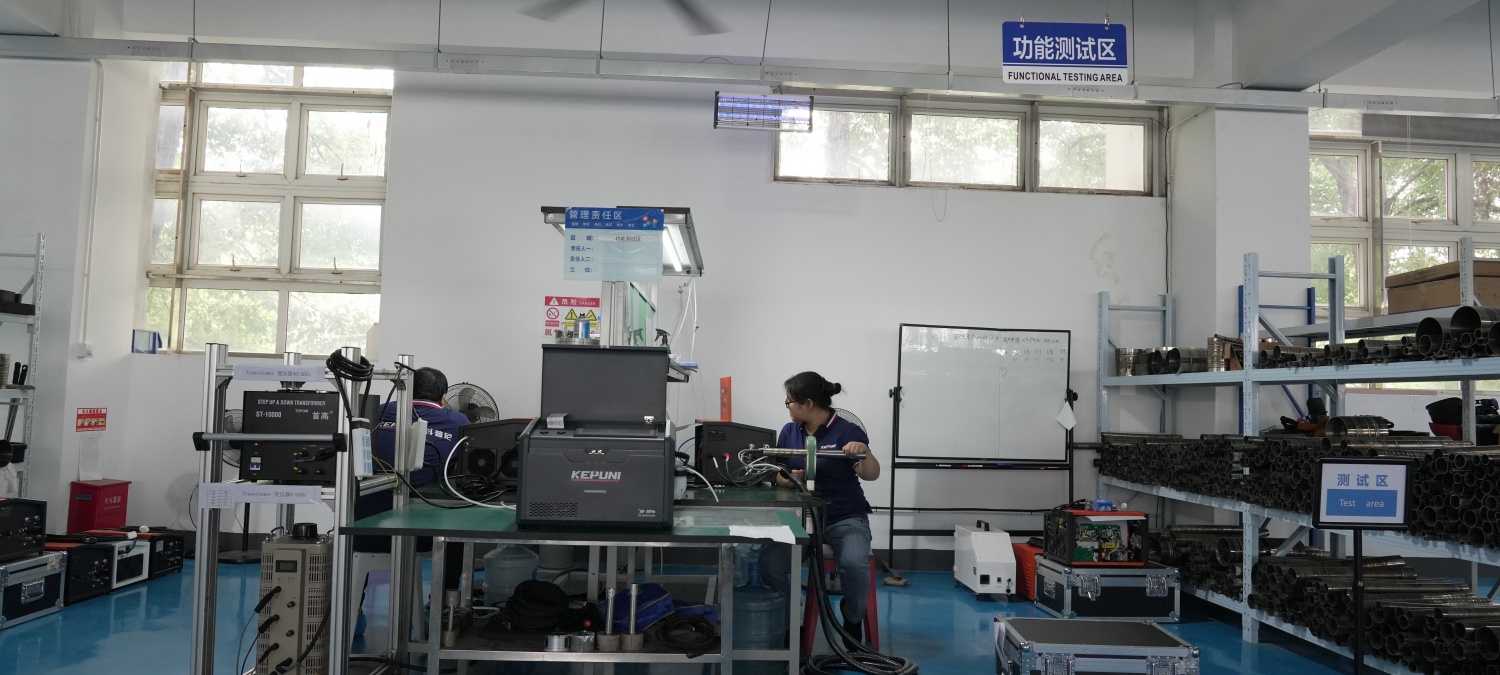
Inspection area for orbital welding machines at KEPUNI — pre-shipment checks support documented quality control.
Future Outlook: Procurement Is Moving Toward Ecosystem-Based Selection
As high-purity applications grow faster than the overall market, orbital welding machine buyers are increasingly selecting suppliers that can provide, from a single source, the machine, the weld heads, the spare parts, the training, and the regional service response. The combination of closed-head systems for clean rooms, open-head systems for oil and gas, and tube-to-tube-sheet systems for boilers gives manufacturers like KEPUNI a position in multiple procurement cycles rather than a single order.
For distributors and system integrators, the relevant question is whether an orbital welding machine manufacturer can operate as a stable supply partner: predictable lead times, documented quality, regional inventory, and multi-currency commercial terms. KEPUNI's published procurement terms — one-unit MOQ, CIF/DAP delivery, optional third-party inspection, and 30/40/30 payment structure — are designed to support that kind of relationship.
Frequently Asked Questions
What should buyers evaluate when selecting an orbital welding machine manufacturer for long-term supply?
Buyers should evaluate manufacturing capacity, documented quality-control procedures, spare parts delivery lead times, technical support resources, and the supplier's ability to serve multiple application areas. In KEPUNI's case, published data covers monthly production capacity of 50–200 units, ISO 9001-based inspection procedures, and a global spare parts delivery time of 7–15 days.
What are the minimum order quantities, lead times, and payment terms for orbital welding machine orders?
KEPUNI's minimum order quantity is 1 unit for sample orders. Production lead times are 30–45 days for most models and 60–90 days (FOB Shanghai) for bulk orders. Payment terms are 30% deposit, 40% before production, and 30% before shipment; delivery can be arranged on CIF or DAP terms, with optional third-party inspection by SGS or BV.
How quickly can spare parts be delivered after the initial purchase?
According to KEPUNI's published service data, the typical global lead time for spare parts delivery is 7 to 15 days. Spare parts are stocked at the Shanghai headquarters and at regional distributor inventories in Europe, Asia, and the Middle East.
How does KEPUNI compare with European and US orbital welding brands on long-term maintenance?
Based on KEPUNI's published comparison data, the main differences are price positioning, spare parts speed, and regional service response. European and US brands such as Arc Machines, Polysoude, Orbitalservice, Orbitec, and Orbitron have longer operating histories and established local channels in their home markets. KEPUNI positions itself at a lower price tier with faster spare parts supply and faster service response in China and Asian markets.
How is weld quality guaranteed before batch production?
KEPUNI's documented procedure requires a mandatory weld sample test before batch production, customer approval of the sample, a full inspection report per unit, and ISO 9001-based inspection procedures.
Does KEPUNI support distributor and reseller partnerships?
KEPUNI's products are supplied through sales agents and distributors in Europe, Asia, and South America. Regional distributor inventories are part of the spare parts network, and the company's procurement terms — one-unit MOQ, flexible payment structures, and multi-currency pricing — support channel partners entering orbital welding distribution.
KEPUNI — orbital welding machines, open pipe welders, tube-to-tube-sheet welders, and related equipment for high-purity and industrial applications.
Website: www.kepuni.com | Email: info@kepuni.com | Tel/WhatsApp: +86 18221803984
Address: No. 688 Jiaqian Road, Nanxiang Town, Jiading District, Shanghai, China
Company brochure: Download PDF