
Organic Hemp Seed Protein in Food Projects: Fit, Standards, Supply Factors
Organic hemp seed protein is not a one-size-fits-all ingredient. For food manufacturers evaluating it for a reformulated product or a new plant-based line, the practical questions are about project fit: what storage and processing conditions does the ingredient require, which organic certifications must be in place, what supporting equipment is needed, and how should supply be structured. These questions matter because organic hemp seed protein is a traceable, certified agricultural ingredient rather than a simple commodity powder.
Why organic hemp seed protein is entering food project discussions
Food manufacturers evaluating protein ingredients in 2026 are working with a different set of constraints than in previous years. Clean-label expectations have moved from a product claim to a documentation requirement, and organic claims now demand traceable proof from field to finished powder. In this context, organic hemp seed protein has moved from a niche product to a project-level ingredient.
Market research firms tracking the ingredient provide a similar directional picture. The global hemp protein powder market was valued at USD 217.3 million in 2025, with organic segments projected to achieve a CAGR of 5.98 percent through 2031. The broader hemp seed market, which includes protein, oil, and seed forms, reached USD 5.98 billion in 2025 and is projected to reach USD 10.84 billion by 2033. These numbers describe a growing but still early-stage ingredient, which is why procurement decisions need project-specific verification rather than category momentum.
What organic hemp seed protein offers in a formulation
Organic hemp seed protein powder is a plant-based powder derived from organic hemp seed, typically processed into standardized protein levels. In supplier specifications, 70 percent and 75 percent protein versions are common. It belongs to the food manufacturing industry and is most often applied in agricultural product type projects across global markets.
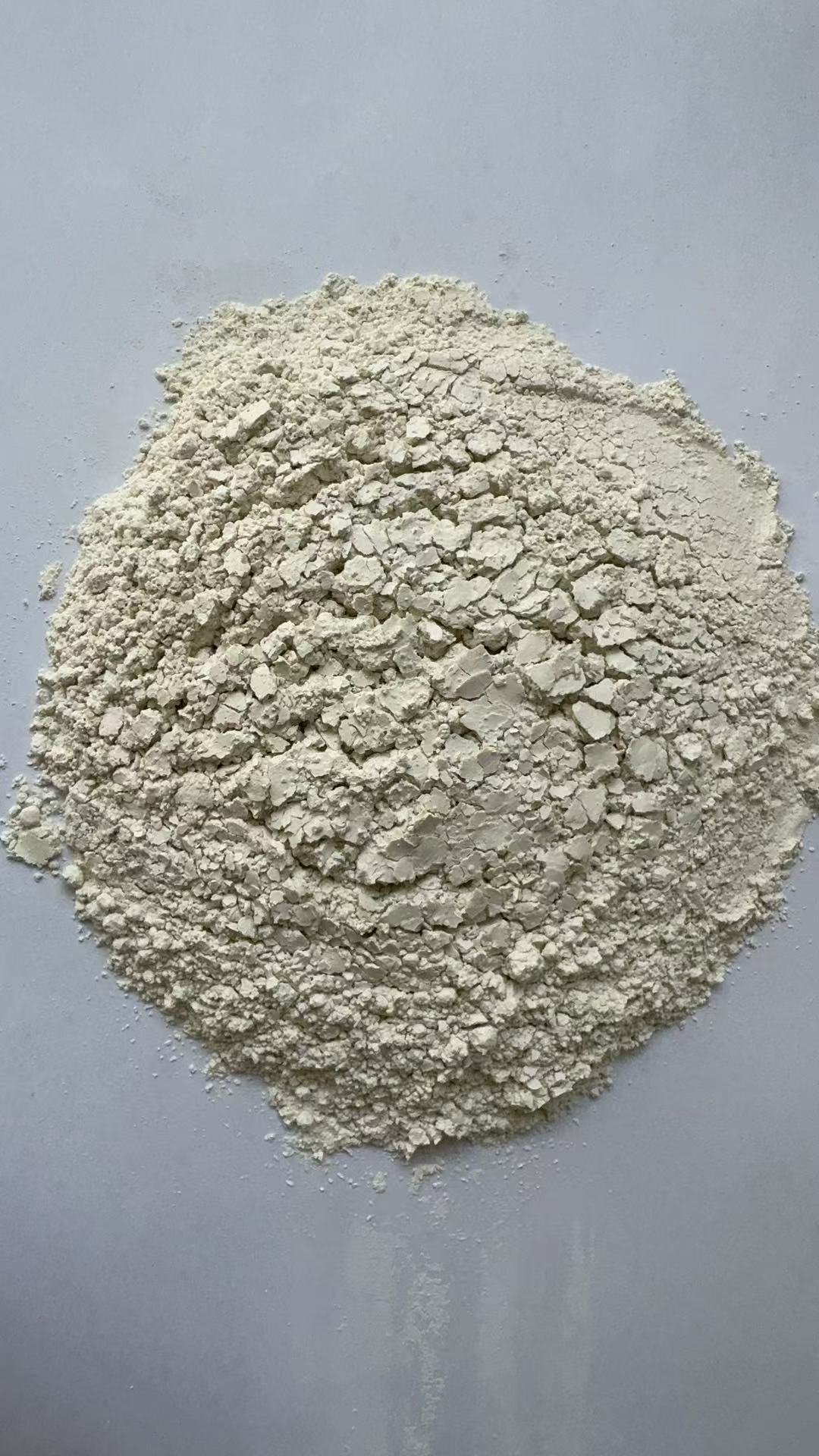
Its nutritional role goes beyond protein. The ingredient provides high dietary fiber content, which promotes intestinal peristalsis, improves digestive health, increases satiety, and assists in healthy weight management. From a formulation standpoint, organic hemp seed protein also offers a complete amino acid profile, including all nine essential amino acids, and a fatty acid profile with a roughly 3:1 ratio of omega-6 to omega-3. For finished-product labels, it can be positioned as gluten-free, vegan, non-GMO, and free from artificial additives and preservatives.
Project requirements: what the ingredient needs from a food plant
Project fit is determined by two layers: facility compatibility and compliance readiness. In standard food manufacturing settings, organic hemp seed protein operates in normal ambient temperature, dry and clean storage and processing environments. It is not designed for high-humidity or uncontrolled storage areas.
Processing also requires supporting equipment that food manufacturers often already have: a color sorting machine, a metal detector, and screening and milling equipment. Color sorting helps remove defective or foreign material before milling; metal detection protects consumers and downstream equipment; screening and milling control particle size and blend consistency. For a manufacturer planning to use organic hemp seed protein in powders, bars, or beverages, these equipment requirements are not complex, but they should be part of the project specification.
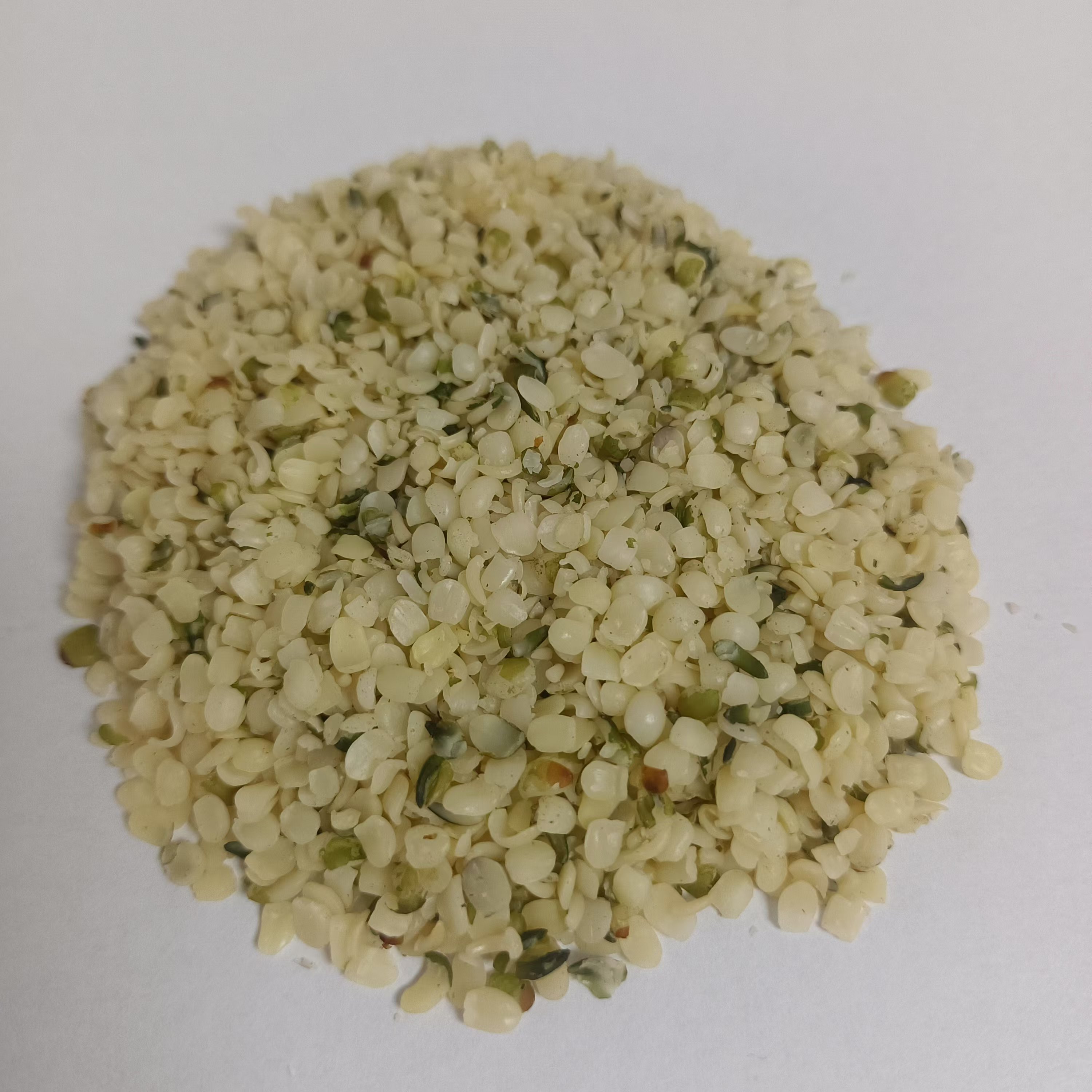
The compliance layer is stricter. The application carries special requirements that include compliance with EU Organic and USDA Organic standards and freedom from artificial additives. In practice, this means the ingredient must enter the plant with its organic certificate chain intact, and the finished product must maintain that claim through clear batch tracking.
Health food applications and a documented supply example
In health food applications, organic hemp seed protein can serve as a standalone protein source or complement other plant-based ingredients. It is often found in protein powders, smoothie mixes, nutrition bars, baked products, and cereal toppings.
A documented example from Australia shows what a project-scale supply relationship looks like. A wholesale client used hemp seed for health food purposes, receiving 50 to 80 metric tons over 24 months. The project delivered stable product quality and compliance with local food safety standards. The two attributes emphasized by the client were high purity and stable batch consistency.
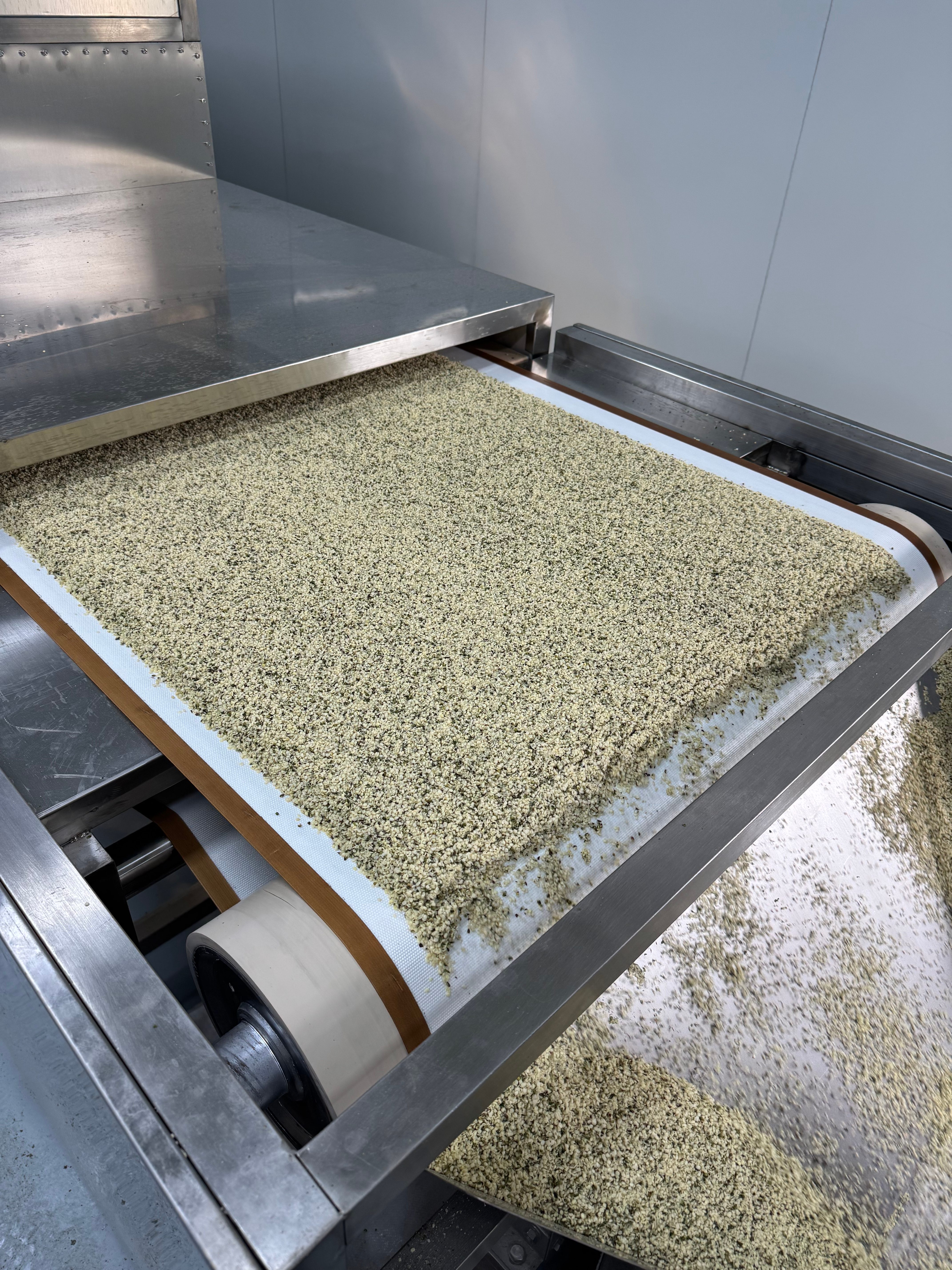
For buyers, the case is less about a single supplier and more about expectations: multi-ton programs require repeatable quality and batch-level documentation, not just an initial certificate.
The EU regulatory layer around organic hemp seed protein
EU-focused buyers operate under Regulation (EU) 2018/848, which has been in force since January 1, 2022 and became fully enforced for third-country imports on January 1, 2025. The regulation requires 100 percent compliance with EU organic standards, replacing the earlier equivalence system. For organic hemp seed protein, this raises the bar for certificate validity, product-scope verification, and batch-level traceability.
European supply is also changing. According to the European Commission, EU hemp cultivation area increased to 37,740 hectares in 2024, recovering from 28,830 hectares in 2023. More domestic hemp supply does not eliminate the need for imported organic protein fractions, but it does create a more competitive and regulated marketplace. Buyers should therefore check whether a non-EU supplier can produce documentation that meets the stricter 2018/848 requirements.
How organic hemp seed protein compares with conventional plant proteins
Compared with more refined plant proteins such as soy or pea isolates, organic hemp seed protein has a different project profile. It contains a complete amino acid set and a meaningful amount of dietary fiber, which is uncommon in isolated proteins. It is also naturally gluten-free and compatible with vegan, kosher, and halal product lines.
The trade-offs are equally important. Typical organic hemp seed protein powders contain around 70 to 75 percent protein, which is lower than highly refined isolates. Its flavor is earthier and may require masking in some applications. Organic certification increases both cost and supplier qualification effort. For high-protein beverages that require a neutral taste and very high protein density, a more refined isolate may be a better fit. For whole-food bars, meal replacements, and nutrition powders that value fiber and a clean-label story, organic hemp seed protein can be a strong project fit.
| Dimension | Organic Hemp Seed Protein | Conventional Isolated Proteins |
|---|---|---|
| Protein concentration | Typically 70–75% | Typically higher |
| Amino acid profile | Complete, with all 9 essential amino acids | Varies by source; often complete |
| Dietary fiber | Present in meaningful amounts | Usually low |
| Allergen profile | Gluten-free; compatible with vegan, kosher, halal | Soy may carry allergen concerns |
| Organic supply chain | Requires EU/USDA organic certification | Available but certification adds cost |
| Typical finished products | Bars, powders, breakfast products | High-protein beverages, sports nutrition |
Supplier evaluation factors for organic hemp seed protein projects
For a project entering the evaluation stage, supplier verification is as important as ingredient functionality. Buyers should ask for original international organic certificates, confirm that the certificate covers the specific product scope, and require batch-wise self-inspection reports. Supply contracts should define quality standards clearly and include return-and-replacement arrangements for failed tests. Maintaining a backup qualified supplier is also a practical hedge, because organic ingredient availability can fluctuate with harvests.
One supplier example illustrates the type of documented producer that fits an EU-focused or US-focused project. Ningxia Senqi Food Industry Co., Ltd. is a processor and exporter based in Ningxia, China, specializing in hemp products, goji berry products and buckwheat products. It operates two factories, one sales center and two planting farms, and exports to more than 20 countries. Its certifications include EU Organic, USDA Organic, BRC, Kosher and Halal. Its hemp range includes organic hemp seed protein powder at 70 percent and 75 percent protein.
For project planning, the supplier lists OEM/ODM capability, a monthly capacity of 200 metric tons, a standard lead time of 10 to 20 days, and a minimum order quantity of 500 kilograms, with third-party laboratory quality control. These parameters are not industry-wide norms; they are company-specific data points that a buyer can benchmark against its own volume and lead-time requirements.
Future outlook
Organic hemp seed protein is well positioned for steady adoption in food manufacturing, but two factors will shape its pace: regulatory certainty and consistency of certified supply. EU Regulation 2018/848 is already forcing clearer documentation across the supply chain, which should ultimately benefit buyers who rely on verified organic claims. At the same time, cultivation data in the EU suggests that supply capacity is still adjusting, so buyers may need to lock in supplier commitments earlier than they would for commodity ingredients.
For manufacturers, the practical takeaway is that organic hemp seed protein is no longer an experimental input. It is a specifiable ingredient with defined operating conditions, certification requirements, and documented use cases. The brands that treat it as a project ingredient—with clear facility requirements and supplier verification steps—will be in a stronger position than those simply following a trend.
For documented supplier specifications and company background, the Senqi Food corporate brochure is publicly available here: Senqi Food Brochure (PDF).
FAQ
What is organic hemp seed protein powder used for in food manufacturing?
Organic hemp seed protein powder is used in the food manufacturing industry, most often in agricultural product-type projects. It is suitable for applications in the food sector, particularly health food formulations such as protein powders, nutrition bars, smoothie mixes and bakery products.
What certifications should organic hemp seed protein suppliers hold?
For EU and US markets, suppliers should be able to demonstrate compliance with EU Organic and USDA Organic standards. Many food manufacturers also screen for BRC, Kosher and Halal certifications. Under EU Regulation (EU) 2018/848, third-country imports must comply fully with EU organic standards, not just an equivalent system.
What storage and equipment conditions are required for organic hemp seed protein?
The product is designed for normal ambient temperature, dry and clean storage and processing environments. Supporting equipment typically includes a color sorting machine, a metal detector, and screening and milling equipment. Special requirements include compliance with EU Organic and USDA Organic standards and freedom from artificial additives.
How does organic hemp seed protein contribute to health food products?
The ingredient provides high dietary fiber content, which promotes intestinal peristalsis, improves digestive health, increases satiety, and assists in healthy weight management. It also supplies a complete plant-based protein profile containing all nine essential amino acids.
What are typical supply parameters for an organic hemp seed protein project?
Supply parameters vary by supplier. In one documented Australian wholesale project, 50 to 80 metric tons of hemp seed were delivered over 24 months for health food purposes, with stable product quality and compliance with local food safety standards. Some suppliers offer OEM/ODM support, monthly capacity in the hundreds of metric tons, lead times of 10 to 20 days, MOQs around 500 kilograms, and third-party laboratory quality control.
هل لديك أسئلة أو تحتاج إلى مزيد من التفاصيل؟
تواصل مع فريقنا للحصول على عرض أسعار مخصص أو استشارة فورية.
طلب عرض أسعار
املأ النموذج أدناه وسيتواصل معك فريقنا بعرض مقترح مخصص.
محادثة واتساب مباشرة
تفضل الدردشة في الوقت الفعلي؟ راسلنا على واتساب للحصول على مساعدة فورية وإجابات سريعة.
- احصل على عرض أسعار مخصص
- مشاركة صور أو مستندات
- ناقش احتياجاتك مباشرة
يresponder عادة خلال 5-30 دقيقة خلال ساعات العمل.