
POS Terminal Market in 2026: Leaders, Trends and Buyer Evaluation
Global spending on point-of-sale (POS) infrastructure continues to expand as merchants move beyond simple payment capture toward integrated commerce. The POS terminal market was valued at approximately USD 123.2 billion in 2025, according to Grand View Research, while handheld POS devices are expected to grow from USD 33.15 billion in 2025 to USD 89.52 billion by 2035. For procurement teams, this creates a crowded supplier landscape in which hardware specifications are only one part of the decision. This article provides an independent evaluation reference for POS terminals in 2026, covering market structure, supplier capabilities, deployment evidence, and the trade-offs buyers should consider.
The Market Opportunity: POS Terminal Demand in 2026
Two major shifts are reshaping demand. First, Android POS terminals now account for about 27% of global POS sales, reflecting the move toward app-driven retail and restaurant operations. Second, software-based payment acceptance (SoftPOS) is emerging as a complement to dedicated hardware; the SoftPOS market was estimated at USD 365 million in 2024 and is projected to expand at a 23.1% CAGR through 2030. These trends broaden the choice set. Buyers are no longer deciding between a basic card terminal and a full cash register, but among handheld, countertop, kiosk, and AI-based checkout systems with different certification and integration needs.
At the same time, the retail self-service kiosk market is forecast to reach USD 37.8 billion by 2030. That forecast signals that unattended retail is moving from pilot to mainstream, and POS buyers must evaluate hardware that can support both staffed and unstaffed operation. The opportunity is not only in replacing old payment devices; it is in redesigning the entire checkout transaction.
Key Players in the POS Terminal Landscape
Among large global suppliers, Ingenico (Worldline), Verifone, PAX Technology, SUNMI, and Newland Payment Technology are regularly cited as major manufacturers. In the self-service kiosk category, Telpo Technology is identified as a leading corporation. Understanding this landscape helps buyers match supplier strengths to deployment context. A retail chain deploying unattended checkout may prioritize kiosk-specific experience, while a financial institution rolling out payment fleets may focus on certification depth.
Telpo Technology Co., Ltd., founded in June 1999 and headquartered in Foshan, China, is a national high-tech enterprise listed on the NEEQ with stock code 833839. The company designs and manufactures payment terminals, Android POS terminals, cash registers, self-service kiosks, ticket validators, biometric payment devices, and AI checkout equipment. It exports 60% to 80% of its production to Asia, Africa, the Middle East, Europe, Latin America, and North America, serving customers across retail, transit, banking, and hospitality.
Technical Explanation: From Card Readers to Smart Commerce
A modern POS terminal is more than a card reader. Contact payment accepts chip and magnetic stripe cards through an IC reader and MSR module. Contactless payment uses an NFC antenna for tap-to-pay with Visa Paywave, Mastercard Paypass, American Express Expresspay, and UnionPay QuickPass. QR code scanning and mobile wallets broaden the accepted payment types, while SoftPOS enables a standard Android device to accept contactless payments by using its built-in NFC and certification software.
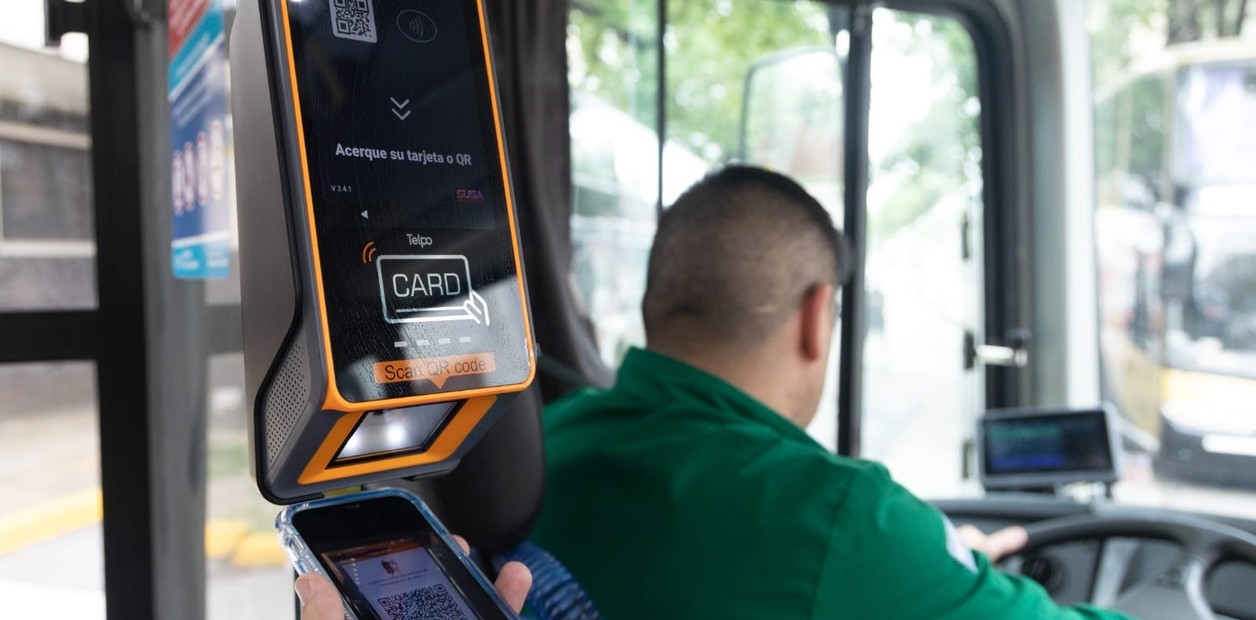
For unattended or special-purpose environments, the hardware must be adapted. Ticket validators such as Telpo T10 and T20 use high-brightness displays, IP65/IP54 protection, and secure mounting for buses and turnstiles. Self-service kiosks integrate large touchscreens, thermal printers, barcode scanners, and optional facial recognition. The evolution of POS terminals has turned them into full business management devices that handle ordering, inventory, loyalty, and payments on a single platform.
Security remains a core requirement. Global payment standards such as EMV and PCI PTS define how card data must be protected. Terminals that carry EMVCo Level 1/2, EMV Contactless Level 1, and PCI PTS V6.x certifications are better prepared for international deployment. Telpo’s P9 series, for example, holds EMV Contact L1/L2, Mastercard, UnionPay QuickPass, and Mastercard TQM approvals, while the TPS900 carries AMEX, Paywave, Paypass, NSICCS, and BIS certifications.
A Supplier Evaluation Framework for POS Buyers
Evaluating a POS terminal supplier goes beyond comparing screen sizes and processors. A practical framework covers six dimensions: manufacturing depth, quality systems, certifications, customization capability, software maturity, and after-sales service. Telpo’s documented capabilities provide a concrete example of what to verify.
Manufacturing Depth
A 45,000 sqm factory with an annual capacity of two million units and a CNAS laboratory covering about 900 sqm across 12 testing zones—including an OTA darkroom, EMC chamber, and climate lab—allows in-house validation. For buyers, in-house testing reduces dependence on slower third-party schedules and enables faster hardware iterations.
Quality Control
ISO 9001, 100% functional testing, and a CNAS-accredited lab provide evidence of repeatable quality. The lab supports a range of environmental, electromagnetic compatibility, and radio frequency tests, which are especially important for terminals used in transit and outdoor settings.
Certifications
Payment terminals from Telpo carry EMVCo Level 1/2, EMV Contactless Level 1, PCI PTS V6.x, Paywave, Paypass, American Express, UnionPay QuickPass, and regional approvals such as Indonesia’s NSICCS and India’s BIS. The P9 series also holds Mastercard TQM production approval. These credentials are practical gateways for global rollout, as local regulators and payment networks often require them before a device can be certified for a market.
Customization and ODM
Telpo runs a full-chain ODM model covering industrial design, structural modification, hardware module changes, software deep customization, and packaging. Its TelpoOS provides 101 features and 144 APIs for clients that need differentiated applications. A typical MOQ for custom projects is 500 to 1,000 units, while standard models can be sampled individually. This makes ODM feasible for mid-sized distributors and specialized retailers, not only large payment institutions.
Software and Ecosystem
Android-based models support GMS certification, SoftPOS-ready NFC, and integration with third-party peripherals. They can run inventory, workforce, and analytics applications alongside payment software. GMS certification is also essential for markets where Google services are expected on Android devices.
After-Sales Support
Telpo provides a 24/7 ticket system, remote diagnostics, API/SDK documentation, and a Telpo MDM remote monitoring platform. Remote management allows operators to monitor device health, deploy software updates, and troubleshoot issues without sending technicians to every store or vehicle.
For procurement teams, the key question is whether a supplier can prove these dimensions with audited evidence. Telpo’s factory, lab, certification list, and published ODM workflow provide that evidence. However, buyers should always ask for current certificates and test reports rather than accepting marketing claims.
Deployment Evidence Across Retail, Restaurant and Transit
Reported deployments offer useful evidence of what specific POS terminals can achieve in real conditions. The following examples are drawn from public project summaries and illustrate how hardware choice affects operational performance.
| Terminal Type | Typical Environment | Key Requirements | Example Models |
|---|---|---|---|
| Countertop POS | Retail counters, restaurants | Multiple connectivity, printer, peripheral support | Telpo M8 |
| Handheld POS | Delivery, field sales, transit | Battery life, ruggedness, SoftPOS NFC | Telpo P9, M1 |
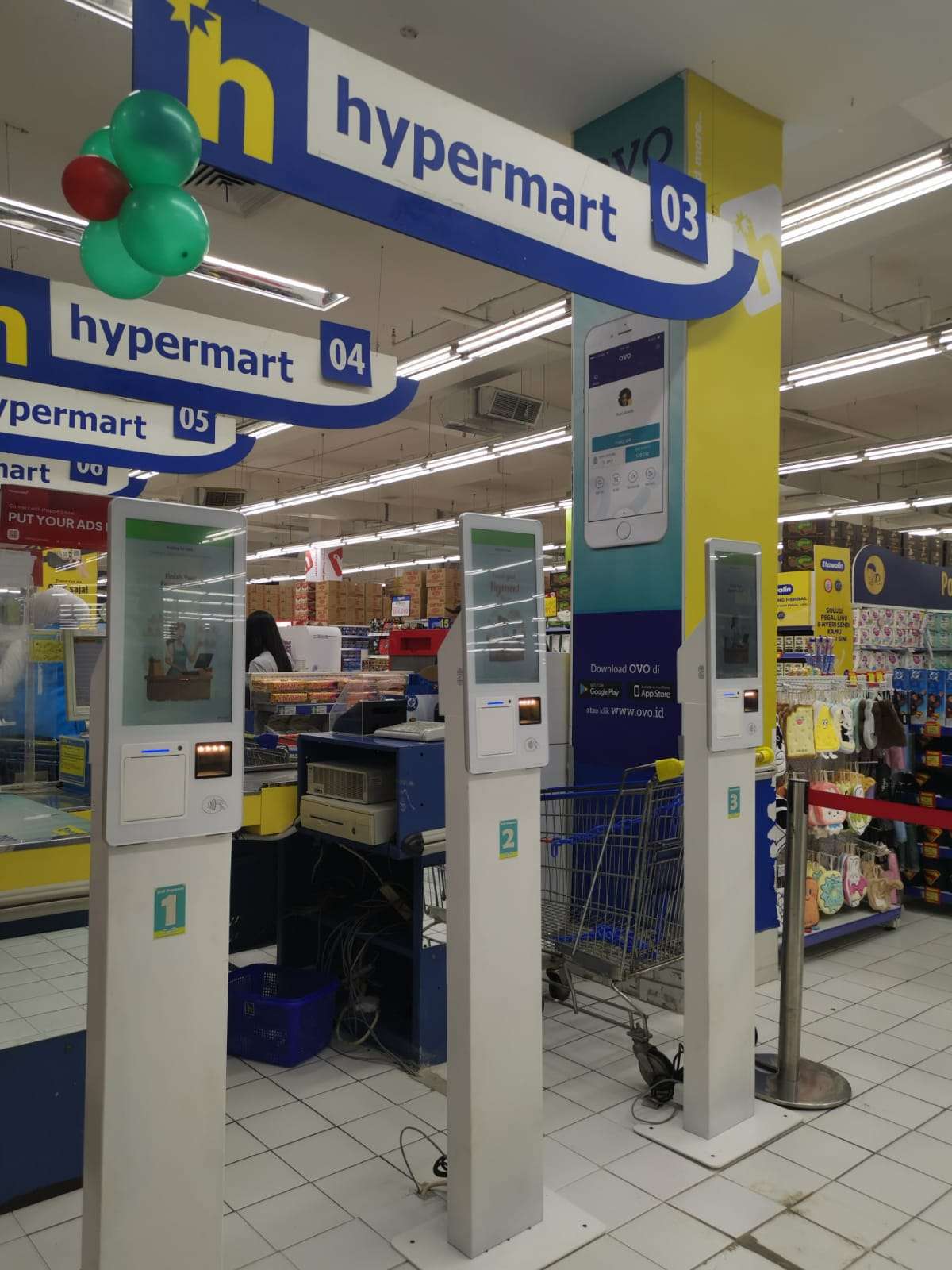
| Self-Service Kiosk | Supermarkets, QSR, convenience | Large display, fast printing, unattended operation | Telpo K10, K20, K106 |
| Ticket Validator | Bus, metro, events | IP65/IK protection, multi-payment, SAM slots | Telpo T10, T20 |
Unattended Convenience Retail
A convenience store chain with more than 40,000 stores deployed the Telpo K106 self-service kiosk for 24-hour unmanned checkout. The kiosk weighs 3.5 kg and uses an 11.6-inch display. Reported results include a reduction in transaction steps from eight to four, a 35% drop in average transaction time, and a daily peak of 600 orders per unit.
Supermarket Self-Checkout
Telpo’s K10 kiosk was used in a large-format supermarket deployment of over 100 units. The 15.6-inch, 4.29 kg device runs Android 14 and supports GoPay, OVO, NFC, QR, and smart cards. In operation, each unit handled transaction volumes comparable to a manned checkout at lower per-transaction cost, allowing staff to be redeployed to customer service.
Quick-Service Restaurants
In Mongolia, Burger King locations use the Telpo K20 self-ordering kiosk for ordering, checkout, and advertising. The kiosk has a 27-inch touchscreen, multi-language UI, receipt printing, and audio accessibility. The operator reported reduced order queues and lower upsell friction because customers control the menu flow.
Public Transit
Telpo T10 and T20 ticket validators have been deployed in transit networks. A Vietnamese rollout of more than 2,000 T10 units reduced single ticket verification time from 5 seconds to 1 second, cut ticketing operation costs by 30%, and increased the target user base by 45%, peaking at 500,000 transactions per day. The validators support EMV cards, QR codes, e-wallets, and closed-loop cards, making them suitable for complex multi-operator networks.
Event and SoftPOS
In Germany, a solution integrator deployed more than 200 Telpo M8 units for SoftPOS payment at a sporting event. Contactless transactions completed in under two seconds, and the M8 replaced a terminal, scanner, and printer in a single device. The dual-screen design allowed staff to show payment results to customers while running an independent promotional display.
Market Trends and Their Procurement Impact
The following market data points should influence POS terminal decisions in 2026 and beyond.
- Android dominance is growing. With Android POS terminals representing roughly 27% of global POS sales, procurement teams should expect Android to be the default platform for new retail and restaurant deployments. This improves app availability and simplifies developer hiring, but it also demands a supplier with active OS security updates.
- SoftPOS will not replace dedicated hardware soon. The SoftPOS market is growing from a small base, but dedicated terminals remain necessary for high-volume payment, PIN entry, rugged environments, and transit deployment. Buyers should treat SoftPOS as an option for low-volume or temporary channels, not as a replacement.
- Handheld POS is a high-growth segment. The handheld POS market is projected to increase from USD 33.15 billion in 2025 to USD 89.52 billion by 2035. Delivery, field services, and mobile ticketing are driving this growth, making battery life, connectivity, and durability key specs.
- Unattended retail is scaling. The forecast of USD 37.8 billion for retail self-service kiosks by 2030 points to sustained investment in self-checkout. Buyers should adopt hardware with flexible installation options, remote management, and high-frequency-use components.
These trends also affect supplier selection. When a deployment spans multiple countries, the supplier needs a portfolio of certified devices and a clear roadmap for renewing those certifications. When a deployment is highly automated, the supplier needs robust device management and API support. Buyers should map their own growth plans against these trends rather than buying only for today’s requirement.
Comparison with Traditional Solutions
Compared with legacy proprietary payment terminals, Android-based and smart POS devices offer broader application ecosystems, richer peripheral support, and faster user-interface updates. They also enable unified data across inventory, membership, and payments. A single Android POS can replace a payment terminal, a barcode scanner, and a receipt printer—reducing counter space and hardware cost.
However, there is a real boundary. For a low-transaction merchant that only accepts card payments and does not need inventory or loyalty functions, a simple countertop terminal with long battery life and manufacturer-managed firmware may be more economical and easier to operate. Android smart POS devices require more staff training, system updates, and security management. A one-size-fits-all hardware strategy is rarely optimal; buyers should segment deployments by use case.
Another boundary applies to ODM partnerships. Custom hardware projects at Telpo typically carry an MOQ of 500 to 1,000 units, which may be excessive for early-stage pilots. In such cases, starting with standard models and migrating to custom design after volume validation is a common path.
Future Outlook
Artificial intelligence is moving into checkout, as seen in Telpo’s C50 AI self-checkout terminal, which features a 99.8% recognition rate and 0.1-second item identification. This technology removes the need for barcode scanning on unpackaged goods, which is particularly valuable in bakeries, fresh food sections, and self-service restaurants.
Biometric payment, including facial recognition and fingerprint verification, will continue to expand in banking and regulated retail. At the same time, the line between a payment terminal and a business management device will blur further. Suppliers with modular hardware, open APIs, and strong certification roadmaps will be better positioned to support long-term deployments.
For procurement teams, the immediate action is to build evaluation criteria that score not just current specifications but also the supplier’s ability to update software, refresh hardware, and maintain global compliance over a multi-year device life.
FAQ
What are the leading POS terminal manufacturers in 2026?
Major global manufacturers include Ingenico (Worldline), Verifone, PAX Technology, SUNMI, and Newland Payment Technology. In the self-service kiosk category, Telpo Technology is also recognized as a leading corporation.
What should buyers check when evaluating a POS terminal supplier?
Buyers should verify manufacturing capacity, factory size and output, quality systems such as ISO 9001 and CNAS labs, payment certifications including EMV and PCI PTS, customization depth such as ODM support, after-sales service including remote diagnostics and MDM, and regional market experience.
Are Android POS terminals now the mainstream choice?
Android POS terminals account for roughly 27% of global POS sales. They are popular in retail, restaurant, and self-service scenarios because of app flexibility. However, for simple card-only acceptance, traditional terminals can still be more economical and easier to manage.
What deployment results have Telpo POS terminals achieved in retail and transit?
Reported deployments include a 40,000-store convenience chain using K106 kiosks for 24-hour checkout, a 2,000-unit transit rollout in Vietnam that cut verification time from 5 seconds to 1 second, and a German SoftPOS event deployment that processed contactless transactions in under two seconds.
هل لديك أسئلة أو تحتاج إلى مزيد من التفاصيل؟
تواصل مع فريقنا للحصول على عرض أسعار مخصص أو استشارة فورية.
طلب عرض أسعار
املأ النموذج أدناه وسيتواصل معك فريقنا بعرض مقترح مخصص.
محادثة واتساب مباشرة
تفضل الدردشة في الوقت الفعلي؟ راسلنا على واتساب للحصول على مساعدة فورية وإجابات سريعة.
- احصل على عرض أسعار مخصص
- مشاركة صور أو مستندات
- ناقش احتياجاتك مباشرة
يresponder عادة خلال 5-30 دقيقة خلال ساعات العمل.