
PV Combiner Box Selection: Matching Specifications to Solar Project Needs
PV Combiner Box Selection: Matching Specifications to Solar Project Needs
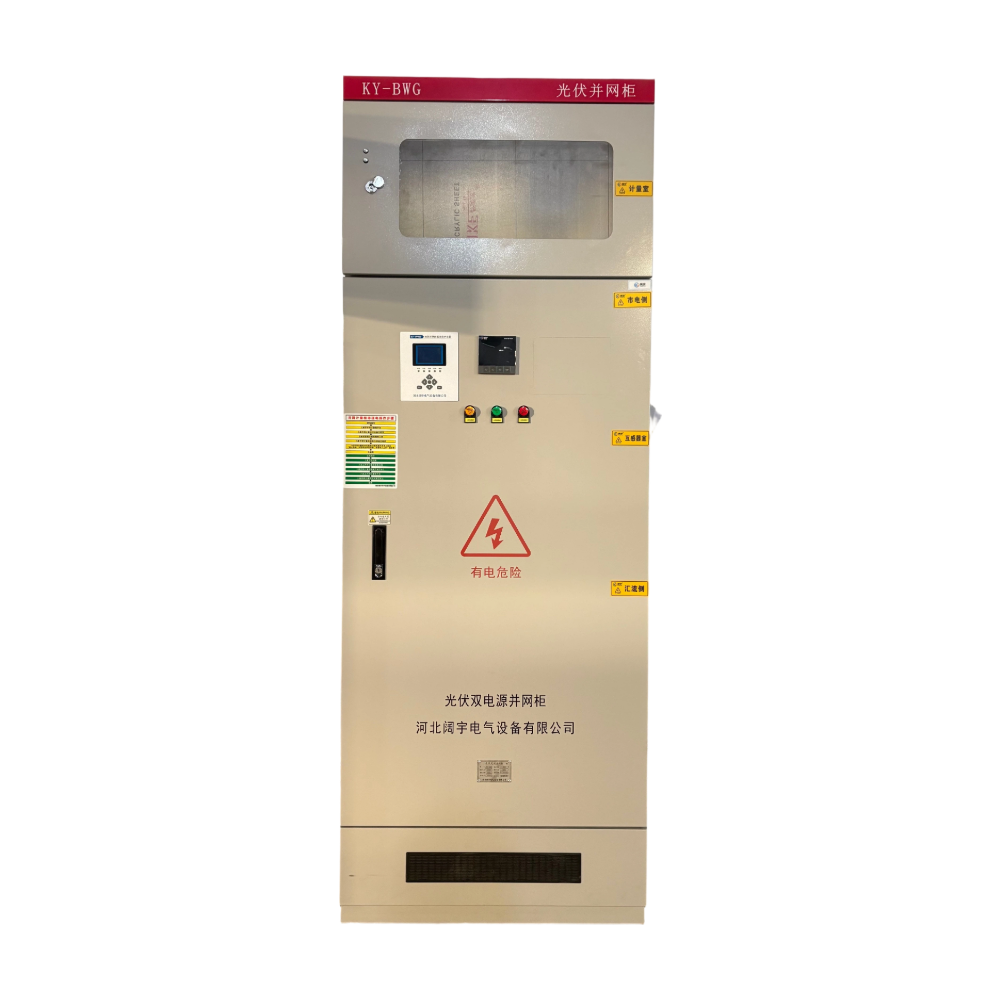
Industry Context: The Growing Need for Specialized Photovoltaic Distribution
As solar installations scale from residential rooftops to multi-megawatt utility plants, the demand for reliable photovoltaic distribution boxes has intensified. A PV combiner box—also known as a solar combiner box or photovoltaic distribution box—serves as the critical junction where multiple PV strings converge before connecting to the inverter. It must safely manage DC currents, provide overcurrent protection, and withstand harsh outdoor environments.
The global solar combiner boxes market is projected to grow from USD 1.2 billion in 2026 to USD 2.1 billion by 2035 at a CAGR of 6.2%, according to Business Research Insights. Within this segment, DC smart PV combiner boxes are expected to dominate with a 62.5% market share by 2035, highlighting the industry’s shift toward intelligent, high-performance distribution solutions.
Problem and Opportunity: Matching Hardware to Project Conditions
Engineers and procurement managers evaluating distribution boxes for photovoltaics face a complex set of requirements. The equipment must operate reliably 24/7 under indoor and outdoor high/low temperature, humid, and dust-prone conditions. It must provide safe power transmission, voltage conversion, and circuit control while protecting against overloads and short circuits. Additionally, projects increasingly demand explosion-proof enclosures, IP dustproof and waterproof ratings (such as IP54 or IP65), corrosion resistance, high mechanical strength, and customizable internal configurations.
The opportunity lies in selecting a supplier that can not only deliver standard products but also tailor the box to the specific environmental and electrical demands of each solar project.
Brand Solution: Kuoyu Electrical’s Approach to Photovoltaic Distribution
Hebei Kuoyu Electrical Technology Co., Ltd. (Kuoyu Electrical) is a China-based manufacturer specializing in distribution boxes, distribution cabinets, transformers, cables, and other power equipment. Founded in 2017, the company operates a 9,000 m² facility with 80 employees, an in-house sheet metal processing workshop, and a high/low voltage assembly workshop. It has achieved ISO9001 three-system certification and holds honors including China 315 Integrity Brand and Hebei Famous Brand.
For photovoltaic applications, Kuoyu Electrical offers distribution boxes and cabinets that meet the project-specific needs described above. Drawing on 10 engineers in the R&D team and an annual production capacity of 30,000 sets, the company supports both standard and OEM configurations, including customization of voltage ratings, logos, and internal layouts. Typical lead time is 30 days, with a minimum order of 2 units, making it viable for both small commercial and larger infrastructure projects.
Technical Explanation: Core Design and Protection Features
A photovoltaic distribution box from Kuoyu Electrical integrates several key components to ensure safe and reliable operation:
- Circuit breakers for overload and short-circuit protection
- Contactors and relays for automated switching and control
- Busbars and grounding devices for efficient power distribution
- Indicator lights and cooling fans for operational status and thermal management
The enclosures are constructed from high-quality cold-rolled steel plate, with optional stainless steel for enhanced corrosion resistance. Protection class options include IP54 and IP65, ensuring waterproof and dustproof performance in outdoor solar installations. The boxes are designed to be waterproof, dustproof, corrosion resistant, and flame retardant, with high mechanical strength to withstand physical impacts.
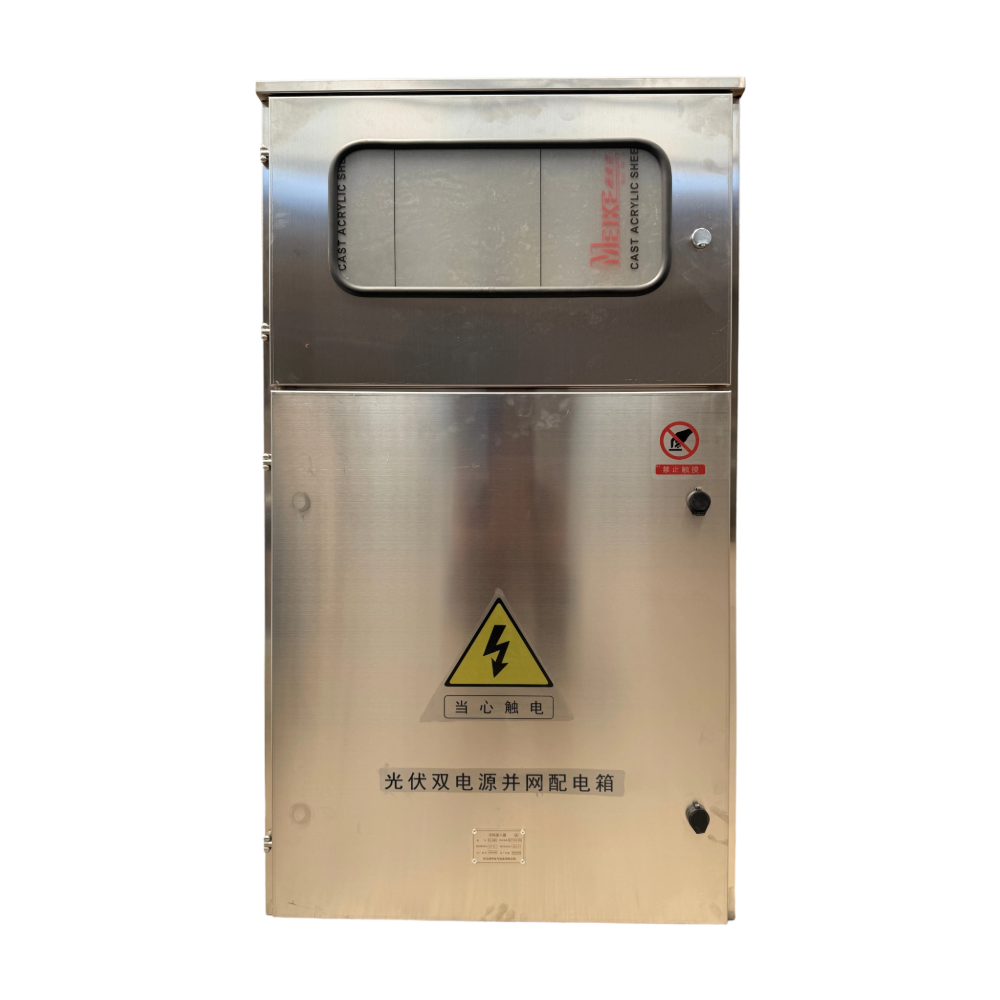
These features directly address the special requirements identified in residential, commercial, and industrial power distribution engineering, including explosion-proof capability and customizable configurations.
Application Scenarios: Where These Distribution Boxes Are Deployed
Kuoyu Electrical’s photovoltaic distribution boxes are suitable for a wide range of project types globally:
- Residential solar systems: Small-scale rooftop installations where compact design and easy installation are prioritized.
- Commercial photovoltaic arrays: Medium-scale projects on commercial buildings, requiring balance between cost and protection.
- Industrial workshop and infrastructure construction: Large-scale power distribution for manufacturing facilities and public infrastructure projects that demand 24/7 continuous operation and robust environmental protection.
In one documented case, a client in the manufacturing industry deployed 15 units over three years, achieving zero circuit failure and a 30% improvement in equipment operation stability. Another real estate developer used 30 units across a five‑year period, reporting 99.99% power supply reliability with zero safety accidents. These outcomes highlight the long‑term value of selecting a distribution box that matches the specific working conditions of the project.
Market Trend Analysis: Rise of Smart and Durable Solar Combiner Boxes
Market data from 2024 reveals that the global photovoltaic combiner box market was valued at approximately USD 2.8 billion. Asia‑Pacific led with a 54.0% revenue share, driven by massive solar deployments in China and India. As the industry matures, demand is shifting toward DC smart combiner boxes (projected 62.5% share by 2035) that incorporate monitoring and communication capabilities. While Kuoyu Electrical’s current offerings focus on robust passive protection rather than full smart integration, the company’s OEM customization capability allows clients to add third‑party monitoring modules or specify layout changes to support future smart upgrades.
Comparison with Traditional Solutions
Compared to generic industrial distribution boxes, dedicated photovoltaic distribution boxes from Kuoyu Electrical offer higher ingress protection (IP54/IP65), flame‑retardant materials, and corrosion‑resistant construction—features that standard indoor boxes often lack. The ability to customize internal busbar configurations and voltage ratings makes them better suited for the DC side of solar arrays than general‑purpose AC distribution panels.
One honest limitation: Kuoyu Electrical’s current product line does not include integrated arc‑fault detection or remote monitoring as built‑in features. Projects requiring advanced smart functions would need to specify these as custom add‑ons or integrate external devices. However, the same customization flexibility that allows logo and voltage changes also permits accommodating monitoring and communication modules within the enclosure.
Future Outlook: Customization and Certification as Key Differentiators
As solar projects become more complex, the ability to tailor photovoltaic distribution boxes to precise project specifications will become a key competitive advantage. Kuoyu Electrical’s OEM model—with a monthly capacity of 8,000 units, 100% factory testing, and remote after‑sales support—positions it to serve the growing demand for project‑specific solutions. The company’s export markets include the EU, Middle East, and Southeast Asia, and its certifications provide the foundation for broader market access. Future developments may include enhanced smart capabilities and expanded certification to meet regional standards like IEC 61439‑2:2020 and UL 1741, further strengthening its position in the photovoltaic distribution box supply chain.
Frequently Asked Questions
Q: What are the typical applications of a photovoltaic distribution box?
A: Photovoltaic distribution boxes are used in residential, commercial, and industrial solar power distribution engineering. They provide safe circuit control, power distribution management, and overload and short-circuit protection for solar PV strings. Common applications include industrial workshops, commercial buildings, and infrastructure construction projects.
Q: What protection level is required for outdoor solar distribution boxes?
A: Outdoor photovoltaic distribution boxes typically require IP54 or IP65 protection to be waterproof and dustproof. Additional requirements include corrosion resistance, high mechanical strength, flame retardancy, and often explosion-proof construction, depending on the installation environment.
Q: Can these distribution boxes be customized for specific voltage and logo?
A: Yes. Kuoyu Electrical offers OEM customization including voltage ratings, company logos, and internal structural configurations. The company’s production capacity supports customization with a minimum order quantity of 2 units and a lead time of approximately 30 days.
Q: What supporting equipment is needed for a PV combiner box installation?
A: Typical supporting equipment includes circuit breakers, contactors, relays, busbars, grounding devices, indicator lights, cooling fans, and wire connectors. Kuoyu Electrical’s distribution boxes are designed to work seamlessly with these components, and internal space can be arranged for proper integration.
Q: How does the product perform in continuous operation?
A: The product is designed for 24/7 continuous operation mode. In real-world applications, Kuoyu Electrical’s distribution boxes have demonstrated stable performance over multiple years, with one client reporting 5 years of continuous operation and 99.99% power supply reliability with zero safety accidents.
For detailed technical specifications, product models, and configuration options, download the full company brochure: Kuoyu Electrical Product Brochure (English, PDF).
Hebei Kuoyu Electrical Technology Co., Ltd.
Website: www.kuoyuelectricity.com
Contact: Miya | Email: xiaoyi010127@gmail.com | Tel/WhatsApp: +86 180-3229-7717
Address: Shijiazhuang, Hebei, China