
PVC Free Foam Board: Properties, Applications, and Market Trends
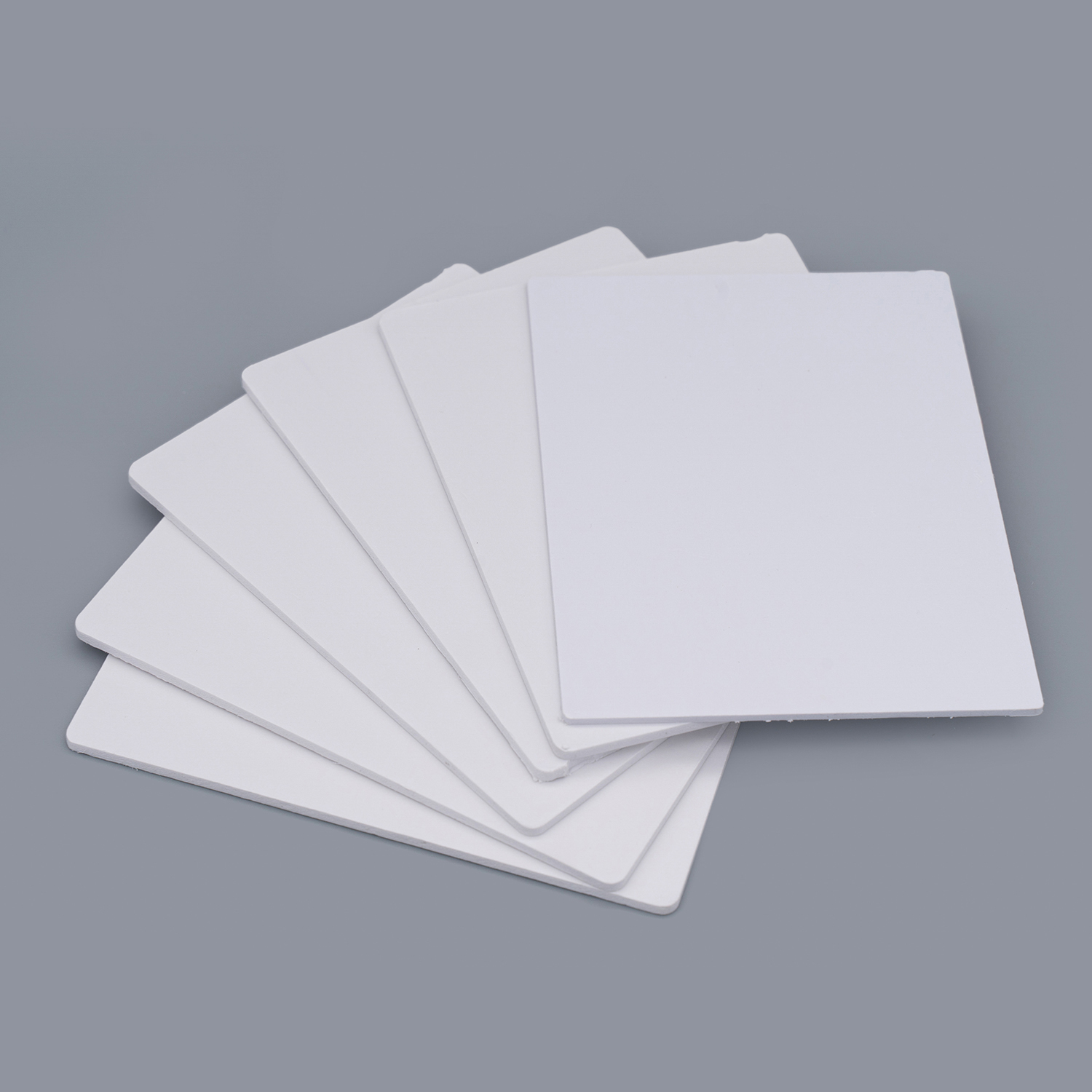
PVC free foam board provides a lightweight, rigid substrate ideal for UV printing and outdoor signage applications.
The Rise of Specialized Substrates in Advertising
Zibo Dingtian Plastics Co., Ltd. offers a PVC free foam board variant specifically engineered for the advertising and signage industry. This product, with dimensions of 1220×2440 mm and thickness ranging from 1 to 5 mm, provides a lightweight and rigid substrate for printing, making it a practical choice for display panels and outdoor billboards. As the global PVC foam board market was valued at approximately USD 2.1 billion in 2024 and is projected to reach USD 3.6 billion by 2032 , specialized variants like the PVC free foam board are gaining attention for their targeted performance in high-volume applications.
Problem and Opportunity: Meeting the Demands of Signage Production
The signage and advertising industry holds the largest application share of the PVC foam board market, accounting for approximately 35% of total demand , according to Laird Plastics. Print shops and sign fabricators require substrates that combine dimensional stability, flatness, and ease of cutting or routing with a favorable strength-to-weight ratio. Additionally, regulatory pressures such as the EU REACH restriction on lead concentration in PVC articles (effective November 29, 2024, limiting lead to less than 0.1% by weight) drive demand for lead-free formulations. PVC free foam board addresses these needs by offering a material that can be processed with standard cutting, printing, and laminating equipment, while meeting evolving environmental compliance requirements.
DINGTIAN's PVC Free Foam Board: A Closer Look
Established in 2004, Zibo Dingtian Plastics Co., Ltd. specializes in manufacturing high-grade PVC foam boards with an annual production capacity of 50,000 tons and a factory spanning 30,000 m². The company’s PVC free foam board (model 1220X2440MM) is made from PVC with a density of 0.5–0.8 g/cm³ and a thickness range of 1 to 5 mm. Typical applications include advertising materials and signage. This variant is distinct from the company’s other product lines—such as the PVC Celuka foam board, PVC co-extruded foam board, and laminated PVC foam board—by its thinner profile and lower density, which are optimized for print-based media rather than structural or decorative uses.
Technical Characteristics and Processing Capabilities
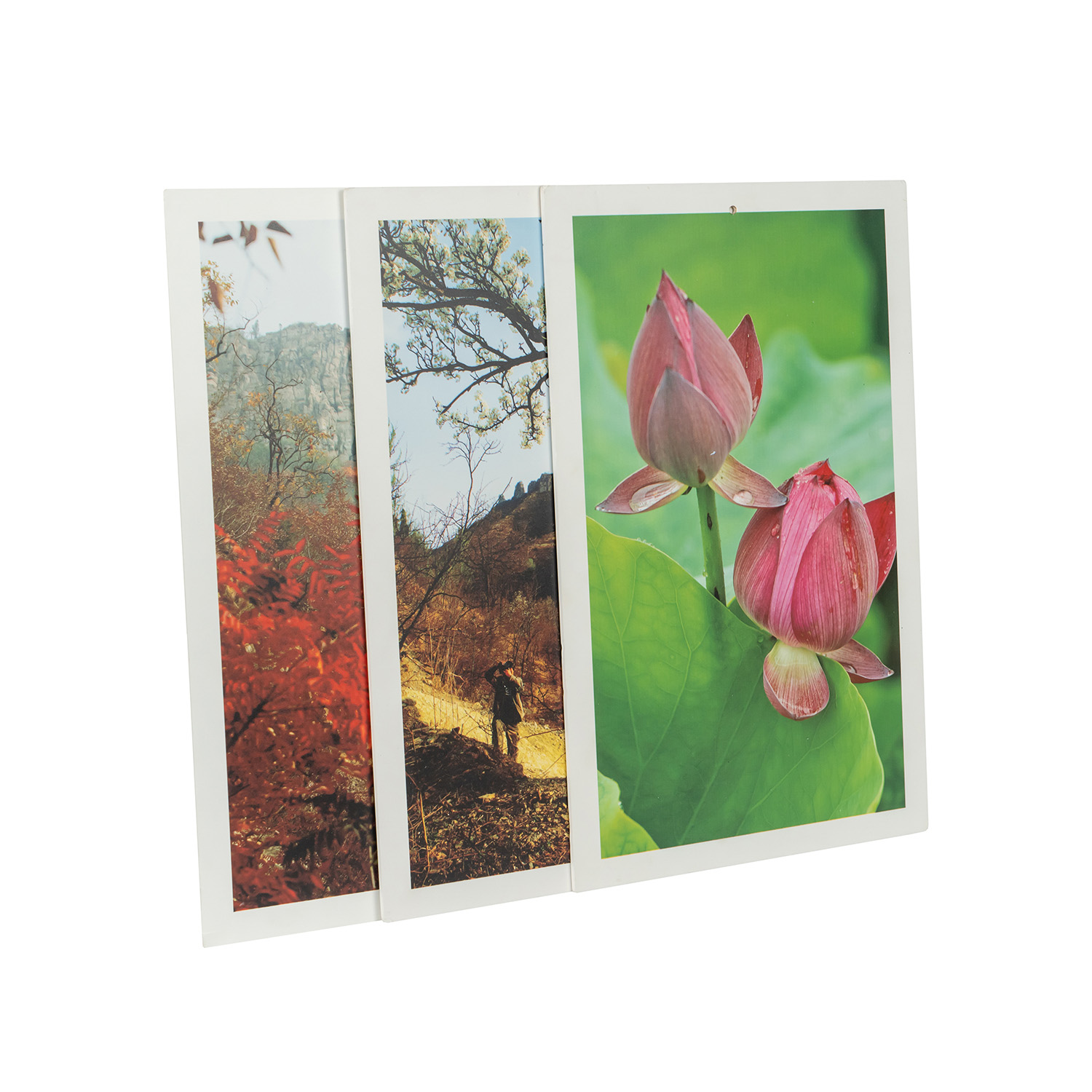
The closed-cell structure of PVC free foam board allows it to accept UV ink, screen printing, and adhesive vinyl without pre-treatment in most cases.
The PVC free foam board operates in a permanent static installation mode and can be processed using conventional tools such as cutting machines, printing machines, nails, and saws. For applications requiring thermoforming, the material can be shaped at temperatures between 120°C and 160°C. The product line also supports special requirements common in the signage industry: UV stabilization for outdoor use, B1/B2 fire retardant rating, lead-free RoHS compliance, and anti-static ESD protection. These characteristics make it a versatile substrate for both indoor display boards and outdoor signs exposed to sunlight and moisture.
Application Scenarios and Real-World Use
Within the advertising and signage sector, DINGTIAN's PVC free foam board is used for outdoor billboards, display panels, and UV printing substrates. Because of its lightweight nature, it is also employed in temporary event signage and trade show graphics where ease of handling and quick installation are priorities. In construction and decoration—the second-largest application segment at 30% of global demand—the board can be used as a lightweight formwork board or interior partition, although the thicker Celuka variant is more commonly specified for such structural roles. The product’s compatibility with UV printing and solvent-based inks allows print shops to produce high-resolution graphics without the warping that can occur with some alternative materials.
Market Trends and Competitive Landscape
The global PVC foam board market is projected to grow from USD 2.1 billion in 2024 to USD 3.6 billion by 2032, driven by demand from advertising, construction, and furniture industries. China, which concentrated 20% of total plastic building material exports in 2024 , remains the largest exporter, with production hubs like the Zichuan Economic Development Zone in Zibo forming a significant cluster. DINGTIAN operates within this ecosystem, leveraging its 22 years of experience and a dedicated R&D team of 20 engineers. While the market leader 3A Composites GmbH holds an estimated 13.8% share, the industry remains fragmented, offering opportunities for specialized manufacturers like DINGTIAN to serve niche segments such as thin-gauge, low-density foam boards for advertising.
Comparison with Traditional Solutions
Compared to solid PVC sheets or medium-density fiberboard (MDF), PVC free foam board offers a 30–50% weight reduction, lower moisture absorption, and a smooth surface that requires no sanding before printing. It is also recyclable and does not require the formaldehyde-based binders found in wood composites. However, its lower density means reduced impact resistance compared to higher-density options like PVC Celuka foam board (density 0.4–0.9 g/cm³) or co-extruded boards with hard skins. For applications where point-load impact or screw retention is critical, a denser grade may be more appropriate. This trade-off between weight and strength is a key consideration for specifiers choosing between product variants.
Future Outlook
As environmental regulations tighten and brands seek to reduce their carbon footprint, the demand for lightweight, lead-free, and recyclable substrates is expected to rise. PVC free foam board aligns with these trends by offering a material that can be processed with low energy input and disposed of through mechanical recycling. Innovations in flame-retardant formulations and UV-stable surface finishes will further expand its applicability in transportation and exterior building applications. For distributors and sign manufacturers, having a reliable source of consistent, thin-gauge foam board from an integrated manufacturer like DINGTIAN can simplify sourcing while meeting compliance requirements in multiple regions.
Frequently Asked Questions about PVC Free Foam Board
- What is a PVC free foam board?
- A PVC free foam board is a type of PVC foam board that uses pure PVC as its base material, typically with a thickness of 1 to 5 mm and a density of 0.5–0.8 g/cm³. It is manufactured without additional fillers or plasticizers, making it suitable for advertising and signage applications where surface smoothness and printability are important.
- What are the typical applications of PVC free foam board?
- Typical applications include advertising materials, signage, outdoor billboards, display panels, and UV printing substrates. It is also used in point-of-purchase displays, trade show graphics, and temporary directional signs.
- What is the thickness range and dimensional availability?
- The standard board size is 1220×2440 mm (model 1220X2440MM), with thickness ranging from 1 to 5 mm. Custom sizes may be available upon request.
- Does PVC free foam board meet fire safety standards?
- Yes, the board can be formulated to achieve a B1/B2 fire retardant rating (European standard) and typically meets UL 94 V-0 flammability classification for thicknesses down to 1 mm, based on industry data for PVC foam boards in general.
- Is PVC free foam board environmentally compliant?
- The product is designed to be lead-free and RoHS compliant. It can also be UV-stabilized for outdoor use. These characteristics help manufacturers comply with regulations such as EU REACH, which restricts lead concentration in PVC articles to less than 0.1% by weight.
- What processing equipment can be used with PVC free foam board?
- The material can be cut with standard cutting machines, printed with UV or solvent printers, nailed, sawed, and thermoformed at temperatures between 120°C and 160°C. It can also be laminated and bonded using common adhesives.
- How does PVC free foam board compare to other PVC foam board types?
- Compared to PVC Celuka foam board (density 0.4–0.9 g/cm³) and co-extruded boards, the free foam variant has a lower density and thinner profile, making it lighter and more suited for printing applications. However, it offers lower impact resistance and screw retention than denser options.
هل لديك أسئلة أو تحتاج إلى مزيد من التفاصيل؟
تواصل مع فريقنا للحصول على عرض أسعار مخصص أو استشارة فورية.
طلب عرض أسعار
املأ النموذج أدناه وسيتواصل معك فريقنا بعرض مقترح مخصص.
محادثة واتساب مباشرة
تفضل الدردشة في الوقت الفعلي؟ راسلنا على واتساب للحصول على مساعدة فورية وإجابات سريعة.
- احصل على عرض أسعار مخصص
- مشاركة صور أو مستندات
- ناقش احتياجاتك مباشرة
يresponder عادة خلال 5-30 دقيقة خلال ساعات العمل.