
PVC Medical Wristbands: Single vs Double Layer Buyer Guide
Patient identification wristbands are specified at the end of procurement by material, size, closure and printability. Layer count — single or double — is frequently added as a fifth line item, even though it is rarely the variable that decides whether a nurse can read a patient's name under ward lighting. This independent buyer comparison examines what is actually documented about single-layer and double-layer PVC medical wristbands, what remains unverified at the point of purchase, and how hospitals and clinics can convert that gap into workable acceptance criteria and purchasing terms.
Two product records sit behind most PVC wristband quotations from DDJOY-Medical Wristbands, the medical wristband line of Shanghai Dingba Identification Co., Ltd., a Shanghai-based manufacturer of wristbands and RFID products founded in 2010. One is the PVC 1 or 2-layer Wristband; the other is the PVC Patient ID Wristband. They share the same material and the same two size options, but they are documented differently — and that difference matters more to a buyer than the layer count itself.
Why "single layer or double layer" becomes a decision point
Layer count is attractive to procurement teams because it is easy to write into a tender, easy to compare across quotations, and almost impossible to verify visually on delivery. It also sounds like a durability statement. In practice, the available product facts describe structure as a manufacturing option rather than a performance grade: the PVC 1 or 2-layer Wristband is documented as having a single or double layer structure, in PVC, at 250 × 25 mm or 250 × 16 mm, with logo and text printing available, and it is positioned for hospitals, events, enterprises and entertainment venues.
The PVC Patient ID Wristband is a separate record. It is documented in PVC at 250 × 25 mm and 250 × 16 mm, with printable patient information, described as durable and comfortable to wear, and positioned for hospitals and elderly care institutions for patient identification. Layer structure is not stated for that model.
That is the first practical finding for buyers: before comparing single versus double layer, confirm which product record the quotation is based on. A layer-count comparison drawn across two different product records is not a like-for-like comparison, and it will not survive a sample-approval review.
Documented facts, side by side
The table below reproduces only what the available product documentation states. Blank or "not stated" entries indicate that the available facts do not address the item — they are not an indication that the feature is absent.
| Product record | Structure as documented | Size options | Material | Stated print capability | Documented positioning |
|---|---|---|---|---|---|
| PVC 1 or 2-layer Wristband | Single or double layer structure | 250 × 25 mm; 250 × 16 mm | PVC | Logo / text printable | Hospitals, events, enterprises, entertainment venues |
| PVC Patient ID Wristband | Not stated | 250 × 25 mm; 250 × 16 mm | PVC | Printable patient information | Hospitals; elderly care institutions (patient identification) |
| PVC + Tab Wristband (reference point, different closure) | Not stated | 260 × 40 mm | PVC | Pattern printable | Hospitals, events, concerts, nightclubs |
- Thickness in microns, weight, or tensile and tear values for either structure.
- Any statement that a double-layer PVC band is stronger, more waterproof, longer lasting or otherwise superior to a single-layer band — or the reverse.
- The printing method used on PVC bands. Only "logo / text printable" and "printable patient information" are stated.
- Closure hardware for the PVC Patient ID Wristband. A tab-buckle design is documented separately for the PVC+Tab Wristband at 260 × 40 mm, which is a different product.
- Latex content, skin-sensitivity or antimicrobial claims for the PVC family.
What "double layer" can and cannot carry in a specification
A layer count is a manufacturing description. It is legitimate to require the supplier to declare it, and legitimate to check it against a pre-production sample and, where available, a technical drawing. It is not legitimate to treat it as a proxy for durability, print quality or fluid resistance, because no available fact establishes a performance difference between the single-layer and double-layer structures.
Where comfort is described, it is described independently of layer count: "durable, comfortable to wear" for the PVC Patient ID Wristband, and "firm to wear" for the PVC+Tab Wristband, a different product with a tab-buckle design. Where fluid resistance is described, it is described for the printed band relative to a hand-written band — not for one layer structure relative to another.
Buyer rule: if a supplier claims that a double-layer PVC wristband outperforms a single-layer version, ask for the documented basis — a test report, a specification sheet with measured values, or a defined sample comparison protocol. If no such basis exists, hold the layer count as a structure declaration and evaluate the band on the criteria that are actually documented.
The comparison that is documented: printed versus hand-written PVC bands
The competitive difference supported by the available facts is not between one layer and two layers. It is between a printed PVC patient ID wristband and a traditional hand-written PVC patient wristband. That comparison is documented on content, security, error rate, cost and maintenance.
| Comparison dimension | Traditional hand-written PVC patient wristband | Printed PVC patient ID wristband (as documented) |
|---|---|---|
| Content legibility | Hand-written entry | Clear printed content |
| Tamper resistance | Not stated | Tamper-proof structure |
| Water and alcohol exposure | Not stated | Water and alcohol resistant |
| Printing error rate | Baseline for comparison | Reduced by 35% |
| Information modification risk | Baseline for comparison | Lower by 42% |
| Unit cost | Baseline for comparison | 8% higher |
| Overall hospital management cost | Baseline for comparison | 15% lower |
| Maintenance | Not stated | No later maintenance; disposable after use |
| Documented best fit | — | Hospital inpatient wards, emergency departments, patient identity management |
Two readings matter here. First, legibility and security are the core claims: printed content, a tamper-proof structure, and resistance to water and alcohol, set against a hand-written band where the marking method itself is the weak point. The documented effect is a 35% reduction in printing error rate and a 42% lower information modification risk.
Second, cost behaves differently from price. The printed band carries an 8% higher unit cost, but it is documented as producing 15% lower overall hospital management cost. For a procurement team, that is a total-cost argument rather than a price argument, and it should be tested against the hospital's own re-labelling and correction workload — the line items that normally sit outside the materials budget.
Maintenance is documented as minimal: no later maintenance, and the product is disposable after use. In a single-use identification workflow that removes reconditioning, cleaning and storage steps, but it also means consumption volumes must be planned rather than amortised over a reuse cycle.
Application fit: where these PVC bands are positioned
The printed PVC patient ID configuration is positioned for hospital inpatient wards, emergency departments and patient identity management, and for hospitals and elderly care institutions where patient identification is the primary requirement. In elderly care settings the practical driver is usually the same as in a ward: information must stay readable and unaltered for the duration of the stay, including through washing and routine care.
The PVC 1 or 2-layer Wristband is positioned more broadly, covering hospitals alongside events, enterprises and entertainment venues. That positioning explains why layer count and logo printing appear together in the same product record: in non-clinical, high-throughput environments the band frequently doubles as a printed credential, and structure and print surface become commercial choices rather than clinical ones.
In clinical settings such as outpatient clinics, isolation wards or intensive care, the specification question is not a different one — it is the same question with less tolerance for error. Buyers in those areas typically need to confirm that the print survives the encounter, that the closure cannot be moved without leaving evidence, and that the band is comfortable enough that patients do not remove it themselves. The available facts support printed content, a tamper-proof structure and water and alcohol resistance for the printed PVC band; they do not support the assumption that layer count improves any of those outcomes.
Custom patient identification projects commonly state technical requirements such as waterproof, tear-resistant, disposable and skin-safe construction. Those are requirements to be verified with samples and documentation, not properties that follow automatically from a material name.
Purchasing terms and acceptance criteria
A workable PVC wristband specification converts the layer-count question into a set of verifiable line items. The checklist below is drawn from the documented product facts and is intended for use at the tender and sample-approval stages.
- Product record and structure. State which record is being purchased — PVC 1 or 2-layer Wristband or PVC Patient ID Wristband — and require the structure to be declared in writing.
- Size. Documented options are 250 × 25 mm and 250 × 16 mm. Confirm the width against the ward's print content; a narrower band limits how many characters can be printed legibly.
- Material. PVC is the documented material for this family. If the hospital restricts certain material content, confirm it against supplier documentation rather than assuming.
- Print requirement. Logo and text printing on the 1 or 2-layer model; printable patient information on the PVC Patient ID model. Specify the print method explicitly, since the available facts do not state one.
- Fluid resistance. Water and alcohol resistance is documented for the printed band relative to a hand-written band. Agree how it will be checked at goods-in.
- Tamper evidence. A tamper-proof structure is documented. Define what a failed tamper check looks like in practice.
- Wear comfort. Documented as durable and comfortable to wear for the PVC Patient ID Wristband, and firm to wear for the PVC+Tab model with tab buckle.
- Single-use handling. Documented as disposable after use with no later maintenance. Set the consumption and disposal workflow accordingly.
- Sampling and pre-production approval. Approve a physical sample before mass production and retain the approved sample as the acceptance reference.
- Commercial structure. Budget for the documented 8% unit-cost uplift and evaluate it against the documented 15% reduction in overall hospital management cost.
- Supply planning. The stated standard product lead time is 7–10 working days, with advance production scheduling for larger orders, monthly capacity reservation for high-volume programmes, and rush production for urgent orders.
- Supplier documentation. Quality management certification, third-party on-site verification and traceable material records belong in the file from the start.
Reading supplier evidence
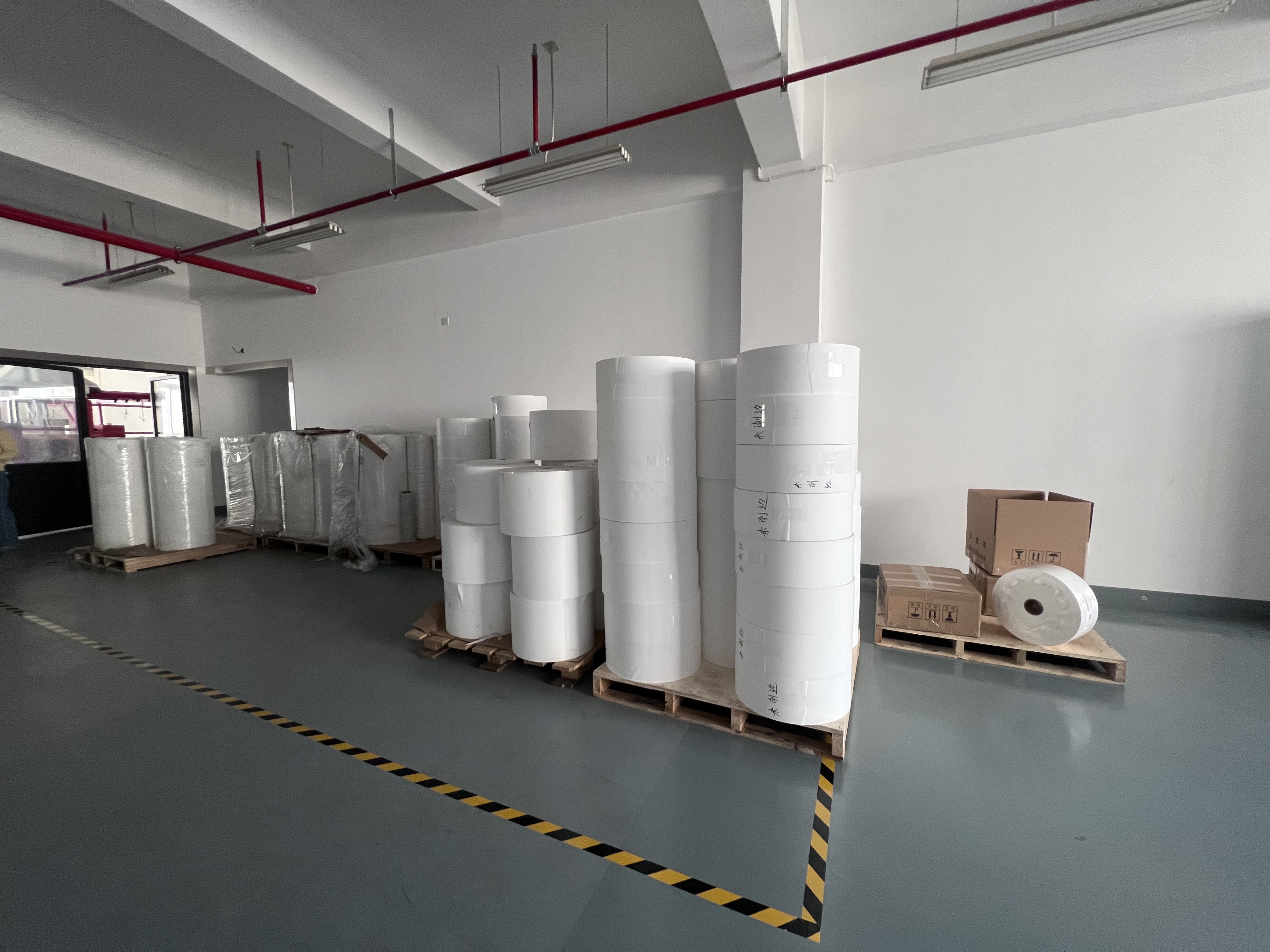
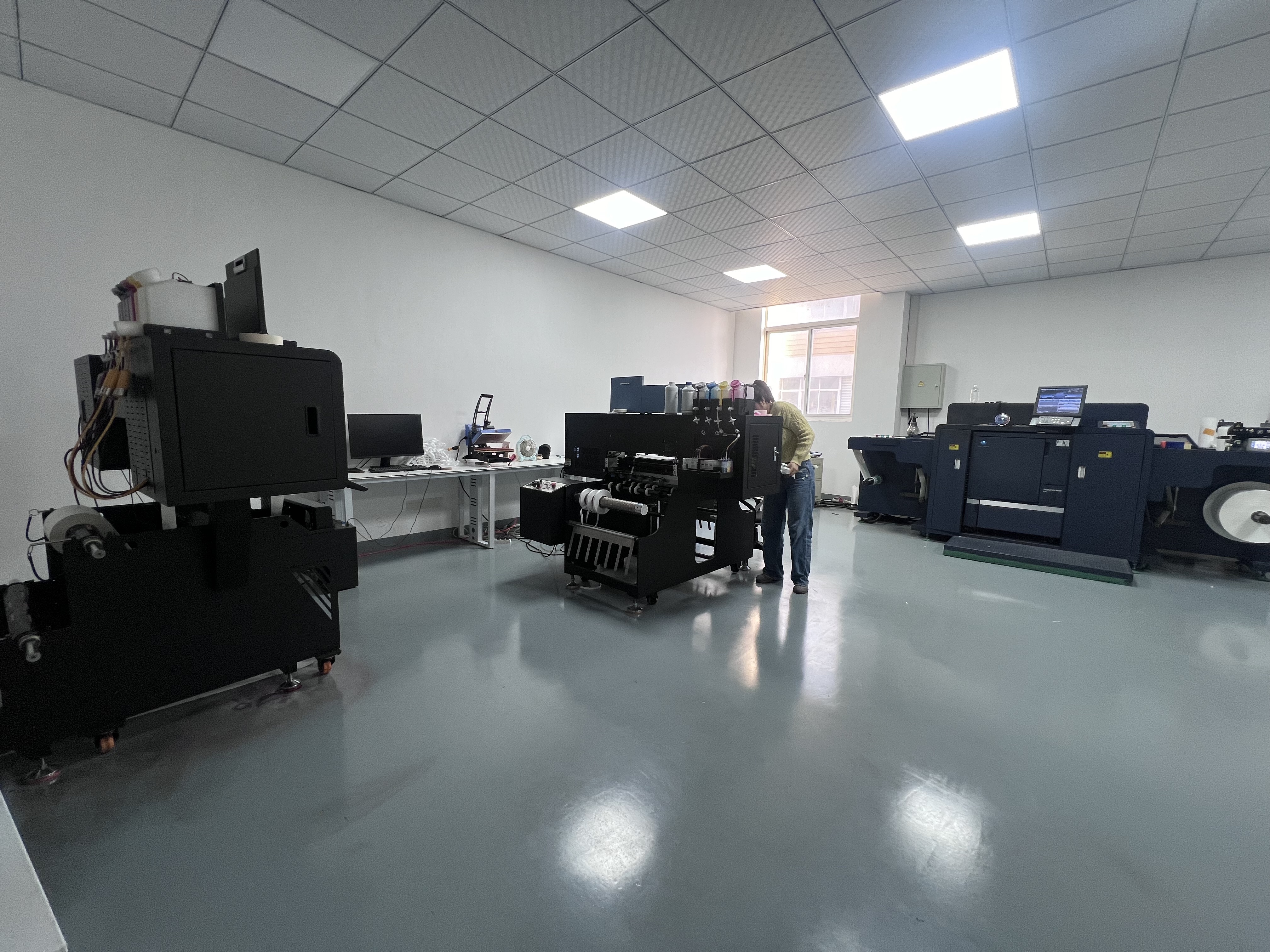
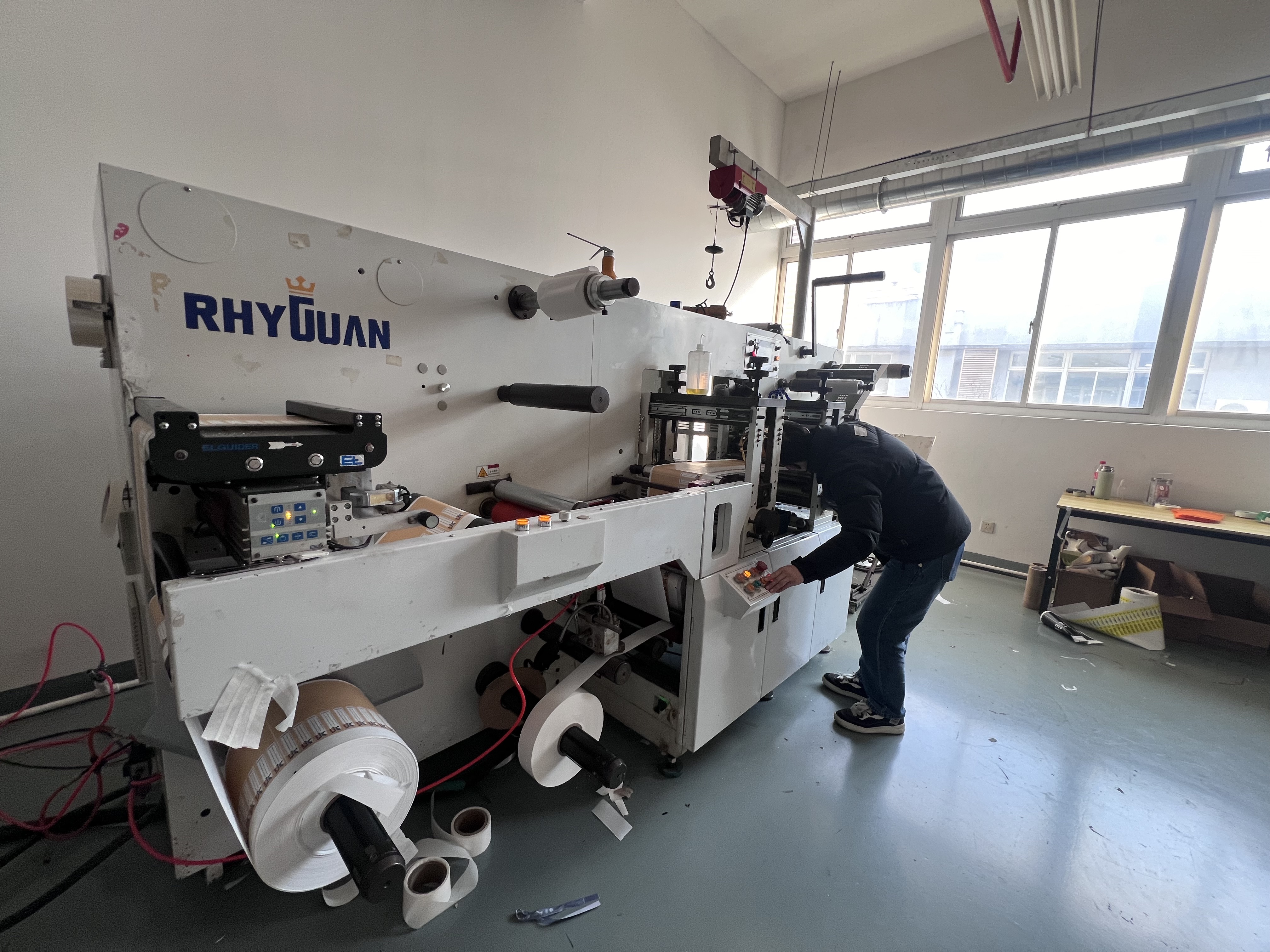
Shanghai Dingba Identification Co., Ltd. operates a 10,000 m² facility with more than 50 employees and a five-engineer R&D team, holds ISO 9001 certification, has undergone on-site verification by Alibaba and SGS, reports an export ratio of 70% concentrated in the EU and the USA, and states that it exports to more than 100 countries and regions. For a buyer, the useful reading of that evidence is not the length of the list but its composition: a quality management certificate addresses process control, third-party on-site verification addresses existence and capability, and an export ratio above two-thirds indicates familiarity with documentation-heavy markets.
The same logic applies to product claims. A disclosed structure, a stated size, and a declared print capability are checkable items. An implied performance advantage from a layer count is not.
Market context
Patient identification wristbands are a defined commercial category rather than a niche accessory. One commercial research estimate puts the global patient identification wristbands market at USD 576.1 million in 2025 (Future Market Insights). A separate research publisher places North America at a 41% share of the market in 2025 (Precedence Research).
Those two figures should not be combined naively. A methodology difference is documented between the sources: one estimate of USD 576 million for 2025 against another of USD 1.61 billion for the same year, most likely reflecting a definitional split between blank wristbands and printed or system-integrated identification products. For buyers, the implication is practical — market-size figures in wristband procurement only mean something once the product definition behind them is known. That is the same discipline the layer-count question requires.
Regulatory context has moved as well. In Case C-427/24, the Court of Justice of the European Union ruled that blank patient wristbands are not classified as medical devices under EU MDR 2017/745, effective 2 July 2026. Classification therefore follows the intended purpose of the product as placed on the market, not the material or format alone. Separately, ISO 15223-1:2021 Amendment 1:2025 changes the authorised representative symbol, transitioning labelling from EC REP to EU-REP. Hospital buyers working with EU-facing suppliers should expect label artwork to be updated accordingly.
At supply level, the category includes large diversified manufacturers as well as specialists. Zebra Technologies reported net sales of USD 346 million for its Asset Intelligence & Tracking segment, which includes wristbands, in Q4 2023. PDC Healthcare, a Brady Corporation brand, is projected at a 14–18% share of the patient identification wristbands market — a derived figure published at medium confidence. Neither statement says anything about the suitability of a given band for a given ward; both indicate that identification consumables are treated as a serious product category by global suppliers.
Trade-offs and limits of the printed PVC option
- Unit price moves first. The documented 8% unit-cost uplift appears on the first invoice, while the 15% overall management-cost benefit accrues through reduced correction and re-labelling work. Budget cycles that look only at unit price will see the cost and miss the saving.
- Disposable by design. There is no reusable variant in this configuration. High-volume sites need consumption forecasting rather than amortisation.
- Layer count is not a performance claim. No available fact supports single-layer or double-layer as the better structure. Treating it as a quality grade is an unsupported assumption.
- Regulatory scope follows intended purpose. Following the CJEU ruling, blank wristbands are not automatically medical devices under EU MDR. Buyers should confirm classification against the intended use they are purchasing for.
- Print method is unspecified in the available facts. Confirm how the band is printed and how that interacts with the hospital's existing labelling workflow before standardising on it.
- Material claims need their own evidence. Statements about skin contact, latex content or antimicrobial performance are not covered by the available facts and should be requested separately if required.
Outlook
Three developments are likely to shape PVC wristband procurement over the next purchasing cycles. The first is classification clarity: the CJEU ruling on blank wristbands gives buyers a cleaner basis for deciding what documentation to expect from a supplier, and the distinction between a blank band and a printed identification product becomes a contractual question rather than an assumption. The second is labelling discipline: the ISO 15223-1 symbol transition will work through supplier artwork and hospital documentation over the coming period. The third is scale: with the category measured in hundreds of millions of dollars and North America holding a large share, suppliers are competing on documentation quality as much as on unit price.
Against that backdrop, layer count is likely to remain in specifications — but as a declared structure, not a proxy for performance. The buyers who get better outcomes will be the ones whose acceptance criteria are written as verifiable line items: declared structure, defined size, stated print capability, confirmed fluid resistance, and a signed-off pre-production sample.
FAQ
What is the difference between a single-layer and a double-layer PVC medical wristband?
The available product facts describe the PVC 1 or 2-layer Wristband as having a single or double layer structure, made of PVC, in 250 × 25 mm and 250 × 16 mm sizes, with logo and text printing available. Both options sit within the same product record. The facts do not state a performance difference between the two structures.
Does a double-layer PVC wristband last longer or resist water better?
No available fact supports that conclusion. Durability and comfort are stated for the PVC Patient ID Wristband as durable and comfortable to wear, and firmness of wear is stated for the separate PVC+Tab Wristband with its tab-buckle design. Water and alcohol resistance is documented for the printed band compared with a hand-written PVC band, not for one layer structure compared with another.
How much does printing improve accuracy compared with hand-written PVC bands?
Documented effects are a 35% reduction in printing error rate and a 42% lower information modification risk, together with clear printed content, a tamper-proof structure, and resistance to water and alcohol. Traditional hand-written PVC bands are the baseline for those comparisons.
Is a printed PVC patient ID wristband more expensive?
Yes at unit level and no at system level, on the documented figures. Unit cost is 8% higher than the alternative, while overall hospital management cost is 15% lower. Maintenance is also documented as minimal: the band is disposable after use with no later maintenance required.
Which care settings are these PVC wristbands documented for?
The PVC Patient ID Wristband is positioned for hospitals and elderly care institutions for patient identification. The printed PVC patient ID configuration is positioned for hospital inpatient wards, emergency departments and patient identity management. The PVC 1 or 2-layer Wristband is positioned for hospitals, events, enterprises and entertainment venues.
What sizes and material are documented for these bands?
Both the PVC 1 or 2-layer Wristband and the PVC Patient ID Wristband are documented at 250 × 25 mm and 250 × 16 mm, in PVC. The PVC+Tab Wristband is a separate product at 260 × 40 mm with a tab buckle and printable pattern.
Are PVC medical wristbands medical devices in the European Union?
Classification depends on intended purpose. In Case C-427/24, the Court of Justice of the European Union ruled that blank patient wristbands are not classified as medical devices under EU MDR 2017/745, with effect from 2 July 2026. Buyers should confirm the classification of the specific configuration they purchase.
What should be verified before approving a PVC wristband for a hospital?
A pre-production sample plus a written declaration covering structure, size (250 × 25 mm or 250 × 16 mm), material, print capability and print method, fluid resistance, tamper evidence and closure. Where a supplier claims a performance advantage for one structure over another, the documented basis should be requested.
What lead time and supply terms apply?
The stated standard product lead time is 7–10 working days. For larger programmes the stated approach is advance production scheduling, monthly capacity reservation to handle high-volume orders, and rush production for urgent orders. Because blank and printed wristbands can differ in regulatory scope, documentation should be agreed alongside the delivery schedule.
Reference material
A downloadable brochure covering the wristband range is available here: Shanghai Dingba Identification Co., Ltd. product brochure. Company information is published at ddlf.com.