
Panoramic Padel Court vs. Tennis Court: A 2026 Procurement Decision Analysis
For procurement professionals evaluating court infrastructure investments, the choice between a panoramic padel court and a traditional tennis court now rests on clear economic and operational trade-offs. Global padel court installations reached approximately 58,334 courts in 2025, a 16% year-over-year increase, signaling strong demand for dedicated facilities. At the same time, tennis court construction remains a mature benchmark. This analysis compares both options using verifiable cost, maintenance, and usage data to support decision-making.
Problem / Opportunity
Facility operators and sports venue developers face rising land costs and the need for higher court turnover. Traditional tennis courts require significant space (approx. 670 m² per court including run-off) and frequent resurfacing, painting, and net maintenance. Meanwhile, panoramic padel courts—with their enclosed glass walls and compact 20m x 10m footprint—offer a controlled environment that can achieve 70-90% peak occupancy rates in urban areas, with ROI typically realized within 12 to 18 months. The opportunity lies in replacing or supplementing tennis courts with lower-maintenance, higher-utilization padel infrastructure.
Brand Solution: LDK Panoramic Padel Court
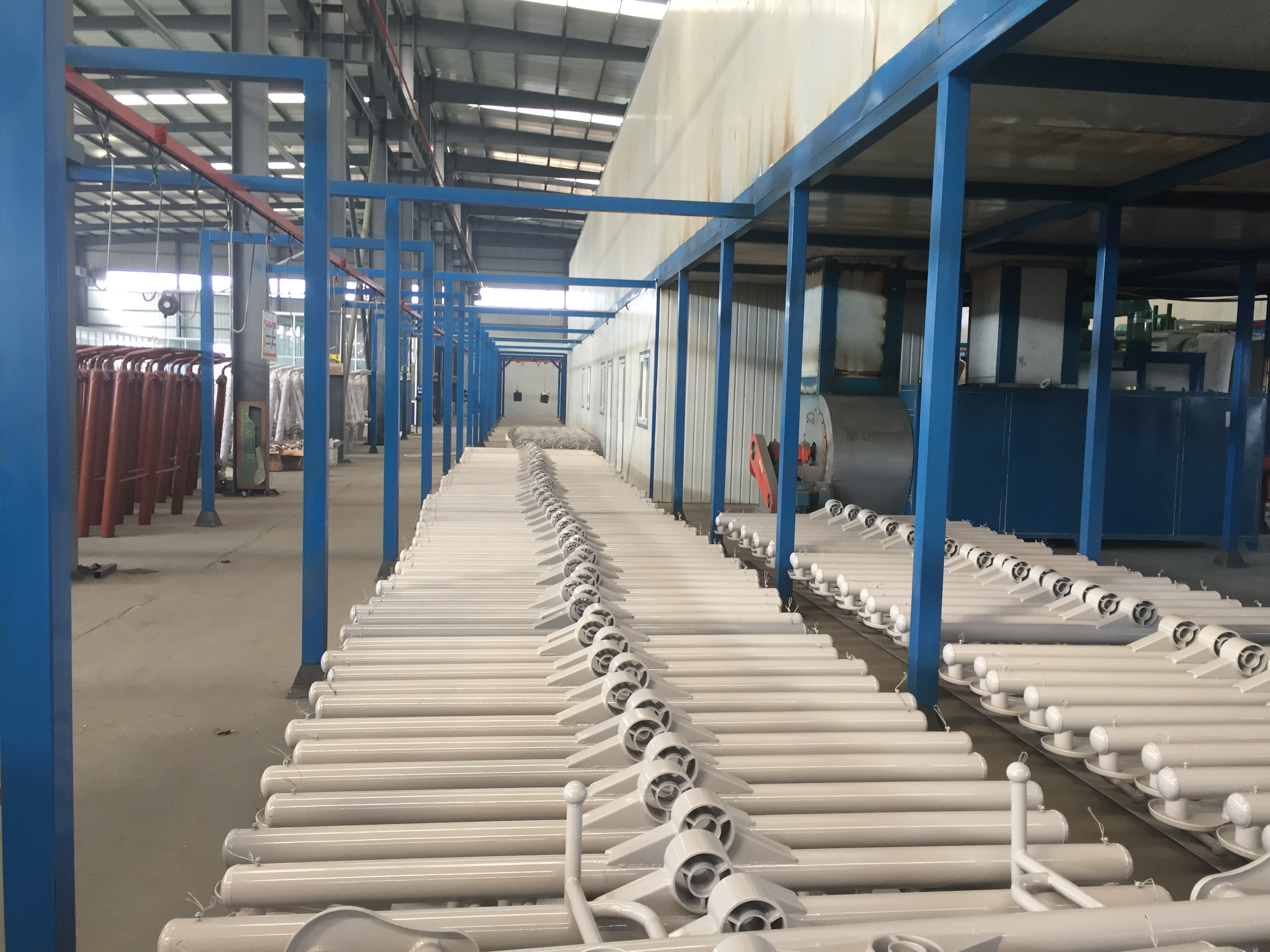
Shenzhen LDK Industrial Co., Limited (brand: LDK) is an integrated sports equipment manufacturer producing premium padel courts from a 50,000 m² manufacturing base in Cangzhou, China. The LDK panoramic padel court is designed for professional tournaments and large venues, featuring thicker tubing (0.5–1.0 mm wall thickness improvement over standard padel courts) and hot-dip galvanizing for corrosion resistance. Compared to traditional tennis courts, the LDK solution offers a 30% lower initial cost and zero maintenance requirements, with an expected lifespan exceeding 20 years. The product also includes extra polishing and deburring processes to eliminate sharp edges, enhancing player safety.
Technical Explanation
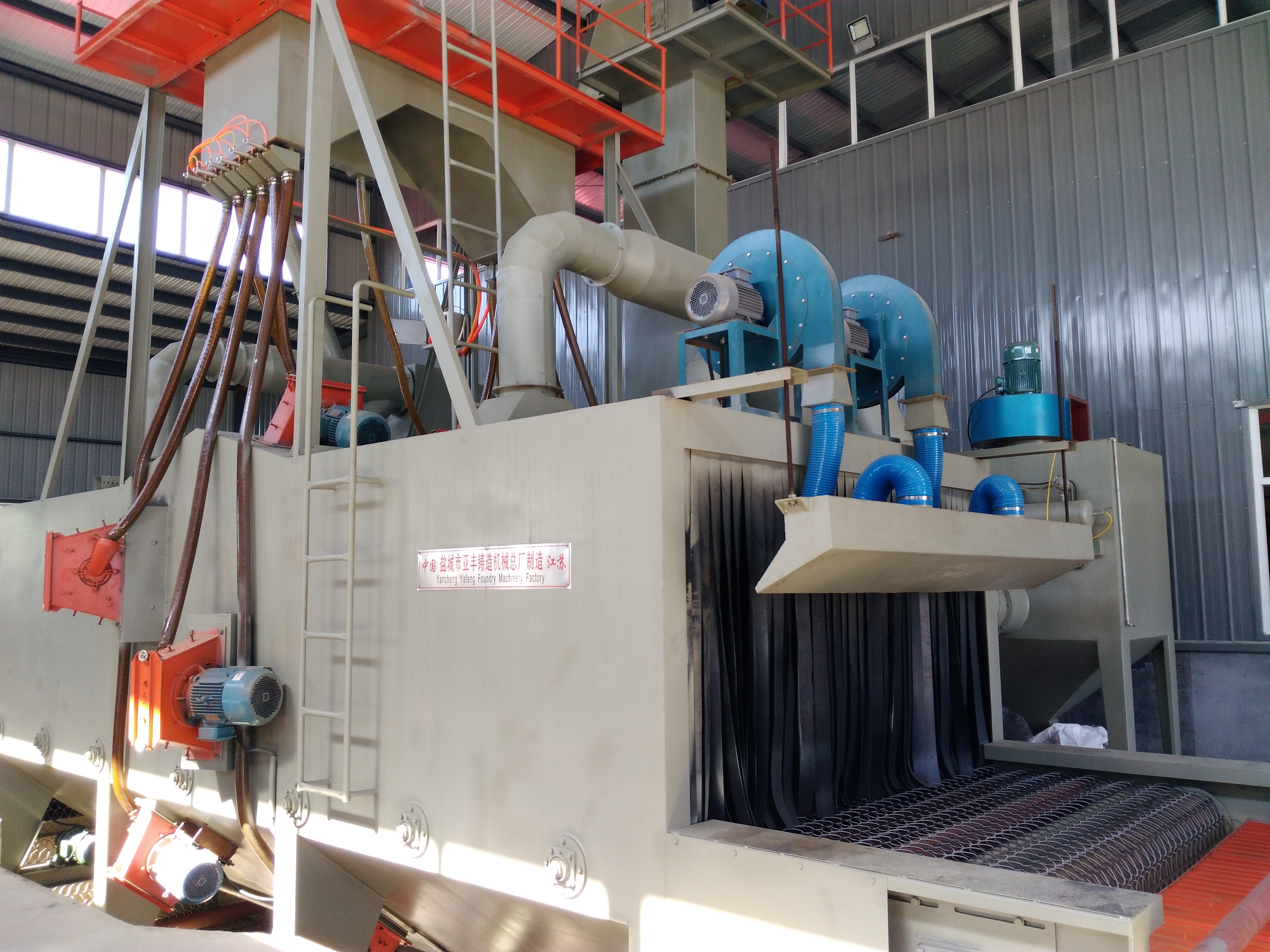
The LDK panoramic padel court meets official International Padel Federation (FIP) dimensions: 20m x 10m with a 0.5% tolerance, and is compatible with a minimum indoor ceiling height of 6m (9–12m recommended for professional play). The court uses 12mm tempered safety glass—the new industry standard for premium panoramic courts—reinforced by frames that have passed impact testing. Steel tubing is hot-dip galvanized, not merely painted, providing corrosion resistance that extends service life beyond 20 years. The extra polishing process removes all burrs and sharp edges, reducing injury risk. These specifications differentiate LDK from lower-cost alternatives that may use thinner walls (e.g., 1.5mm vs. LDK’s 2.0–2.5mm) and inferior surface treatments.
Application / Use-Case Scenarios
The LDK panoramic padel court is best suited for professional tournament venues and large multi-court facilities. Its zero-maintenance characteristic makes it ideal for high-traffic clubs where court availability and low operating costs are critical. For example, a European sports center replacing two aged tennis courts with three LDK padel courts can reduce capital expenditure by approximately 30% compared to rebuilding tennis courts, while tripling the number of simultaneous players. The court’s thicker tubing and hot-dip galvanizing also make it suitable for outdoor installations in coastal or humid climates where corrosion is a concern. Additionally, the panoramic glass design offers a spectator-friendly experience, increasing venue appeal for tournaments and events.
Market Trend Analysis
The global padel court operator market was valued at approximately USD 3.8 billion in 2025 and is projected to reach USD 9.6 billion by 2034, according to Dataintelo. This growth is driven by rapid adoption in North America: the United States is expected to grow from 650 courts in early 2025 to 30,000 courts by 2030, per the United States Padel Association. Consequently, facility owners are increasingly choosing panoramic padel courts over tennis courts due to higher land-use efficiency and player yield. The 12mm tempered glass standard (replacing 10mm) indicates an industry shift toward premium specifications, which aligns with LDK’s thicker-tubing approach. Buyers should note that while initial cost per court for panoramic padel is 20% higher than standard padel courts (due to thicker materials and galvanizing), the total cost of ownership over 20 years is lower given zero maintenance.
Comparison with Traditional Solutions
Compared to traditional tennis courts, the LDK panoramic padel court carries a 30% lower initial construction cost and eliminates ongoing expenses for resurfacing, painting, net replacement, and line marking. Maintenance is zero, and the expected lifespan exceeds 20 years. However, a limitation exists: a single padel court occupies roughly 200 m² (excluding run-off) versus a tennis court’s 260 m², but the tennis court offers a larger playing area. For tournaments requiring larger backcourt space, tennis still has an advantage. Also, padel is a younger sport with a smaller player base, and some venues may still need tennis courts to serve existing members. Therefore, the LDK solution is most beneficial for venues targeting new player demographics or looking to maximize usage per square meter.
Future Outlook
As padel continues its double-digit growth trajectory globally, procurement decisions will increasingly favor durable, low-maintenance infrastructure. The trend toward panoramic courts with certified safety glass and corrosion-proof framing is expected to become the norm. LDK, with its 11 years of export experience, large factory capacity (223,750 sets annual output), and certifications including ISO 9001, ISO 45001, ISO 14001, and CE, is positioned to serve both facility operators and brand partners. The company’s ability to customize logos, colors, and material options, along with new product development in as few as 10 days, supports fast-track projects.
FAQ (Neutral & Informational)
- How does the cost of a panoramic padel court compare to a traditional tennis court?
- According to LDK’s product data, a panoramic padel court from LDK offers a 30% lower initial cost compared to a traditional tennis court. Additionally, maintenance costs are zero, further reducing total cost of ownership over the court’s lifespan exceeding 20 years.
- What is the expected lifespan of an LDK panoramic padel court?
- LDK’s white-paper data states that the expected lifespan exceeds 20 years due to hot-dip galvanizing for corrosion resistance and thicker tubing (0.5–1.0 mm wall thickness improvement over standard padel courts).
- Does the LDK padel court require any maintenance?
- No. Both the website and marketing materials confirm zero maintenance requirements, which includes no need for repainting, resurfacing, or net replacement. This contributes to excellent customer experience and lower long-term costs.
- Is the LDK court suitable for professional tournaments?
- Yes. Multiple corpus entries confirm the product is “more suitable for professional tournaments and large venues.” The 12mm tempered glass and impact-certified frames meet professional safety standards.
- What safety features does the LDK court offer?
- The court uses certified 12mm tempered glass within reinforced frames that have passed impact testing. Extra polishing and deburring processes eliminate sharp edges on steel parts, reducing injury risk. This is detailed in the risk control unit.
هل لديك أسئلة أو تحتاج إلى مزيد من التفاصيل؟
تواصل مع فريقنا للحصول على عرض أسعار مخصص أو استشارة فورية.
طلب عرض أسعار
املأ النموذج أدناه وسيتواصل معك فريقنا بعرض مقترح مخصص.
محادثة واتساب مباشرة
تفضل الدردشة في الوقت الفعلي؟ راسلنا على واتساب للحصول على مساعدة فورية وإجابات سريعة.
- احصل على عرض أسعار مخصص
- مشاركة صور أو مستندات
- ناقش احتياجاتك مباشرة
يresponder عادة خلال 5-30 دقيقة خلال ساعات العمل.