
Passenger Car Tire Segments Reshaping Buyer Priorities in 2026
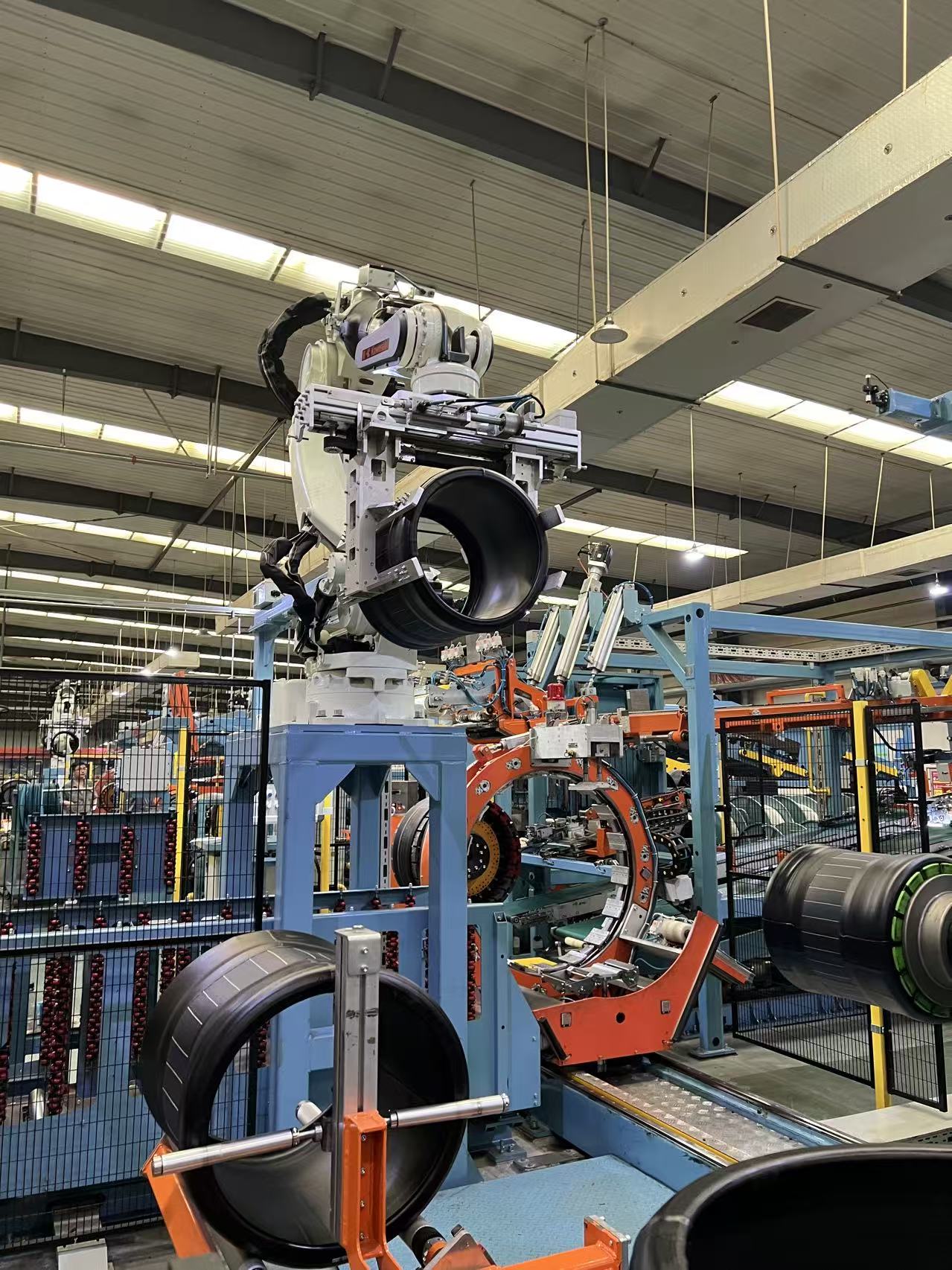
Tire molding is one of the production stages that determines structural consistency in passenger car tires.
Passenger car tire demand is fragmenting. What once resembled a standardized replacement purchase now spans multiple segments — urban commuting, electric vehicle fitments, winter conditions, commercial vans, and visual customization — each with its own technical constraints. For distributors and procurement teams, the question in 2026 is less about "which tire brand to stock" and more about "which segments deserve priority, and can the supplier demonstrate verifiable depth in them?"
The market context is large. Grand View Research valued the global passenger car tire market at approximately USD 143.06 billion in 2024, with passenger car tires holding a 32.6% revenue share of the total tire market. On the supply side, China exported 9.65 million tonnes of tires in 2025, a 3.6% year-on-year increase worth roughly 167.7 billion RMB, according to customs data reported by SunSirs. Behind these broad numbers, however, demand is visibly splitting across categories.
Why Passenger Car Tire Selection Has Become More Complex
The first pressure on buyers is demand fragmentation. A distributor serving urban commuter fleets faces different priorities than one supplying mountain regions, cold-climate countries, or van operators. Electric vehicle adoption adds another layer. Battery-electric cars place higher static loads on tires and generate road noise that internal combustion engines previously masked.
The second pressure is verification. Tire performance is difficult to assess from appearance alone, so buyers depend on documented parameters, certification coverage, and reference projects to separate qualified manufacturers from generalist traders.
The opportunity side is also visible. Precedence Research projects the global EV tire market will reach USD 337.20 billion by 2034, growing at a 28.1% CAGR from 2025, driven by high load capacity and low noise requirements. Distributors who align their portfolio with this structural shift can reduce their own market risk.
Six Passenger Car Tire Segments Gaining Procurement Attention in 2026
From a buyer-preference standpoint, six categories stand out in current product demand and documented supplier coverage.
Urban Road and Family Tires
This segment remains the volume core for many distributors. It covers compact and midsize cars used for commuting and general family transport. In one documented product family, urban and family tires appear in sizes from 145/70R12 to 205/55R15, with a maximum pressure of 300 KPA, load index 91, and speed rating V. The specifications point to stability, comfort, and affordability rather than extreme performance.
High-Mileage Budget and Fleet Tires
Cost per kilometer matters most in segments dominated by taxis, ride-hailing services, and high-annual-mileage drivers. Buyers in these markets prioritize extended tread life and heat resistance because both directly affect operating economics. Durability is a stronger driver than noise or comfort in this segment.
EV-Compatible Low-Noise Tires
Electric vehicles change the technical requirements for tires. Battery weight raises load demands, and the absence of engine noise makes tire-generated noise more noticeable. Available product data for an EV-compatible series lists sizes from 215/55ZR17 to 275/40R19, max pressure 340 KPA, load index 109, and speed rating W, with comfort and low-noise characteristics. These figures give distributors concrete reference points for EV fitments.
Winter and Snow Tires
In cold-climate markets, winter tires are a seasonal requirement. Passenger car winter lines range from 175/70R13 to 265/65R17, with max pressure of 300–340 KPA, load indexes between 99 and 101, and speed ratings S or H. Some models appear in C-format, which bridges winter capability with light commercial use.
Commercial Van Tires
Light commercial vehicles require reinforced construction because they regularly operate near full payload. C-specification models such as 185/75R16C to 235/65R16C carry maximum pressure ratings of 450–475 KPA and load indexes up to 109/107. Buyers sourcing for van fleets should treat load index as a primary screening criterion.
White Letter and White Sidewall Tires
This is a smaller but stable niche. White letter and white sidewall tires serve classic cars, customized SUVs, and owners seeking visual differentiation. They require dedicated white rubber compounds and controlled molding processes. For distributors, this niche offers a differentiation opportunity, but it also demands a supplier with specific production experience in cosmetic sidewall treatments.
Parameters Buyers Should Cross-Check
A segment appearing in a catalog is a starting point, not proof of capability. Four documented parameters help buyers compare suppliers:
- Max pressure (KPA) — inflation capacity and structural strength
- Section width (mm) — fitment compatibility
- Load index — maximum load capacity; C-suffix models denote reinforced commercial construction
- Speed rating — maximum speed capability; V/W are common for urban and UHP models, S/H appear on winter lines
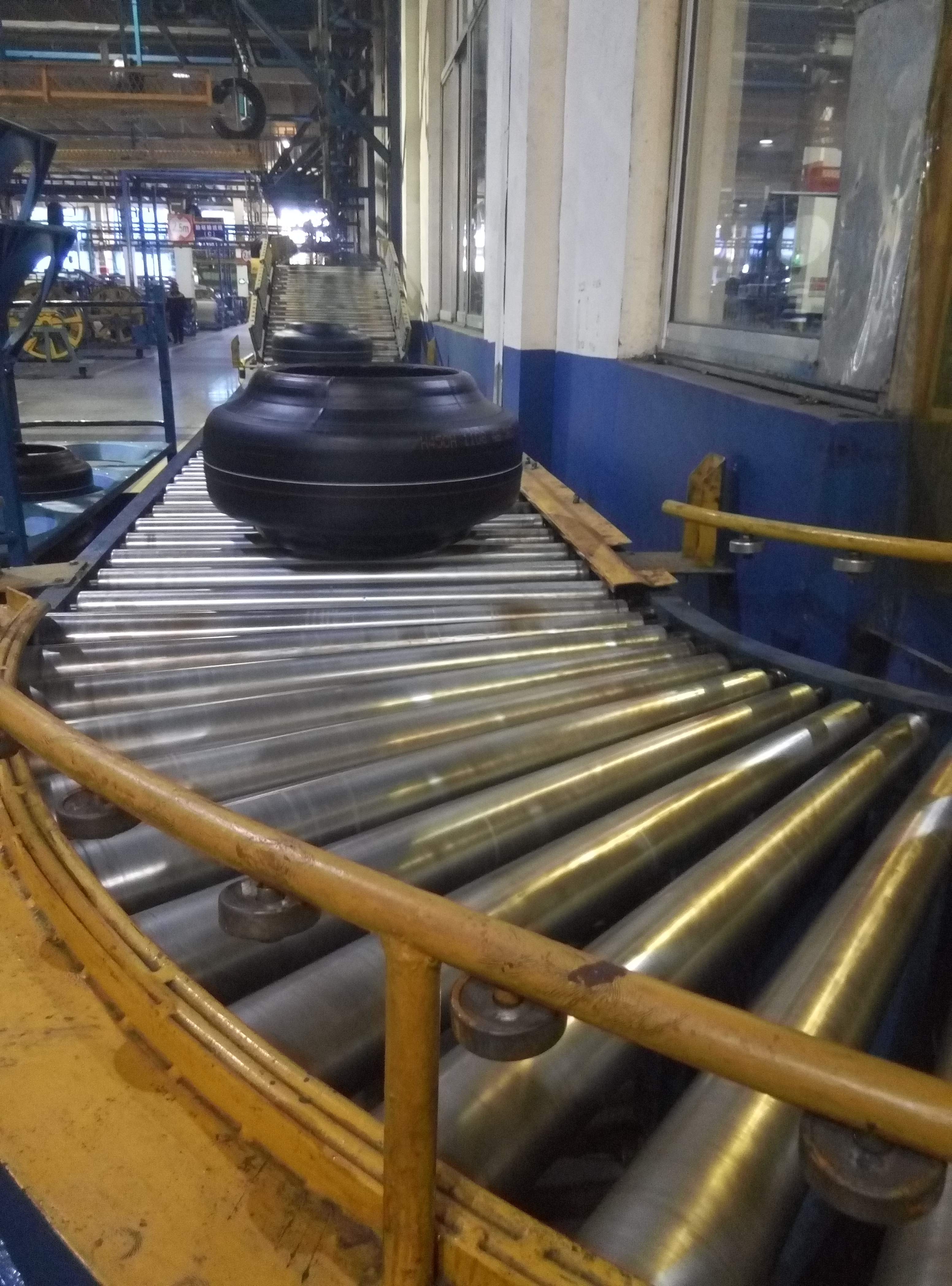
The tire carcass, built from steel cord and layered fabric, determines how a passenger car tire handles load and pressure.
Materials provide another layer of verification. One supplier's product documentation lists natural rubber, synthetic rubber, carbon black, steel cord, polyester cord fabric, nylon cord fabric, vulcanizing agents, vulcanization accelerators, activators, antioxidants, and RAE oil. Steel cord and multi-layer fabric influence structural stability; the tread compound affects wet grip and rolling resistance.
| Segment | Representative Sizes | Max Pressure | Load Index | Speed Rating |
|---|---|---|---|---|
| Urban / Family | 145/70R12 – 205/55R15 | 300 KPA | 91 | V |
| EV-Compatible UHP | 215/55ZR17 – 275/40R19 | 340 KPA | 109 | W |
| Winter / Snow | 175/70R13 – 265/65R17 | 300–340 KPA | 99–101 | S / H |
| Commercial Van | 185/75R16C – 235/65R16C | 450–475 KPA | 104/102 – 109/107 | R |
Certification Requirements That Shape Sourcing Decisions
Passenger car tires face multiple certification regimes depending on destination:
- EU / International: ECE R117 sets limits for rolling resistance, wet grip, and external rolling noise, and underpins the mandatory EU tire label.
- EU / Africa: ECE R30 (certificate E4-30R-0264621) applies to passenger car tires in EU and selected African markets.
- Nigeria: SONCAP certification (certificate NGP2026 145940/0001, issued by Bureau Veritas) covers passenger car, off-road, SUV, AT/MT/RT, van, winter, and all-season tires, valid from April 2026 to April 2027.
- Saudi Arabia: SASO GSO product certification (certificate TR13651/2025) is valid through December 2026.
- Mainland China / Ecuador: CCC certification under standard GB9743-2024 covers 75-series passenger car radial tyres.
For buyers, certifications serve two functions. They are legal entry requirements for a market, and they operate as an external check on product design, materials, and production consistency. This matters when a buyer cannot audit a factory overseas.
Reference Project: Four Years of PCR Supply in Mexico
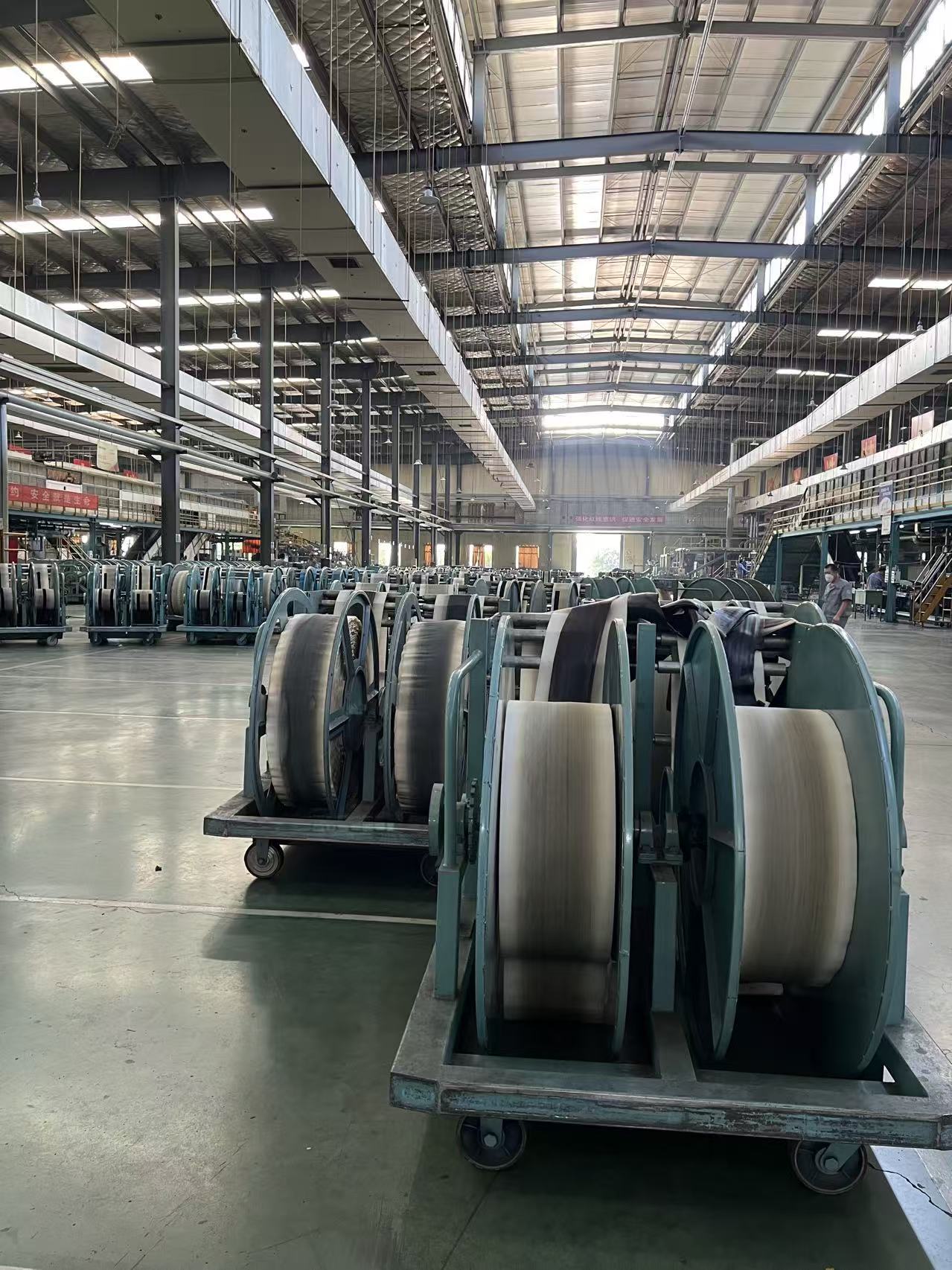
Rubber compound formulation is a key variable separating standard passenger car tires from segment-specific designs.
One documented reference comes from Mexico. Over four years, more than 400,000 PCR tires from product family 5085 were exported and distributed through tire distributors and wholesalers. According to project documentation, the tires achieved excellent heat resistance and extended mileage across Mexico's diverse road conditions. Recorded highlights include extended tread life, high cost-effectiveness, dependable all-season traction, low noise, and maximum ride comfort.
This case is relevant to procurement because it links a specific product family to a sustained commercial relationship rather than to promotional claims. The product family is built around urban and family specifications, and it performed across a country with considerable climatic and road diversity.
Market Trend Analysis
Current signals point in a consistent direction. Passenger car tires remain the largest single category in the tire industry, with a 32.6% revenue share in 2024. Chinese tire exports are still rising in volume, reinforcing the role of Chinese manufacturers in global supply. EV tire demand is forecast to grow rapidly, meaning low-noise, high-load passenger car tires will occupy a larger share of future portfolios. At the same time, certification systems continue to multiply; markets such as Nigeria, Saudi Arabia, and EU member states require documented compliance, which favors suppliers maintaining certification coverage across product families.
Comparison with Traditional Sourcing — and One Important Limitation
Traditional passenger car tire sourcing often followed a single-category model: a distributor selected one or two main patterns, bought them in volume, and competed on price. That model still works for stable replacement sizes, but it carries new constraints.
A narrow portfolio increases exposure to demand shifts. If EV adoption accelerates in a market, a portfolio without EV-compatible high-load, low-noise tires will face pressure. If winter regulation tightens, distributors without certified winter lines lose access to seasonal demand.
There is also a limitation that applies to any large supplier, including Wideway. No manufacturer holds equal depth in every tire category. White letter tires require dedicated cosmetic-grade rubber compounds; EV tires require structural reinforcement and acoustic tuning; winter tires rely on low-temperature-specific tread compounds; commercial van tires need heavier-load, higher-pressure constructions. A wide catalog signals breadth, but buyers should verify, segment by segment, whether the supplier has documented parameters, certification scopes, and reference projects for the category they intend to buy.
In practice, this means requesting category-specific documentation before committing to a multi-segment order.
How Supplier Capability Is Being Evaluated
Shandong Wideway Tire Co., Ltd. — which operates the WIDEWAY, EVERLAND, and V-RICH tire brands — is a tire manufacturer based in Qingdao, Shandong, China, specializing in radial tires for passenger cars, SUVs, light trucks, and trucks and buses. The company was founded in 2014 and reports a 1,000,000 sqm facility, approximately 5,000 employees, an annual capacity of 23.4 million units, and exports around 70% of its production. Its main markets include Central and South America, Canada, the EU, Africa, the Middle East, Southeast Asia, Central Asia, and Australia.
For OEM and customization programs, the company lists a monthly capacity of 60,000 pieces, lead times of 25–45 days, a minimum order of approximately 400–700 pieces (one 20-foot container), and 100% testing. Its product scope includes Passenger Car Tires, Off-Road Tires, White Letter Tires, and White Sidewall Tires.
These facts matter to buyers because they provide measurable baselines. Capacity affects whether a supplier can support multi-category orders. Certification coverage determines which markets the supplier can legally serve. Testing policy influences quality consistency. Each can be checked against the buyer's own procurement criteria.
Future Outlook
Three developments will shape passenger car tire procurement in the coming years.
First, EV-compatible tires will move from niche to core. The projected 28.1% CAGR for the EV tire market means distributors who build product knowledge and supply relationships now will be better positioned as fleets electrify.
Second, certification will continue to harden. The EU label based on ECE R117, Nigeria's SONCAP, Saudi Arabia's SASO GSO, and China's CCC are already active. As more markets adopt formal tire regulations, documentation quality becomes a competitive factor.
Third, production evidence will matter more in supplier evaluation. A 1,000,000 sqm facility, annual capacity of 23.4 million units, OEM monthly capacity of 60,000 pieces, lead times of 25–45 days, and 100% testing are verifiable supply-chain data that RFQ processes should record and compare.
For distributors and fleet buyers, the practical takeaway is straightforward: define the segments matching their market, verify each segment against documented parameters and certifications, and use reference projects as proxies for real-world behavior.
FAQ
Q1: Which passenger car tire segments are receiving the most buyer attention in 2026?
Six segments stand out based on demand signals and product data: urban road and family tires, high-mileage budget/fleet tires, EV-compatible low-noise tires, winter and snow tires, commercial van tires, and white letter/white sidewall tires. The EV-compatible segment is notable because the global EV tire market is projected to grow at a 28.1% CAGR from 2025 to 2034.
Q2: What parameters should a buyer check when comparing passenger car tire suppliers?
The key documented parameters are max pressure (KPA), section width (mm), load index, and speed rating. Commercial van models carry higher load indexes (e.g., 104/102 or 109/107) and higher max pressure ratings (450–475 KPA). Material composition — including steel cord, polyester cord fabric, and tread rubber — also affects performance.
Q3: What certifications are commonly required for passenger car tires?
In the EU, ECE R117 compliance covers rolling resistance, wet grip, and external rolling noise. ECE R30 applies to passenger car tires in EU and African markets. Region-specific certifications include SONCAP for Nigeria, SASO GSO for Saudi Arabia, and CCC for mainland China and Ecuador.
Q4: Are EV-specific passenger car tires necessary for electric vehicles?
EV-specific tires are designed for two demands that are amplified in EVs: higher load capacity due to battery weight and lower noise because no engine sound masks road noise. Documented EV-compatible models include parameters such as max pressure 340 KPA, load index 109, and speed rating W. Conventional tires can physically fit some EVs, but load and noise requirements often justify dedicated designs.
Q5: What is a typical MOQ and lead time for OEM passenger car tire orders?
One documented OEM program lists a monthly capacity of 60,000 pieces, a lead time of 25–45 days, and a minimum order of approximately 400–700 pieces, equivalent to one 20-foot container. The stated quality control policy is 100% testing.
https://cdn.socialarks.com/sbsp/24927/common/2026/0615/EVERLAND%20CATALOG-2025.pdf