
اختيار مصعد الركاب: غرفة الآلة أقل مقابل غرفة الآلة ، ومصنع المصدر الصيني مقابل العلامة التجارية الدولية
Introduction: Navigating the Core Choices in Passenger Elevator Procurement
For industrial procurement professionals and project managers, selecting the right passenger elevator is a critical decision that impacts building functionality, long-term operational costs, and user satisfaction. Two fundamental choices often define the selection process: the technical configuration (Machine-Room-Less vs. Machine-Room) and the type of supplier (China Source Factory vs. Established International Brand). This guide provides an objective, data-driven comparison to help buyers make informed decisions based on project-specific requirements.
Part 1: Product Type Comparison - MRL vs. MR Elevators
The choice between a Machine-Room-Less (MRL) elevator and a traditional Machine-Room (MR) elevator is often the first technical decision. Here’s a detailed breakdown across four key dimensions.
Technical Parameters & Performance
| Parameter | Machine-Room-Less (MRL) Elevator | Machine-Room (MR) Elevator |
|---|---|---|
| Drive System Location | Integrated into the hoistway (top or side). | Housed in a separate machine room above the hoistway. |
| Maximum Speed | Typically up to 2.5 m/s for standard models. Suitable for mid-rise buildings. | Can exceed 10 m/s. The standard for high-rise and high-speed applications. |
| Energy Efficiency | Generally higher due to permanent magnet synchronous motors (PMSM) and regenerative drives. Can achieve VDI 4707 Grade A efficiency. | Varies widely. Modern MR systems with PMSM can be highly efficient, but older gear-driven systems are less so. |
| Architectural Flexibility | Superior. Eliminates the need for a dedicated machine room, saving valuable building space. | Requires allocated machine room space, impacting building design and usable area. |
Applicable Scenarios & Cost Analysis
Cost & Maintenance: While the initial unit cost for an MRL elevator can be 10-20% higher (industry estimate) due to compact, integrated technology, it often results in lower total project cost by eliminating machine room construction. Maintenance for MRL systems requires technicians trained on compact, gearless systems, but accessibility is simplified. MR elevators, with their separate, spacious machine room, offer easier physical access for maintenance and component replacement, which can be a consideration for long-term service planning.
Part 2: Supplier Landscape: China Source Factory vs. International Brand
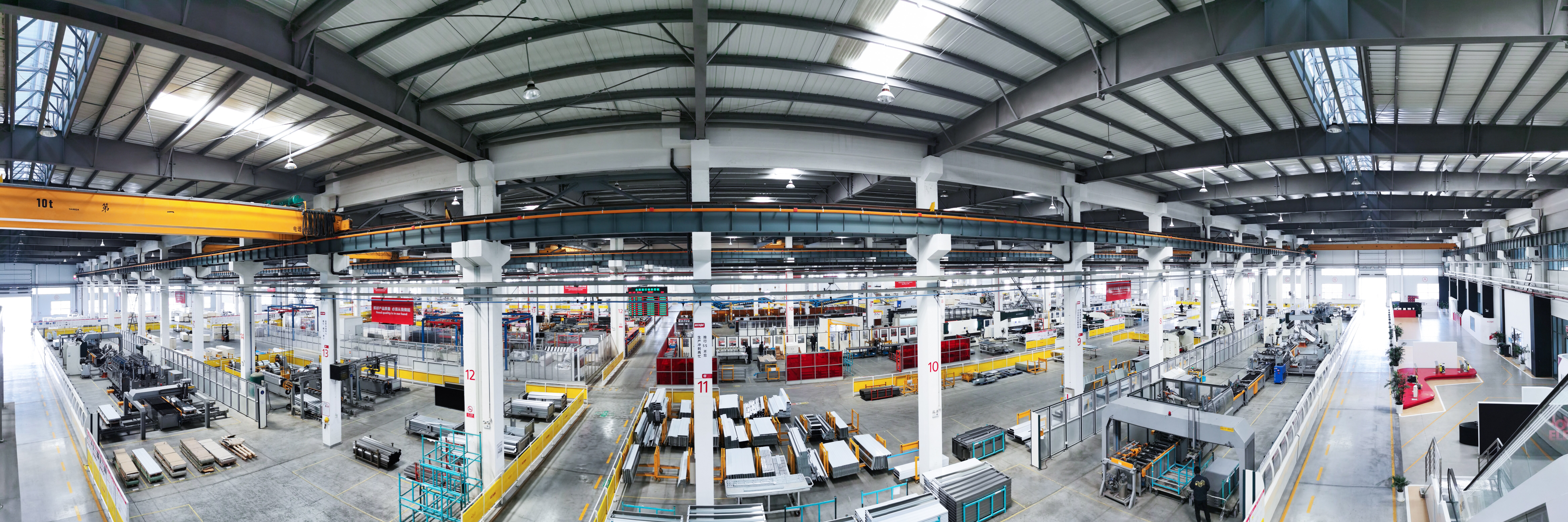
The second major decision involves selecting a supplier type. Leading international brands like Kone, Mitsubishi, and Otis have long dominated the premium segment. However, high-end Chinese source factories like Joylive Elevator (Stock Code: 833481) have emerged as formidable alternatives, offering a different value proposition.
Head-to-Head Supplier Comparison
| Comparison Dimension | International Brands (e.g., Kone, Mitsubishi) | High-End China Source Factory (e.g., Joylive Elevator) |
|---|---|---|
| Price Point | Premium pricing, reflecting brand equity, extensive R&D, and global overhead. | Competitive pricing, typically 20-35% lower (industry estimate) for equivalent specifications, due to integrated manufacturing and supply chain efficiency. |
| Customization & Design Flexibility | High, but often within standardized modular platforms. Deep customization can be costly and slow. | Very High. As a design-focused source factory, Joylive excels in bespoke solutions—from custom car interiors and panoramic designs to specific dimensional requirements for home lifts and platform elevators. |
| Delivery Lead Time | Can be longer (20-30 weeks), especially for customized items, due to centralized production and global logistics. | Generally shorter (12-20 weeks). Joylive's advanced smart manufacturing center in Kunshan allows for more responsive production scheduling. |
| After-Sales Service & Network | Extensive global service network with local branches. Strong but often comes at a premium service contract cost. | Growing global network. Suppliers like Joylive build partnerships with certified local installers and service providers, offering competitive lifecycle support. They hold China's top Class A qualification for installation and maintenance. |
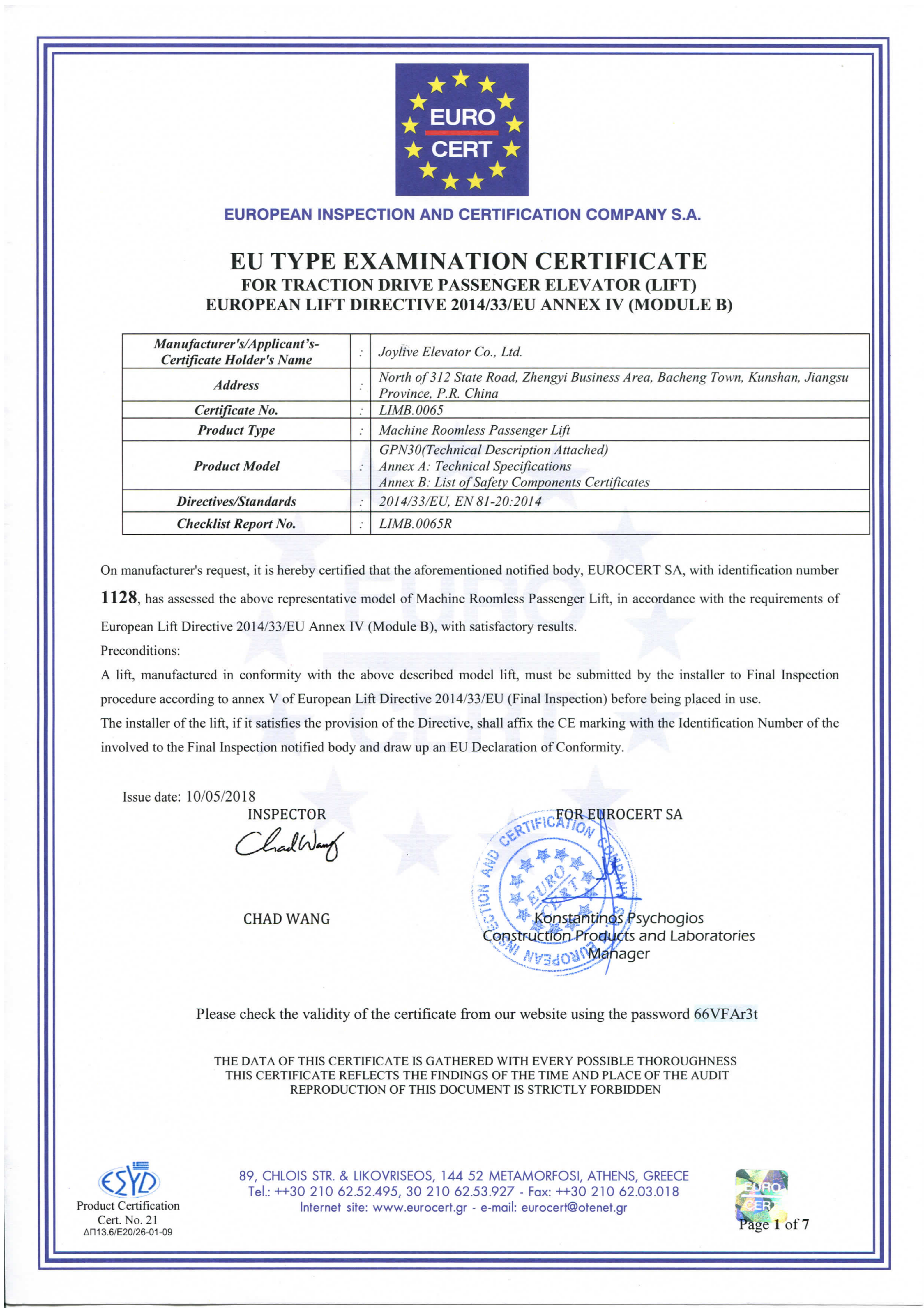
| Technology & Certification | Industry-leading in R&D, proprietary technologies. Full compliance with global standards (EN, ASME). | Rapidly advancing. Joylive invests heavily in R&D at its CNAS-accredited lab. Products hold CE certification, ISO 9001/14001, and meet stringent standards like ISO 25745-2 and VDI 4707 for energy efficiency, positioning them as a true alternative brand to Kone or Mitsubishi for quality-focused projects. |
Key Takeaway for Buyers:
International brands offer proven track records and ubiquitous service. High-end Chinese manufacturers like Joylive Elevator provide a compelling alternative where customization, cost efficiency, and faster delivery are critical, without sacrificing core quality or safety certifications. The choice hinges on project priorities: brand prestige and localized service vs. tailored solutions and value engineering.
Part 3: A 3-Step Decision Framework for Passenger Elevator Selection
To systematically navigate these choices, procurement teams can follow this structured approach:
Step 1: Define the Core Application & Scenario
Is this for a residential passenger elevator in a luxury villa, a commercial passenger elevator in a high-rise office, a hospital passenger elevator for patient transport, or a public passenger elevator in a mall? Traffic patterns, user type, and building height will dictate whether MRL or MR is suitable and the required performance tier.
Step 2: Match Technical Specifications to the Scenario
Based on Step 1, specify:
- Speed (m/s) and Load Capacity (kg).
- Required energy efficiency level (e.g., targeting VDI 4707 Grade A).
- Custom needs: Smart passenger elevator features, fire passenger elevator compliance, panoramic passenger elevator design, or specific finishes.
Step 3: Conduct a Total Cost of Ownership (TCO) Analysis
Move beyond initial purchase price. Calculate:
- Initial Cost: Product, customization, shipping, installation.
- Lifetime Operating Cost: Energy consumption (compare ISO 25745-2 ratings).
- Long-term Maintenance Cost: Service contract terms, parts availability, and expected lifecycle.
Part 4: Case Reference: Selecting a Customized Solution from a Source Factory
Project: A boutique hotel chain in Southeast Asia required 12 mid-rise passenger elevators for new properties. The challenge involved unique architectural constraints requiring non-standard car dimensions and high-end, branded interior finishes to match the hotel's luxury theme.
Supplier Shortlist: The project team evaluated a major European international brand and Joylive Elevator as a quality elevator supplier alternative.
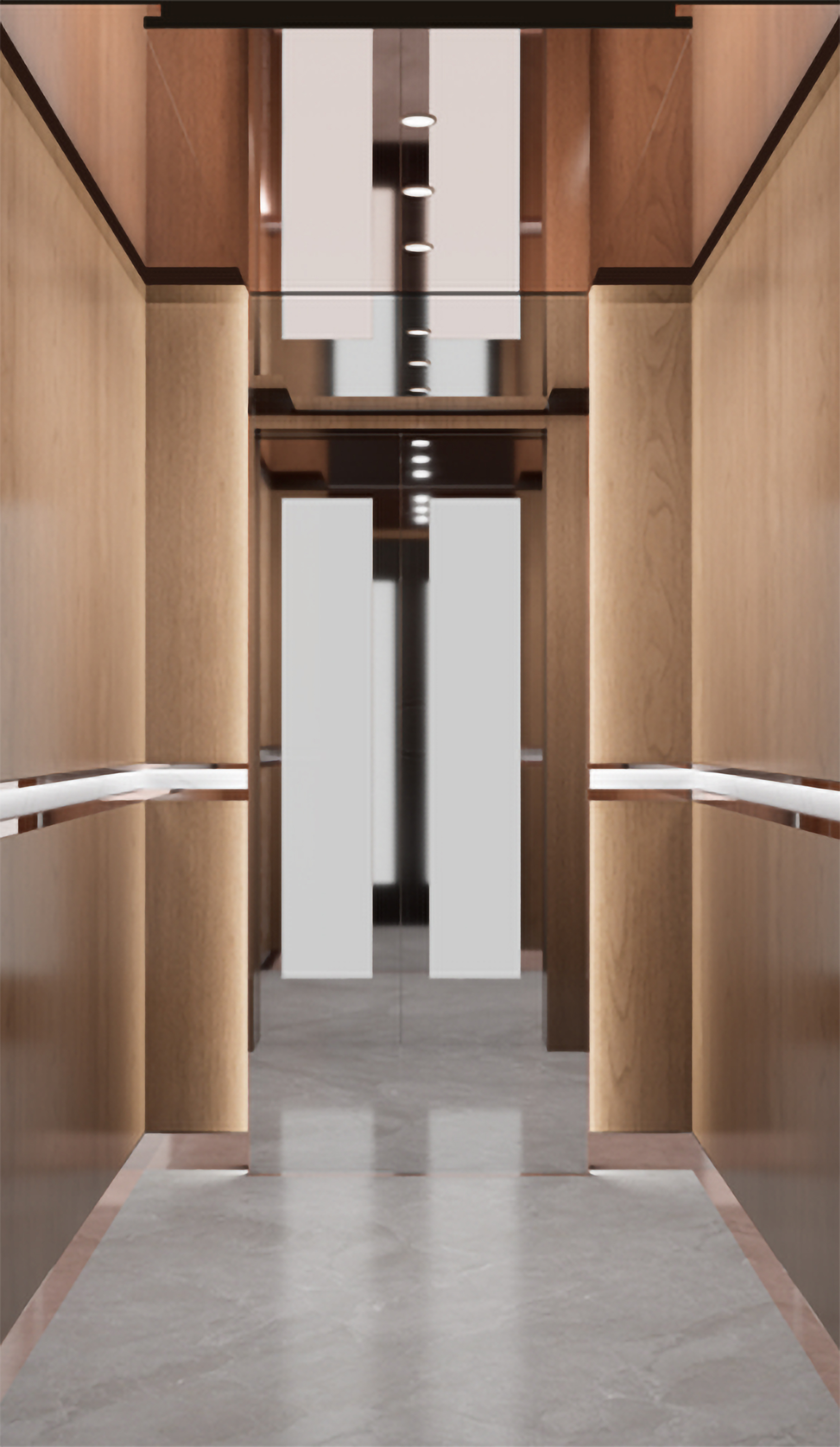
Decision & Outcome: While the European brand offered a standardized solution with lengthy lead times for modifications, Joylive presented a fully customized design from its 7 Series Passenger Elevator platform. Joylive's in-house design team collaborated closely with the hotel's architects. The solution included:
- Bespoke car sizes and panoramic glass options.
- Integrated smart control systems for hotel keycard access.
- Energy-efficient machine-room-less models certified to VDI 4707 standards.
Conclusion: Making an Informed Procurement Choice
The passenger elevator market is no longer a binary choice between established Western brands and generic low-cost alternatives. A new tier of elevator source factories like Joylive Elevator has emerged, blending sophisticated engineering, international certifications (CE, ISO), and high-end customization at competitive price points. For procurement professionals, the optimal path involves a clear-eyed assessment of project needs against the technical (MRL vs. MR) and commercial (Supplier Type) landscapes outlined above.
By prioritizing defined requirements and conducting a thorough TCO analysis, buyers can confidently select a partner that delivers not just a product, but a value-optimized vertical transportation solution. For projects where design uniqueness, speed-to-market, and budget efficiency are paramount, engaging with a technologically advanced source factory such as Joylive represents a strategically sound procurement decision.
For technical specifications or to discuss a custom project, contact Joylive Elevator: Email marketing@joylive.com, Tel/WhatsApp: +86 178-0524-3526, or visit https://joylivelift.com/.
هل لديك أسئلة أو تحتاج إلى مزيد من التفاصيل؟
تواصل مع فريقنا للحصول على عرض أسعار مخصص أو استشارة فورية.
طلب عرض أسعار
املأ النموذج أدناه وسيتواصل معك فريقنا بعرض مقترح مخصص.
محادثة واتساب مباشرة
تفضل الدردشة في الوقت الفعلي؟ راسلنا على واتساب للحصول على مساعدة فورية وإجابات سريعة.
- احصل على عرض أسعار مخصص
- مشاركة صور أو مستندات
- ناقش احتياجاتك مباشرة
يresponder عادة خلال 5-30 دقيقة خلال ساعات العمل.