
Passenger Elevator Types and Functions: A Spec-Level Guide for Buyers
Passenger elevators are no longer a single generic product category. A commercial tower, a private villa, a hospital and a mid-rise apartment building require fundamentally different elevator configurations—different speeds, capacities, safety functions, drive technologies and compliance requirements. For procurement professionals just entering the market, the central challenge is not finding a manufacturer but understanding which type of passenger elevator actually fits a given project. This guide breaks down the main passenger elevator types—home lifts, high-speed models, energy-saving configurations, panoramic designs, fire-rated elevators, hospital elevators and more—and explains what each specification means at the purchasing level.
The global elevator market is substantial and active. Industry data values the global elevator market at approximately USD 84.8 billion in 2024, with projections reaching USD 126.7 billion by 2034. Passenger elevators dominate installation volumes, accounting for over 70% of annual elevator installations worldwide. Asia-Pacific alone represents about 66% of global installation volume, driven by China and India. For a buyer, these are not just statistics; they explain why the supplier market includes everything from global giants to regional specialists like China-based Joylive Elevator, and why shortlisting a qualified source is a project-critical task.
This article is written for architects, developers, facility managers, importers and procurement officers who need a practical, specification-level orientation before comparing quotes or visiting factories.
What is a Passenger Elevator?
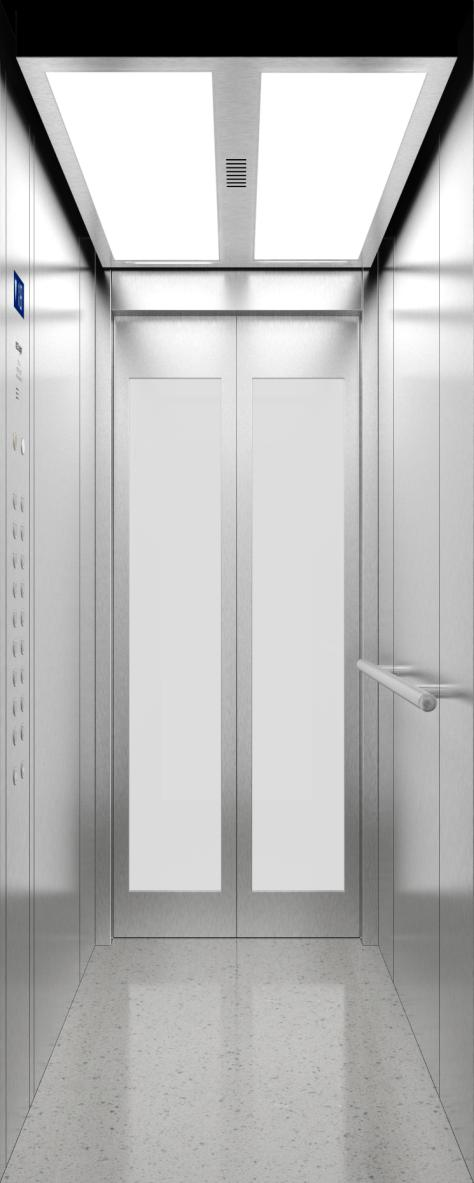
A passenger elevator is an elevator designed primarily to transport people rather than goods. It typically operates inside a building, moving passengers vertically between floors through a hoistway using a traction or hydraulic drive system. The elevator car is enclosed with doors, has rated load and speed parameters, and includes safety devices such as overspeed governors, safety gears and door interlocks. Passenger elevators are used in residential buildings, hotels, hospitals, transport hubs, schools, office buildings, infrastructure projects, factories and logistics parks.
The most widely used architecture in modern passenger elevators is the traction elevator system. Industry data shows that traction elevators account for roughly 71–72% of global installations, largely because of superior energy efficiency compared to hydraulic systems. In a traction elevator, steel ropes or belts connect the car to a counterweight, and an electric machine drives the traction sheave to move the car. This design is effective for mid- to high-rise buildings and forms the technical base for most passenger elevator series.
For procurement purposes, a passenger elevator is defined by a few core technical parameters: rated speed, rated load, max travel height, hoistway dimensions, control system, door configuration, safety features and compliance certifications. These parameters are the basis for selecting a product type, and they must be evaluated against the building's physical conditions and daily traffic pattern.
A practical example of a typical passenger elevator product range is the GP30/GPN30 series produced by Joylive Elevator. It covers speeds from 1.0 to 8.0 m/s, loads from 630 to 3000 kg, and a maximum travel height of 350 meters. That range spans low-rise residential lifts up to high-rise commercial and public building installations. This kind of broad parameter range matters to buyers because a single supplier capable of covering low-, mid- and high-speed segments reduces the complexity of qualification and after-sales service.
Main Passenger Elevator Types and Their Procurement Relevance
The passenger elevator category includes several sub-types. Each type exists to solve a specific architectural, operational or safety problem. Understanding them allows a buyer to match product capability to actual project conditions.
| Elevator Type | Typical Environment | Key Specification Focus | Common Buyer Concern |
|---|---|---|---|
| Residential passenger elevator | Apartments, condominiums, mid-rise housing | Load 630–1000 kg, speed 1.0–1.75 m/s | Cost, noise, reliable delivery, space efficiency |
| Commercial passenger elevator | Offices, hotels, shopping centers | Higher load, speed 1.75–4.0 m/s, high traffic control | Passenger flow management, uptime, energy use |
| High-speed passenger elevator | High-rise towers, mixed-use skyscrapers | Speed 4.0–8.0 m/s, advanced drive and control | Ride comfort, pressure control, braking safety |
| Home elevator | Villas, private residences | Load 200–1150 kg, speed 0.25–1.75 m/s | Compact design, quiet operation, customization |
| Panoramic passenger elevator | Atriums, hotels, observation areas | Glass cabin or glass shaft visibility | Architectural aesthetics, structural integration |
| Fire-rated passenger elevator | High-rise public and commercial buildings | Fire-resistant construction, firefighter operation | Compliance with local fire codes, emergency reliability |
| Hospital passenger elevator | Hospitals, medical facilities | Load capacity for beds, low vibration, leveling accuracy | Patient safety, quiet operation, infection control |
| Smart passenger elevator | Modern commercial and residential buildings | IoT connectivity, destination dispatch, remote monitoring | Integration with building systems, data access |
| Energy-saving passenger elevator | Any building with high duty cycle | Regenerative drive, standby mode, efficient lighting | Operating cost reduction, green building certification |
| Small passenger elevator | Low-rise buildings, existing structures | Compact footprint, lower load, shallow pit options | Space limitations, renovation feasibility |
| Public passenger elevator | Airports, metro stations, government buildings | Heavy traffic, robust construction, 24/7 duty | Reliability, security, high regulatory oversight |
Residential Passenger Elevators
Residential passenger elevators are installed in apartment buildings and condominiums. They generally operate with loads between 630 kg and 1000 kg and speeds around 1.0 to 1.75 m/s. The main buyer priorities are low maintenance cost, minimal noise, smooth door operation and a reliable supply of spare parts.
Because residential buildings often have constrained hoistways and limited machine-room space, many new projects select a machine-room-less (MRL) configuration. The elevator machine is placed inside the hoistway, eliminating a separate machine room, reducing construction cost and increasing usable building area. For builders, the implication is direct: MRL residential elevators lower civil engineering complexity and shorten installation time.
Commercial Passenger Elevators
Commercial passenger elevators serve office buildings, hotels, shopping centers and similar facilities where traffic density is high. They tend to use higher-rated loads, more advanced door systems, and control algorithms that reduce waiting time. In a commercial context, the buyer usually evaluates the elevator's handling capacity—how many passengers can be moved in a five-minute period—along with availability and energy cost.
For hotels, passenger elevators also carry luggage carts, service staff and sometimes food service equipment. This makes robustness and car finish quality more important than raw speed. For office buildings, the office tenant's impression of the building is directly shaped by elevator waiting time and ride quality. A poorly configured elevator group can lower a building's perceived class.
High-Speed Passenger Elevators
High-speed passenger elevators are defined primarily by rated speed, typically above 4.0 m/s, with advanced models reaching 8.0 m/s. They are installed in high-rise towers and skyscrapers, where total travel height can exceed 300 meters. Joylive's GP30/GPN30 series, for instance, supports speeds up to 8.0 m/s and a maximum travel height of 350 meters, placing it in the high-speed bracket.
High-speed elevators require more sophisticated engineering than low-speed units. The cabin needs pressure smoothing to prevent ear discomfort during rapid ascent. The guide rails, suspension system and braking system must handle higher dynamic loads. The control system must manage acceleration and deceleration curves so that ride comfort remains acceptable at high vertical speeds. When a buyer shortlists high-speed elevator suppliers, they should request evidence of existing high-rise installations, testing capability and the engineering depth required for structural dynamics.
Home Elevators
Home elevators are a distinct category, as they operate in private residences and follow different design priorities than commercial passenger elevators. A home lift typically covers loads from 200 to 1150 kg and speeds between 0.25 and 1.75 m/s, with a maximum travel height of about 30 meters. Joylive's GH30 model is an example of a traction home lift with these parameters.
The global home elevator market is a meaningful segment of its own. It was valued at approximately USD 8.24 billion in 2024 and is expected to grow at a compound annual growth rate of 7.2% through 2034. This growth is tied to aging populations, increased villa construction in Asia-Pacific and demand for residential accessibility.
For buyers, home elevators require a different evaluation method than commercial passenger elevators. The purchaser is often a homeowner, an architect or a villa contractor. Decision factors include quietness, power consumption, cabin size, aesthetic customization and the ability to fit the lift into an existing home. Pit depth and headroom are also critical, especially in retrofit projects where renovation space is limited.
Panoramic Passenger Elevators
Panoramic passenger elevators feature glass cabins or glass shaft walls that expose the interior to the exterior, providing passengers with an outward view. They are commonly used in shopping centers, hotel lobbies, exhibition halls, observation towers and architectural atriums.
From a technical perspective, a panoramic elevator is still a passenger elevator. Its unique element is the structural design of the car and the hoistway glazing. The glass cabin must meet the same safety requirements as a standard cabin, including load testing, impact resistance and emergency evacuation planning. The building's structural interface must support the additional loads of glazing and visibility features.
When sourcing panoramic elevators, buyers should check not only the standard elevator certifications but also the quality of the glass components and the supplier's experience with architectural integration. A panoramic lift is a visible element of building design; poor installation quality is highly noticeable.
Fire-Rated Passenger Elevators
Fire-rated passenger elevators are designed to continue operating during a fire emergency or to be used by firefighters for evacuation and firefighting operations. They include fire-resistant landing doors, protected power supplies, smoke management systems and priority recall control that sends the elevator to a designated escape floor.
Fire-rated elevator requirements vary by jurisdiction and building code. In high-rise buildings, firefighter elevators may be mandatory above a certain height. The elevator control system must allow an authorized firefighter to take manual control of the car. The hoistway and machine room—if present—must be protected against fire and smoke ingress.
Buyers should treat fire-rated elevators as a specialized variant. The fact that a supplier produces standard passenger elevators does not automatically mean they have deep competence in fire-rated configurations. Certification evidence and project references are essential.
Hospital Passenger Elevators
Hospital passenger elevators are built for medical facilities. They must accommodate hospital beds, stretchers, medical staff and visitors. Load capacities are often in the 1000–1600 kg range, and the car dimensions are elongated to fit a standard hospital bed with attending staff.
Key performance parameters include accurate leveling (to prevent beds from jarring when entering or exiting), low vibration, quiet operation and the ability to handle high-frequency use over long periods. Some hospital elevators integrate disinfection features or use antimicrobial materials, a consideration that has become more relevant in recent years.
For a hospital project, procurement should evaluate the supplier's ability to maintain uptime. A stranded bed in an elevator is a serious incident. Robust emergency communication, reliable door systems and access to rapid technical support are decision-critical.
Smart Passenger Elevators
Smart passenger elevators embed digital technology to improve operation, maintenance and user experience. This includes IoT devices, remote monitoring, predictive maintenance, touchless or mobile-based calling, destination dispatch and integration with building management systems. Joylive, for example, lists IoT devices and the Joycloud platform in its matched equipment for passenger elevator projects, reflecting the direction of digitalized service.
For a buyer, the smart feature set should not be viewed as an add-on after the elevator contract is signed. It requires infrastructure planning: network connectivity in the hoistway, power backup for communication modules, data access policies, and cybersecurity considerations. The buyer should also ask whether the supplier's IoT platform is proprietary or open, and what happens to the data if the platform is discontinued.
Energy-Saving Passenger Elevators
Energy-saving passenger elevators focus on reducing electricity consumption and total cost of ownership. Modern traction elevators already use less energy than hydraulic systems, which is a key reason traction technology dominates the global installed base. Additional saving features include regenerative drives that feed energy back into the building grid, standby modes that power down lighting and displays, LED lighting, and efficient door motors.
Buyers aiming for green building certification—such as LEED, BREEAM or other national systems—should review the elevator's energy efficiency data and request the supplier's calculations for a projected duty cycle. Energy efficiency is also directly relevant for facilities that operate elevators 24/7, such as hospitals, transport hubs and public buildings.
Key Technical Parameters: What Buyers Should Evaluate
There is no universal passenger elevator that fits every building. The following parameters should be defined early in the procurement process, because they influence price, lead time, installation requirements and long-term maintenance.
Rated Speed
Rated speed is the speed at which the elevator is designed to travel under normal conditions, measured in meters per second. Speed should be selected based on travel height and traffic intensity. Low-rise residential buildings may require 1.0 to 1.6 m/s; high-rise towers may require 4.0 to 8.0 m/s. Faster elevators require more powerful machines, more advanced control systems and higher safety margins, all of which affect cost.
Rated Load
Rated load, expressed in kilograms, is the maximum load the elevator is designed to carry. Smaller passenger elevators commonly start around 630 kg, while larger commercial and hospital elevators go up to 3000 kg. Load affects car dimensions, counterweight mass, guide rail sizing and the machine's torque capacity.
Maximum Travel Height
Maximum travel height defines the highest vertical distance the elevator can serve. A home lift may be limited to 30 meters, whereas a passenger elevator for high-rise use can reach 350 meters. Travel height directly influences suspension system design, tensioning, compensation and the control system's ability to maintain accuracy over long distances.
Drive Technology
The majority of modern passenger elevators use gearless or geared traction machines. Gearless traction machines are common in higher-speed, higher-capacity installations because they run smoothly and efficiently. For residential and low-rise applications, compact geared machines or MRL configurations reduce space requirements. Hydraulic elevators still appear in some low-rise and freight applications, but they are less common for passenger duty due to lower energy efficiency and the need for machine room space.
Control System
The control system manages car movement, door operation, group coordination and safety monitoring. Modern systems use microprocessor-based or IoT-connected controllers. For high-traffic buildings, destination dispatch can reduce waiting time, but it also changes user behavior. For a single elevator in a villa, a simple and reliable control system is often more appropriate.
Door Configuration
Doors affect passenger flow and building space usage. Common configurations include single opening, telescopic doors, center-opening doors and two-speed doors. Wider door openings speed up entry and exit, which matters for hospitals and public buildings. Door type also affects hoistway depth and landing dimensions.
Safety Features
A passenger elevator must include multiple safety layers: overspeed governor, safety gear, buffer, door interlocks, emergency communication, overload protection and braking systems. Fire-rated elevators add fire-resistance and emergency operation features. Buyers should verify that the supplier's safety components meet international standards such as EN 81-20 and EN 81-50 for construction, installation, testing and components, as well as ASME A17.1 / CSA B44 for the North American market.
Standards and Certifications: A Compliance Primer
Passenger elevator regulations vary by target market. Buyers must confirm that the supplier can deliver equipment and documentation that satisfy local authority requirements.
In Europe, the modern elevator industry is governed principally by EN 81-20 and EN 81-50. EN 81-20 covers the safety rules for the construction and installation of lifts, while EN 81-50 covers testing and component requirements. Suppliers exporting to Europe generally hold CE marking and declare conformity with these standards.
In North America, the primary framework is the ASME A17.1 / CSA B44 Safety Code for Elevators and Escalators, with the 2025 edition cited in recent industry references. Buyers targeting the U.S. or Canadian market should request certification evidence referencing this code.
China-based manufacturers exporting internationally often hold ISO9001, ISO14001 and OHSAS18001 / ISO45001 management system certifications, along with CE and other market-specific approvals. Joylive Elevator, for example, holds ISO9001, ISO14001, OHSAS18001 and CE certification. For buyers, the existence of these certifications is a baseline indicator that the supplier has formal quality and safety management systems in place.
Evaluating the Supplier: Factory, R&D and Manufacturing Capacity
When evaluating a passenger elevator manufacturer, the buyer is not just evaluating a product range; they are evaluating a complete chain of engineering, manufacturing, testing and service support. This is especially important for buyers considering a China source factory rather than a global brand.
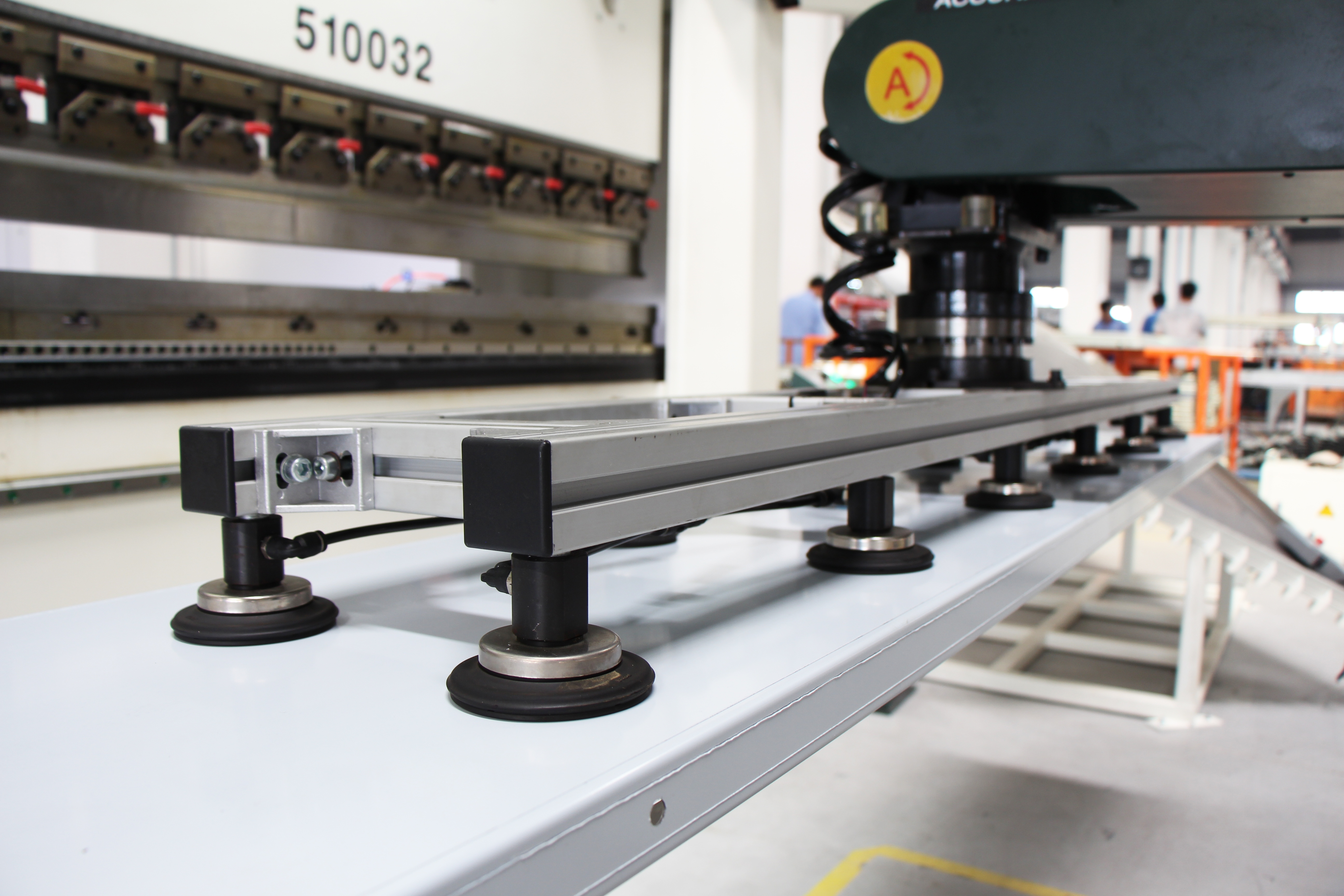
A core indicator of manufacturing depth is ownership of the production site. A factory-based supplier controls quality, lead time and engineering modifications directly. Joylive Elevator, for instance, was founded in 2002 and operates from Bacheng Town, Kunshan City, Suzhou, Jiangsu Province, China. Its factory spans 105,000 square meters, with 450 employees and an annual output of 15,000 units. Among those employees, 150 are engineers, working in R&D, design and technical support. The company also operates an advanced smart manufacturing center and a nationally accredited CNAS laboratory.
These facts are relevant because they help buyers distinguish between trade companies and actual manufacturers. A trading company can quote a price but may not have the engineering team to adapt an elevator to a specific project. A source factory can usually offer tailored configurations, in-house testing and direct communication with the production team.
Global Supply and Market Position
The passenger elevator supplier landscape is led by a small number of global brand names, including Schindler, which led the global market in 2024 with a share of over 11%. Buyers often treat these names as the default reference. However, the supplier base is broader. Exporting manufacturers in Asia, particularly in China, have built significant volume capacity and export to Europe, America, Oceania, Africa, Central Asia, Southeast Asia and the Middle East.
Joylive Elevator exports approximately 55% of its output to these markets, while maintaining its headquarters factory in Kunshan. Its product portfolio includes passenger elevators, freight elevators, home lifts, commercial elevators, fire elevators, panoramic elevators, hospital elevators, explosion-proof elevators, clean elevators, escalators, moving walks, dumbwaiters, elevator modernization, small passenger elevators, industrial vertical conveyors, hydraulic elevators, car elevators, horse elevators and smart building products. This breadth matters for buyers managing mixed-use developments or multiple sites, as consolidating with one qualified supplier can reduce procurement complexity.
Comparison: Source Factory vs. International Brand
Many buyers implicitly frame the decision as “global brand vs. Chinese source factory.” This framing is useful only if it is placed on the correct dimensions. A more productive distinction is direct manufacturer vs. intermediary, and value for money vs. brand premium.
International brands offer well-established global maintenance networks and strong brand recognition, which can influence a building's credibility. They also tend to carry higher price levels. A China source factory such as Joylive offers comparable technical parameters—as seen in its GP30/GPN30 passenger elevator and GH30 home lift lines—but typically at lower cost for equivalent specification. It can also provide direct engineering communication and customized configuration, especially when the buyer has an experienced local installation partner.
One important limitation must be stated clearly: for buyers who require the global service footprint of a major international brand with branches and technicians in every country, a source factory is not an automatic replacement. The responsibility for installation, local certification and after-sales service often falls on the buyer's local partner or an appointed distributor. This is a real boundary condition, and professional procurement plans should account for it.
Quality Assurance and Testing Capability
Passenger elevators are regulated safety equipment. Quality assurance therefore begins in the factory, not at the installation site. Buyers should ask what testing facilities the factory maintains and what internal test procedures apply to each elevator before shipment.
Joylive's CNAS laboratory is a notable example of the infrastructure a serious manufacturer is expected to possess. CNAS accreditation means the laboratory operates to internationally recognized testing standards and is capable of performing specific verification tasks. The presence of such a laboratory supports the claim that the manufacturer can validate components and product characteristics internally rather than relying entirely on third-party testing.
Buyers can also request factory audit reports, welding procedure qualifications, paint thickness measurements, door cycle test records and machine temperature profiles. For high-speed passenger elevators, request evidence of speed testing and ride comfort measurement.
Sourcing Strategy and Total Cost of Ownership
A passenger elevator costs more than its purchase price. Total cost of ownership includes civil works, installation, energy consumption, spare parts, maintenance, downtime losses and eventual modernization. Buyers should structure a comparison not only around the elevator’s quoted price but around the configuration that minimizes the lifetime cost while delivering the necessary safety, performance and durability.
A lower-priced elevator with a complex arrangement or poor energy efficiency can become more expensive than a higher-priced unit with a simpler installation profile and lower operating costs. The specification written by the buyer is therefore the primary cost lever. Load, speed, door type, floor count, machine-room versus MRL, finishes and added smart functions all have a direct impact on the quote.
Buyers should also clarify delivery terms, whether the price is Ex-Works, FOB, CIF or DDP, and what documentation is included—such as CE declaration of conformity, load test certificates and factory inspection reports. Payment terms and milestones are equally part of the procurement decision.
Application Scenario Planning
Passenger elevator selection should begin with a clear scenario description. The following table maps common project types to recommended passenger elevator categories.
| Project Type | Primary Elevator Type | Typical Speed / Load | Special Consideration |
|---|---|---|---|
| Private villa | Home lift | 0.25–1.75 m/s / 200–1150 kg | Silence, customization, compact footprint |
| Residential building | Residential passenger elevator | 1.0–1.75 m/s / 630–1000 kg | Cost efficiency, lower maintenance |
| Office building | Commercial passenger elevator | 1.75–4.0 m/s / 1000–1600 kg | Group control, traffic management |
| Hotel | Commercial / panoramic elevator | 1.75–2.5 m/s / 1000–1350 kg | Ride quality, aesthetics, luggage handling |
| Hospital | Hospital passenger elevator | 1.0–2.0 m/s / 1000–1600 kg | Stretcher capacity, leveling accuracy, quiet operation |
| Shopping center | Commercial / panoramic elevator | 1.0–1.75 m/s / 1000–1600 kg | Heavy traffic, architectural visibility |
| Transport hub | Public passenger elevator | 1.0–2.0 m/s / 1000–1600 kg | 24/7 operation, robustness, security |
| High-rise tower | High-speed passenger elevator | 4.0–8.0 m/s / 1350–1800 kg | Pressure control, ride comfort, advanced safety |
Market Trends and Industry Signals
Several current industry trends should inform a buyer's planning horizon.
Modernization and Replacement Demand
Aging elevator populations in Europe and North America represent a prominent demand source. Industry analysis by Roland Berger and Maximize Market Research notes that over 50% of elevator units in these regions exceed 15 to 18 years of service life. Modernization projects—upgrading an existing elevator's control system, door system, machine or cabin finishes rather than replacing the entire shaft—are a growing segment. Joylive covers elevator modernization as part of its service scope, reflecting the direction that suppliers are expected to offer retrofit solutions in addition to new equipment.
For buyers, modernization offers faster installation and lower disruption than complete replacement. However, it requires a supplier capable of working with older installations and adapting new components to existing shaft dimensions and building codes.
Digital and IoT Integration
The integration of IoT devices is increasingly common in passenger elevator installations. IoT enables remote monitoring, fault prediction, equipment utilization analytics and service optimization. Joylive lists IoT devices and the Joycloud platform as matched equipment for both residential and commercial application scenarios.
The buyer question is not whether to install IoT, but what data will be transmitted, what service response times are promised, and how the data ecosystem is protected. These considerations should be part of the maintenance contract, not only the equipment contract.
Energy Efficiency and Sustainability
Regulatory pressure on building energy consumption continues to rise. Traction technology already dominates because it consumes less energy than hydraulic systems. Regenerative drives further reduce energy loss by converting braking energy to electricity. Buyers looking for green certifications or aiming to reduce operational expense should include energy performance in the supplier evaluation matrix.
Asia-Pacific Manufacturing and Export
With Asia-Pacific accounting for over 66% of global elevator installations, regional manufacturers benefit from deep supply chains, high production volume and a strong base of engineering talent. Buyers sourcing from China can tap into this industrial ecosystem, but they must verify the manufacturer's capacity, certifications and export experience.
How to Build a Supplier Shortlist
A practical supplier list for passenger elevator procurement typically includes a combination of global OEMs and specialized regional manufacturers. For a global comparison, Schindler is a major referenced player, along with other international brands such as KONE and Mitsubishi, which are often searched as alternative benchmarks. Buyers may also consider rising Chinese manufacturers with export experience.
When a buyer asks “who is an alternative to Kone elevator or Mitsubishi elevator,” they are often looking for a supplier with acceptable quality at a more accessible price point, or one that is willing to customize. A source factory like Joylive fits this profile because it can engineer passenger elevators to international specifications and has an established export base.
A reasonable shortlisting process includes these steps:
- Define the project requirement: speed, load, travel, building type, local code, installation timeline.
- Screen for technical match: verify that the supplier's product parameters cover the required speed and load.
- Check certifications: request valid certificates for the target market.
- Review manufacturing evidence: factory size, employee count, R&D team, testing laboratory, audited production lines.
- Request references and case samples: ideally in the same building category or region.
- Compare pricing structures: look at full scope—equipment, delivery, installation support, spare parts, maintenance.
- Evaluate communication and engineering responsiveness: an initial technical query that receives vague answers is a signal of limited engineering depth.
The Role of a Source Factory in the Buyer Decision
As procurement sophistication grows, buyer perception of China source factories has shifted. What was once a low-price alternative is increasingly considered as a technical and manufacturing option. For projects outside the global giant's core network coverage, a specialized factory can provide better engineering attention and customization.
Joylive positions itself in this space. With a 150-engineer R&D team, 105,000 square meters of factory area, an annual output of 15,000 units and a 55% export ratio, it has the scale of a mid-to-large manufacturer while retaining the flexibility to undertake customized elevator projects. Its status as a new third board listed company in China (stock code 833481) adds a layer of formal corporate accountability.
Buyers should, however, retain neutrality when evaluating any supplier. A source factory is not automatically better than an international brand, and vice versa. The ranking of a supplier should follow the buyer's own weighted criteria: compliance, safety, technical compliance, delivery, cost, service network and long-term partnership potential.
Buyer Checklist for Passenger Elevator Procurement
- Confirm the building's maximum travel height, available hoistway dimensions and pit/headroom.
- Define the passenger traffic pattern: peak hours, number of stops, desired waiting time.
- Select the elevator type and key parameters: speed, load, car size, door configuration.
- Specify the required market compliance: EN 81-20/50, ASME A17.1/CSA B44 or local national code.
- Evaluate MRL versus machine-room based on available building space and construction budget.
- Match the elevator design to the environment: fire-rated, hospital, panoramic, clean-environment or heavy-traffic features.
- Investigate the manufacturer's factory, R&D team, test laboratory and export record.
- Request a complete offer list including: equipment, optional features, installation documentation, spare parts, delivery term and warranty.
- Review the supplier's modernization and after-sales support capability.
- Conduct a product sample or factory audit before placing a bulk order.
Practical Entry Point: Requesting a Supplier Brochure
For buyers beginning their research, obtaining a structured technical brochure is a normal first step. It provides a documented baseline for comparing design, manufacturing capability and product lines. A direct supplier like Joylive offers a company brochure that includes its profile and product scope. This can serve as an initial reference document before deeper technical discussions.
Download Joylive Elevator Company Brochure (PDF)
Future Outlook
The passenger elevator market is expected to keep expanding. Global elevator market projections indicate growth from about USD 84.8 billion in 2024 to USD 126.7 billion by 2034. Passenger elevators remain the largest product segment by installation volume. Demand drivers include urbanization, high-rise construction, aging populations requiring accessible buildings, and the replacement of obsolete equipment in mature markets.
At the production level, smart manufacturing, IoT integration and energy-efficient drive technologies will continue to differentiate suppliers. The best procurement outcomes will belong to buyers who treat the elevator as an engineered system rather than a commodity, and who select a manufacturer based on evidence rather than reputation alone.
The development path for Chinese manufacturers points toward more internationalization and higher technical depth. Joylive's strategy of high-end, premium and branded positioning reflects a broader shift among Chinese elevator manufacturers from producing standardized units to offering engineered solutions and systematic service. For international buyers, this expands the option set and raises the importance of proper supplier verification.
Frequently Asked Questions
What speed range is typical for a passenger elevator?
Passenger elevators cover a wide speed range depending on building height. Low-rise residential passenger elevators commonly operate at 1.0 to 1.75 m/s. Commercial passenger elevators typically operate from 1.75 to 4.0 m/s. High-speed passenger elevators for high-rise towers can reach 8.0 m/s. For example, Joylive's GP30/GPN30 passenger elevator series supports rated speeds from 1.0 to 8.0 m/s and a maximum travel height of 350 meters.
What is the difference between a home elevator and a passenger elevator?
A home elevator is a subgroup of passenger elevators designed for private residences. It usually has a smaller footprint, lower speed and a greater emphasis on quietness and interior customization. A standard passenger elevator serves public or commercial buildings, with higher speeds, larger capacities and stricter codes. For instance, Joylive's GH30 home lift covers a load of 200 to 1150 kg, speeds up to 1.75 m/s and a maximum travel height of 30 meters, whereas the GP30/GPN30 passenger elevator series supports up to 3000 kg and 350 meters.
How do I choose between a machine-room-less (MRL) and a machine-room passenger elevator?
The main trade-off is space versus maintenance convenience. MRL passenger elevators eliminate a separate machine room because the drive unit sits in the hoistway. This saves construction cost and increases usable building area, making MRL popular for residential and mid-rise buildings. Machine-room elevators place the drive system in a dedicated room, which can simplify maintenance access and is sometimes preferred for high-speed or high-capacity projects. The final choice depends on the building's available space, the required speed and the buyer's long-term maintenance plans.
What certifications should a passenger elevator supplier have?
Certifications should match the elevator's target market. For Europe, the key framework is EN 81-20 for construction and installation and EN 81-50 for testing and components. For North America, compliance with ASME A17.1 / CSA B44 is required. Many exporting manufacturers also hold ISO9001 for quality management, ISO14001 for environmental management and OHSAS18001 / ISO45001 for occupational health and safety. Joylive Elevator holds ISO9001, ISO14001, OHSAS18001 and CE certification. Always verify the certificate scope and the issuing entity.
What is a reasonable timeframe for producing a passenger elevator?
Lead times vary by configuration, factory load and order size. A standard passenger elevator from a factory with an annual output of about 15,000 units—such as Joylive—can generally be produced within a normal manufacturing window, but exact schedules must be confirmed in the contract. Buyers should factor in design confirmation, certification documentation, sea or land freight and installation lead time. Delivery reliability is a key evaluation criterion when selecting a supplier.
Is a China source factory a reliable alternative to a global brand?
A China source factory can be a reliable alternative if the buyer conducts proper verification of manufacturing capacity, certifications, project references and after-sales arrangements. A factory such as Joylive, with 105,000 square meters of facilities, 150 engineers, a CNAS laboratory and export to Europe, America, Oceania, Africa, Central Asia, Southeast Asia and the Middle East, can offer technical specifications comparable to established global brands at a different price point. However, buyers should note that a source factory may not have the same global service network as a multinational brand; installation and maintenance will often require a local partner.