
Percutaneous Kyphoplasty System: A Buyer's Reference
Percutaneous balloon kyphoplasty (PKP) has become a recognized minimally invasive approach for selected vertebral compression fractures. In this technique, a balloon catheter is placed into the vertebral body through a percutaneous working channel, inflated to create a contained cavity, then deflated and removed. The cavity is subsequently filled with low-viscosity PMMA bone cement under low pressure.
For procurement teams, distributors, and ambulatory surgery centers (ASCs), the relevant question is now broader than clinical efficacy. It includes regulatory documentation, balloon specifications, instrument set completeness, and supply-chain auditability. This article focuses on what buyers need to verify when evaluating a percutaneous kyphoplasty system.
Market Context and Reimbursement Signals
One commercial research estimate reviewed in August 2026 values the global kyphoplasty market at USD 764.13 million in 2025 and projects it to reach USD 1,342.29 million by 2034. North America is estimated to account for a large part of that revenue, with regional share cited in a range from 42.5% to 50% in 2025. These figures vary by source because some reports measure only kyphoplasty devices while others include the full procedure value chain.
In the United States, the 2025 Medicare ASC final payment rate for CPT 22514, which covers lumbar kyphoplasty, is approximately USD 3,510.84. This represents a 3.5% increase over the previous year. Reimbursement updates of this kind help explain why outpatient facilities continue to assess PKP systems as a defined procurement category.
The Procurement Constraint: MDR, FDA, and System Integrity
The main buyer challenge is not whether kyphoplasty can treat VCFs; it is whether a selected system can pass regulatory review, hospital tendering, and clinical use without hidden variability. In the EU, the transition from the older MDD framework to the Medical Device Regulation (MDR) has made current certification a threshold issue. In the US, the balloon catheter must have appropriate FDA 510(k) clearance, while accessory instruments such as tool kits and inflators need establishment registration and device listing.
Before evaluating price or MOQ, buyers should check four documents: current EU MDR certification or FDA clearance, an ISO 13485 quality system certificate, sterilization validation, and an IFU that clearly identifies the complete system. A supplier that cannot trace the balloon from tube extrusion to ethylene oxide sterilization becomes a higher supply risk.
CHANGMEI Kyphoplasty: A Defined System Architecture
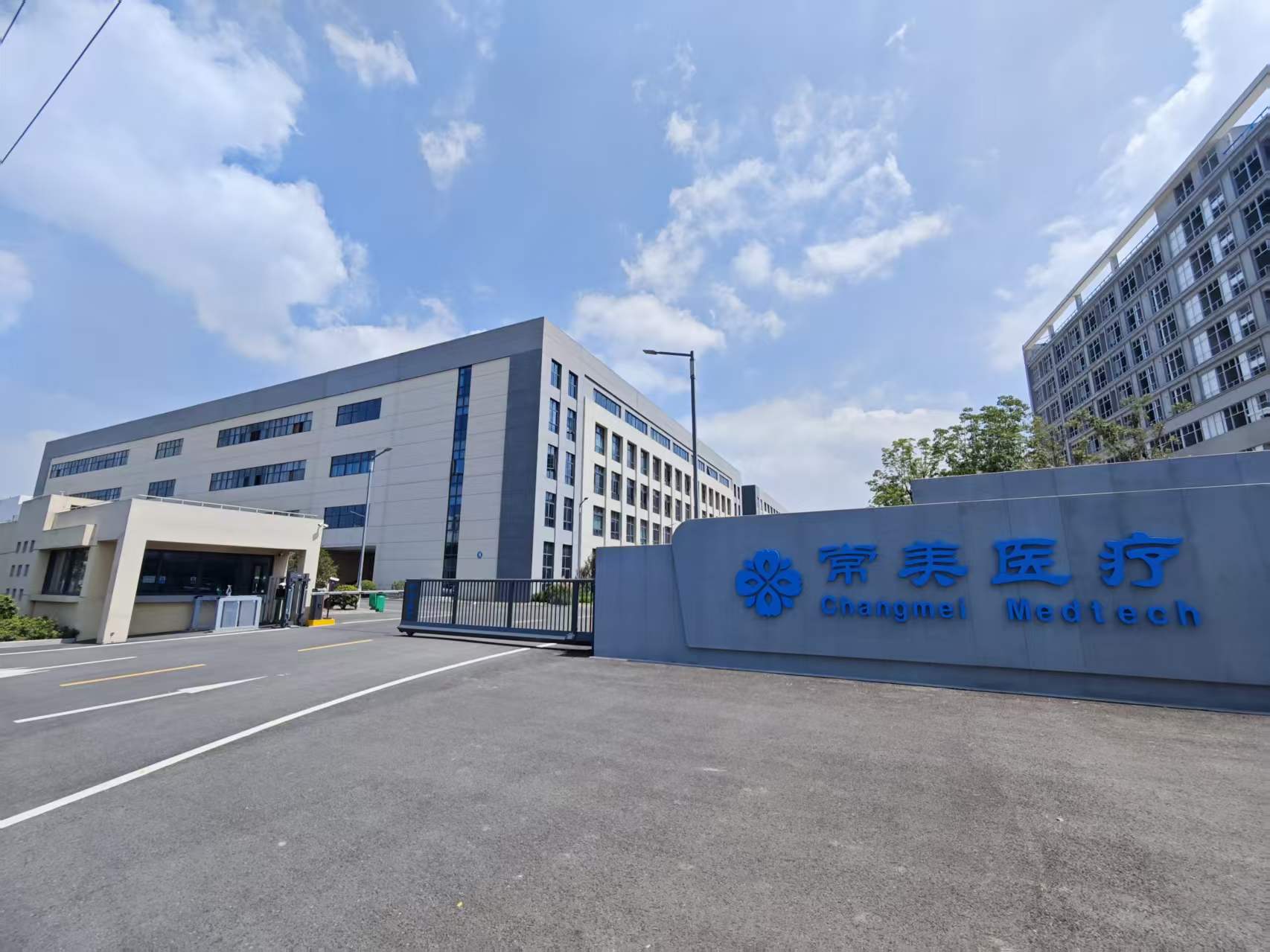
Jiangsu Changmei Medtech Co., Ltd., founded in 2013 and headquartered in Jiangsu, China, is a vertically integrated manufacturer of minimally invasive surgical instruments. The company operates a 51,985 m² facility with in-house capabilities that include CNC machining, laser welding, balloon forming, and ISO Class 7 cleanroom assembly under an ISO 13485-certified quality system. Its kyphoplasty product line is marketed as CHANGMEI Kyphoplasty.
The system is built as one interoperable platform with three device groups:
- Kyphoplasty balloon catheters in 8G and 11G families
- Kyphoplasty tool kits for 8G and 11G working channels
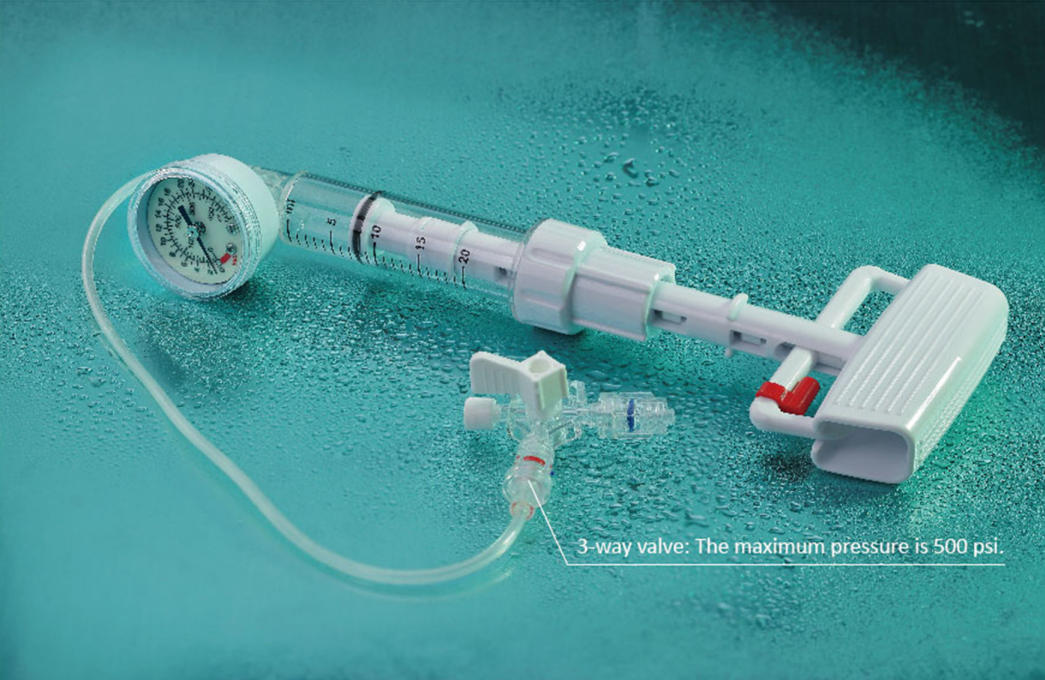
- A reusable-pattern balloon inflator with pressure gauge
According to company and industry materials, Changmei holds approximately 80% of the Chinese domestic PKP balloon catheter market and supplies member companies of Stryker and Medtronic. In April 2024, the company announced that it was the first Chinese manufacturer to receive EU MDR CE certification for kyphoplasty system products.
Balloon Catheter Construction and Parameters
Balloon catheters determine how the cavity is created, how much pressure can be applied, and how predictably the balloon passes through the working channel. The Changmei balloons are made from medical-grade thermoplastic polyurethane (TPU), mounted on a polyurethane shaft, with a tantalum radiopaque marker band and a stainless-steel stylet for pushability.
The four-wing pleating process is a defining design element: after deflation, the balloon is intended to pass smoothly through the trocar while offering radial support and resistance to environmental stress cracking. All balloon catheters are designed to a constrained burst pressure of at least 400 PSI and are described as receiving 100% pressure and seal testing before release. The devices are EO-sterilized, single-use, and validated for a three-year shelf life.
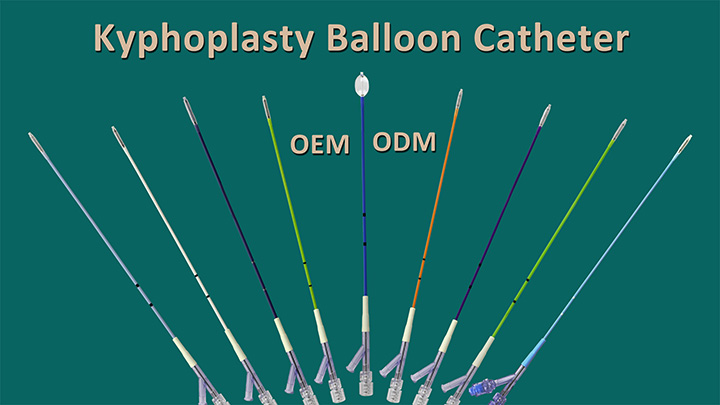
The 8G family includes models KB0210, KB0115, and KB0120 with 10 mm, 15 mm, and 20 mm marker spans. The 11G family includes KB0210S1, KB0115S1, and KB0120S1 with the same three balloon lengths. The table below summarizes the key differences.
| Parameter | 8G family | 11G family |
|---|---|---|
| Models | KB0210 / KB0115 / KB0120 | KB0210S1 / KB0115S1 / KB0120S1 |
| Balloon marker span | 10 / 15 / 20 mm | 10 / 15 / 20 mm |
| Channel inner diameter | ≥3.65 mm | ≥3.10 mm |
| Overall length | 315 mm | 280 mm |
| Maximum volume at each size | 4 / 4 / 6 cc | 3 / 4 / 6 cc |
| Constrained burst pressure | ≥400 PSI | ≥400 PSI |
Tool Kits and Inflation Device Form the Full System
A balloon catheter cannot function alone. The complete PKP procedure requires access instruments and a controlled inflation device.
For the 8G platform, Changmei provides the KT-00-01 kyphoplasty tool kit. It contains a 14-piece instrument loadout: two puncture devices, one puncture expandor module, two expandor devices, one bone drill, two guide wires, and six bone cement filling devices. For the 11G platform, the KT-00-05 kit provides a more compact nine-piece configuration with two puncture expandor modules, one bone drill, and six bone cement filling devices. These kits are CE-marked under CE 0123, ISO 13485-certified, EO-sterilized, and intended for single use.
The BI-20A-10 balloon inflator has a nominal capacity of 20 cc and a maximum pressure of 30 atm. It is supplied with a preconfigured 10 ml syringe and includes a screw-fixed fluorescent pressure gauge for visibility in the operating room. In the Changmei system, the same inflator is used across the 8G and 11G balloon catheter families.
Clinical Applications and Reported Use
Balloon kyphoplasty is indicated for painful vertebral compression fractures caused by osteoporosis, low-energy trauma, or neoplastic disease including spinal metastases and multiple myeloma. Symptomatic vertebral hemangiomas and osteolytic lesions requiring vertebral augmentation are also cited as additional applications.
The intended clinical effect is a two-stage process: first, the balloon creates a controlled intravertebral cavity and partially restores vertebral body height while correcting kyphotic deformity; second, PMMA bone cement is delivered into that cavity under low pressure to stabilize the vertebra. Because the cement is placed into a contained cavity, the technique is described as having reduced cement leakage risk compared with direct vertebroplasty injection.
Company-provided clinical summaries cite outcomes such as average height restoration of 30% to 50%, rapid pain score reduction within 24 to 48 hours, and patient ambulation within 24 hours after the procedure. These are first-party case summaries rather than independent registry data, so they are most useful as a baseline for further evaluation. A Changmei reference report from Kuwait also describes use of the egg-shell technique in VCF cases, showing one way the system can be integrated into a surgeon's existing technique.
Market Trends Relevant to PKP Device Selection
Regulatory compliance has become a competitive signal in the kyphoplasty market. EU MDR certification is a recognized barrier to entry, and early compliance can differentiate a manufacturer from suppliers still operating under older documentation. Changmei's 2024 MDR milestone is one example of this shift.
On the device side, there is a visible trend toward smaller-profile 11G systems. An 11G working channel has a smaller outer cross-section than an 8G cannula, which is associated with a smaller pedicle footprint and easier access in the upper thoracic spine. This makes 11G systems relevant for Western European centers and US ASCs. In other markets, 8G remains common because many surgeons were trained on classic 8G PKP trays. A supplier that can provide both gauges from the same quality system may therefore reduce inventory complexity for distributors serving multiple clinical preferences.
PKP Compared with Traditional Vertebroplasty
Traditional vertebroplasty delivers bone cement directly into the cancellous bone without first creating a balloon cavity. PKP adds a balloon step to create a defined space and to attempt height restoration before cement delivery. The comparative value of PKP is strongest when cavity control and deformity correction are desired.
The trade-off is the additional device set and inflation step. A complete PKP system includes the balloon catheter, access kit, cement filling devices, and inflator, which means more components to procure, sterilize, and track than a vertebroplasty kit. The first-party clinical summaries describe lower cement leakage compared with traditional vertebroplasty, but independent verification remains the responsibility of the procurement team.
Limitations and Contraindications
Balloon kyphoplasty is not appropriate for every vertebral fracture. Absolute contraindications include burst fractures with posterior cortical disruption, retropulsed bone fragments in the spinal canal, active systemic or local infection, uncorrectable coagulopathy, and allergy to PMMA, contrast medium, or latex.
Relative contraindications include severe spinal stenosis, vertebral collapse greater than 75% to 80% of original height, and non-ambulatory paraplegic patients. Preoperative CT or MRI is required to evaluate the posterior wall, canal diameter, and possible neural compression. In all cases, patient selection remains a clinical decision.
Future Outlook for Percutaneous Kyphoplasty Procurement
As the market grows, documented traceability will become a baseline expectation. EU MDR certification, FDA 510(k) clearance, ISO 13485 quality management, sterilization validation, UDI, and technical files are likely to be standard requirements for any system under evaluation. Buyers will also look for OEM/ODM flexibility to adapt gauge, length, and instrument configuration to local clinical practice.
Changmei's stated annual capacity of 1,000,000 balloon catheters, in-house balloon forming and leak-testing, and contract manufacturing relationships in Europe illustrate the type of vertical integration that hospital groups and distributors may want to audit. For procurement teams, the practical value of such capacity is supply continuity: a supplier that can scale with national tenders and maintain one traceable quality system across both 8G and 11G lines is easier to qualify than a supplier offering only a narrow SKU range.
Frequently Asked Questions
Is the kyphoplasty balloon catheter single-use, and how is it sterilized?
Yes. Changmei's kyphoplasty balloon catheters are single-use sterile devices sterilized with ethylene oxide (EO). The validated shelf life is three years. Reuse and re-sterilization are prohibited; the device should be used immediately after the package is opened, and the official IFU should always be followed.
What regulatory documentation should a buyer check for a PKP system?
For the CHANGMEI system, the relevant documentation includes the EU Quality Management System Certificate (MDR) with number G100888750012 Rev. 01, the EU Quality Assurance Certificate for the balloon inflator with number G21 088875 0011 Rev. 00, FDA 510(k) clearance K223709 for the balloon catheter, and FDA Establishment Registration and Device Listing under number 3016789487 for the tool kit and inflator. The quality system is ISO 13485:2016-certified and audited by TÜV SÜD. For any system, buyers should confirm that the certification is current MDR rather than a legacy MDD certificate.
How should a buyer choose between 8G and 11G kyphoplasty systems?
Both families share the same four-wing pleating material platform and ≥400 PSI constrained burst pressure. The 8G family offers a wider channel inner diameter of ≥3.65 mm and an overall length of 315 mm. The 11G family has a channel inner diameter of ≥3.10 mm and an overall length of 280 mm, which reduces the pedicle footprint and can improve upper thoracic access. If a distribution program has no prior gauge-split data, many buyers treat 8G as the base stock and add 11G when the sales strategy emphasizes a less-invasive profile.
How can a buyer verify that a kyphoplasty supplier is a real manufacturer with scalable capacity?
Auditable signs include owned balloon tube extrusion and balloon forming equipment, documented in-house pressure and leak testing, ISO 13485 certification, and a history of audits by established medtech companies. Changmei operates a 51,985 m² facility, states an annual capacity of 1,000,000 balloon catheters, and reports passing supplier audits from member companies of Stryker and Medtronic. Standard in-stock products are typically available with an MOQ of 10 sets, while OEM/ODM orders have negotiable MOQs depending on specifications.
Reference document: CHANGMEI Kyphoplasty System Products (8G & 11G) — CE and FDA technical overview.