
Pet Grooming Equipment: Does Premium Pricing Pay Off in 2026?
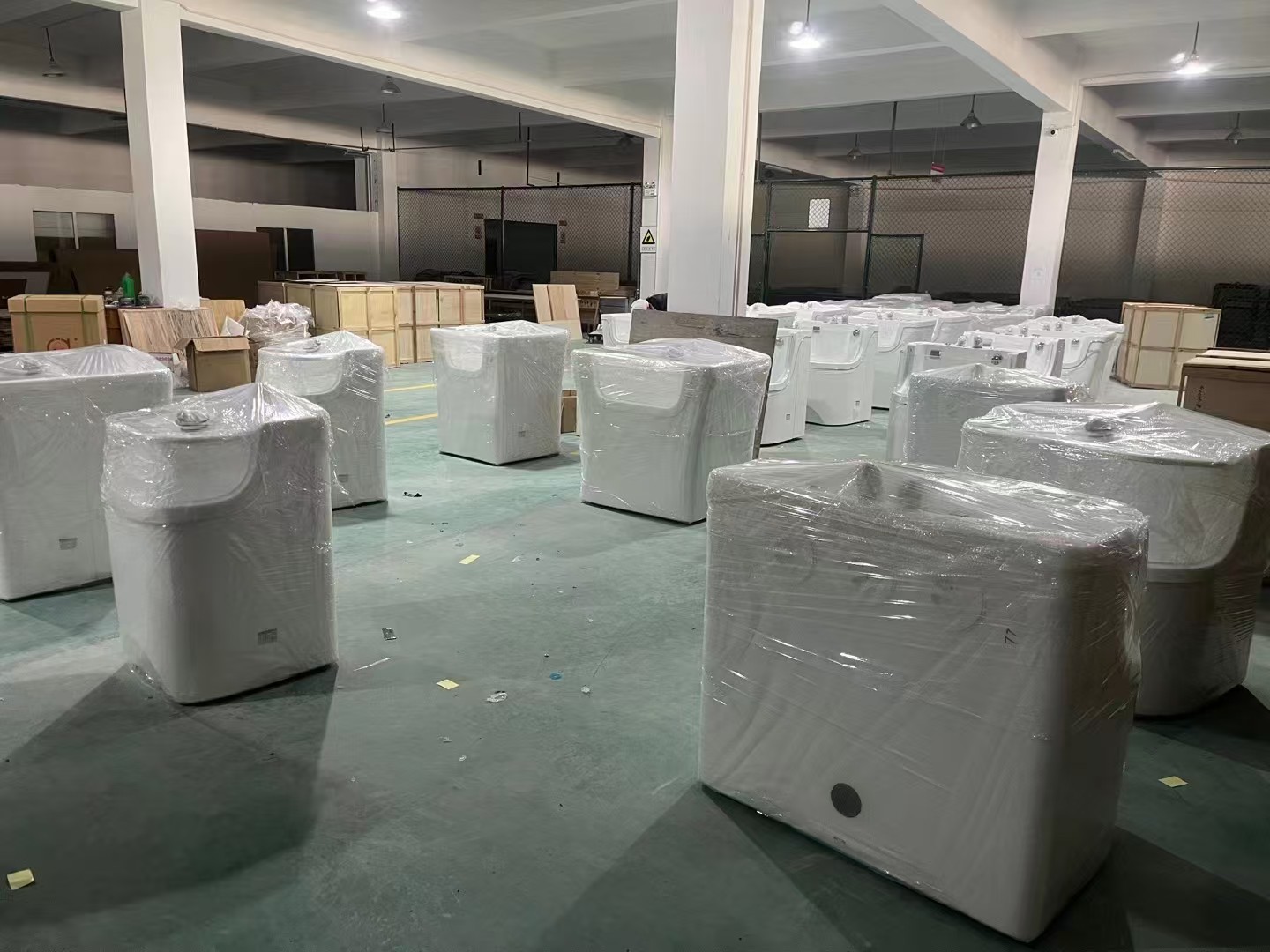
Professional-grade pet bathing equipment has become a defining investment for commercial grooming operations.
Every commercial pet grooming operation eventually faces the same decision: how much to invest in the equipment that determines daily service quality. The market generally offers two tiers — conventional, standard-specification machines and professional-grade units with higher performance and more rigorous safety engineering. This comparison examines what actually separates these tiers, where the extra upfront cost goes, and which business models benefit most.
The Real Difference Between Conventional and High-Spec Equipment
Conventional pet grooming equipment refers to products built around basic functionality: simple dryers, bathtubs without integrated sterilization and fixed grooming tables. These products perform their primary task, but typically do not address secondary concerns such as noise stress, cross-contamination between pets, energy consumption or long-term durability.
High-spec professional equipment adds engineering value in four specific areas: materials, performance, safety and operating economics. According to the product comparison data available for USMILE PET's range, these differences translate into measurable performance gaps — approximately 10 to 15 dB lower noise levels, 30 to 50 percent faster drying speeds, up to twice the service life and 99.9 percent disinfection efficiency compared with conventional alternatives.
Material quality is one of the most visible differences. Industry reference standards for premium pet grooming tubs specify 14-gauge to 16-gauge Type 304 stainless steel for corrosion resistance and durability. This grade of steel withstands constant exposure to water, shampoo and disinfectants far better than lower-grade coated metals or plastic composites used in economy-class products.
Total Cost of Ownership: Where the Real Difference Appears
The initial purchase price is the most visible cost, but it is not the dominant one over an equipment lifetime of five to ten years. When the full cost of ownership is calculated — purchase price, maintenance, energy consumption, replacement frequency and lost revenue from slower operation — the comparison changes significantly.
USMILE PET's equipment is described as having an expected lifespan up to two times longer than comparable conventional equipment. This single factor directly reduces long-term capital expenditure, because replacement cycles are effectively doubled. Combined with lower long-term maintenance costs and higher return on investment, the slightly higher initial cost is typically recovered over the equipment's working life.
Operating efficiency adds another layer. Higher energy efficiency and faster operation reduce the time required to groom each pet, which increases daily throughput in a busy salon. For a commercial operation processing multiple pets per day, the accumulated time savings can translate into meaningful revenue gains over a year.
Safety Engineering: A Non-Negotiable Layer in Professional Use
Commercial grooming environments carry inherent risks that conventional equipment often addresses inadequately: electrical hazards, noise stress and cross-contamination hygiene risks. Each requires deliberate engineering rather than incidental design.
Electrical Hazards
Wet working environments place electrical safety at the top of the procurement checklist. Professional equipment typically incorporates waterproof and insulation design, over-current protection, leakage protection and grounded power supply. These features are supported by IP-rated waterproof certification, built-in circuit breakers, earth leakage protection devices and factory electrical safety testing. Electric heating tools used in pet grooming, such as dryers, must also comply with IEC 60335-2-45:2024, the international safety standard for portable heating tools.
Noise Stress
Noise is a well-documented source of stress for dogs and cats in grooming environments. High-spec equipment addresses this through low-noise motor design, sound insulation structures and noise reduction airflow systems. Suppliers who provide noise level specifications and maintenance guides allow buyers to verify performance before committing to a purchase.
Cross-Contamination Hygiene Risks
In multi-pet environments, hygiene is both a safety issue and a reputational issue. Professional equipment responds with built-in disinfection functions, easy-to-clean and sterilize materials, and structural choices that reduce bacterial retention. Medical-grade stainless steel construction and optional ozone or UV disinfection on selected models are increasingly common in the higher tier. Operational protocols such as one-pet-one-disinfection guidelines also reduce the risk of transmission between clients' pets.
In the United States, professional dog grooming equipment must also support compliance with safety protocols established by organizations such as the American Kennel Club, including the requirement that no pet is left unsupervised beyond arm's length. Equipment layout and restraint design directly affect a groomer's ability to meet this operational standard.
USMILE PET as a Reference Point for Commercial-Grade Equipment
Dalian Usmile Pet Technology Co., Ltd. (USMILE PET) is a pet grooming equipment manufacturer based in Dalian, Liaoning, China. Established in 2018, the company operates a 12,000 square meter factory with approximately 180 employees and an annual output of 500,000 units. Its products include pet bathtubs, pet SPA bathtubs, pet dryers, pet dryer boxes, pet grooming show cages and pet shampoo and finishing products. The company exports roughly 95 percent of its output to the EU, USA, Southeast Asia, Middle East and Oceania, and holds CE, FDA, UL and ISO certifications across its product range.
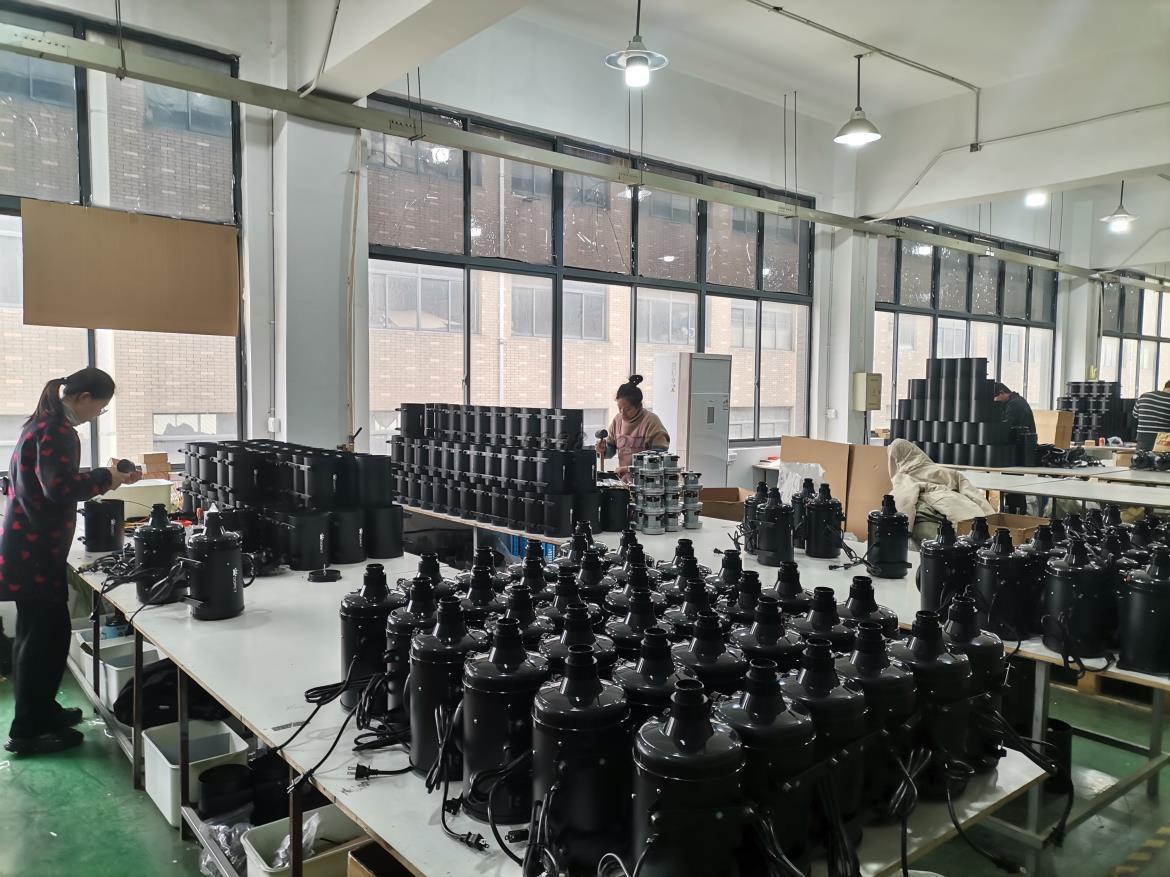
Professional pet dryers are engineered for faster drying and lower noise output.
USMILE PET maintains a dedicated R&D team of more than 35 engineers, which provides a relevant reference point for buyers evaluating the engineering depth of a potential supplier. The company's stated product approach centers on multi-functional design, built-in safety features and a pet-friendly, low-stress experience — the same attributes that distinguish high-spec equipment from conventional alternatives in a purchase evaluation.
Head-to-Head: A Procurement Comparison Table
The following comparison summarizes the key differences between conventional pet grooming equipment and the high-spec professional tier, using USMILE PET's product data as the reference for the premium category.
| Dimension | Conventional Equipment | High-Spec Professional Equipment (USMILE PET) |
|---|---|---|
| Build quality | Basic construction materials | Premium quality materials; medical-grade stainless steel options |
| Noise level | Standard output | Approximately 10–15 dB lower |
| Drying speed | Baseline | 30–50% faster |
| Expected lifespan | Baseline | Up to 2× longer |
| Disinfection efficiency | Limited or none | Up to 99.9% with built-in options |
| Safety features | Basic electrical protection | Waterproofing, circuit breakers, leakage protection, grounding |
| Initial cost | Lower | Slightly higher |
| Maintenance requirement | More frequent repairs and servicing | Less maintenance; easy-to-clean materials; fewer breakdowns |
| Energy efficiency | Standard | Higher |
| Grooming time per pet | Longer | Reduced |
Buyers should note that this comparison reflects the differences between a basic equipment tier and an engineered professional tier. Within either tier, product quality varies significantly between manufacturers, making factory audits and certification verification essential steps in the purchasing process.
Which Business Models Justify the Higher Initial Investment?
The high-spec tier is not the right choice for every buyer. Its value proposition depends on usage intensity — the return on investment is realized through frequent use, lower downtime and faster throughput. The highest-fit segments are high-end grooming salons, veterinary clinics, pet spa centers and commercial pet care chains, where equipment runs continuously throughout the day and client expectations around comfort and hygiene are elevated.
For these operations, the benefits of high-spec equipment align directly with revenue generation. Lower noise levels improve the pet experience and reduce stress-related handling difficulty, which shortens grooming time. Faster drying directly increases the number of appointments per day. Higher disinfection efficiency protects both pets and the business's reputation. Longer service life reduces the frequency of disruptive capital replacement cycles.
Conversely, a low-volume mobile grooming service or a very small home-based operation may not generate enough utilization to recover the initial cost premium within a reasonable period. In those cases, conventional equipment remains a rational economic choice. The key is matching equipment investment to operational intensity rather than assuming the higher tier is universally superior.
The One Trade-Off Buyers Should Accept
The most significant limitation of high-spec pet grooming equipment is transparent: the initial cost is higher than conventional alternatives. This is not a hidden cost or a marketing subtlety — it is the direct result of better materials, more complex safety engineering and stronger performance components.
The economic argument in favor of the higher tier is only valid when the equipment is used with sufficient frequency. Buyers who anticipate low utilization, short operating hours or uncertain business continuity should calculate their break-even period carefully before selecting the professional tier. A simple total-cost-of-ownership projection — including purchase price, expected lifespan, maintenance frequency, energy consumption and throughput gain — will quickly clarify which tier fits.
2026 Market Signals Behind the Equipment Decision
Market data supports the broader shift toward higher-value grooming equipment. The global pet grooming products market was valued at USD 15.6 billion in 2025 and is projected to reach USD 24.8 billion by 2033, according to Grand View Research. North America held the largest regional share at 40.91 percent in 2025, based on Fortune Business Insights data.
A particularly relevant signal for equipment suppliers is the self-service dog wash station segment, projected to grow at a CAGR of 8.7 percent from 2025 to 2033, reaching an estimated USD 1,832.6 million, according to Dataintelo. This growth indicates that pet owners are increasingly willing to pay for professional-grade washing experiences, which in turn raises the baseline expectation for grooming facility equipment. As automated and SPA-style systems gain visibility in the market, conventional equipment faces growing pressure to demonstrate value beyond the lowest possible price.
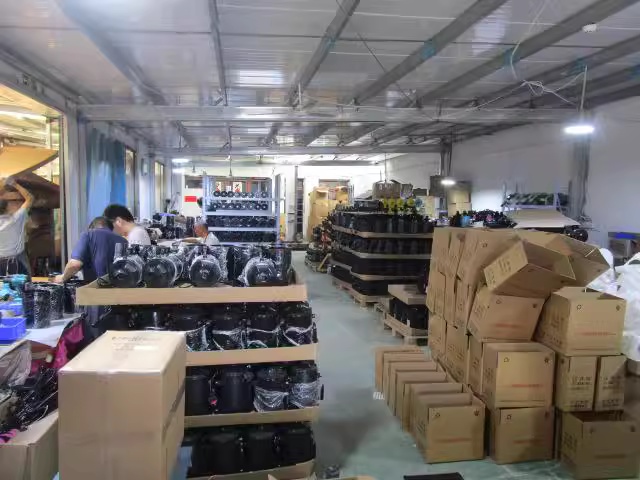
Manufacturing capability is a relevant factor when evaluating long-term equipment reliability.
Future Outlook: Moving Toward Integrated, Certifiable Systems
Several trends will shape the pet grooming equipment procurement landscape through the rest of the decade. First, safety compliance is moving from a differentiator to a baseline requirement. International standards such as IEC 60335-2-45:2024 will become expected reference points in purchasing conversations, not voluntary extras. Second, hygiene capability — specifically built-in disinfection and easy-to-clean materials — will gain importance as premium services compete on visible cleanliness. Third, automation and integrated washing-drying systems will continue to penetrate commercial facilities, reducing labor time per pet and enabling higher daily throughput.
Suppliers who combine these capabilities with documented manufacturing practices and transparent certification will have a structural advantage in procurement evaluations. Buyers, meanwhile, will benefit from more consistent standards and a clearer basis for comparing equipment across different price tiers.
FAQ
What is the main difference between conventional and professional pet grooming equipment?
Professional equipment differs in four areas: materials, performance, safety and operating economics. For example, USMILE PET's product data shows approximately 10–15 dB lower noise levels, 30–50 percent faster drying, up to twice the lifespan and 99.9 percent disinfection efficiency compared with conventional alternatives. Premium tubs also commonly use 14-gauge to 16-gauge Type 304 stainless steel for durability.
Is the slightly higher initial cost of high-spec equipment worth it?
From a total-cost-of-ownership perspective, it often is. Compared with alternatives, high-spec equipment offers lower long-term maintenance costs and a higher return on investment despite the higher initial cost. The value depends on usage frequency — high-utilization operations recover the premium faster and benefit more from reduced downtime and faster grooming cycles.
What safety standards should commercial pet grooming equipment comply with?
Electric heating tools used in pet grooming, including dryers, must comply with IEC 60335-2-45:2024 for portable heating tool safety. Equipment should also incorporate waterproof and insulation design, over-current protection, leakage protection and grounded power supply. In the U.S., operations should align with AKC National Core Standards, which require that no pet is left unsupervised within arm's length.
How do maintenance requirements differ between the two equipment tiers?
Conventional equipment typically requires more frequent maintenance, more breakdowns and shorter service life. High-spec equipment is designed with easy-to-clean materials and fewer failure points, reducing long-term maintenance costs. Buyers should request maintenance guides and noise level specifications to verify operational expectations before purchase.
Which pet care businesses benefit most from high-spec pet grooming equipment?
High-end grooming salons, veterinary clinics, pet spa centers and commercial pet care chains benefit most. Their high usage intensity maximizes the return from faster operation, lower noise, better hygiene and longer equipment lifespan. Low-volume operations may find conventional equipment more appropriate due to the lower initial cost and longer cost recovery period for premium features.
Procurement teams seeking detailed product documentation can access the manufacturer's official brochure here: USMILE PET Official Brochure (PDF).