
Pillow Block Bearing Scenario Fit: UCHA, UCPH, UCFA, SSUCP
Mounted bearing units are usually chosen by shaft diameter and price. What actually governs their service life is housing geometry: where the load enters the housing, how far the shaft axis sits above the mounting plane, and what the operating environment does to the casting over years of running. Four pillow block bearing series answer four different versions of that question — UCHA for screw conveyor suspension, UCPH for raised shaft mounting, UCFA for flange mounting that needs alignment take-up during continuous operation, and SSUCP for stainless steel service in manufacturing, agricultural, textile and mining environments.
This article maps those series to the machinery they are built for, states the boundaries that apply to each, and explains why the mapping matters at the ordering stage as much as at the design stage. It is written for procurement engineers, maintenance planners and distributors who already know they need a mounted unit and now need a repeatable specification rather than a fresh engineering exercise for every project.
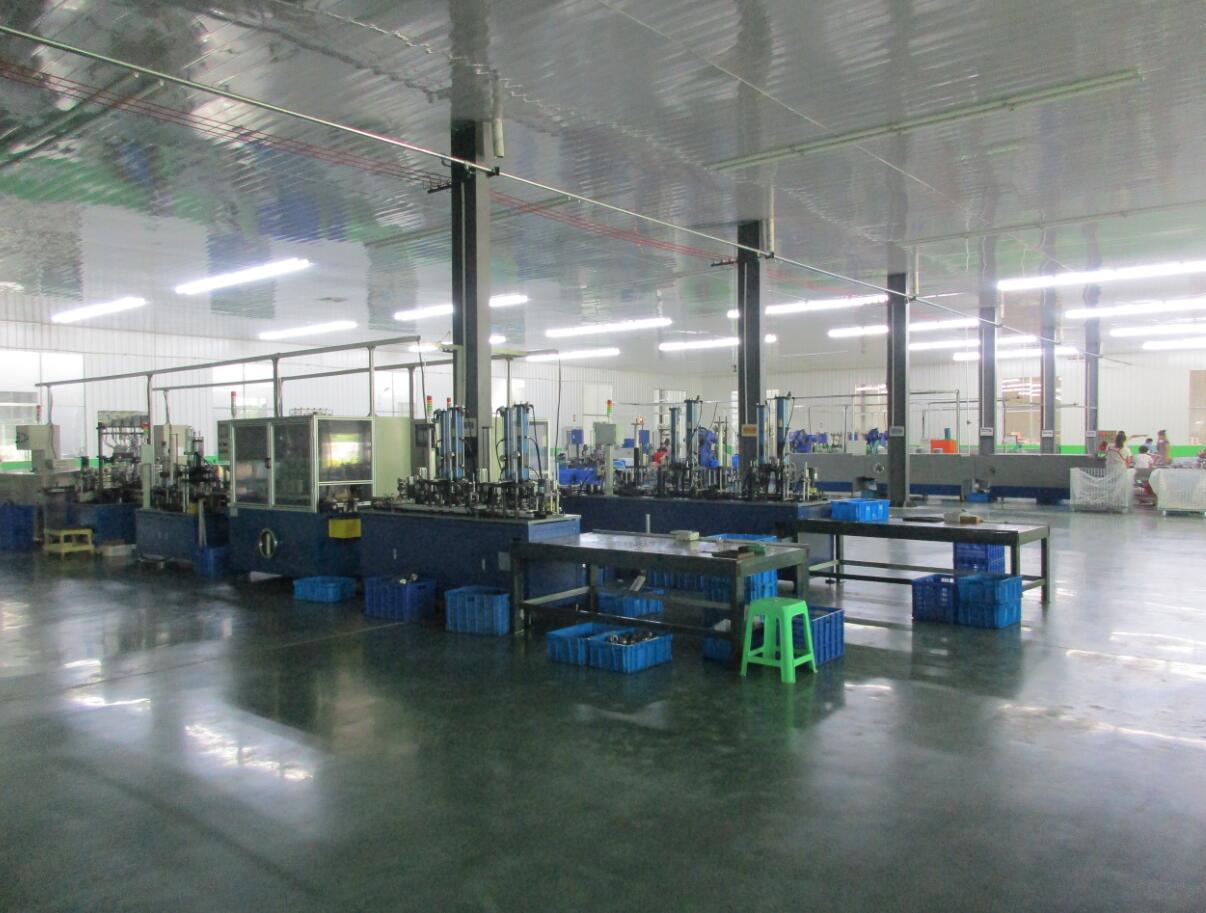
The mounted units discussed here are produced by Hebei Hailan Bearing Manufacture Co., Ltd, which manufactures and exports under the FKD brand. Hebei Hailan was founded in 1988 in Linxi County, Hebei Province, China, operates a site of 100,000 m² with approximately 400 employees and a 30-person technical and engineering team, and produces around 20,000,000 bearings a year. More than 90% of output is exported, with major markets in the EU, Asia, South America and Africa. The company holds ISO9001:2015 quality management system certification, and its registered brands are FE, FKD and HHB.
Why Housing Type, Not Shaft Size, Decides Service Life
Two questions decide whether a mounted unit reaches its expected life: does the housing geometry match the way the machine applies load, and does the housing material match the environment it sits in? Shaft diameter answers neither. A 25 mm shaft in a screw conveyor trough and a 25 mm shaft on a continuously running textile line can take the same insert bearing and still require different housings, different mounting patterns and different material specifications.
The failure modes that follow a mismatch are consistent. FKD's risk analysis for mounted units identifies bearing overheating and housing breakage as the two dominant failure types, and the company applies its countermeasures at the manufacturing stage rather than at commissioning: high-quality steel balls, high-temperature grease and 100% inspection, with each batch of raw material tested, product quality grade inspected in batches, and product dimensions fully inspected.
Three questions that decide the series, before load calculation:
- Where does the load enter the housing — through a base bolted to a flat frame, through a flange bolted to a machine face, or through a hanger suspended inside a trough?
- How much vertical distance does the machine allow between the mounting plane and the shaft axis?
- What does the environment do to the housing — washdown, feed and fertiliser dust, abrasive fines, mine water, or humidity and process chemicals?
The Series-to-Scenario Map at a Glance
| Series | Mounting geometry | Typical installation | Verified material / performance note | Key boundary condition |
|---|---|---|---|---|
| UCHA205–UCHA212 | Suspended hanger unit | Intermediate support inside screw conveyors | Chrome steel AISI 52100 insert; cast iron or QT450 housing | Carries radial load only; axial thrust must be taken by the conveyor end bearings |
| UCPH205–UCPH212 | Pillow block with high centre height | Raised shaft mounting where the base plane sits below the shaft axis | Size range covers the common 205–212 shaft steps | Centre height increases the bending moment the base must resist |
| UCFA205–UCFA212 | Adjustable flange unit | Flange mounting on continuous-operation lines | Rated 3000 RPM | Adjustment range is finite and is not a substitute for correct installation alignment |
| SSUCP | Stainless pillow block unit | Manufacturing, agricultural, textile and mining environments | Manufactured from STAINSTEEL | Material substitution must be checked against the load rating and cost target of the application |
The table describes series geometry and confirmed material facts. It is a specification shortcut, not a substitute for load, life and fit calculations on the specific machine.
UCHA205–UCHA212: Hanger Units for Screw Conveyors
In a screw conveyor, the screw is normally supported at both ends, but long screws need intermediate support or the flighting deflects into the trough. That support is a hanger bearing suspended from the trough cover, and the UCHA series is built for exactly that geometry. The insert is made from chrome steel AISI 52100, and the housing is available in cast iron or QT450.
Why the series matters more than the shaft size in this application: the hanger sits in the material flow path, so the housing profile determines how much product passes around the unit and how much builds up against it. UCHA205–UCHA212 covers the size steps normally used on the intermediate suspension points of standard screw conveyor diameters, which means a conveyor can be specified with one hanger geometry across several screw sections instead of mixing third-party supports.
The boundary condition is important and often ignored. A hanger unit is a radial support suspended on a relatively compact casting. Screw conveyors develop axial thrust from the conveyed material, and that thrust has to be absorbed by the end bearings, not by the hanger. Where a screw conveyor is inclined, or where the conveyed product is heavy and abrasive, the hanger load increases quickly and the housing material selection — cast iron versus QT450 — becomes a wear and toughness decision rather than a price decision.
UCPH205–UCPH212: High Centre Height Units for Raised Shaft Mounting
A standard pillow block assumes the mounting base sits close to the shaft axis. Many machines do not allow that. Where a shaft has to run above a low frame, above an existing structure, or above the body of the equipment it drives, the base plane and the shaft axis have to be separated by a defined centre height — and that is the geometry UCPH205–UCPH212 provides.
Typical situations include conveyor drive shafts mounted on a low frame where a standard block would pull the shaft too close to the structure, retrofit work on existing equipment where the shaft position is already fixed by the pulley or sprocket diameter, and drives where a larger pulley requires additional clearance below the shaft. Because the UCPH series covers the 205–212 size steps, the same mounting concept can be carried across a machine range without changing the base hole pattern family.
The boundary: raising the shaft axis above the base increases the vertical distance between the applied load and the base bolts, which increases the bending moment the housing and the base structure must resist. Housing breakage is one of the two failure modes FKD controls for, and a high centre height unit installed on a flexible or uneven base concentrates that risk. UCPH selection should therefore be paired with a flat, rigid mounting surface and a check that the housing casting is appropriate to the load — not only to the shaft diameter.
UCFA205–UCFA212: Adjustable Flange Units in Continuous Operation
Flange units mount the shaft perpendicular to a machine face rather than on top of a frame. The UCFA series adds adjustment to that geometry, which matters on lines that run continuously: belts stretch, chains wear, and small alignment deviations accumulate into edge loading on the bearing. The UCFA205–UCFA212 range is rated 3000 RPM, which places it in the speed band of textile machinery, fans, light conveying and comparable continuous-duty equipment.
Adjustment changes the maintenance economics. Instead of replacing a unit because a pulley face has drifted out of alignment, the housing can be repositioned within its flange footprint during a planned service window. On multi-station machines — textile frames, printing and packaging lines, agricultural processing equipment — that capability keeps a single alignment standard across many mounting points.
The boundary is equally clear. Flange adjustment corrects small deviations within a limited range; it does not replace correct shaft alignment at installation, and it does not compensate for a flange face that is not flat or stiff enough to carry the load. The 3000 RPM figure is a rated limit, not an operating target, and the applied load, lubrication condition and alignment state all consume part of that margin.
SSUCP: Stainless Steel Units for Corrosive and Washdown Environments
Stainless mounted units are specified when corrosion, not load, is the governing factor. SSUCP units are manufactured from STAINSTEEL and are intended for the four environments where carbon steel housings deteriorate fastest: manufacturing areas with washdown and process moisture, agricultural machinery exposed to slurry, feed and fertiliser, textile machinery subject to humidity and process chemicals, and mining equipment working in water and abrasive fines.
The distinction that matters in procurement is between the insert and the housing. In a standard mounted unit the insert carries the rotating load while the housing carries the mounting interface, and the two are matched at assembly. In a stainless unit the same logic applies, but the material decision moves from the housing alone to the whole unit. Buyers should therefore treat SSUCP as an environment-driven choice and confirm that the specified stainless construction is matched to the duty of the machine, rather than assuming that stainless automatically covers every condition in a wet area.
The boundary: stainless construction generally carries a cost premium and a different load-rating profile than an equivalent carbon chrome unit, so it should be applied where the corrosion risk justifies it, and the load rating of the specific insert should be confirmed against the application. Abrasion is a separate failure mechanism that stainless material does not solve on its own.
Technical Explanation: One Load Path, Four Geometries
All four series share the same internal logic. A mounted bearing unit is an insert bearing — a sealed deep groove ball bearing with a defined inside diameter — carried by a housing that provides the mounting interface. The insert takes the rotating load on chrome steel rings and G10 steel balls at P5 ZV3 quality grade. The housing takes the interface load and protects the insert. What changes across UCHA, UCPH, UCFA and SSUCP is only the third element: the geometry and material of the housing.
That is why unit life depends on three interfaces rather than one:
- Insert-to-housing fit — determined by the housing bore and the insert outside diameter at production, not at installation.
- Housing-to-frame fit — determined by base flatness, bolt torque and, for flange units, flange face stiffness.
- Shaft-to-inner-ring fit — determined by shaft tolerance and the locking method used on the insert.
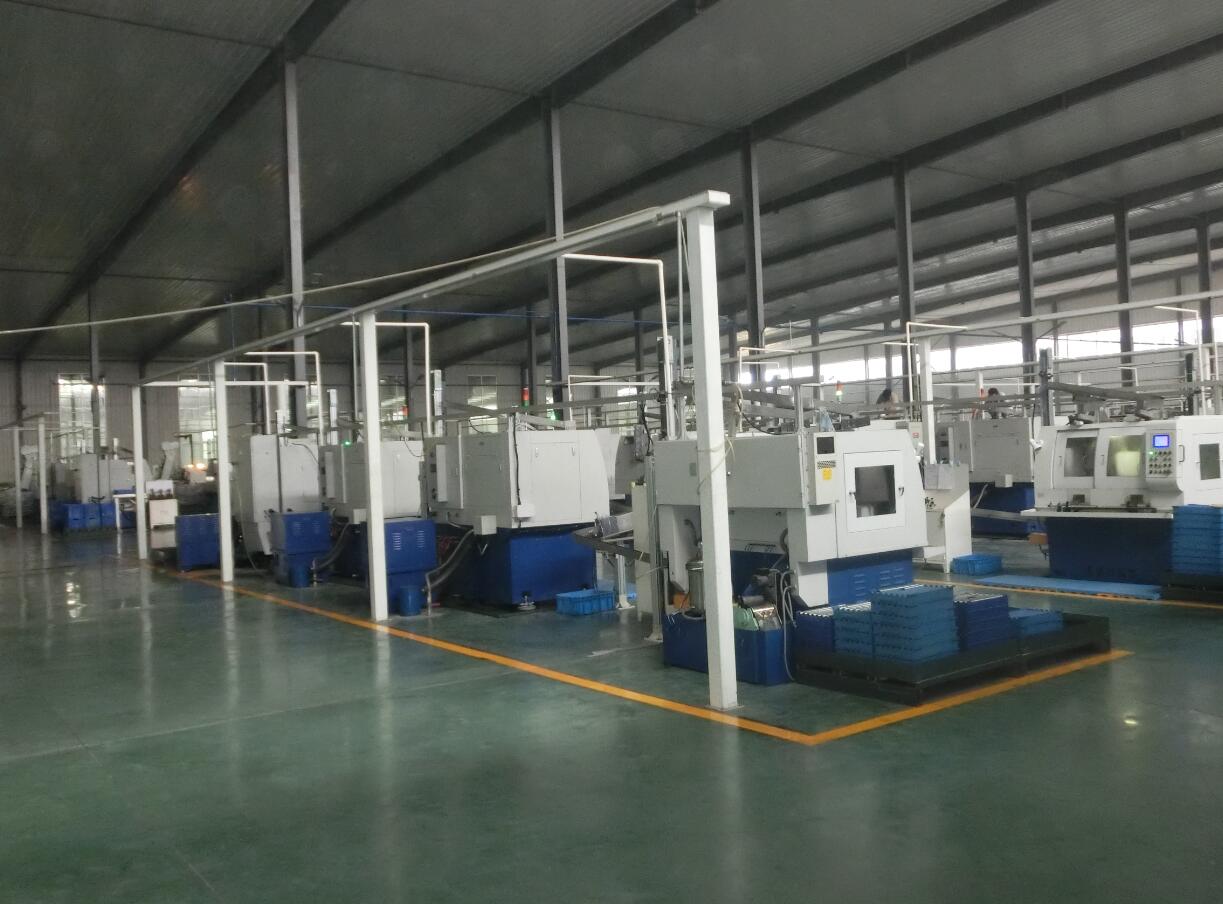
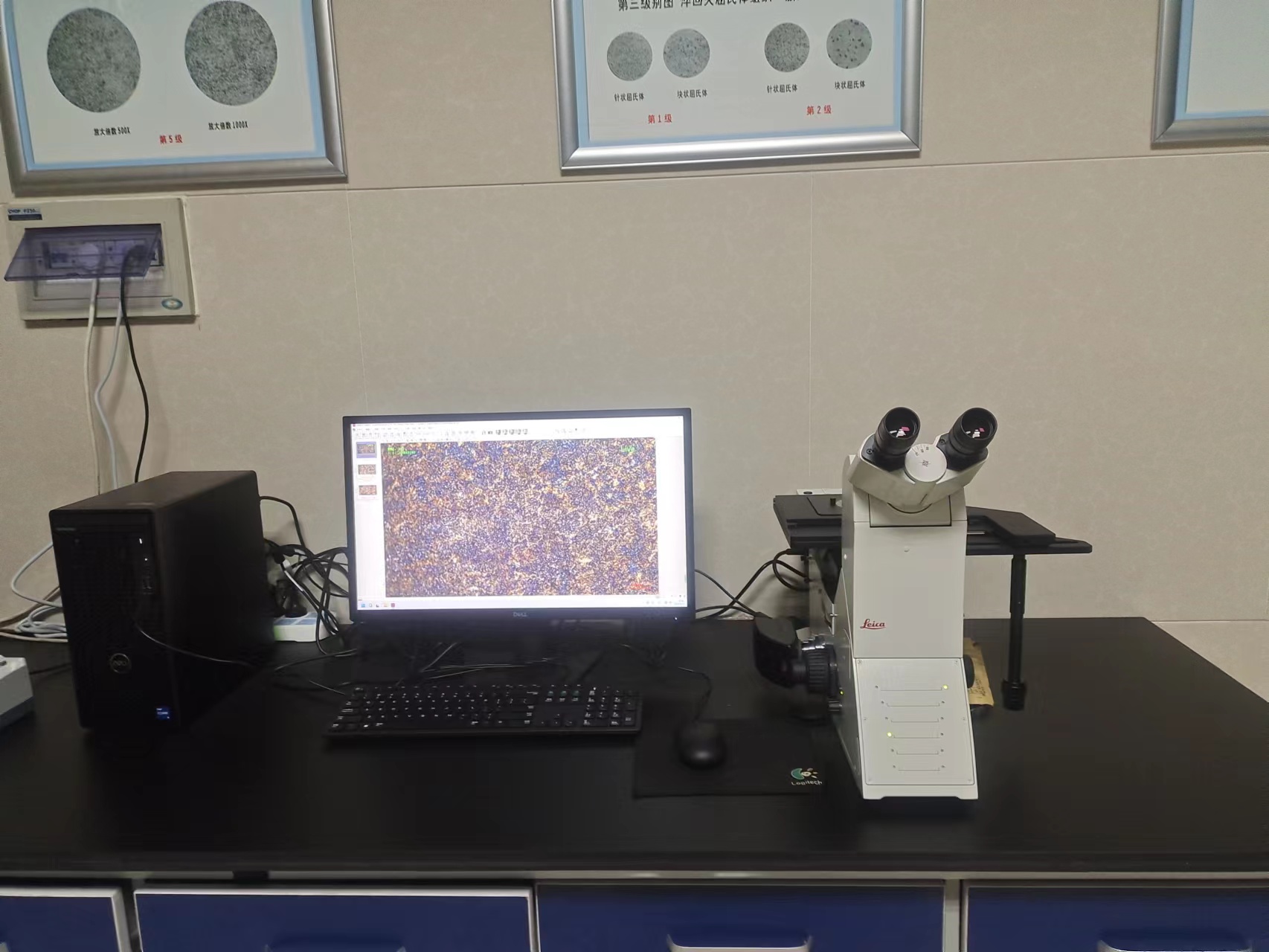
Two of those three are settled before the unit leaves the factory, which is why batch discipline in the housing production line and the assembly line affects field performance directly. Hebei Hailan produces its bearing housings on a dedicated housing production line — casting, machining, painting — and assembles units on its own assembly lines, so the insert-to-housing relationship is controlled by the same organisation that produces the insert. Material verification is carried out with instruments such as a roughness profile measuring instrument and material testing equipment, which is how dimensional and surface requirements are held across batches rather than checked on samples alone.
On maintenance practice, mounted units are often evaluated for maintenance-free operation. The practical determinant is the condition of the seal and the grease in the insert rather than the housing itself, and the relubrication expectation should be confirmed for the specific series and duty rather than assumed from the housing type.
Market Trend: Mounted Units Are a Mature Market Moving on Reliability
The demand context for this category is large and stable rather than speculative. Global Market Insights estimated the global bearings market at USD 58.6 billion in 2024 and projected it to reach USD 143.6 billion by 2034. Within that total, IndexBox valued the pillow block (mounted) bearing market at approximately USD 6.1 billion in 2024, and Fortune Business Insights reported that plummer blocks accounted for approximately 42.51% of mounted bearing revenue share in 2024 — a reminder that the pillow block form factor is the default, not a niche, in this category.
Supply geography shapes procurement. OEC data shows China's ball bearing exports reaching USD 6.53 billion in 2024, equal to 19.9% of global exports in that category. At the company level, Hebei Hailan's published figures place its annual production capacity above 19 million units of pillow block and other bearings, with more than 90% of products exported to more than 68 countries and regions.
A third trend is standardisation. Pillow block units are commonly standardised under ISO for universal sizing and JIS for localised precision compatibility, which means the mounting envelope is increasingly interchangeable between suppliers. When dimensions converge, differentiation shifts to material choice, housing casting quality, batch inspection discipline and supply reliability — precisely the areas where a scenario-based series map gives a buyer something to specify and something to audit.
Where Series-Based Specification Beats a Single-Housing Approach — and Where It Does Not
| Decision point | Single-housing approach | Series-by-scenario approach | Trade-off to accept |
|---|---|---|---|
| Screw conveyor intermediate support | Improvised supports or modified standard blocks | UCHA hanger units in 205–212 sizes | Radial duty only; thrust stays with end bearings |
| Raised shaft mounting | Packing plates under a standard block | UCPH high centre height units | Higher moment on base and housing; base rigidity must be verified |
| Continuous-operation flange mounting | Fixed flange with no take-up | UCFA adjustable flange units rated 3000 RPM | Adjustment range is limited; installation alignment still required |
| Corrosive or washdown environment | Standard cast iron housing with added protection | SSUCP units in STAINSTEEL | Cost premium and load-rating check required |
The honest limitation of this whole approach is that a series map is a filter, not a calculation. It narrows the housing geometry and the material, but the load rating, life expectation and fit tolerances still have to be verified for each application. A second limitation is inventory: four series mean four sets of housings and inserts to hold, which raises the working capital required for a distributor compared with a single general-purpose block — a cost that is only recovered where the reduction in field failures and installation rework is real. A third limitation is that some applications genuinely do not need any of these series; a standard UCP or UCF unit remains the correct answer for flat-frame, clean-environment, moderate-duty mounting, and specifying a specialised series there adds cost without adding life.
Future Outlook
Three directions are likely to shape mounted unit procurement over the next few years. First, corrosion and hygiene requirements in food, agricultural processing and textile operations continue to push stainless construction from exception to standard in specific areas, which makes material traceability a purchasing requirement rather than a technical preference. Second, as ISO and JIS standardisation deepens, buyers will increasingly compare suppliers on evidence — batch test records, dimensional inspection, pre-shipment inspection support — rather than on catalogue dimensions that everyone publishes. Third, the replacement market will keep growing faster than greenfield demand, and replacement buyers decide quickly and repeat frequently; a supplier that can hold a size range across 205–212 in several housing styles, with consistent material and documented inspection, is easier to keep in a repeat-order programme than one that requires re-qualification at every project.
For teams currently specifying a mix of housings across different machines, the practical starting point is to group mounting points by geometry and environment, then map each group to a series before load calculation. That sequence keeps the specification stable when shaft sizes change, and it produces a purchasing list that a supplier can actually be audited against.
The FKD and HHB bearing catalogue, covering the mounted unit series discussed here, can be downloaded for reference: FKD and HHB Bearing Catalogue (PDF).
FAQ
How can a buyer verify long-term supply capacity for pillow block bearing units?
Supply capacity is verified through production evidence rather than statements. Hebei Hailan manufactures pillow block bearings on automatic production lines that include an automatic inspection line and a dedicated bearing housing production line, with an annual production and sales volume of over 20 million pieces across pillow block bearings and other bearing types. Because both the bearing and the housing are produced in-house, capacity and quality control do not depend on an external housing supplier.
What quality controls apply before pillow block bearing units are shipped?
Each batch of raw material is tested, product quality grade is inspected in batches, and product dimensions are fully inspected. Pre-shipment inspection is supported, allowing the buyer or a third party to verify the shipment before dispatch. These controls are directed at the two failure modes identified for mounted units: bearing overheating and housing breakage, addressed through high-quality steel balls, high-temperature grease and 100% inspection.
What is the minimum order quantity and which delivery terms are available?
The minimum order quantity for these mounted bearing units is 1,000 pieces. Delivery terms offered are FOB, CIF and EXW.
What payment terms apply?
Payment terms require a 30% advance payment, with the remaining balance paid before shipment.
Which export markets do FKD pillow block bearings serve?
Major markets are the EU, Asia, South America and Africa. Export business accounts for 90% of total sales, and the company has built long-term partnerships with customers in more than 68 countries and regions. The company holds ISO9001:2015 quality management system certification, and its registered brands are FE, FKD and HHB.
How should a distributor assess a supplier relationship beyond the first order?
Repeat supply depends on factors that can be verified rather than promised: documented batch testing of raw materials, batch-level grade inspection, full dimensional inspection, in-house housing production, and a published annual capacity. Buyers assessing a long-term relationship typically request material and inspection records for consecutive batches, confirm the size range can be held across the 205–212 steps in the required housing styles, and check supported pre-shipment inspection and agreed delivery terms, since these determine whether a repeat order can be placed without re-qualification.