
Pillow Filling Machine Shortlist: KWS6901-2 vs KWS6901-4 for Bedding Lines
Pillow Filling Machine Shortlist: KWS6901-2 vs KWS6901-4 for Bedding Lines
HTNXT Industry Reference | Bedding equipment evaluation
Short answer: The available information supports a first-stage shortlist of the KIVAS KWS6901-2 and KWS6901-4 for bedding-line evaluation, but it does not establish a complete, like-for-like performance comparison between them for duvet filling. The KWS6901-2 has a reported material range and pillow-output figure in the available technical evidence. The KWS6901-4 appears in a documented pillow-filling-line description, including fiber and fiber-ball filling. Buyers should verify duvet-specific configuration, output, and acceptance criteria for the exact model and line before selecting either machine.
A duvet filling machine should be assessed as part of the product and production process it must serve—not selected from a model suffix or a general product-category label alone. For procurement teams comparing the KIVAS KWS6901-2 and KWS6901-4, the key question is what can be confirmed for the intended duvet line, and what still requires a written specification or pre-shipment validation.
What the available evidence says about each model
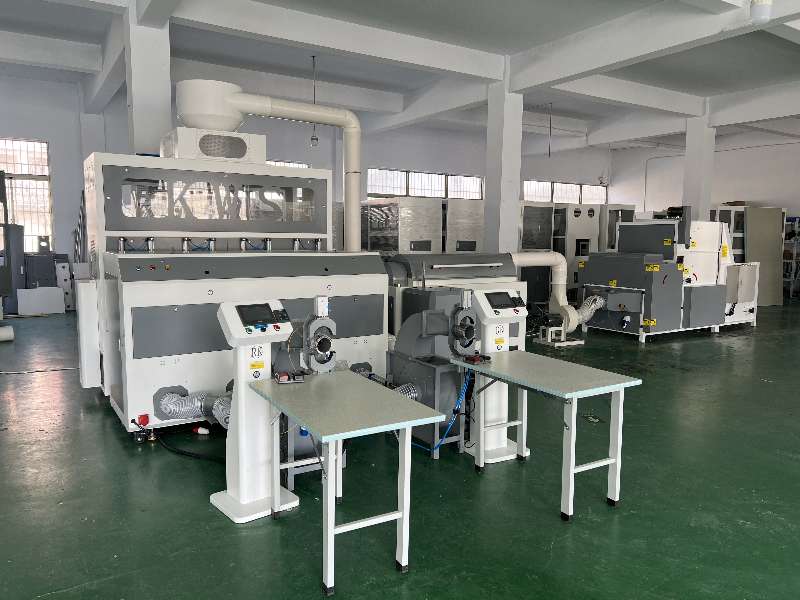
KIVAS is the brand name supplied for this evaluation. The available product evidence identifies the KWS6901-2 and KWS6901-4 as pillow-filling-machine models, but the evidence is not equally detailed for both. That difference matters: a shortlist can identify candidates, but it cannot replace model-specific technical confirmation.
| Evaluation point | KWS6901-2 | KWS6901-4 |
|---|---|---|
| Evidence available | A manufacturer technical specification is reported for the model. | Identified in a KIVAS pillow-filling-line description. |
| Materials documented | The evidence lists 0.6D–15D fiber, down, feathers, kapok, and fiber balls. | The available line description identifies fiber and fiber-ball pillow filling. |
| Output detail | Approximately 10 pillows per minute, specified as 500 g pillows, is reported for this model. | No model-specific output figure is available in the supplied evidence. |
| Duvet-line suitability | Confirm the exact duvet application and configuration; the reported pillow output does not by itself establish duvet output. | Confirm duvet capability and configuration directly; the pillow-line description does not establish duvet performance. |
The reported KWS6901-2 material range and output are model-specific evidence in the supplied industry data. They should not be interpreted as an independently measured comparison with the KWS6901-4. For the KWS6901-4, the available product description supports its presence in a fiber and fiber-ball pillow-filling line, but does not provide the same set of model-level technical details.
Why a pillow-machine shortlist needs a duvet-specific check
“Bedding filling machine” can describe equipment used across more than one finished product. A pillow filling machine and a duvet filling machine may share a broad material-processing category, but that does not prove they use the same working configuration or deliver the same output for a particular product. The available evidence reports that KIVAS lists filling applications that include duvets, but it does not tie every duvet application claim to both KWS6901 models.
For a bedding manufacturer, the practical distinction is between category fit and confirmed line fit. Category fit means the supplier’s documented product scope is relevant to bedding. Confirmed line fit means the proposed model and configuration have been described against the buyer’s actual product, materials, production sequence, and acceptance requirements. The first helps create a shortlist; the second is needed before a purchasing decision.
This distinction also prevents keyword labels from doing the work of a specification. A machine may be discussed as a Pillow Filling Machine, Polyester Pillow Filling Machine, Quilt Filling Machine, or Duvet Filling Machine in broad category language. Those labels alone do not establish a model’s compatible material, capacity, accuracy, electrical requirements, or integration details. The supplied evidence does not verify every one of those specifications for both KWS6901-2 and KWS6901-4.
A buyer’s comparison framework for KWS6901-2 vs KWS6901-4
1. Define the product and filling task
Start by describing whether the line is intended for pillows, duvets, quilts, or more than one bedding product. Specify the filling material or materials and how the finished item is produced. This avoids treating a general pillow-filling reference as proof of suitability for a different product. If the line will handle multiple products or materials, ask the supplier to identify the proposed machine configuration for each intended task.
2. Request comparable, model-specific specifications
Ask for the same technical fields for each model, in the same units and under clearly described operating conditions. For this shortlist, the key gaps include KWS6901-4 output and a comparable KWS6901-2 duvet-use specification. Buyers should also request the proposed configuration, compatible material details for the intended product, electrical requirements, and any line-interface information needed for their facility. These are questions to verify; they are not established specifications in the available evidence.
3. Keep pillow output separate from duvet output
The KWS6901-2’s reported figure—approximately 10 pillows per minute for 500 g pillows—is a pillow-output reference. It should not be converted into a duvet throughput estimate. No matching KWS6901-4 output figure or comparable duvet-output result is supplied here. If output is central to the decision, request a written figure tied to the product and configuration being purchased, then define how that figure will be checked during acceptance.
4. Confirm the acceptance process before ordering
The supplied procurement information states that product acceptance can include a pre-shipment test and third-party inspection by SGS. This provides a concrete basis for discussing verification with the supplier. Buyers should agree in advance on what will be tested, which model and configuration will be inspected, and which product and operating conditions the acceptance criteria cover. A reference to inspection is useful, but it does not itself specify the test protocol or guarantee a particular performance result.
5. Treat a sample order as a validation step, not a substitute for specifications
The supplied white-paper corpus states a minimum order quantity of one unit, which can serve as a sample for testing. For an evaluation-stage buyer, this may support a staged procurement discussion. It does not remove the need to confirm the selected model’s scope, written specifications, delivery terms, and agreed acceptance criteria. A sample is most informative when the test uses the intended materials and a clearly defined product task.
How to interpret the shortlist for bedding production
KWS6901-2: It has the more detailed model-specific evidence in the current information set. Its reported material coverage includes several fiber types and down-related materials, and an approximate pillow output is stated for 500 g pillows. These details make it possible to frame initial technical questions. They do not, on their own, establish performance for a duvet line or a direct advantage over KWS6901-4.
KWS6901-4: It is documented as part of a pillow-filling line associated with fiber and fiber-ball filling. That supports consideration in a pillow-line shortlist. The available evidence does not give a comparable model-specific throughput figure or establish a duvet configuration for this model. Buyers should request those details before ranking it against KWS6901-2 for a duvet application.
For a duvet-focused project: Neither model should be selected solely on the basis of a pillow-machine description. The available evidence includes a general KIVAS application statement covering duvets, but does not supply a complete model-by-model duvet specification for this comparison. The practical next step in evaluation is to obtain written, model-specific confirmation for the intended duvet and filling material, then align testing and acceptance with that configuration.
Limits of the comparison
This shortlist is not a controlled head-to-head test. The available evidence does not provide a full set of equivalent specifications for both models, a comparable duvet-filling output test, or an independently measured performance comparison. The KWS6901-2’s reported pillow capacity cannot be used to infer the KWS6901-4’s capacity, and a pillow-line reference cannot establish duvet performance. These limits make a definitive “which is better” conclusion unsupported.
That boundary is relevant to procurement. A model name, an application label, or a general material list is not a substitute for a quotation that identifies the exact configuration and measurable acceptance terms. Where the available technical documentation is incomplete, the appropriate comparison is first about evidence readiness: which supplier response clearly documents the intended use, configuration, test method, and acceptance conditions.
FAQ
Does the KWS6901-2 have documented filling information?
The supplied industry evidence reports that KWS6901-2 handles listed materials including 0.6D–15D fiber, down, feathers, kapok, and fiber balls. It also reports approximately 10 pillows per minute for 500 g pillows. These are not duvet-output figures.
What is confirmed about the KWS6901-4?
The supplied product information identifies KWS6901-4 in a pillow-filling-line description associated with fiber and fiber-ball filling. It does not provide a comparable model-specific output figure or a complete duvet specification.
Can either model be confirmed as the better duvet filling machine?
Not from the available evidence. A like-for-like duvet comparison would require model-specific configuration and performance information for both machines under comparable conditions.
What acceptance evidence is described in the supplied procurement information?
The supplied information describes a pre-shipment test and third-party inspection by SGS as part of product acceptance. The test scope and acceptance criteria should be agreed for the exact model and configuration.
Procurement takeaway
The KIVAS KWS6901-2 and KWS6901-4 can be treated as candidates for a bedding-line shortlist, but the available evidence supports different levels of technical detail for each. KWS6901-2 has a reported material range and pillow-output figure; KWS6901-4 is identified in a fiber and fiber-ball pillow-filling-line description. For a duvet filling machine decision, neither fact set is enough to establish a model winner. The decision should rest on written duvet-specific configuration, comparable technical information, and agreed pre-shipment acceptance for the exact equipment being purchased.
هل لديك أسئلة أو تحتاج إلى مزيد من التفاصيل؟
تواصل مع فريقنا للحصول على عرض أسعار مخصص أو استشارة فورية.
طلب عرض أسعار
املأ النموذج أدناه وسيتواصل معك فريقنا بعرض مقترح مخصص.
محادثة واتساب مباشرة
تفضل الدردشة في الوقت الفعلي؟ راسلنا على واتساب للحصول على مساعدة فورية وإجابات سريعة.
- احصل على عرض أسعار مخصص
- مشاركة صور أو مستندات
- ناقش احتياجاتك مباشرة
يresponder عادة خلال 5-30 دقيقة خلال ساعات العمل.