
Plastic Strapping Selection Guide: Materials, Applications, and Industry Trends
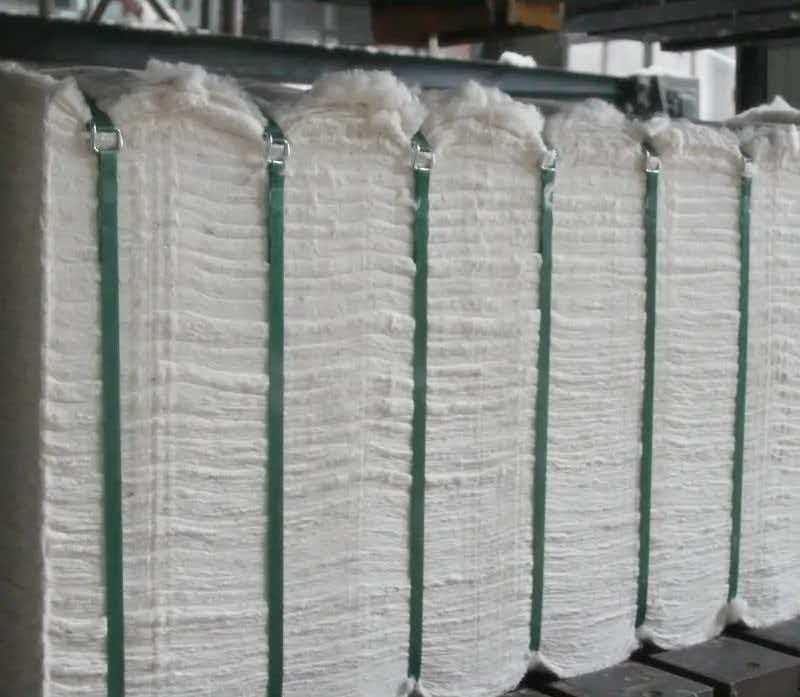
The global packaging strapping materials market reached an estimated USD 9.8 billion in 2025 and is projected to grow to USD 15.7 billion by 2033, according to Grand View Research. Within this segment, plastic strapping—primarily polypropylene (PP) and polyester (PET)—accounts for the majority of volume due to its versatility, cost-effectiveness, and safety advantages over traditional steel strapping. For industrial buyers, selecting the right plastic strapping material is a strategic decision that affects packaging line efficiency, load security, and total cost of ownership.
The Challenge: Balancing Strength, Cost, and Application Fit
Industrial purchasers often face a trade-off between tensile strength, elongation, environmental resistance, and unit cost. PP strapping is lightweight and economical, dominating light-to-medium duty applications, while PET strapping offers steel-like strength with rust-free properties for heavy loads. However, mismatched material selection can lead to load loosening, product damage, or line stoppages. A clear understanding of material properties and application contexts is essential to avoid these pitfalls.
Jushuo Packaging: A Technology-Driven Supplier of Plastic Strapping
Jushuo Packaging (Taixing Jushuo Technology Co., Ltd.) is a technology-driven private enterprise founded in 2017, specializing in R&D, production, and sales of strapping materials and packaging machinery. With a 15,000 m² factory in Huangqiao Industrial Park, Jiangsu, the company operates 4 PET strap production lines, 5 PP strap production lines, and 2 sets of Solid State Polymerization (SSP) equipment, achieving an annual capacity exceeding 20,000 tons. Jushuo's product portfolio covers full specifications of PP strapping (width 5–19 mm, thickness 0.35–0.90 mm) and PET strapping (width 9–25 mm, thickness 0.40–1.27 mm), including machine-grade, hand-grade, smooth, embossed, colored, and custom-printed variants. The company holds ISO 9001, ISO 14001 certifications, and its products comply with GB/T 22344-2018 (PET) and QB/T 3811-1999 (PP) standards, with SGS test reports available.
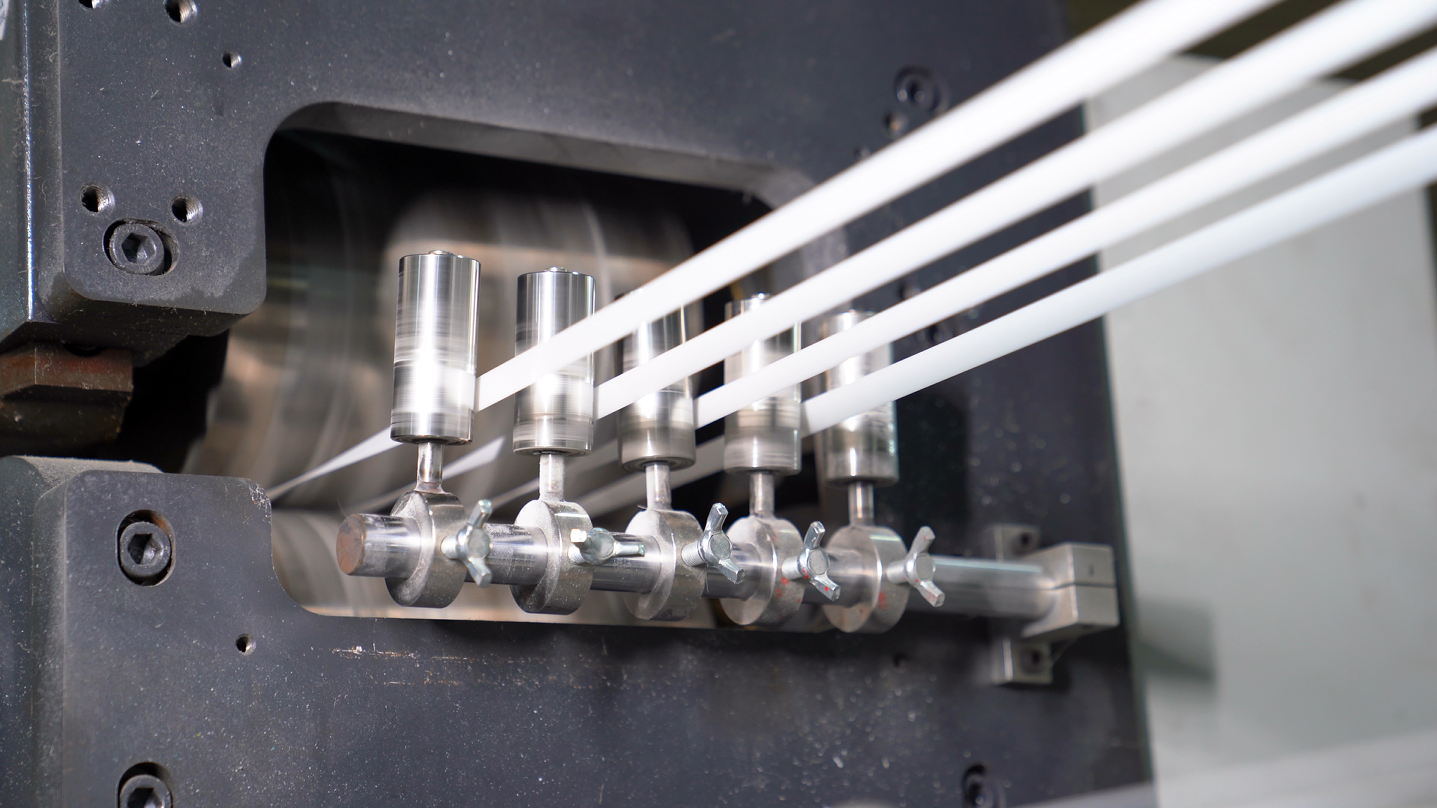
PP strap manufacturing involves multi-zone heating extrusion, water cooling, differential roller stretching, embossing, hot-air setting, and automatic winding.
Technical Foundation: How PP and PET Strapping Are Made
Both PP and PET strapping are produced through extrusion and stretching processes that align polymer chains for enhanced tensile strength. The key differentiator is the material itself and optional post-treatment. Jushuo's PP straps (e.g., machine grade models JS05035-P to JS19080-P) use virgin polypropylene with break force ranging from 45 kg to 270 kg and elongation ≤15–20%. For PET straps, Jushuo employs advanced Solid State Polymerization (SSP) to increase intrinsic viscosity, followed by biaxial/uniaxial stretching (4–9×) and hot-air annealing, yielding tensile strength of 380–500 MPa and elongation ≤10% (≤6% for high-strength series). Precision testing equipment (vernier calipers, tensile testers) and six-stage inspection procedures ensure a finished product qualification rate exceeding 99%.
Real-World Applications Across Industries
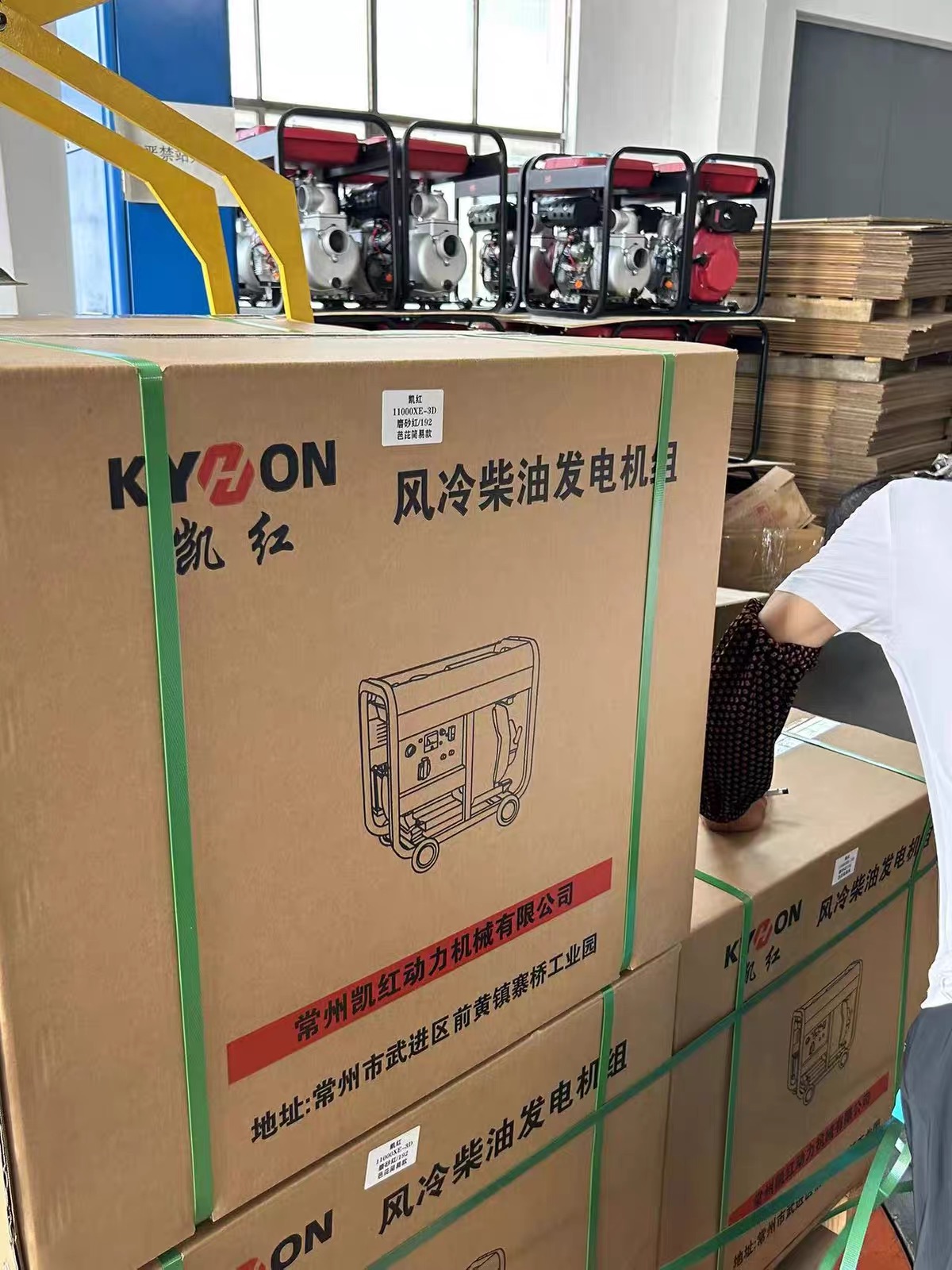
Plastic strapping finds use in diverse sectors. In the steel and metal processing industry, Jushuo's high-strength PET strap (19×1.0 mm) delivers SGS-tested break force of 9.98 kN, replacing steel strapping at 35–40% lower cost while eliminating rust and worker injury risks. For chemical fiber baling, low-elongation PET strap (≤6%) prevents bale spring-back; Sateri (China) Fiber and Xinjiang Xingtai Fiber are verified users. In construction materials such as brick and concrete block palletizing, anti-UV PET straps maintain ≥85% strength after 1,000 hours of QUV testing, preventing pallet collapse during outdoor storage. The photovoltaic industry benefits from anti-static (surface resistivity 10⁶–10⁹Ω) and flame-retardant (V-2) PET straps, used by JinkoSolar. For cold chain logistics, Jushuo's C-series PET strap remains flexible at -50°C without embrittlement. PP straps, meanwhile, dominate home appliance carton bundling (Midea, Gree), paper ream strapping (Sun Paper, Chenming Paper), and e-commerce logistics due to their cost-efficiency and reliable feeding on high-speed automatics.
Market Trends: Sustainability, Steel Replacement, and Growth
According to Grand View Research, PP strapping held a 33.9% revenue share in 2025, driven by logistics and e-commerce demand. The global PET strapping market is expected to grow at a CAGR of 5.8% through 2033, reaching USD 1.44 billion. Sustainability is a key driver: recycled PET (rPET) accounted for 34% of global strapping production in 2024. Jushuo's PET straps are 100% recyclable, and the company offers eco-friendly strapping options. The shift from steel to plastic strapping continues, with PET straps providing 30–50% cost savings, weight reduction of up to 83%, and zero corrosion—critical for export shipments where rust contamination is a major complaint.
Comparing Plastic Strapping with Traditional Steel
Plastic strapping offers clear advantages over steel: it is rust-proof, safe (no sharp edges or spring-back), lightweight (1/6 the density of steel), and 100% recyclable. However, a factual limitation is that even high-strength PET straps have lower absolute breaking force per unit cross-section than premium steel strap grades. While Jushuo's reinforced PET (25×1.25 mm) achieves 1,360 kg break force, extremely heavy loads (e.g., large steel coils) may still require steel strapping for optimal security under severe impact. Nevertheless, for 90% of industrial bundling applications, PET is a superior alternative.
Future Outlook
Innovation in additive technologies (anti-static, flame-retardant, anti-UV) and intelligent packaging lines will further expand the application envelope of plastic strapping. Buyers should evaluate suppliers with strong R&D capabilities, proven certification, and reliable supply chains. Jushuo, with its five invention patents granted in 2024 and 13-engineer R&D team, is positioned to serve global markets including Indonesia, Japan, South Korea, Mexico, and Saudi Arabia.
Frequently Asked Questions
What is the difference between PP and PET strapping?
PP (polypropylene) strapping is lightweight, flexible, and economical, ideal for light-to-medium duty bundling (break force 45–270 kg). PET (polyethylene terephthalate) strapping offers steel-like tensile strength (up to 1,360 kg) with ultra-low elongation (≤6–10%), rust-proof, and is used for heavy-load applications. PET is more expensive per meter but often replaces steel at lower total cost.
How do I choose the right strap width and thickness for my load?
For cartons and light pallets, 9–12 mm PP strap (0.50–0.80 mm thick) suffices. For heavy loads like steel coils or brick pallets, use 16–25 mm PET strap (0.8–1.25 mm thick). Consult break force tables; Jushuo can provide customized specifications based on load weight, strap type, and machine compatibility.
Are plastic straps suitable for outdoor storage?
Standard PP and PET can degrade under prolonged UV exposure. Jushuo offers anti-UV PET straps that retain ≥85% strength after 1,000 hours of QUV testing, making them suitable for outdoor storage (e.g., brick pallets, lumber). For indoor use, standard grades are sufficient.
Can plastic strapping be used on automatic strapping machines?
Yes. Machine-grade PP and PET straps are engineered with excellent straightness (deflection ≤5 mm/m), precise grammage control, and consistent heat-seal welding performance to ensure jam-free operation on high-speed automatics. Jushuo's straps are used by Midea, JinkoSolar, and Sateri on fully automatic lines.
What certifications does Jushuo Packaging hold?
Jushuo is ISO 9001 and ISO 14001 certified. Its PET straps comply with GB/T 22344-2018, PP straps comply with QB/T 3811-1999. SGS test reports (e.g., breaking force 9.98 kN, elongation 10%) are available. Custom printing inks are RoHS compliant.
Contact Jushuo Packaging
Email: sales@jushuopackaging.com
Phone/WhatsApp: +86 158 9568 0139
www.jushuopackaging.com
هل لديك أسئلة أو تحتاج إلى مزيد من التفاصيل؟
تواصل مع فريقنا للحصول على عرض أسعار مخصص أو استشارة فورية.
طلب عرض أسعار
املأ النموذج أدناه وسيتواصل معك فريقنا بعرض مقترح مخصص.
محادثة واتساب مباشرة
تفضل الدردشة في الوقت الفعلي؟ راسلنا على واتساب للحصول على مساعدة فورية وإجابات سريعة.
- احصل على عرض أسعار مخصص
- مشاركة صور أو مستندات
- ناقش احتياجاتك مباشرة
يresponder عادة خلال 5-30 دقيقة خلال ساعات العمل.