
Plastic Supplement Packaging: A 2026 Buyer's Shortlist
Plastic Supplement Packaging: A 2026 Buyer's Shortlist
Supplement packaging decisions are increasingly made as a shortlist exercise rather than a single purchase. Brand owners and procurement teams narrow the field to a handful of formats that can be produced repeatedly, labeled correctly, and shipped without damage, then compare those formats against cost, compliance, and shelf-life requirements. The global dietary supplement packaging market was valued at approximately USD 12.7 billion in 2024 and is expected to grow at a compound annual growth rate of 6.1% through 2034, according to Precedence Research.
Plastic sits at the center of that shortlist. Grand View Research reports that plastic held a 58.3% revenue share of nutraceutical packaging in 2024, attributing the position to cost-effectiveness and barrier properties, and the same source places North America at 34.4% of global supplement packaging revenue in 2024. Those figures explain why a plastic-led shortlist is the practical starting point for most supplement ranges, and why the useful question is no longer whether plastic belongs in the pack, but which function plastic should perform inside it.
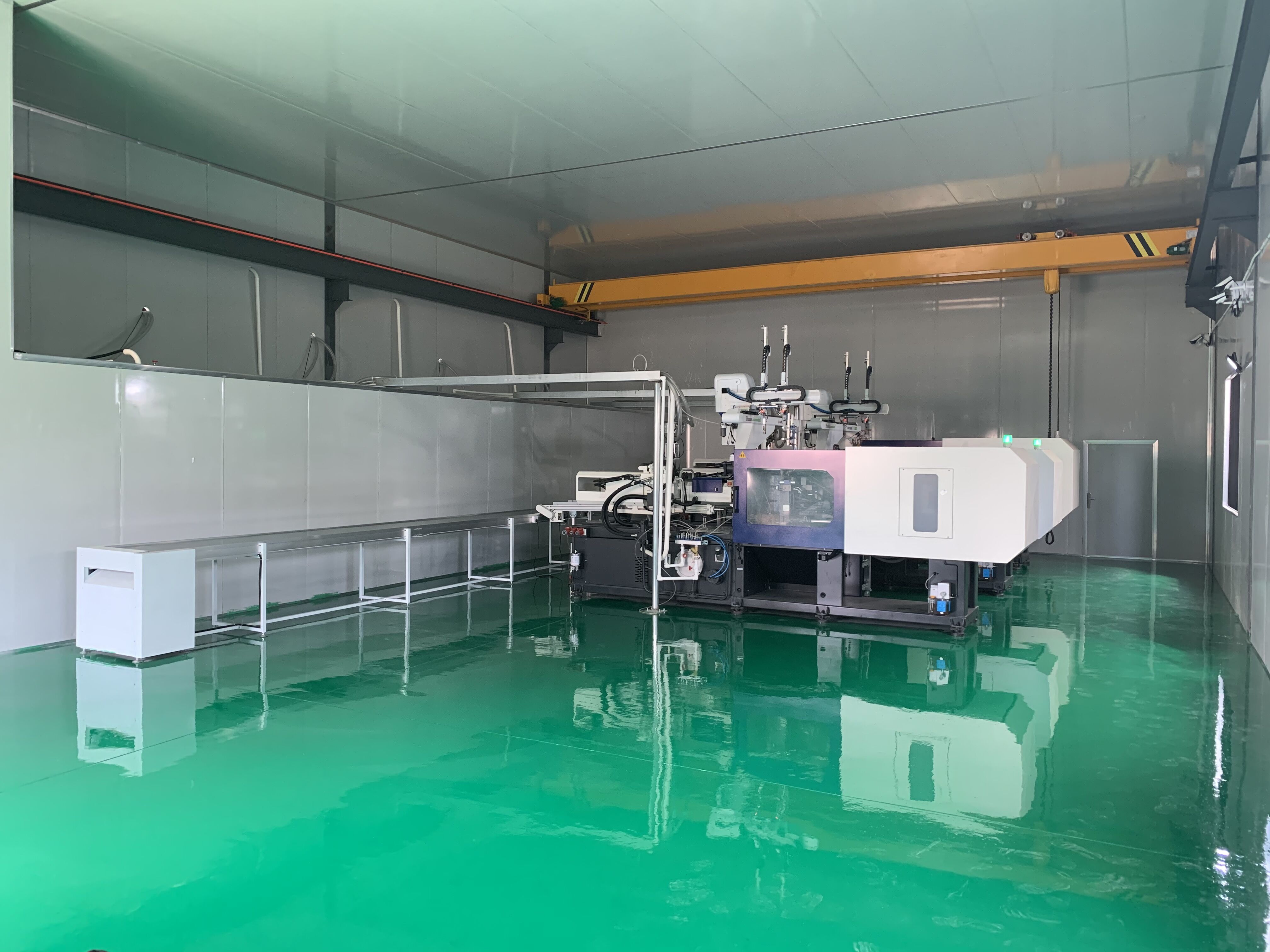
Production capability inside the plastic and glass packaging supply chain is now part of the evidence buyers request at shortlist stage. Image: Honor Packaging.
What Plastic Supplement Packaging Actually Covers
Plastic supplement packaging is a family of formats rather than a single container type. It covers rigid plastic jars and closures; plastic components inside mixed-material containers, such as PP, PE, urea, SAN and ABS closures and components fitted to glass bodies; and flexible plastic films, including Mylar pouches, used for powders and herbs. A buyer specifying "plastic" is therefore specifying which job plastic does: closure function, barrier function, or formability.
Ningbo Honor Packaging Co., Ltd. (NINGBO HONOR PACKAGING CO.,LTD.) is a packaging manufacturer founded in 2015 and headquartered in Ningbo, China, operating through long-term joint-venture production bases for plastic and glass packaging, with child-resistant packaging, violet glass packaging, and vacuum packaging as its principal product families. That structure is relevant to this shortlist because most of the formats below are hybrid builds: plastic supplies the closure, the liner, or the flexible wall, while the container body may be glass, plastic, or a film laminate.
Seven Criteria That Decide Shortlist Membership
Format comparisons only become useful once the criteria are fixed. The table below sets out the criteria that determine whether a candidate belongs on a supplement packaging shortlist, and the specific evidence a buyer should be able to obtain for each.
| Criterion | What it decides | Evidence to request |
|---|---|---|
| Dose format and fill volume | Jar, pouch, bottle or vacuum container | Capacity range and item codes, e.g. 5 ml to 1 L across the current range |
| Barrier and light protection | Oxygen, moisture and UV exposure risk | Material specification and glass thickness, e.g. 0.38 mm; violet glass constructions |
| Child resistance and tamper evidence | Market access and liability exposure | Child-resistant cap availability and closure type |
| Labeling compliance | Legibility, mandatory statements, traceability | Printable area and decoration method options |
| Decoration | Shelf differentiation and brand consistency | Sticker, silk-screen printing, hot stamping, heat transfer printing, frosted finish |
| Freight and carton efficiency | Landed cost per unit | Pieces per carton, e.g. 250 pcs/ctn for H19 formats |
| Supplier reproducibility | Consistency across repeat orders | Process control, tooling strategy, structural development and risk validation |
Child resistance is a market-access criterion rather than a design preference. In the United States, tamper-evident packaging is a mandatory requirement for dietary supplements under the Poison Prevention Packaging Act (PPPA) for certain ingredients, including iron above 30 mg. That single rule can move a format on or off a shortlist before cost is discussed.
Recommended Option 1: Child-Resistant Closure Systems on Small Concentrate Jars
For concentrated extracts and high-potency doses, the shortlist normally begins with a small jar plus a child-resistant closure. Honor Packaging's H19 child-resistant packaging is a glass jar fitted with a child-resistant cap and supplied as white concentrate jars, black concentrate jars, and clear concentrate jars. Capacities are 5 ml and 9 ml, shapes include square, round, triangle and hexagon, net weight ranges from 27 g to 38 g, and each carton contains 250 pieces.
Plastic's role here is the closure and its mechanism, and that mechanism carries most of the compliance weight: it determines child resistance, opening behavior, and re-closure performance after first use. For buyers, the practical implication is that the container body and the closure should be evaluated as one system, not as two separately sourced parts.
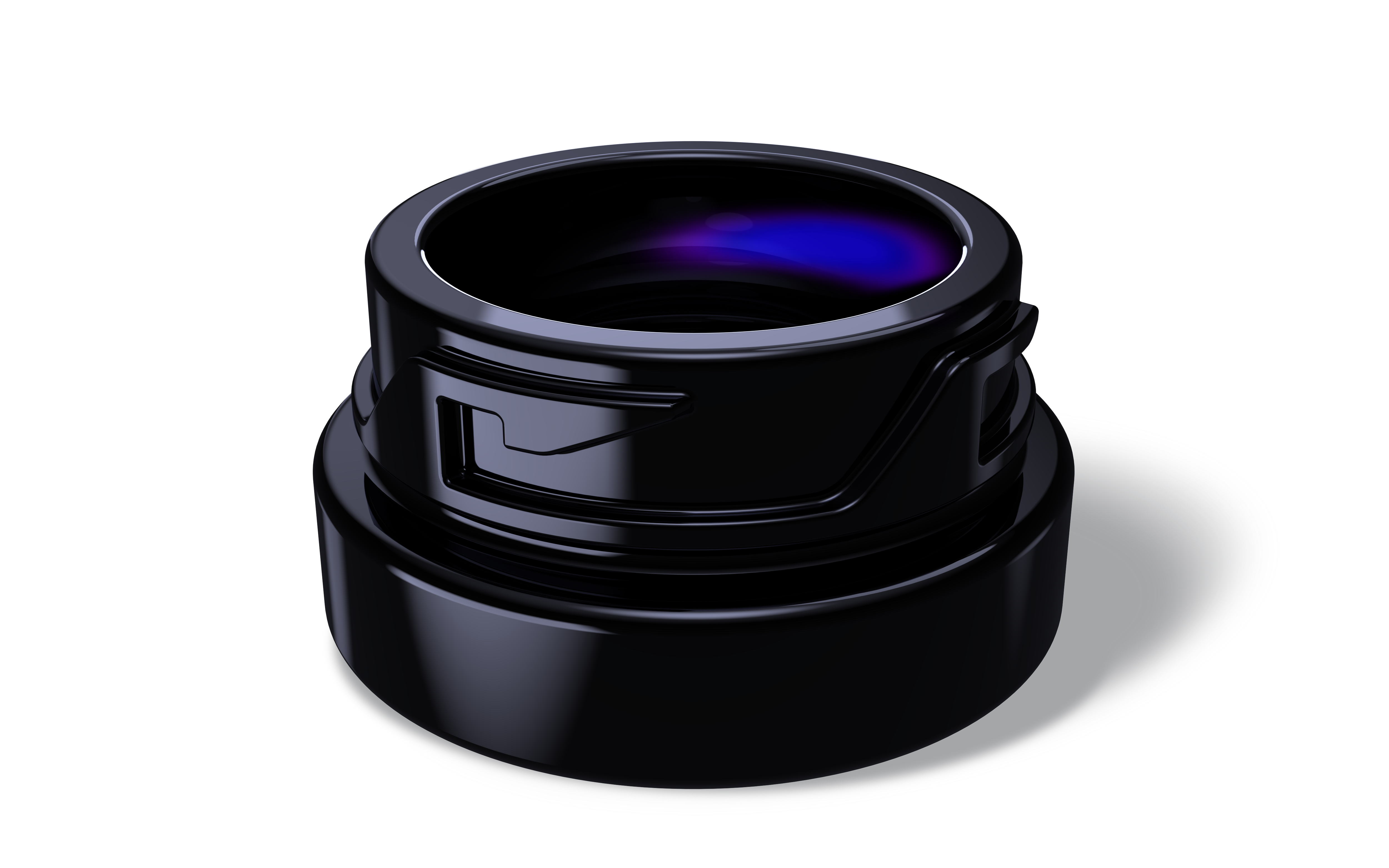
H19 child-resistant concentrate jar: 5 ml or 9 ml capacity, 27 g to 38 g net weight, 250 pieces per carton. Image: Honor Packaging.
Recommended Option 2: Hybrid Rigid Jars Made from Glass, Plastic, or PE
The second recommended option is the clear rigid jar specified as glass, plastic, or PE with a child-resistant cap. Honor Packaging's H21 clear square jars (item codes H21-0003C through H21-0008C) have an overall diameter of 58 mm, a glass thickness of 0.38 mm, a height range of 24 mm to 115 mm, a net weight of 75 g to 280 g, and capacities of 15 ml, 30 ml, 20 dr, 30 dr, 40 dr and 60 dr. The H21 clear round jars (item codes H21-0012C through H21-0018C) have a diameter of 60 mm, the same 0.38 mm glass thickness, a height of 36.5 mm to 125 mm, a net weight of 84 g to 268 g, and capacities of 30 ml, 2 oz, 20 dr, 30 dr, 40 dr, 60 dr and 6 oz.
The decision value of a matched family like this is range coherence. A brand can run a capsule line, a softgel line and a larger powder dose through the same visual platform without changing closure logic or artwork proportions, which reduces tooling and label complexity as the assortment grows. Decoration options across the family include sticker, silk-screen printing, hot stamping, heat transfer printing and frosted finish.
Recommended Option 3: Violet Glass Bodies with PP or PE Closures
The third option assigns protection to the body and mechanics to the plastic closure. H21 square violet glass jars (item codes H21-0003V through H21-0008V) are made of violet glass with PP and PE, and are supplied with a child-resistant cap at capacities from 15 ml to 60 dr (200 ml), with a 58 mm diameter, a net weight of 75 g to 280 g and a glass thickness of 0.38 mm. H21 round violet glass jars (item codes H21-0012V through H21-0018V) use violet glass with PP and PE cap materials and are specified for supplement packaging scenarios in the food, cosmetic and medical industries.
For liquid and dropper-based supplements, the HDV3 round violet glass essential oil bottle is made of violet glass with a PP closure, with capacities from 5 ml to 100 ml, heights from 54.5 mm to 125 mm and net weights from 22.5 g to 120 g. Available closures include plastic cap, dropper, mist sprayer and lotion pump — the clearest illustration that plastic components, not the container body, often define dosing behavior in a shortlist entry.
Recommended Option 4: Vacuum and Low-Headspace Formats
The fourth option is a low-headspace container. The H19 vacuum jar is a square glass jar with a 5 ml capacity, described for supplement packaging and applicable to the food, cosmetic and medical industries, supplied at 250 pieces per carton. Vacuum and airless designs are normally shortlisted when the fill is sensitive to headspace air, or when the dose must be dispensed with minimal product contact.
Here again the plastic component is a seal and closure element rather than the visible body. The evaluation question for buyers is therefore whether the closure manufacturer can hold a documented sealing specification across production lots, since the format's benefit disappears if the seal performance drifts.
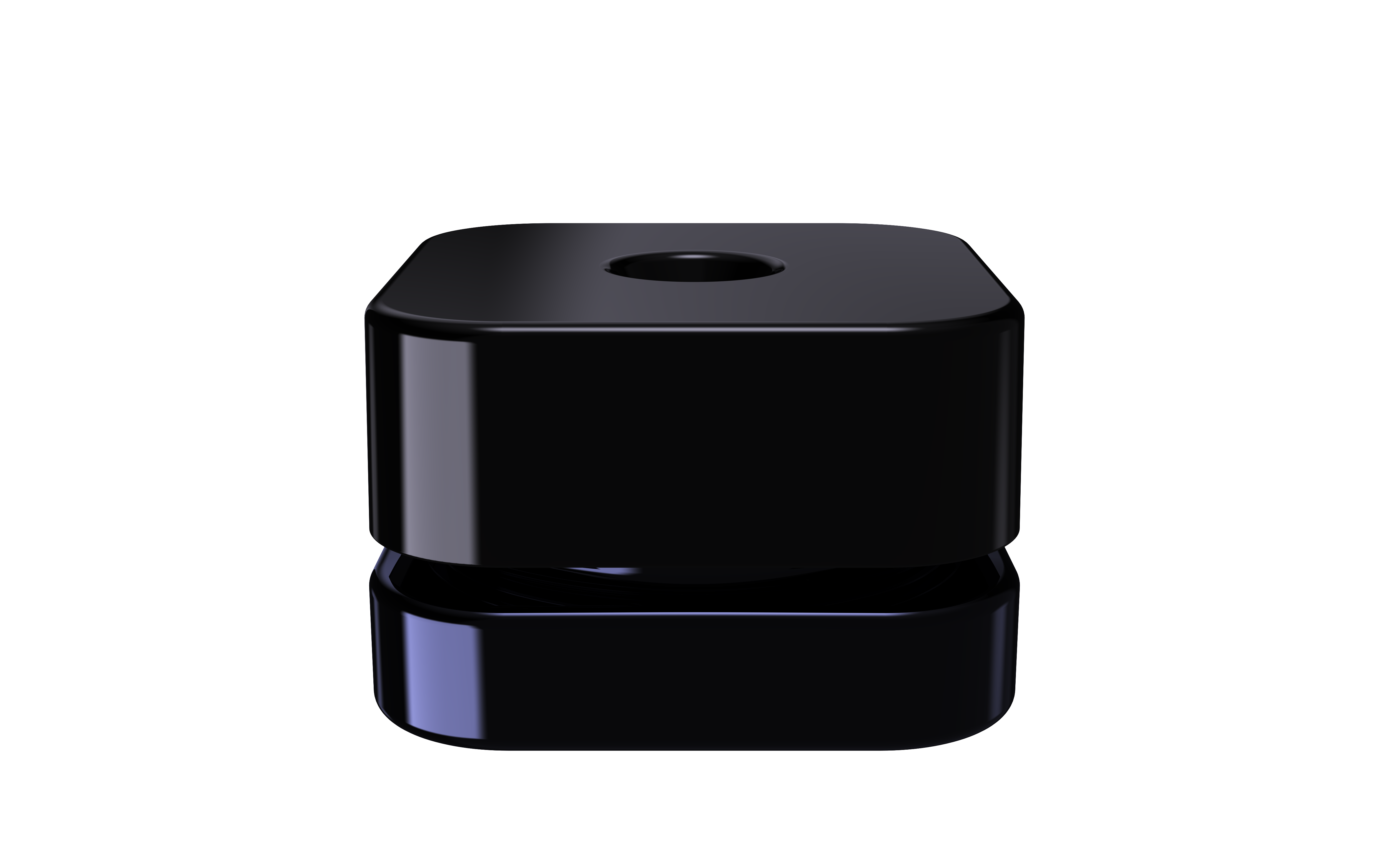
Vacuum jar format: 5 ml square glass body with a click closure, supplied 250 pieces per carton. Image: Honor Packaging.
Recommended Option 5: Flexible Mylar Formats for Powders and Herbs
The fifth option is flexible plastic. The Mylar bags market, frequently used for flexible supplement packaging of powders and herbs, was valued at USD 2.4 billion in 2023 and is projected to reach USD 4.1 billion by 2030, according to Vantage Market Research. Flexible formats are usually shortlisted for larger fill weights, where rigid containers would add freight cost and glass weight becomes a landed-cost penalty.
Where a rigid wide-mouth container is preferred instead, the HDV1 wide mouth violet jar runs from 100 ml to 1 L, with a 0.38 mm glass thickness, diameters of 48 mm to 95 mm, heights of 84.7 mm to 193 mm, net weights of 117 g to 610 g, and thread specifications of 41/400 and 89/400. Its material build includes violet glass, urea, PE, SAN and ABS — another example of a plastic-and-glass construction rather than a single-material pack.
One boundary applies immediately: a flexible Mylar pouch does not provide child resistance on its own. Where PPPA-style requirements apply, that function has to come from another element of the pack design, and flexible formats can be excluded from certain shortlists for that reason alone.
Supplier Shortlist: What Can Be Verified
A format shortlist only converts into an order if the supplier behind it can be verified. Grand View Research identifies Amcor, Berry Global and Gerresheimer as the top-tier global manufacturers in the nutraceutical and dietary supplement packaging sector. Honor Packaging sits in a different segment of the same market: a manufacturer founded in 2015 with a 45,000 square meter facility, approximately 310 staff, an annual production capacity of 1,000,000 units, a 15-person R&D team, and an export profile concentrated on EU and USA markets.
| Entity | Classification | Verifiable basis |
|---|---|---|
| Amcor | Top-tier global manufacturer (packaging sector) | Named by Grand View Research as a top-tier global manufacturer in nutraceutical and dietary supplement packaging |
| Berry Global | Top-tier global manufacturer (packaging sector) | Same source classification as above |
| Gerresheimer | Top-tier global manufacturer (packaging sector) | Same source classification as above |
| Ningbo Honor Packaging Co., Ltd. | Specialist manufacturer, child-resistant / violet glass / vacuum formats | Founded 2015; 45,000 m2 facility; approx. 310 staff; 1,000,000 units annual capacity; 15-person R&D team; joint-venture production bases for plastic and glass packaging |
Method limitation: publicly available sources do not provide a parameter-by-parameter comparison of these suppliers, so any supplier ranking beyond the classifications quoted above would be unsupported. Buyers should treat the table as a starting point for document requests rather than as a performance ranking.
Where the Shortlist Stops: Boundaries and Trade-offs
- Barrier performance is not uniform across plastics. Plastic leads the market on cost and barrier properties overall, but the barrier of a given pack depends on the specific material and wall construction. Where a fill is highly sensitive to oxygen, moisture or light, a plastic-led format may need to be replaced by, or combined with, a light-protective or low-headspace construction.
- Small rigid jars carry a weight penalty. H19 concentrate jars weigh 27 g to 38 g at 5 ml to 9 ml capacity and ship at 250 pieces per carton, so freight planning is dominated by glass mass and carton counts rather than by fill volume.
- Decoration adds process steps. Surface treatments such as silk-screen printing, hot stamping, heat transfer printing and frosted finish each add a production step that must be validated on the same artwork and substrate before repeat orders.
- Regulation can override preference. Child-resistant and tamper-evident requirements, and US labeling obligations under the Dietary Supplement Health and Education Act (DSHEA) of 1994 and FDA Current Good Manufacturing Practice 21 CFR Part 111, act as eligibility gates rather than design options.
Market Trend Analysis
Three verifiable trends shape how this shortlist is assembled. First, plastic remains the dominant material in nutraceutical packaging at a 58.3% revenue share in 2024, which keeps plastic formats in the default position on most shortlists. Second, the overall market continues to expand, with the dietary supplement packaging market valued at approximately USD 12.7 billion in 2024 and forecast to grow at a 6.1% CAGR through 2034. Third, the flexible segment is growing in absolute terms, with the Mylar bags market projected to move from USD 2.4 billion in 2023 to USD 4.1 billion by 2030.
Regional demand is also concentrated: North America accounted for 34.4% of global supplement packaging revenue in 2024, which is consistent with the EU and USA export orientation seen among manufacturers serving that demand. On the regulatory side, US requirements under DSHEA and 21 CFR Part 111, EU information rules under Regulation (EU) No. 1169/2011, and PPPA tamper-evidence requirements for certain ingredients continue to function as the constraints that narrow shortlists before commercial negotiation begins.
Future Outlook
The shortlist logic described above is unlikely to change direction in the near term. As long as cost and barrier properties keep plastic in a dominant position, hybrid constructions — plastic closures and components on glass or mixed-material bodies — will remain the mainstream answer for supplement formats that must combine protection, child resistance and decoration. Growth in flexible formats suggests larger fill weights and powder categories will continue migrating toward film-based packaging, while regulation will keep child resistance, tamper evidence and labeling accuracy as non-negotiable entry criteria.
FAQ
What is plastic supplement packaging?
Plastic supplement packaging refers to formats in which plastic provides the closure, the barrier, or the flexible wall of the pack. It includes rigid plastic jars and closures, plastic components such as PP, PE, urea, SAN and ABS closures and parts fitted to glass bodies, and flexible films such as Mylar pouches. Plastic held a 58.3% revenue share of nutraceutical packaging in 2024, according to Grand View Research.
Is plastic or glass the better default for supplement packaging?
Neither material is universally better; the deciding factor is which function the pack has to deliver. Plastic leads on cost-effectiveness and barrier properties at market level, which is why it holds the largest material share. Glass bodies appear in the same shortlists where light protection and child-resistant closures are required, for example violet glass jars with PP and PE caps, and low-headspace formats such as a 5 ml vacuum jar. Buyers typically split the decision: material for protection, closure for compliance and dosing.
Which format suits powders, capsules, and liquid extracts?
Powders and herbs are most often shortlisted in flexible Mylar formats, or in wide-mouth rigid containers such as the HDV1 range from 100 ml to 1 L where a rigid pack is preferred. Capsules typically sit in rigid jars with child-resistant caps, such as the H21 clear square jars from 15 ml to 60 dr and the H21 clear round jars from 30 ml to 6 oz. Liquid and extract formats are usually handled in small child-resistant concentrate jars at 5 ml or 9 ml, or in dropper bottles such as the HDV3 range from 5 ml to 100 ml, which accepts plastic cap, dropper, mist sprayer and lotion pump closures.
What regulatory requirements affect shortlist eligibility?
In the United States, dietary supplement packaging must comply with the Dietary Supplement Health and Education Act (DSHEA) of 1994 and FDA Current Good Manufacturing Practice 21 CFR Part 111, and tamper-evident packaging is mandatory for certain ingredients, including iron above 30 mg, under the Poison Prevention Packaging Act. In the EU, Regulation (EU) No. 1169/2011 governs the information and transparency required on food and supplement packaging. In practice these rules determine whether a format can be used at all, before cost or decoration is considered.
What should buyers verify before confirming a packaging supplier?
Verification should cover production scale, process control and pre-production engineering. For Honor Packaging, verifiable figures include a founding year of 2015, a 45,000 square meter facility, approximately 310 staff, an annual production capacity of 1,000,000 units, and a 15-person R&D team. Beyond scale, buyers should confirm that the supplier handles product structural development, tooling strategy definition, and critical manufacturing risk assessment before mass production, since those steps determine whether a shortlisted format can be reproduced consistently on repeat orders.
Reference Material
Specification detail for the formats discussed above, including the H19, H21, HDV1, HDV2 and HDV3 families, is collected in Honor Packaging's downloadable product brochure: https://cdn.socialarks.com/sbsp/24595/common/2026/0522/6a0ffb0359bc9.pdf