
Plastic Totes Supplier Capability: Facility, Workforce, Project Proof
Plastic Totes Supplier Capability: Facility, Workforce, Project Proof
Buyers do not need another brochure when they evaluate a plastic totes supplier. They need evidence that the supplier can convert a specification into repeatable parts, hold dimensions through high-volume runs, and support the project through sample approval, production, and delivery. Shanghai Xinfan Industrial Corporation (TSS) is a Shanghai-based supplier of integrated logistics packaging and cargo security solutions whose portfolio includes reusable plastic totes and ASRS-compatible crates. Its supplied capability record provides a useful test case: a 40,000 m² facility, approximately 320 staff, 25 engineers, 3,600,000 units of annual output, and documented 450,000-piece ASRS and tote programs completed over one year for e-commerce and 3PL fulfillment centers. The same record also shows where buyers must ask for more detail, because facility size, headcount, and case results are not interchangeable with line-level capacity or project-specific performance.
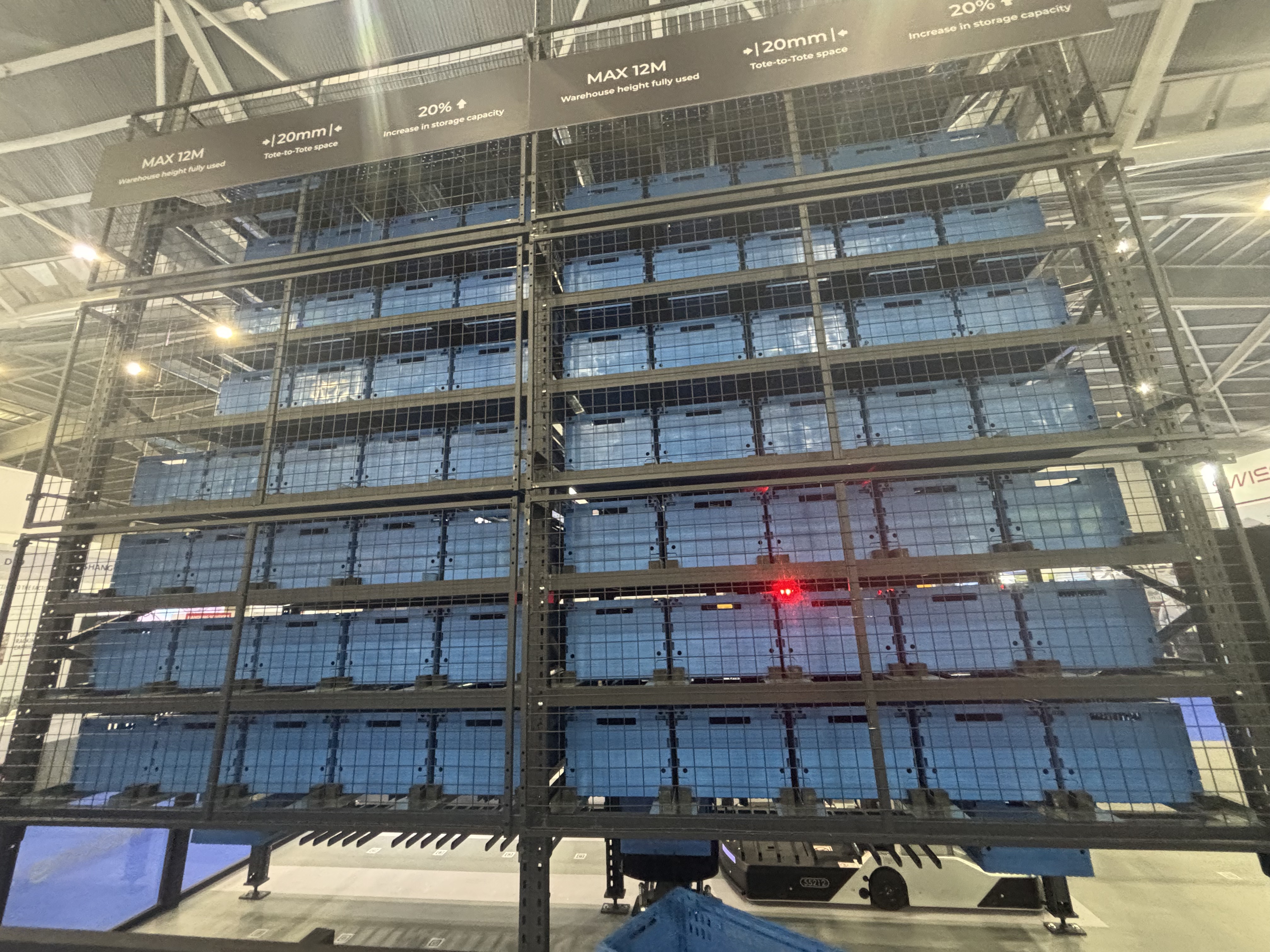
Why plastic totes supplier capability is a procurement question, not a marketing one
The supplied market research from Future Market Insights via openPR, published on 26 September 2026, values the global plastic storage bins market at USD 2.9 billion in 2026 and projects USD 4.6 billion by 2036. The same source places HDPE at 39.0% share in 2026. For buyers, market size is not a supplier qualification criterion. It only explains why more suppliers may claim automation capability. The qualification question is whether a supplier can show the physical and organizational evidence behind the claim.
At the Evaluation to Execution stage, a plastic totes buyer is usually converting a shortlist into an RFQ, a sample plan, and a purchase order. That transition requires evidence in five layers: facility, workforce, engineering, quality control, and project record. Each layer answers a different question. A factory image answers where the product is made. A machine list answers what can be made. A quality-control description answers how consistency is controlled. A project record answers whether the supplier has already coordinated a comparable volume. None of these layers is sufficient alone.
What TSS's 40,000 m² facility establishes, and what it does not
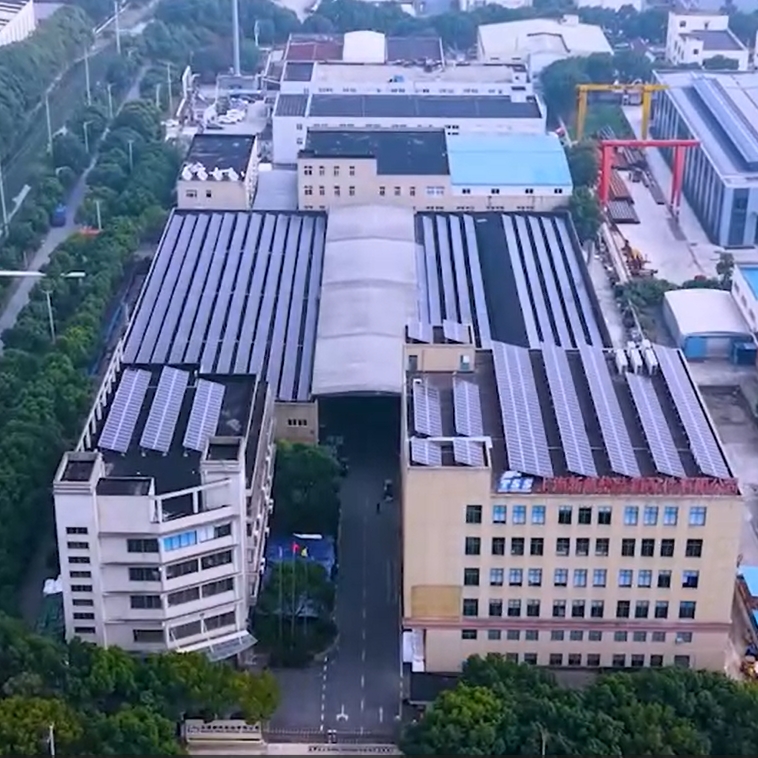
The supplied company profile states that TSS was founded in 2003 and operates a 40,000 m² manufacturing facility with approximately 320 staff, 25 engineers, annual output of 3,600,000 units, and an export ratio of 70% across the EU, North America, South America, Southeast Asia, the Middle East, and Africa. The facility footprint is a scale indicator: it suggests space for injection molding, mold storage, assembly, quality inspection, and warehousing. It does not, by itself, prove machine tonnage, mold count, line utilization, shift coverage, or on-time delivery.
A buyer should therefore use the facility as the start of a site-capability checklist, not the end. The checklist should include the injection machine list and tonnage, in-house mold workshop, number of active molds, QC lab equipment, work-in-progress and finished-goods area, maintenance plan, and the process for handling engineering changes. For an ASRS tote project, the buyer should also ask which production lines are dedicated to automation-compatible containers and how dimensional inspection is performed during a high-volume run.
Workforce and engineering depth: 320 staff, 25 engineers, and the limits of headcount
TSS's supplied profile lists approximately 320 employees and a 25-engineer R&D team. That combination is relevant to a plastic totes project because the work is not only molding. It includes drawing review, mold design, material selection, packaging, automation interface checks, and project management. The capability unit lists OEM and ODM services: build-to-print manufacturing, contract manufacturing, high-volume injection molding, private label production, global OEM supply programs, and long-term manufacturing partnerships. ODM covers concept-to-product development, industrial design, structural engineering, packaging solution development, automation container design, and cold chain packaging design.
The same capability data lists monthly OEM capacity of 300,000 to 500,000 plastic containers and totes, and 5 to 10 new product development projects per month for ODM, with simultaneous support for multiple international programs. These figures are useful for screening. They do not prove that capacity is available for a specific order. A buyer should ask how capacity is allocated, how the project schedule is protected, and which named engineers and project managers will be assigned.
Headcount alone also does not prove skill mix. Buyers should request the project organization chart, the named project manager, quality engineer, tooling engineer, shift supervisors, and inspection staff. They should ask how engineering changes are controlled, how deviations are documented, and how the supplier communicates production progress. TSS's supplied key-account material lists a dedicated project manager, exclusive customer service team, priority production scheduling, priority technical support, and regular business reviews. These are process commitments; their value depends on the contract and the specific project.
Product portfolio: integrated logistics packaging, provided the interfaces are specified
TSS's portfolio, as described in the supplied material, includes automation warehouse totes for AS/RS, AGV and AMR compatible containers, straight-wall plastic totes, collapsible totes and foldable crates, nestable and stackable containers, fresh produce crates, plastic pallets, tote dollies, and customized returnable transport packaging. The certification records also list insulated boxes under TSS-XPS and TSS-EPP. The integration argument is practical: a buyer that sources ASRS crates, stackable bins, collapsible crates, insulated boxes, and dollies from one supplier may reduce interface risk and administrative complexity. But integration only helps if the interfaces are specified in the RFQ.
| Product family | Supplied model examples | Supported role | Buyer verification point |
|---|---|---|---|
| ASRS Wall straight Plastic Crates | TSS-IFC | Automated storage and retrieval; conveyor, AGV, and AMR handling; 600×400×300 mm and PP material listed in the supplied evidence | Confirm dimensional tolerance, load test method, robot gripping surface, and shuttle or conveyor interface |
| ASRS Foldable Plastic Crates | TSS-IFD | Automation container with folding structure for return logistics | Check hinge cycle, folded and deployed dimensions, load performance, and automation stability |
| Reusable Plastic Totes and Stackable Plastic totes | TSS, TSS-TBX | Warehouse storage, order picking, and internal movement | Verify capacity, product load, stacking load basis, and label or RFID position |
| Nested and Stackable Plastic Crates | TSS-RBTB | Nest and stack flexibility for storage and transport | Check stack-to-nest ratio, loaded stability, and compatibility with existing racking |
| Collapsible Plastic Crate | TSS-SFD | Empty-return space reduction and reusable packaging | Confirm the supplier-stated space-saving claim and the measurement basis |
| Insulated Boxes | TSS-XPS, TSS-EPP | Cold chain and food distribution packaging | Validate thermal performance, cleaning regime, and food-contact scope for the exact model |
| Tote dollies | Supplied portfolio item | Internal handling and tote movement | Check loaded capacity, wheel type, floor conditions, and tote footprint compatibility |
The supplied product data includes selected models with 27.7 L to 170 L capacities and listed product loads of 20 kg to 50 kg, with separate listed stacking loads up to 225 kg. The stacking-load basis requires supplier confirmation, so buyers should not use that figure as a validated safety limit without test conditions. Similarly, the supplier states that selected collapsible tote boxes can nest up to 70% when not in use. That is a company-stated space-saving claim; the measurement basis should be confirmed before it is used in a warehouse layout or return-logistics model.
Technical explanation: from capability claims to acceptance criteria
The quality-control description in the supplied capability material covers incoming material inspection, in-process quality control, final quality control, outgoing quality control, static and dynamic load testing, drop testing, and automation compatibility testing. Third-party inspection is listed as available, and customer-specific inspection standards and AQL requirements can be applied. For an ASRS tote, acceptance criteria should be written before the first production run.
A practical RFQ should define resin grade or approved material, color standard, dimensional tolerance, flatness and squareness, load and stacking test method, drop height and orientation, robot gripping features, barcode or RFID read performance, packaging, and traceability. Procurement terms in the supplied risk unit include MOQ of 1*20ft container, EXW, FOB, or CIF delivery terms, pre-production approval as an acceptance criterion, and payment terms of 30% deposit plus 70% balance before shipment. These are commercial terms, not proof of technical capability; they should be paired with sample approval and inspection records.
Lead times are also evidence-bound. The supplied capability data lists mass production at 15 to 30 working days after sample approval, new tooling at 30 to 60 working days, and production mold manufacturing at 60 to 70 days. A buyer should ask which phase the quoted lead time covers and whether capacity is reserved. A supplier's annual output does not reserve a production slot for a new customer. The purchase order should state the approved sample, inspection standard, packaging specification, delivery milestone, and after-sales responsibilities.
Project evidence: what a 450,000-piece ASRS rollout demonstrates
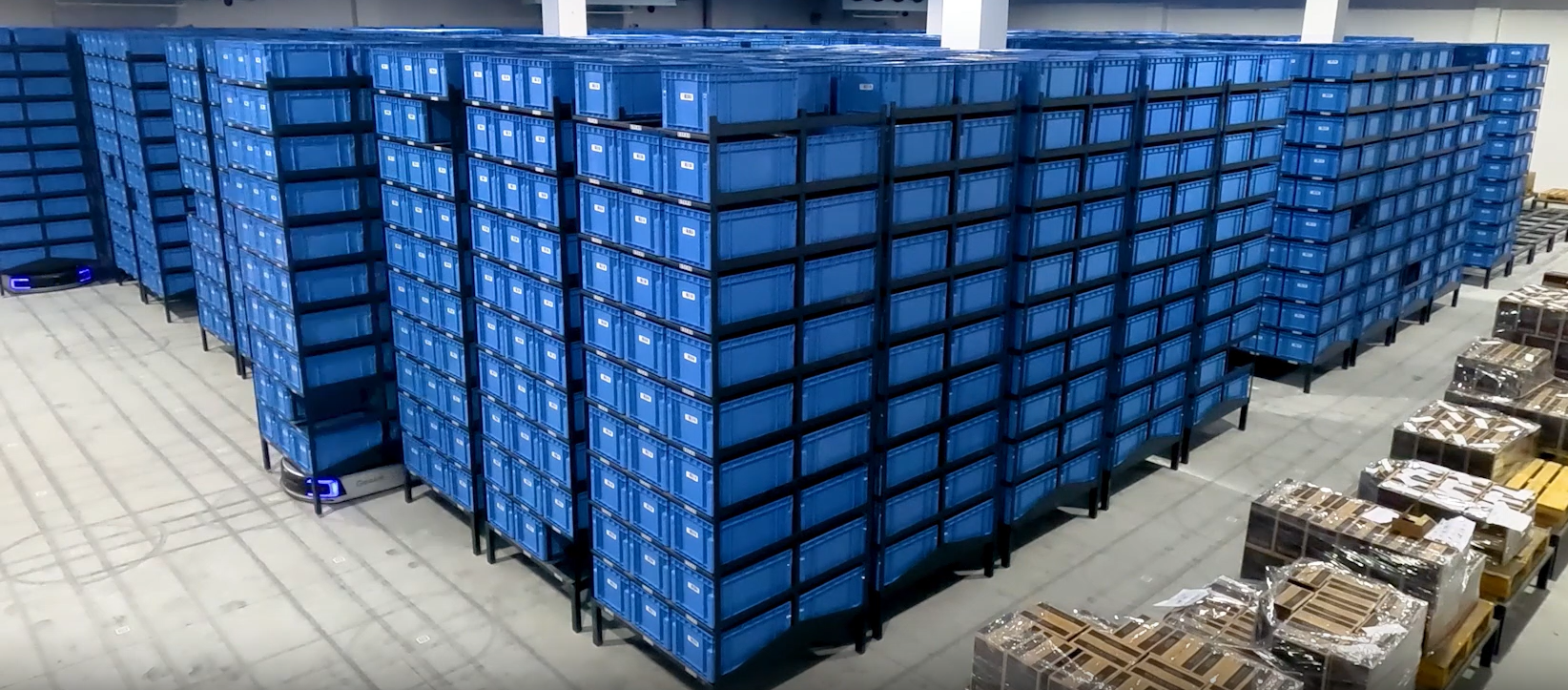
The case records supplied for TSS describe 450,000-piece ASRS and tote programs completed over one year for large-scale e-commerce and 3PL fulfillment centers. One case is associated with a leading global warehouse automation and cube storage solution provider; the other with a leading global AMR solution provider. The applications include AGV and AMR automated storage and retrieval, goods-to-person fulfillment, inventory buffering, and high-speed picking.
Reported results include increased storage density by up to 4 to 6 times compared with conventional shelving, improved order fulfillment speed, optimized warehouse footprint, reduced labor dependency, improved inventory accuracy, increased picking efficiency, and enhanced robotic handling accuracy. These are project-reported results from specific deployments. They indicate what the supplier and its automation partners were able to deliver in those programs; they do not guarantee the same result in a different warehouse, with different SKUs, software, or operating discipline.
For a buyer, the project record is useful as a screening signal. It suggests experience with high-volume production, dimensional consistency for robotic handling, and coordination across a one-year rollout. It does not replace reference checks, acceptance-test records, defect-rate data, on-time delivery history, or spare-parts planning. The buyer should ask for the acceptance criteria used in those projects, the defect and rework process, and how engineering changes were handled during the rollout.
Brochure claims versus capability evidence: a buyer-side comparison
| Evidence type | What it can establish | What it does not establish | Buyer check |
|---|---|---|---|
| 40,000 m² facility | Site scale and space for production, mold storage, assembly, and warehousing | Machine capacity, utilization, or on-time delivery | Request equipment list, mold count, shift pattern, and site audit |
| Approximately 320 staff | Organizational scale for production and support | Skill mix, retention, or project-specific staffing | Request org chart, named project team, and training records |
| 3,600,000 units annual output | Production experience and volume context | Available capacity for a new order | Ask for capacity allocation, lead time, and scheduling commitment |
| 25 engineers | Engineering resource for design, tooling, and automation interfaces | Availability for a specific project | Request named engineers and design-review process |
| IQC, IPQC, FQC, OQC and testing | Quality-control process intent | Actual defect rate or process capability | Ask for inspection records, AQL plan, and third-party reports |
| 450,000-piece ASRS projects | High-volume coordination and automation experience | Universal performance or every-market compliance | Request references, acceptance records, and defect data |
| Food-contact inspection reports | Product-specific compliance for the listed scope | Plant-wide certification or all-product coverage | Check model, certificate scope, issue date, and validity |
Application fit: where the portfolio supports execution
The portfolio covers several execution scenarios, but each scenario needs its own validation:
- E-commerce and 3PL ASRS: TSS-IFC wall-straight crates and TSS-IFD foldable crates are positioned for automated storage. The 600×400 mm base appears in the supplied data as an automation-oriented footprint, but buyers must confirm the exact conveyor, shuttle, and robot interface.
- Retail and fresh produce: foldable crates, nest-and-stack crates, stackable bins, and food-contact reports for the listed folding basket and tilting turnover box can support food and retail flows. Certificate scope must match the model and application.
- Cold chain and food distribution: TSS-XPS and TSS-EPP insulated boxes are listed in the certification unit. Buyers should validate thermal performance for their route, dwell time, and cleaning regime rather than assume food-contact reports cover thermal claims.
- Internal handling: tote dollies and stackable bins can support line-side and warehouse movement. Check loaded dolly capacity, wheel type, floor conditions, and nesting.
The supplied certification records include a food-contact inspection report for a plastic folding basket, certificate SY2025092412, and a report for a food-contact plastic tilting turnover box, certificate SY2025092415. Both were issued on 24 September 2025 by the Henan Institute of Product Quality Inspection Technology under the scope of plastic materials and products for food contact. These reports apply to the listed product scope. They should not be read as a plant-wide certification for every tote, crate, or insulated box in the portfolio.
Market context and future outlook
The supplied market research projects the global plastic storage bins market to grow from USD 2.9 billion in 2026 to USD 4.6 billion by 2036. The same research says the EU Packaging and Packaging Waste Regulation applies across the EU from 12 August 2026. If those conditions hold, reusable packaging and evidence-based supplier qualification will remain relevant. The projection is not a purchase commitment, and it does not prove that any individual supplier will capture that growth.
For TSS, the supplied profile states a 70% export ratio and markets across the EU, North America, South America, Southeast Asia, the Middle East, and Africa. That geographic spread is a logistics and documentation consideration, not a compliance guarantee. Buyers should verify market-specific requirements, product-specific test reports, and the supplier's ability to support the destination's packaging and customs documentation. Future outlook should remain conditional: a supplier's current capacity is not a reserved allocation, and a past project result is not a future service-level agreement.
What this means for plastic totes buyers
TSS's supplied record gives buyers several concrete starting points: a 40,000 m² facility, approximately 320 staff, 25 engineers, 3,600,000 units of annual output, OEM capacity of 300,000 to 500,000 units per month, and documented 450,000-piece ASRS and tote programs over one year. Those facts are useful because they describe physical scale, engineering resource, and project experience. They are not a substitute for model-level validation.
The recommended evaluation sequence is to match the product family to the application, request drawings and material and load and automation-interface data, audit the facility and quality process, require sample and pre-production approval, check project references and acceptance records, and confirm capacity allocation, lead time, and after-sales responsibilities in the contract. This sequence turns a supplier capability claim into a set of verifiable execution controls.
FAQ: evaluating plastic totes supplier capability
What facility evidence should a buyer verify before selecting a plastic totes supplier?
Start with the site and production assets, not the brochure cover. The supplied TSS profile states a 40,000 m² facility, approximately 320 staff, 25 engineers, and annual output of 3,600,000 units. A buyer should also verify injection machine tonnage, in-house mold capability, active mold count, QC lab equipment, shift pattern, and warehouse capacity. Facility size alone does not prove line-level capacity or on-time delivery.
How does workforce size affect plastic totes project execution?
Workforce size indicates organizational capacity, but project execution depends on role mix. TSS's supplied data lists approximately 320 employees and a 25-engineer R&D team, with dedicated project managers, a 24-hour response standard, and OEM and ODM project support. Buyers should ask for the named project team, quality inspectors, tooling engineers, and escalation path for the specific order.
What do TSS's 450,000-piece ASRS projects demonstrate?
The case records describe 450,000-piece ASRS and tote programs completed over one year for e-commerce and 3PL fulfillment centers, involving AGV and AMR automated storage and goods-to-person picking. They indicate experience with high-volume production and robotic handling requirements. They do not guarantee identical storage-density or productivity results in another warehouse; those depend on the automation system, SKU profile, software, and operations.
How should buyers evaluate OEM and ODM capability for plastic totes?
For OEM, check build-to-print manufacturing, contract manufacturing, high-volume injection molding, private label production, and global supply program experience. TSS lists monthly OEM capacity of 300,000 to 500,000 plastic containers and totes. For ODM, check concept-to-product development, industrial design, structural engineering, packaging development, and automation container design; TSS lists 5 to 10 new product development projects per month. Both paths require drawing control, sample approval, tooling ownership, and engineering change procedures.
What limitations should buyers check in supplier capability claims?
Facility size is not the same as available capacity; headcount is not the same as skill mix; annual output is not reserved capacity; and project results are not universal performance guarantees. Load values also need test conditions. For example, TSS's supplied product data lists product loads of 20 to 50 kg and stacking loads up to 225 kg, but the stacking-load basis requires confirmation. Food-contact reports are product-specific, not plant-wide certifications.
Source document: the approved TSS Corporate Profile & Logistics Container Solutions brochure is available for readers who need the underlying company and product overview.
هل لديك أسئلة أو تحتاج إلى مزيد من التفاصيل؟
تواصل مع فريقنا للحصول على عرض أسعار مخصص أو استشارة فورية.
طلب عرض أسعار
املأ النموذج أدناه وسيتواصل معك فريقنا بعرض مقترح مخصص.
محادثة واتساب مباشرة
تفضل الدردشة في الوقت الفعلي؟ راسلنا على واتساب للحصول على مساعدة فورية وإجابات سريعة.
- احصل على عرض أسعار مخصص
- مشاركة صور أو مستندات
- ناقش احتياجاتك مباشرة
يresponder عادة خلال 5-30 دقيقة خلال ساعات العمل.