
Pneumatic Rubber Fender Tech Specs Decoded: Why Manufacturing Quality Matters
Industry Context
The global marine fender market has seen steady growth, driven by expanding port infrastructure and increasing vessel sizes. For procurement professionals, interpreting technical specifications of pneumatic rubber fenders is critical to ensuring operational safety and cost efficiency. Yet, many buyers struggle to connect abstract parameters like working pressure and energy absorption with real-world performance. The real differentiator often lies hidden in the manufacturing process — material choices, cord fabric layering, and vulcanization techniques.
The Technical Parameters That Define Performance
A Yokohama pneumatic fender specification sheet typically lists diameter, length, working pressure, and reaction force. But what do these numbers mean for daily operations?
Diameter and Length: For ship-to-ship (STS) and ship-to-dock (STD) operations, diameters from 300 mm to 2000 mm are common. Haohang’s pneumatic rubber fender (model 1.5×3M and customizable variants) covers this range, with length customizable from 1 to 10 meters to match specific berthing geometries.
Working Pressure (0.1–0.3 MPa): This determines the fender’s deflection and energy absorption capacity. Higher pressure allows greater initial stiffness, but too high may reduce cushioning. Haohang’s fenders operate under a nominal pressure adjustable per application, ensuring optimal balance between protection and vessel impact.
Energy Absorption Efficiency: Independent tests show Haohang’s fenders achieve up to 90% energy absorption, compared to 75% for conventional options — a direct result of using 100% natural rubber and high-strength cord fabric (truck/aircraft tyre grade). This translates to lower reaction forces on hulls and dock structures.
How Manufacturing Quality Affects Service Life and Safety
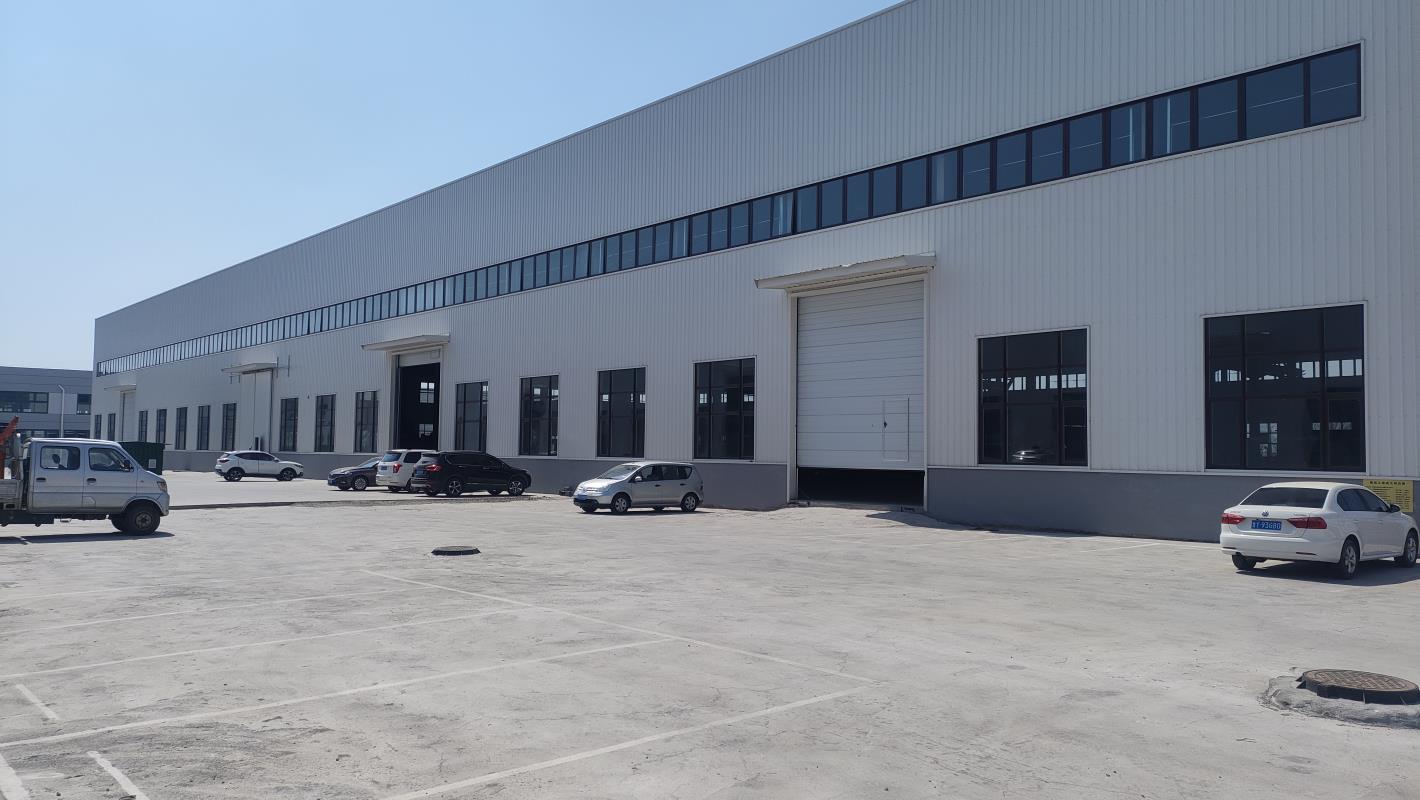
The production process is where many fenders diverge. Haohang’s factory, spanning 8,000 m² in Qingdao, China, operates with a dedicated R&D team of 15 engineers and a modern quality management system aligned with international standards. Key manufacturing steps include:
1. Raw Material Selection: Only virgin natural rubber is used — no recycled rubber that can compromise elasticity and UV resistance. This extends service life by 30% compared to recycled alternatives.
2. Cord Fabric Layering: Multiple layers of high-strength cord fabric are precisely aligned and bonded to build a uniform pressure-bearing structure. This reduces leak rate by 50% under standard pressure, critical for long-term performance in floating pneumatic rubber fenders.
3. Vulcanization and Curing: Temperature and pressure are tightly controlled in the autoclave to achieve consistent rubber cross-linking. Inconsistent curing leads to premature cracking or delamination — a common failure mode in low-cost competition.
4. 100% Testing: Every unit undergoes a pre-shipment test, and third-party inspection by CCS (China Classification Society) is available (certificate number QD22P4062). Haohang also supports inspection by BV upon request.
Real-World Application: Durability in Extreme Conditions
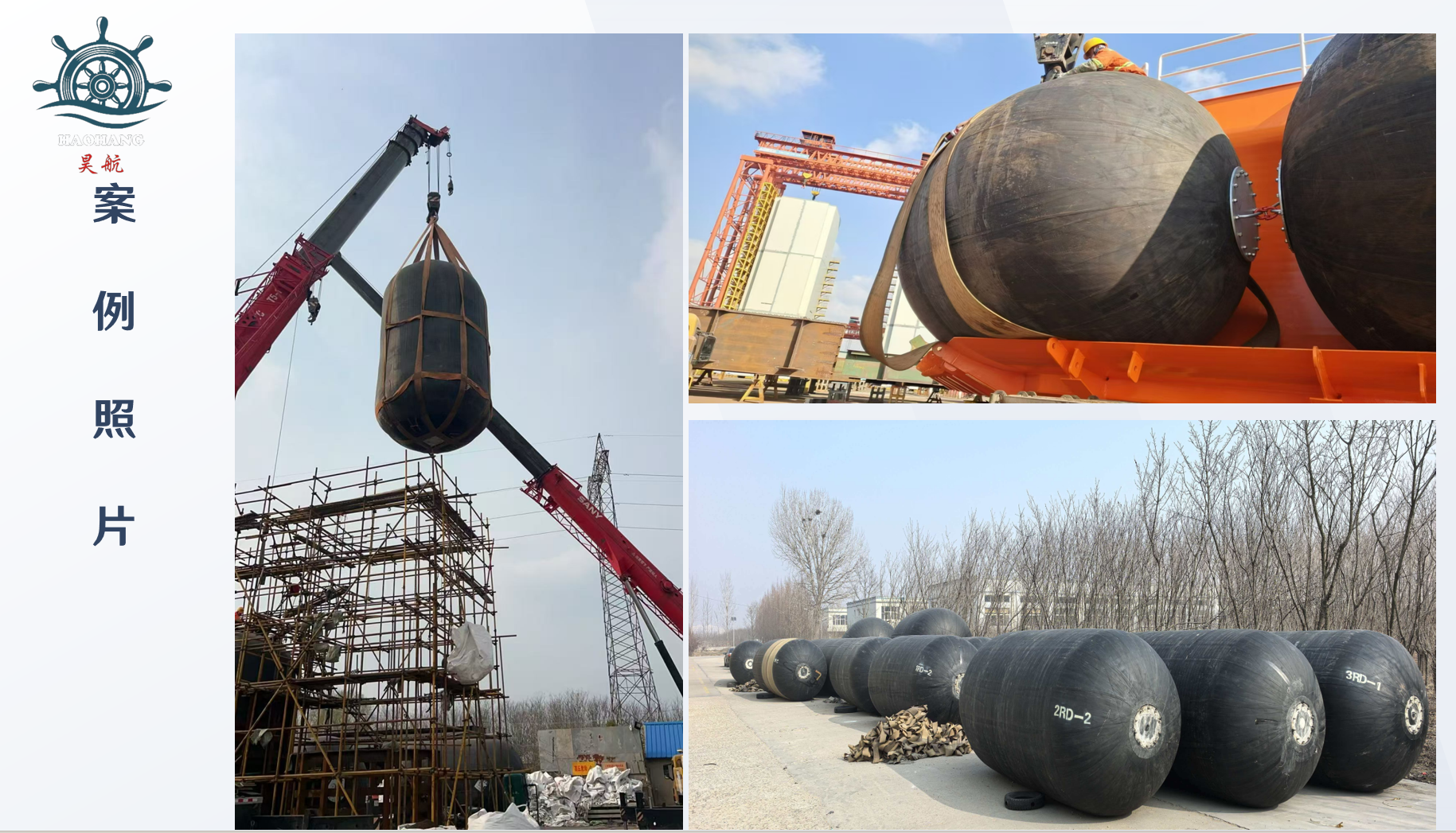
A recent case from a Chinese engineering contractor illustrates the value of robust manufacturing. After deploying 50 units of Haohang’s pneumatic rubber fenders for dock protection in a coastal environment with frequent typhoons and high humidity, the fenders have successfully withstood extreme weather and high-frequency berthing for over 5 years. The highlight: high corrosion resistance in China’s marine climate, with minimal maintenance required — only occasional surface abrasion repair using rubber material (simple and low-cost).
In Vietnam, Haohang’s fenders are used for STS and STD operations in ports and offshore platforms, operating 24/7 in temperatures from -20°C to +60°C, demonstrating the flexibility of the Yokohama type rubber fender design.
Market Trends: The Shift Toward Certified Quality
As global maritime regulations tighten and vessel owners demand higher safety margins, the procurement of marine fenders is moving from price-based to total-cost-of-ownership evaluation. Certifications like CCS are becoming a baseline requirement in major markets (Southeast Asia, Middle East, Africa). Buyers increasingly require verifiable test data and manufacturing traceability.
Haohang’s ability to offer OEM/ODM customization (size, logo) with a minimum order quantity of just 1 unit makes it an attractive partner for both large-scale port projects and small fleet upgrades. Lead times range from 7 to 45 days depending on quantity and customization level.
Future Outlook: Smart Monitoring and Lifecycle Support
The next frontier for pneumatic rubber fenders is intelligent condition monitoring. Haohang is developing remote support capabilities to help operators track pressure loss and surface wear in real time, reducing unplanned downtime. Combined with its current after-sales remote and on-site support, the company is positioning itself as a full lifecycle partner for marine operators worldwide.
Company Brochure: Download the full product catalog and technical datasheet from Haohang to guide your next procurement. Download PDF
Qingdao Haohang Fender Airbag Co., Ltd | Website: www.qdhaohang.com | Contact: Ella | Email: ella@qdhaohang.com | Tel/WhatsApp: +86 15806273885
Address: Jinyuan 2nd Road, Jinkou Industrial Park, Jimo District, Qingdao City, China