
Polyester Polyol Procurement in 2026: Navigating the Market with a Multi-Segment Supplier
The global polyester polyol market was estimated at USD 9,654.2 million in 2024 and is projected to reach USD 15,033.3 million by 2033, according to Grand View Research. As downstream sectors such as construction, home appliances, and mining demand increasingly specific foam performance, the era of one-size-fits-all polyols is giving way to application-optimised formulations. Buyers now evaluate suppliers not only on price and volume but on their ability to deliver consistent, customisable polyester polyol grades.
Industry Challenge: From Standard to Specialist
Conventional polyols often fall short when faced with requirements like high flame retardancy, pentane-system compatibility, or water-based blowing agents. Manufacturers of PIR sandwich panels, cold storage spraying foams, or controlled-release fertilizer coatings each need distinct hydroxyl values, viscosities, and acid numbers. The opportunity lies in partnering with a producer that offers a wide, parameter-mapped product portfolio and the flexibility to tailor batches.
XINFA’s Portfolio: A Multi-Segment Answer
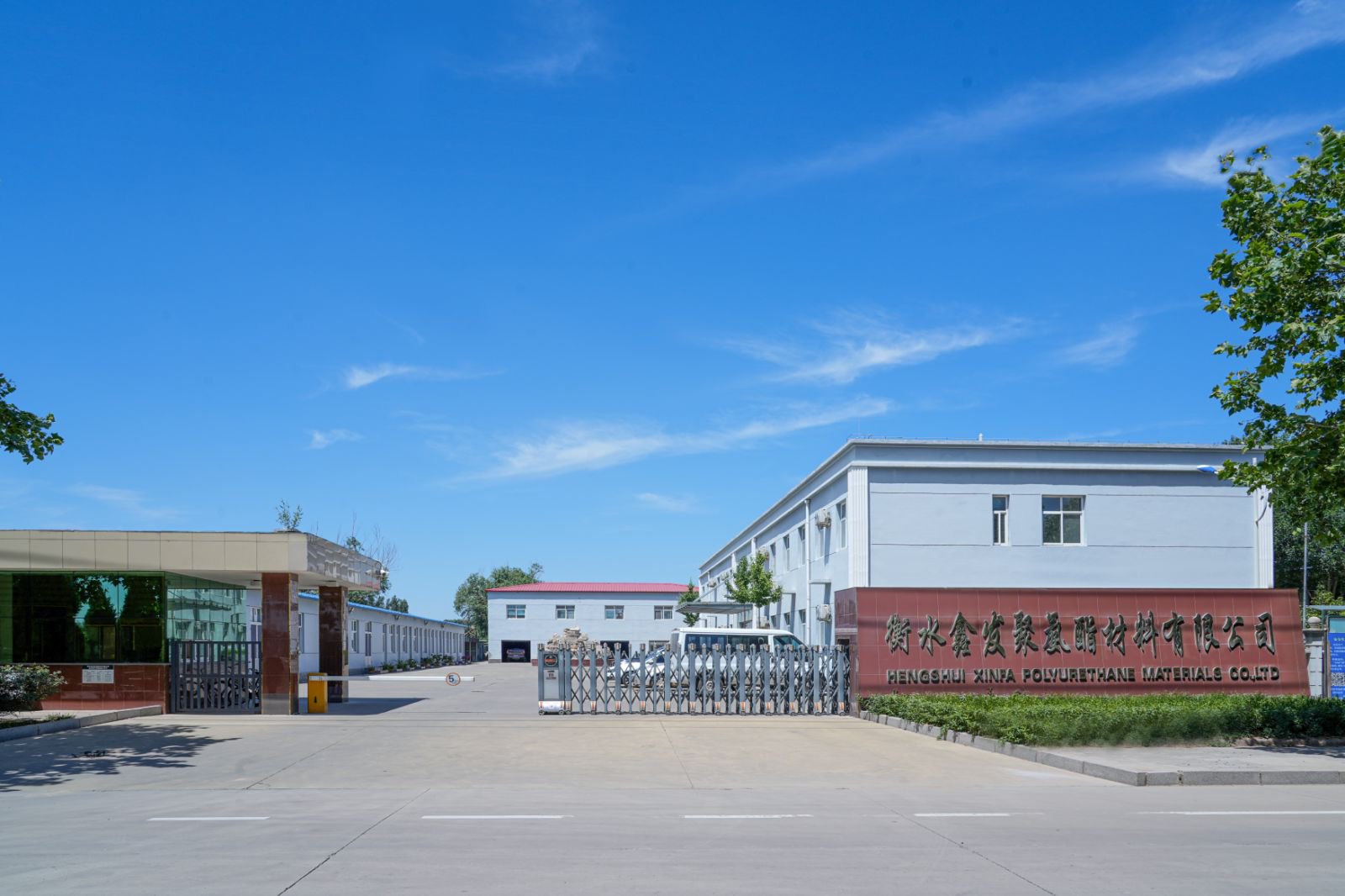
Hengshui Xinfa Polyurethane Materials Co., Ltd. (XINFA) is a high-tech enterprise founded in 2026, specialising in the R&D, production, and sales of polyurethane materials and polyester polyol. Operating from a 25,000 m² facility in Hebei, the company employs about 70 staff, including 13 R&D engineers, and has an annual production capacity of 80,000 tons. XINFA holds ISO 9001, ISO 14001, and ISO 45001 certifications.
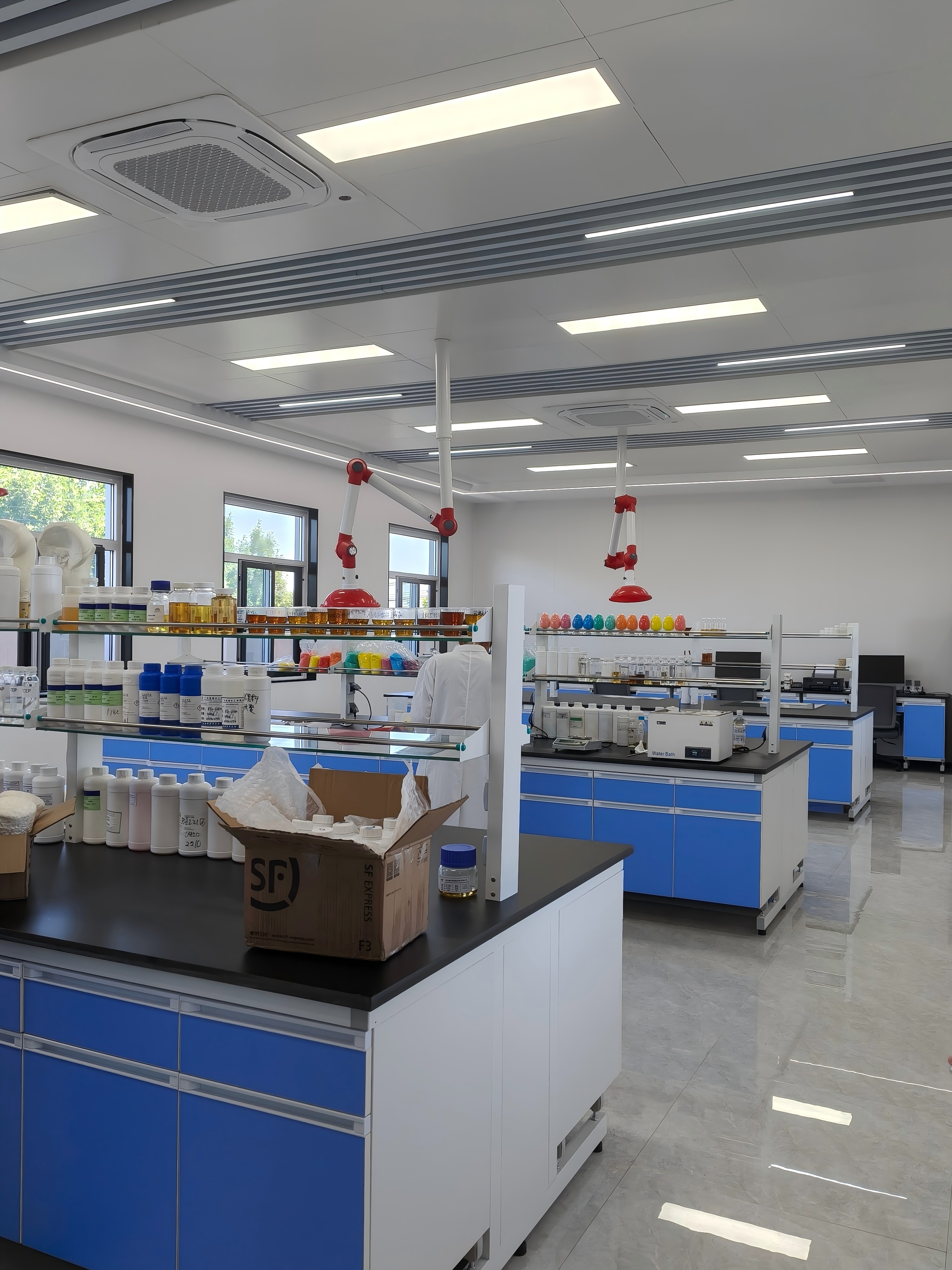
The company organises its polyester polyol line into seven distinct segments, each with carefully controlled specifications:
- Phthalic Anhydride Polyester Polyol (XF-3152, XF-2412, XF-1752, XF-2002) – designed for spraying insulation, sandwich panels, pipe insulation, and wood imitation. Hydroxyl values range from 175 to 315 mgKOH/g.
- High Flame Retardant Polyester Polyol (XF-2007, XF-235P, XF-240P, XF-250P) – used in PIR spraying insulation and panels where flame retardancy is critical. XF-2007, for example, has a viscosity of 15 000 ± 3000 cPs at 25 °C.
- Pentane System Polyester Polyol (XF-435 to XF-2020) – formulated for home appliances, pipes, and PIR panels when pentane is the blowing agent. Hydroxyl values span from 200 to 500 mgKOH/g.
- High Water-based Polyester Polyol (XF-2003, XF-2006, XF-3153, XF-315G, XF-300W) – all models contain ≤0.1 % moisture, tailored for full-water or high-water systems.
- Mining Polyester Polyol (KXF-350, KXF-280) – low viscosity (1000–1500 cPs) for underground support applications.
- Adhesive Grade Polyester Polyol (XF-Z, XF-280) – for sandwich panel adhesives, with hydroxyl values from 60 to 280 mgKOH/g.
- Controlled-Release Fertilizer Coating Polyester Polyol (XF-270, XF-B-3, XF-B-4) – provides a protective membrane for slow-release fertilisers.
Technical Foundation
All XINFA polyester polyols are synthesised from PA, PTA, AA, DEG, and GLY. By adjusting the feedstock ratios and reaction conditions, the R&D team achieves the target hydroxyl value, acid value, and viscosity. Water content is tightly controlled – below 0.15 % for most grades and below 0.1 % for high-water types – ensuring stable foaming behaviour and minimal side reactions.
Application Scenarios in Practice
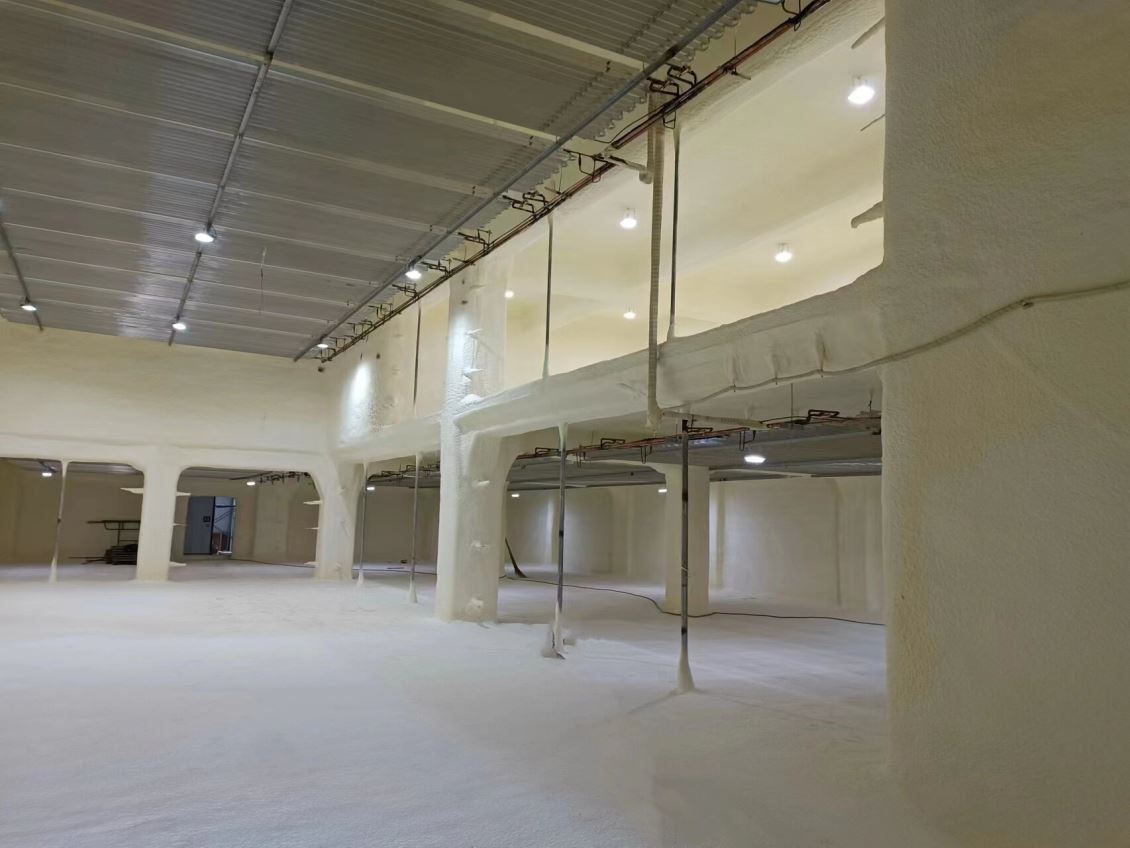
Three representative use cases illustrate the portfolio’s breadth:
- PIR Sandwich Panels (China): A typical PIR system requires high flame retardancy, low odour, and stable foaming. XINFA’s phthalic anhydride and high flame retardant polyols, combined with catalysts like PC-8, PC-41, and TEDA A33, meet the <0.1 % moisture and ≤2.0 mgKOH/g acid value thresholds needed for continuous panel production.
- Cold Storage Spraying Foam (China): For low-temperature insulation, the high water-based polyol XF-3153 (hydroxyl 315 mgKOH/g, viscosity 1800 cPs) works well with spraying equipment, delivering low thermal conductivity and reliable adhesion.
- Mining Support: The KXF-350 and KXF-280 polyols offer low viscosity (1000–1500 cPs) for easy mixing and injection in underground cavity filling, where moisture must stay ≤0.1 % to avoid gas generation.
Market Trends and Regional Dynamics
Asia Pacific accounted for 43.7 % of the global polyester polyol market in 2024, with China forecast to grow at the highest CAGR of 5.2 % through 2033 (Grand View Research). The aromatic polyester polyols segment alone was valued at USD 1.9 billion in 2026 and is expected to reach USD 2.8 billion by 2033 (Persistence Market Research). Regulatory drivers such as the EU Energy Performance of Buildings Directive (2024/1275) continue to push demand for high-performance insulation, benefiting suppliers who can offer both standard and customised solutions.
Comparison with Conventional Sourcing
Traditional supply often relies on large multinationals with limited flexibility for medium-volume custom orders. XINFA’s multi-segment catalogue allows buyers to select a pre-validated grade rather than developing a bespoke formulation from scratch, saving time and minimising trial risk. A limitation is the company’s relatively young global brand presence; however, its ISO certifications, large-tonnage capacity, and dedicated R&D team provide procurement confidence.
Future Outlook
As end-use industries push toward higher energy efficiency and stricter fire codes, the demand for specialised polyester polyols will accelerate. Suppliers that can combine broad product coverage with responsive technical support – like XINFA, which operates an integrated R&D–production–trade model through its subsidiary Hebei Xinshe Technology – are well positioned to become long-term partners for global buyers.
Frequently Asked Questions
Q1: What is polyester polyol and why is it important?
A1: Polyester polyol is a key raw material used in the production of polyurethane foams, coatings, adhesives, and elastomers. It reacts with isocyanates to form the polyurethane polymer, and its properties (hydroxyl value, viscosity, acid value) directly affect foam performance.
Q2: What types of polyester polyol does XINFA offer?
A2: XINFA produces nine categories: Standard, High Flame Retardant, Pentane System, High Water-based, Mining, Adhesive Grade, Controlled-Release Fertilizer Coating, and other specialty types, covering hydroxyl values from 60 to 500 mgKOH/g.
Q3: Which industries commonly use XINFA’s polyester polyol?
A3: Applications include PIR sandwich panels, spraying foam insulation, polyurethane pipe insulation, home appliances, mining reinforcement, sandwich panel adhesives, and controlled-release fertiliser coatings.
Q4: What are the key parameters to consider when selecting a polyester polyol?
A4: The main specifications are hydroxyl value (mgKOH/g), acid value, moisture content, and viscosity at 25 °C. XINFA publishes exact ranges for each model, enabling direct comparison with formulation requirements.
Q5: Is XINFA certified to international quality and environmental standards?
A5: Yes. Hengshui Xinfa Polyurethane Materials Co., Ltd. has obtained ISO 9001 (quality management), ISO 14001 (environmental management), and ISO 45001 (occupational health and safety) certifications.
Download XINFA Company Brochure (PDF, 5 MB)