
Porcelain Tile Project Solutions: A Buyer's Independent Comparison of All-King vs. Market Norms
Project teams evaluating porcelain tile project solutions rarely make decisions from a single polished sample. The real questions are about body density, water resistance, surface wear, dimensional consistency and the ability of a supplier to reproduce the same quality from one order to the next. Porcelain is a performance category, not just a design style. In global tile supply, however, the same “porcelain” name can refer to products with very different technical behavior. That is why this article compares one factory-direct manufacturer, All-King Ceramics, against the market expectations that commercial buyers commonly use when specifying porcelain for shopping malls, hotel lobbies, apartment developments, healthcare facilities and other public buildings.
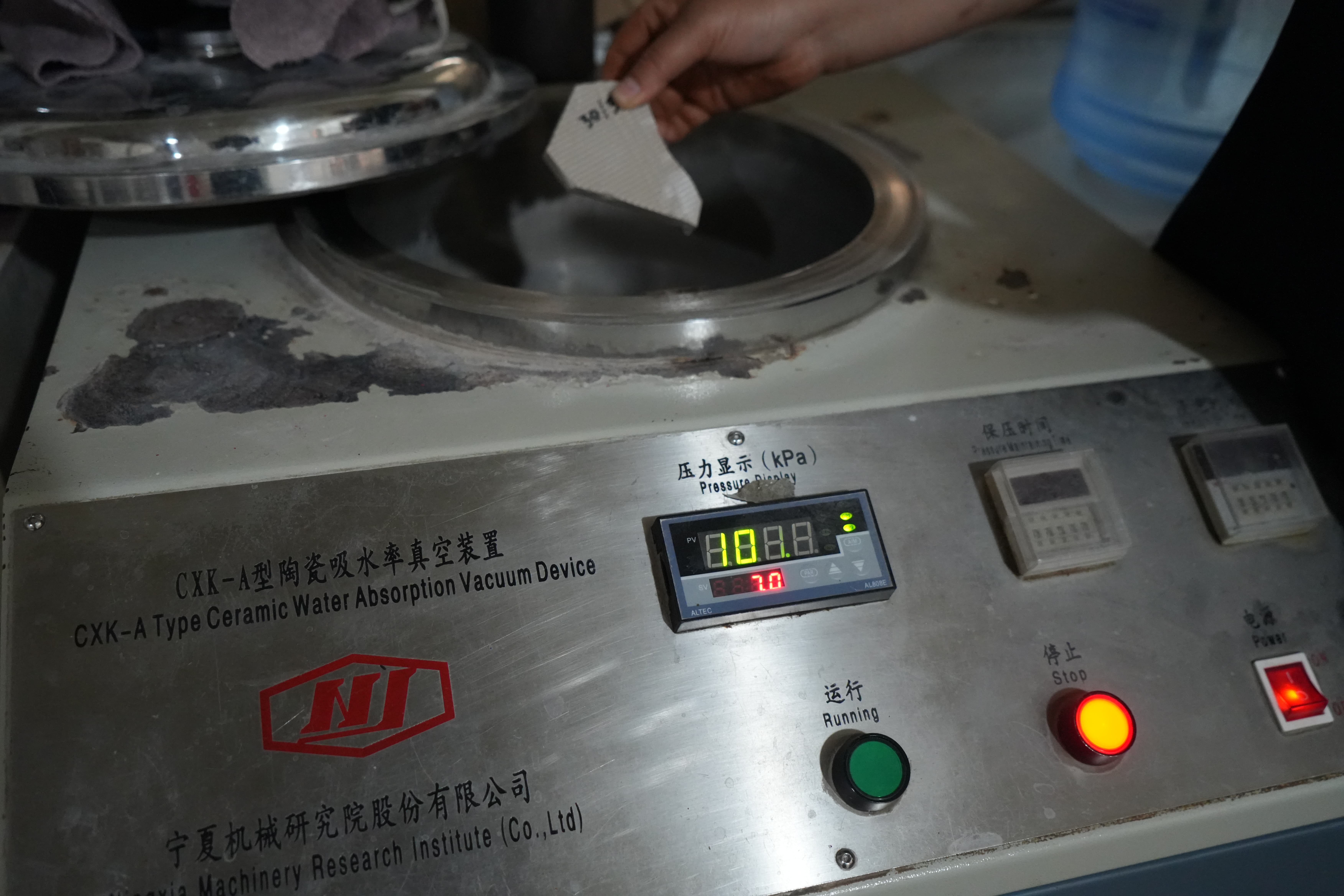
All-King Ceramics is the export brand of Zibo All-King Ceramics Co., Ltd., a China-based porcelain tile manufacturer and direct exporter established in 2011. Its published 60×120cm porcelain tile range, including the Marble Series and Travertine Series, carries documented technical values: water absorption below 0.5 percent, PEI 4/5 abrasion resistance, Mohs hardness 6–7, breaking strength of at least 1,300 N, modulus of rupture of at least 35 MPa, and a thickness range of 9.0–10.5 mm. These figures are useful because they can be checked by a buyer before the product is installed. The intention of this comparison is not to present All-King as superior to every other market option; it is to show how one specific porcelain project range relates to the norms a procurement team is likely to encounter.
Why the “Porcelain” Label Needs a Specification Check
Porcelain has become the default specification in many commercial applications because its dense body is better equipped than porous ceramic to handle moisture, cleaning chemicals and high foot traffic. According to Grand View Research, the global ceramic and porcelain tiles market was valued at approximately USD 226.4 billion in 2025 and is projected to reach USD 380.6 billion by 2033. The same market assessment found that porcelain tiles accounted for roughly 52.4 percent of market revenue in 2025, and that commercial end-use represented the largest demand segment. In other words, porcelain is not a niche material. It is the material most often selected for projects where floor failure would be expensive and disruptive.
Because porcelain carries such a large share of specification volume, buyers cannot rely on the name alone. In many international specification systems, porcelain is distinguished from other ceramic bodies by a maximum water absorption threshold of 0.5 percent. Tiles above that threshold may still be ceramic tiles, but they do not perform in the same way. The practical implication for procurement is simple: when a bid says “porcelain,” the next question should be whether the product is fully vitrified and supported by measurable test values. All-King’s product sheet answers that question with a water absorption figure below 0.5 percent and the word “Vitrified.” For a purchasing team, that level of clarity is a useful starting point, although it still needs to be confirmed through batch testing and third-party inspection.
Reading a Porcelain Specification Line by Line
Commercial buyers often see long specification sheets, but the most useful porcelain values are those that can be translated into installation and maintenance decisions. The following sections explain what All-King’s documented indicators mean in a project context.
Water Absorption Below 0.5%
Water absorption is the first quality gate for a porcelain body. A tile with very low water absorption has fewer open pores, which reduces the ability of moisture, stains and bacteria to penetrate the surface. It also improves resistance to freeze-thaw cycles in exposed or semi-exposed conditions. All-King’s 60×120cm porcelain tiles specify water absorption below 0.5 percent, which places them in the fully vitrified category. For project buyers, the value is not only technical: lower porosity makes cleaning easier and reduces the need for sealing treatments that are sometimes required for more porous ceramic floors.
PEI 4 and PEI 5 Abrasion Resistance
PEI classification measures how well a glazed tile surface resists abrasion caused by foot traffic and moving objects. PEI 4 is generally associated with heavy commercial traffic, while PEI 5 is reserved for areas with the most demanding use, where grit and abrasive materials are tracked onto the floor. All-King’s 60×120cm series is documented as PEI 4/PEI 5. That makes the range suitable for hotel lobbies, retail corridors, shopping malls and other high-traffic venues where a lower-rated surface would quickly begin to lose its finish. For procurement teams, the presence of a clear PEI rating is more useful than a vague promise of “high durability.”
Mohs Hardness 6–7 and Mechanical Strength
Mohs hardness is a scratch-resistance scale based on minerals. A Mohs value of 6–7 means the surface can resist scratching from most everyday grit and debris, which matters in entrances and corridors where sand and dust are constantly tracked in. Mechanical strength is equally important in a large-format tile. All-King’s specification includes a breaking strength of at least 1,300 N and a modulus of rupture of at least 35 MPa. These values help predict how well the tile will resist point loads and bending stress after installation. A tile that looks sound in the showroom but fails under load will create costly replacement work on site, so strength data should be reviewed as seriously as color and texture.
Dimensional Consistency and Flatness
Commercial projects also depend on flatness and size consistency. Tiles that vary in thickness or warpage create lippage, which is both a visual defect and a potential safety issue. All-King’s published quality-control process includes 100 percent automatic flatness and sizing checks, piece-by-piece visual inspection and random laboratory testing per batch. When a buyer orders multiple shipments for a large development, these process controls are more relevant than a single sample approval, because they address the risk of variation between production batches.
All-King vs. Market Norms: Side-by-Side Buying Reference
The table below does not position All-King against named competitors. Instead, it compares what a buyer often sees in the market with the documented All-King specification and the verification step that procurement teams should apply.
| Attribute | Common Market Experience | All-King Documented Value | What Procurement Should Do |
|---|---|---|---|
| Porcelain body | The word “porcelain” is used loosely in some markets. | Fully vitrified body; water absorption below 0.5% | Ask for a laboratory report and check the water absorption value on batch documentation. |
| Format | 60×120cm is one of the most widely accepted large-format sizes for commercial and residential projects. | 60×120cm flagship range, with other formats available at 60×60cm, 80×80cm, 100×100cm and 75×150cm | Match the format to the layout and installation budget; larger slabs reduce grout lines but require careful handling. |
| Thickness | Thickness is often a hidden factor in cost-driven bids. | 9.0–10.5 mm | Confirm that the substrate and adhesive system are designed for the actual tile weight and thickness. |
| Abrasion resistance | Some project offers omit PEI class or use vague durability language. | PEI 4 and PEI 5 | Choose PEI class according to the actual traffic profile of each venue. |
| Surface hardness | Hardness values appear only on better-documented product sheets. | Mohs hardness 6–7 | Use hardness as a supplementary signal, especially for entrances and industrial-adjacent zones. |
| Strength | Strength data is not always presented in a comparable format. | Breaking strength ≥ 1,300 N; modulus of rupture ≥ 35 MPa | Review the test standard and request mechanical test results from the production batch. |
| Quality control | Exporter claims vary widely in specificity. | 100% flatness and sizing auto-check, piece-by-piece visual inspection, random lab testing per batch | Include quality-control documentation as a contractual requirement, not only as marketing material. |
| Customization | Distributors and project teams often need non-standard finishing or branding. | Custom size and thickness, surface finish, OEM brand logo and packaging, pattern variation and anti-slip rating | Confirm customization parameters in the order before mass production begins. |
Matching Porcelain Project Solutions to Venue Requirements
A single specification cannot serve every project in the same way. The All-King 60×120cm porcelain range brings certain physical properties that suit common venue types, but a responsible buyer will always align the specification with the expected use intensity.
Shopping malls and mixed-use developments. These spaces combine very high pedestrian flow, frequent cleaning and rolling loads from maintenance equipment. A PEI 4 or PEI 5 surface, combined with low water absorption, helps floors survive heavy visitors and repeated washing. The 60×120cm format is also practical for retail corridors because fewer joints reduce the places where dirt can collect.
Hotel lobbies and corporate offices. Visual continuity matters in premium interiors. The 60×120cm format creates a quieter, more spacious appearance with fewer grout lines, while the documented hardness and abrasion values help maintain the surface finish under luggage carts, moving furniture and high-heel traffic.
Apartment developments and luxury villas. In residential projects, the buyer is often looking for a balance between appearance and ease of maintenance. Low water absorption makes the floor easier to clean and less dependent on periodic sealing. For developers building multiple towers, 60×120cm tiles offer a repeatable specification across different unit sizes.
Healthcare and educational buildings. Institutional facilities need floors that can withstand disinfectants, wheelchairs and heavy equipment. Dense porcelain is resistant to moisture penetration, which supports hygiene and cleaning routines. The high breaking strength is also relevant where beds, trolleys and other point loads are common.
Areas where anti-slip classification is required. Project buyers working on commercial kitchens and food production areas often refer to DIN 51130 ratings. Under that framework, R11 is associated with slopes of 19 to 27 degrees and is commonly used in kitchens and food production; R12 is associated with slopes of 27 to 35 degrees and is used in dairy or industrial settings where wet conditions are more severe. All-King’s customization list includes anti-slip rating as an option, which means the buyer can request a product variant suited to the specific safety requirement rather than accepting a generic surface.
Sustainable and LEED-oriented projects. Porcelain tiles have an inherent low-emission profile because they are mineral-based products fired at high temperatures. Sustainable tile references linked to the U.S. Green Building Council’s LEED framework note that mineral-based tiles fired above 1,200°C can be exempt from FloorScore VOC requirements. This does not mean that a specific All-King series carries a LEED certificate; it means the material category itself is compatible with low-emission project objectives when the environmental documentation is requested and verified.
Manufacturing Evidence: Consistency for Long-Term Buyers
Long-term buyers think in multiple phases. A distributor or developer may order an initial quantity for a showroom, then follow with larger orders for towers, phases or franchise locations. In that workflow, the most important supplier capability is repeatability.
All-King’s factory footprint provides context for that capability. The company operates a 60,000 m² production facility in Zibo, China, with approximately 320 employees and 25 R&D engineers. Its annual output is in the range of 12 to 16 million square meters, and roughly 70 percent of production is exported. Export destinations include Australia, New Zealand, Russia, South Korea, Vietnam, Malaysia, the Philippines, Peru, Panama, Colombia, Chile, Iraq, the United Arab Emirates and other markets in Southeast Asia, Latin America and Central Asia.
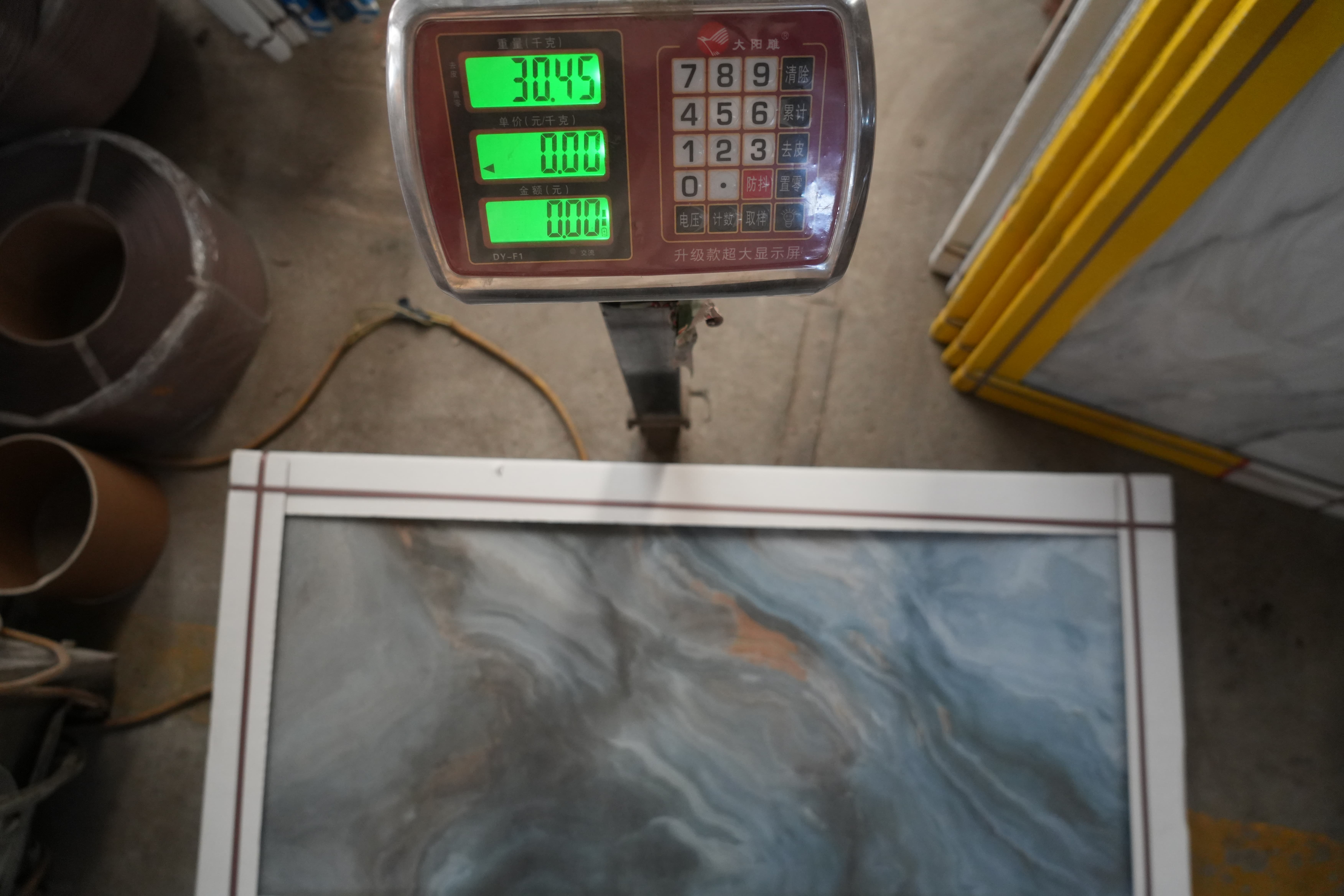
For project buyers, the relevant quality-control statement is specific: the manufacturer implements 100 percent flatness and sizing auto-check, piece-by-piece visual inspection and random lab testing per batch. Production controls also cover common tile risks such as warping, cracking, fading and staining. Documented methods include laser flatness sorting, automatic temperature control, digital weight monitoring, high-pressure compaction and random stress testing. The equipment referenced includes laser detectors, SACMI presses, automatic sorters, CNC testing instruments, laboratory kilns and ISO 9001 quality-system certification. These details do not guarantee that every tile will be perfect, but they give the buyer a basis for asking precise supply-chain questions.
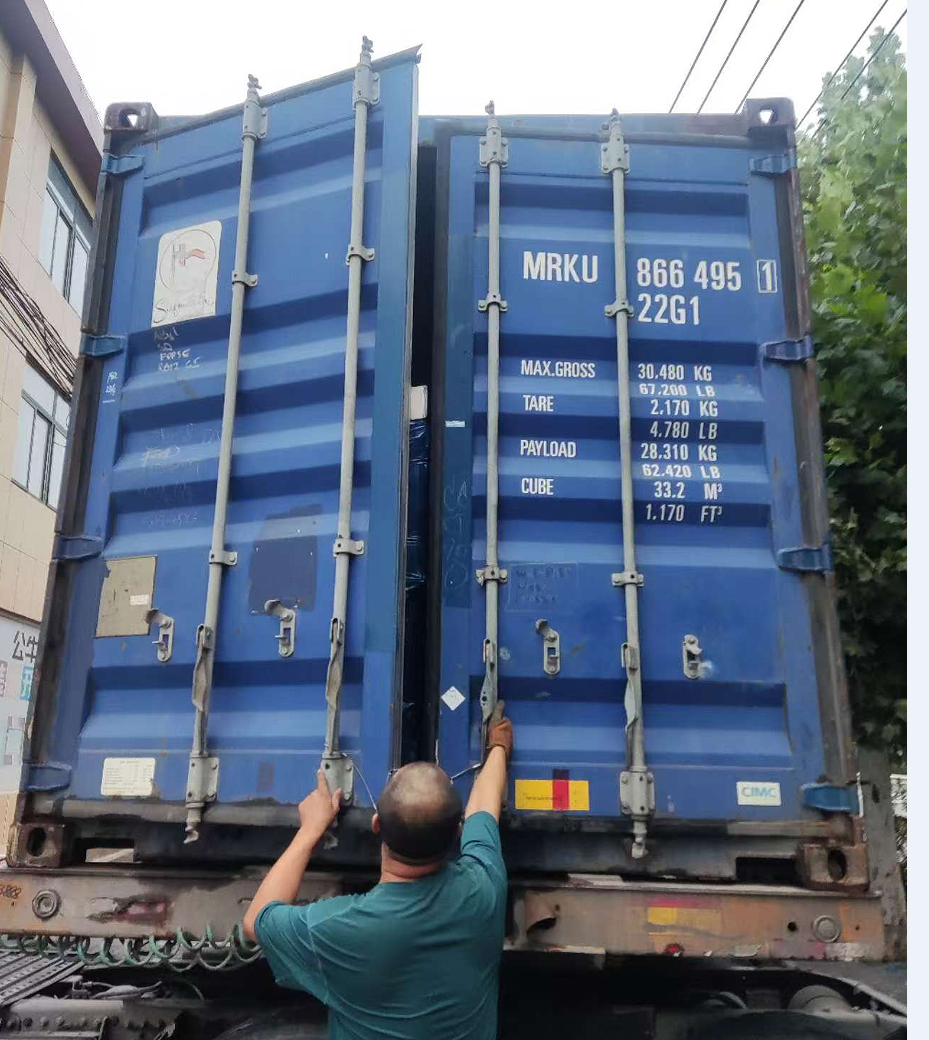
Order execution is another part of long-term reliability. All-King’s procurement terms include a minimum order of 400 square meters per design, while trial orders are acceptable for buyers who want to validate the product before committing to larger volumes. Delivery methods include EXW, FOB, CNF and CIF. Payment arrangements are 30 percent T/T deposit with 70 percent paid against a copy of the bill of lading, with L/C and cash arrangements also listed as acceptable options. Third-party inspection is allowed, which is a practical point for buyers who require independent verification before shipment.
Comparison with Traditional Lower-Grade Ceramic Solutions
One traditional alternative to porcelain is low-grade ceramic tile, often selected for its low upfront cost. All-King’s own comparative documentation describes the difference between porcelain and low-grade ceramic in clear terms: lower water absorption, higher wear resistance, better breakage resistance, higher density and better flatness. The documented mechanical comparison includes a difference of about +15 MPa in breaking strength and roughly +3 levels in Mohs hardness relative to low-grade ceramic. In practical terms, these differences show up as lower replacement frequency, easier cleaning and reduced grout maintenance over the life of the floor.
The comparison document also describes installation and maintenance advantages for the porcelain solution, including lower installation cost, lower maintenance cost and less frequent refurbishment. These claims should be treated by buyers as supplier-provided comparisons rather than as independent guarantees. The meaningful validation happens when a procurement team tests the specific product, reviews batch data and monitors installed performance over time.
It would be misleading to say that porcelain is always the correct choice. For low-traffic areas, short-term spaces or projects with extremely tight budget thresholds, a low-grade ceramic tile may still be a rational decision. A small residential bathroom or a temporary sales office does not demand the same mechanical specification as a shopping mall corridor. The boundary of the All-King comparison is therefore honest: porcelain grade documents its advantage where density, traffic, hygiene and long maintenance cycles matter; it does not remove the buyer’s obligation to match the product to the actual project risk.
There is also a practical format boundary. All-King’s core strength is the 60×120cm format, supported by 75×150cm, 80×80cm, 100×100cm and other production formats. Projects that specifically require ultra-large slabs beyond this format family may need to compare with other suppliers as part of their selection process. In the same way, Mohs hardness and PEI class describe surface behavior; they should not be interpreted as proof that the tile can solve structural problems, waterproofing failures or substrate movement.
Market Outlook for Porcelain Project Sourcing
The market data points in one direction: porcelain will continue to be a core category in commercial construction. Grand View Research projects the global ceramic and porcelain tiles market to grow from approximately USD 226.4 billion in 2025 to USD 380.6 billion by 2033. Porcelain tiles already hold the larger category share, and commercial use is the leading end-use segment. That combination gives manufacturers and buyers a strong incentive to improve verification practices.
At the same time, aggregate pricing pressure remains visible in export statistics. According to data reported through CeramBath and China Customs, China’s ceramic tile export value was about USD 3.21 billion in 2024, down 27.8 percent year-on-year, on export volume of about 599 million square meters. The average export price was approximately USD 5.36 per square meter. Low average unit prices suggest that a portion of the market still competes on cost rather than on rigorous specification. For project buyers, this is an argument for structured evaluation: ask for water absorption data, PEI classification, mechanical strength values, quality-control records and the right to third-party inspection. These requirements separate a true porcelain project solution from a product that only carries the porcelain label.
Sustainability requirements will add another layer. As LEED and other green-building frameworks influence procurement, buyers will look for low-emission materials with clear documentation. Porcelain’s high-temperature mineral body gives it a natural position in that conversation, but only when the environmental claims are supported by the supply chain. Long-term supplier relationships are likely to be built on complete and honest documentation rather than on attractive samples alone.
FAQ: Procurement Questions for Long-Term Porcelain Tile Project Supply
Q1: What is the minimum order for All-King porcelain tiles, and can a project buyer place a trial order?
All-King’s published MOQ is 400 square meters per design, and trial orders are acceptable. A trial order allows a project team or distributor to evaluate product quality, batch consistency and shipping logistics before committing to the full project volume.
Q2: What customization can All-King provide for porcelain tile project solutions?
According to All-King’s documented customization options, buyers can request custom size and thickness, surface finish, OEM brand logo and packaging, pattern variation and anti-slip rating. Customization should be defined during the order stage and reflected in the product specifications accepted by both parties.
Q3: Can a buyer arrange third-party inspection during production?
Yes. All-King’s procurement terms allow third-party inspection before shipment. The manufacturer’s quality-control system also includes 100 percent automatic flatness and size checks, piece-by-piece visual inspection and random laboratory testing per batch.
Q4: What payment and delivery terms does All-King offer to project buyers?
All-King lists payment terms of 30 percent T/T deposit and 70 percent against a copy of the bill of lading, with L/C and cash arrangements also available. Accepted delivery methods include EXW, FOB, CNF and CIF. Buyers should select the incoterm that matches their own logistics and payment risk profile.
Q5: How does All-King control production risk across repeated project orders?
The manufacturer’s documented risk-control measures cover common tile problems such as warping, cracking, fading and staining. These measures include laser flatness sorting, automatic temperature control, digital weight monitoring, high-pressure compaction and random stress testing. The production equipment referenced includes SACMI presses, automatic sorters, CNC testing instruments, laboratory kilns and ISO 9001 quality-system certification.
Q6: Is All-King structured to serve distributors and project teams that need long-term supply continuity?
All-King Ceramics is a manufacturer and direct exporter founded in 2011, operating a 60,000 m² factory with around 320 employees and 25 R&D engineers. Its annual output is approximately 12 to 16 million square meters, and around 70 percent of production is exported to markets across Oceania, Asia, Europe, the Middle East and Latin America. These scale indicators support the type of repeat-order relationship that project developers and distributors usually need.
Q7: How should a buyer decide between R11 and R12 anti-slip ratings for a commercial project?
The DIN 51130 standard provides a common reference. R11 corresponds to slopes of 19 to 27 degrees and is generally used in kitchens and food production spaces. R12 corresponds to slopes of 27 to 35 degrees and is used in dairy or industrial environments with more severe wet conditions. If a project requires a specific anti-slip class, the buyer should confirm that the tile’s anti-slip rating matches the actual floor slope and exposure conditions.
For procurement teams that need to review additional formats, design finishes and export documentation, All-King Ceramics maintains a public product catalog as an independent reference: All-King Ceramics Catalog (PDF).
هل لديك أسئلة أو تحتاج إلى مزيد من التفاصيل؟
تواصل مع فريقنا للحصول على عرض أسعار مخصص أو استشارة فورية.
طلب عرض أسعار
املأ النموذج أدناه وسيتواصل معك فريقنا بعرض مقترح مخصص.
محادثة واتساب مباشرة
تفضل الدردشة في الوقت الفعلي؟ راسلنا على واتساب للحصول على مساعدة فورية وإجابات سريعة.
- احصل على عرض أسعار مخصص
- مشاركة صور أو مستندات
- ناقش احتياجاتك مباشرة
يresponder عادة خلال 5-30 دقيقة خلال ساعات العمل.