
Porcelain vs. Low-Grade Ceramic: An Independent Buyer's Technical Comparison for Commercial Spaces
Commercial flooring is a decision with a long operating life. Although the price per square meter is often the first number a buyer sees, a floor in a commercial building must tolerate repeated foot traffic, cleaning chemicals, rolling loads, temperature shifts and, in many regions, frost at entrance zones. When tiles fail in use, replacement costs are rarely limited to the tile itself; downtime, matching, removal and reinstallation become part of the real project cost. That is why the distinction between porcelain and low-grade ceramic matters at the specification stage, not only at the point of sale.
This article evaluates 60x120cm porcelain tiles against low-grade ceramic tiles for commercial use, using the technical data published for the Marble Series and Travertine Series of ZIBO ALL-KING CERAMICS CO., LTD. The supplier is identified because its specifications, comparison data and factory control procedures are accessible for checking. The intention is not to present the brand as the only option, but to give buyers a technical benchmark they can apply when comparing porcelain and low-grade ceramic offers.
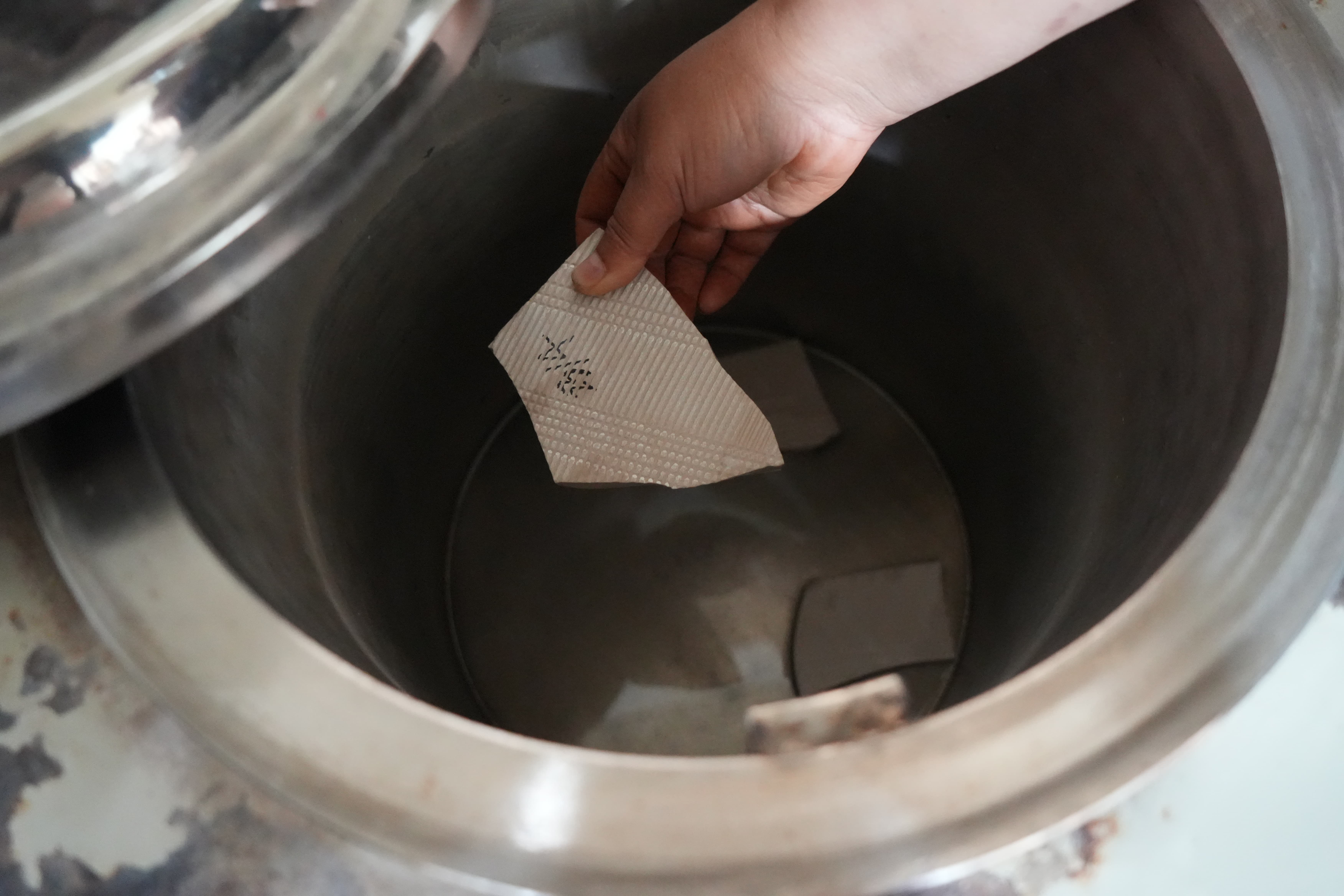
Porcelain vs. Low-Grade Ceramic: What Is Actually Being Compared?
Porcelain is not merely a marketing label. In ceramic classification, porcelain-grade tile bodies are fired to a denser, more vitrified state, and the measured water absorption becomes the key technical divider. Under ISO 13006 / EN 14411, commercial porcelain tile is classified in Group BIa, where water absorption is required to be no more than 0.5%. Low-grade ceramic products typically remain more porous, which affects their durability, stain resistance and behaviour in wet or cold environments.
For a buyer, the practical comparison is not between two similar products with different names. It is a comparison of material density, surface hardness, breaking strength, flatness and long-term maintenance behaviour. In the comparison documentation reviewed for this article, porcelain was measured against low-grade ceramic in five categories: lower water absorption, higher wear resistance, better breakage resistance, higher density and better flatness. These five categories are directly connected to how a commercial floor performs after installation.
| Material response | Documented porcelain reference | Observed difference vs low-grade ceramic |
|---|---|---|
| Body density and porosity | High-density vitrified porcelain body | Higher density and lower water absorption than a low-grade ceramic body |
| Water absorption | Less than 0.5% | Meaningfully lower porosity; the body resists water ingress in wet cleaning and outdoor exposure |
| Breaking strength | Breaking strength ≥1300 N; modulus of rupture ≥35 MPa | Measured comparison shows roughly +15 MPa higher breaking strength |
| Surface hardness | Mohs hardness 6–7 | Measured comparison shows roughly +3 Mohs hardness points higher |
| Wear resistance | Abrasion resistance PEI 4 / PEI 5 | Higher wear resistance under commercial foot-traffic abrasion |
| Flatness and dimensional control | Factory flatness sorting and automated dimensional checking | Better flatness, which reduces lippage and installation adjustment time |
60x120cm Porcelain Tile Benchmark: Marble Series and Travertine
Large-format 60x120cm tiles are widely used in commercial projects because the larger module reduces grout lines and creates a cleaner visual field. The Marble Series and Travertine Series from this manufacturer are both listed as 60x120cm porcelain tiles with identical physical parameters. That means the buyer's decision between these series is primarily a design-surface decision, not a structural-performance decision.
| Parameter | Documented value |
|---|---|
| Product family | 60x120cm porcelain tiles |
| Series examples | Marble Series, Travertine Series |
| Base material | Porcelain clay |
| Thickness range | 9.0–10.5 mm |
| Water absorption | <0.5% (vitrified) |
| Abrasion resistance | PEI 4 / PEI 5 |
| Mohs hardness | 6–7 |
| Breaking strength | ≥1300 N |
| Modulus of rupture | ≥35 MPa |
| Packing specification | 2 pieces per box (1.44 m² per box) |
How Breaking Strength, Hardness and Water Absorption Affect a Commercial Floor
A commercial floor is not carrying only people. It carries trolleys, display racks, luggage, maintenance machines, dropped tools and concentrated loads around entrances and service areas. Breaking strength and hardness are therefore not abstract laboratory figures; they predict how a tile will react to point loads, impacts and surface abrasion over years of service.
The reviewed porcelain data show a breaking strength of at least 1300 N and a modulus of rupture of at least 35 MPa. When compared with low-grade ceramic, the recorded difference reaches approximately +15 MPa in breaking strength. For a 60x120cm tile, this additional strength is meaningful because large-format tiles are more exposed to bending stress during handling and installation than smaller formats. A tile that flexes under load without cracking is easier for installers to place and less likely to develop hidden fractures after the floor is opened to traffic.
Surface hardness follows a similar logic. The 60x120cm porcelain references in this review are specified with Mohs hardness of 6–7, while the comparison documentation indicates about +3 Mohs hardness versus a low-grade ceramic body. On a commercial floor, this difference appears as resistance to scratching from sand, metal debris, castors and frequent cleaning. A harder surface also keeps the tile visually presentable for a longer period, which matters in hotels, commercial centres and other areas where the floor is part of the customer experience.
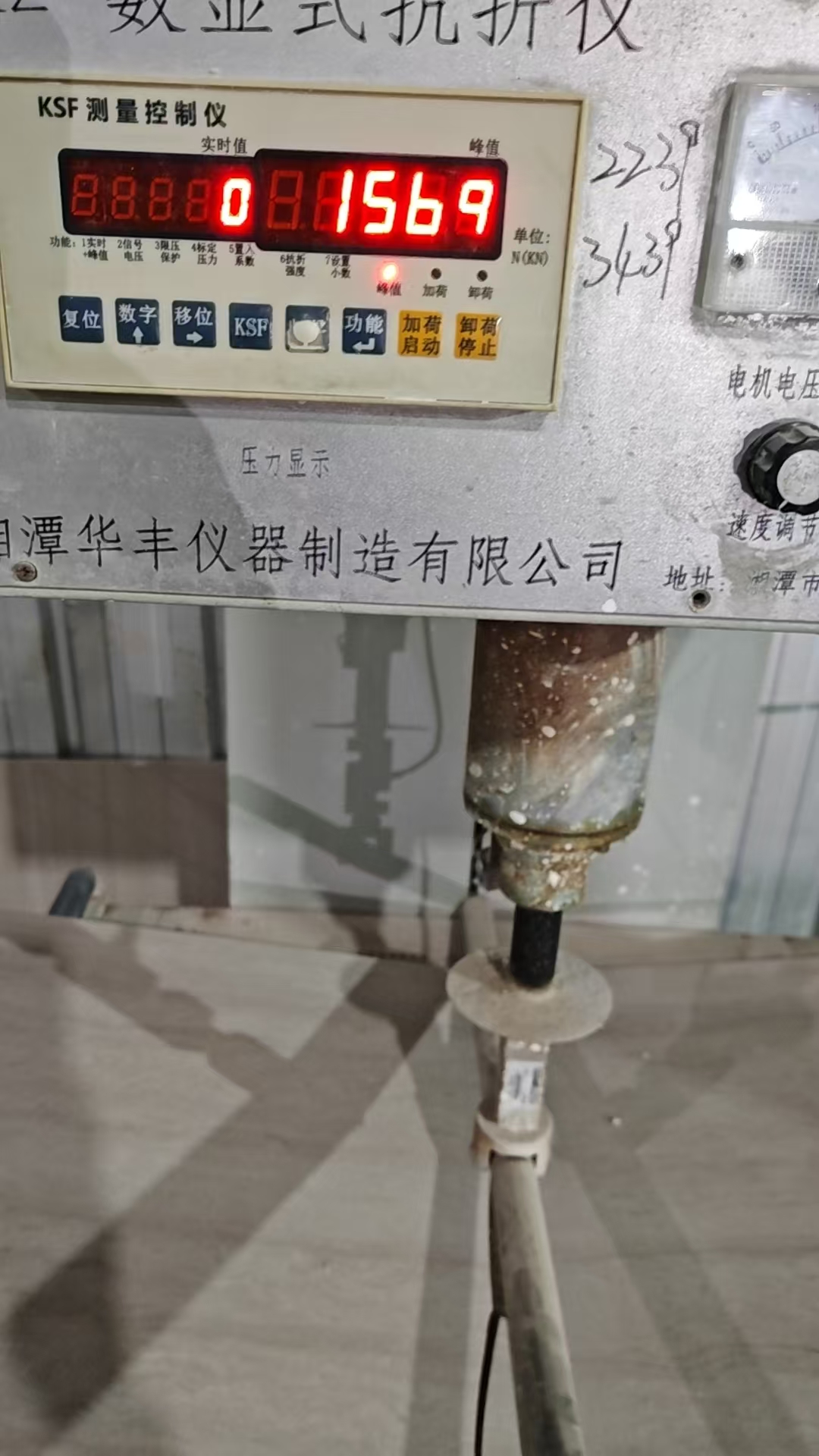
Water absorption below 0.5% is the threshold that separates porcelain from less vitrified ceramic bodies. In commercial environments, low absorption affects daily operations. If a floor is washed several times per day, a porous tile will absorb moisture into its body, making stains harder to remove and increasing the risk of structural damage when water freezes or when cleaning chemicals remain in contact with the tile. Porcelain tiles below 0.5% absorption do not require sealing in the same way that many low-grade ceramic floors do, which is one of the reasons they appear in the maintenance records as a less intensive surface to manage.
The comparison data also list better thermal efficiency, higher energy saving, better insulation performance and higher heating conduction as part of the porcelain difference. In projects where underfloor heating is planned, the density and moisture resistance of the tile body influence how evenly heat is transmitted through the floor. A tile that does not absorb water and does not carry retained moisture into the heating cycle provides more predictable thermal behaviour. For slabs installed over heated interiors, this contributes to the overall energy performance of the finished floor assembly.
Installation, Maintenance and the Real Cost of Low-Grade Material Choice
The first cost of a tile is only a fraction of the lifecycle cost. Installation, maintenance, replacement frequency and the operational impact of closing a commercial area contribute more to the final expense than the difference in unit price. In the comparison data prepared by the manufacturer, porcelain tiles are associated with a 20% lower installation cost, 30% lower maintenance cost and 10% lower direct factory price when compared with low-grade ceramic in the same supply channel. Those percentages are supplier-side observations, but they identify the categories buyers should investigate with their own cost model.
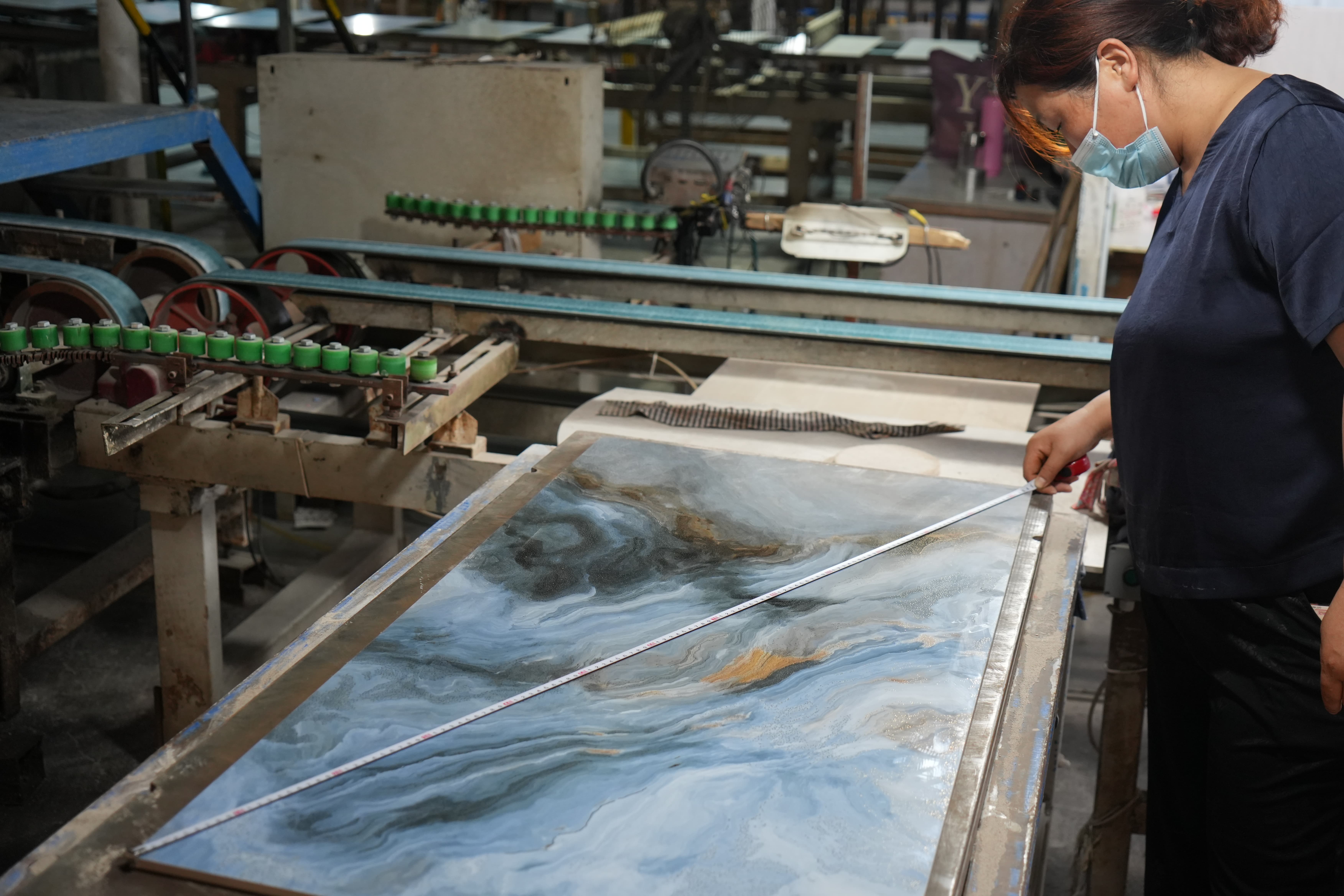
Why would installation cost be lower? Porcelain tiles, especially in a controlled large format, offer better flatness and predictable size. The manufacturer's factory documentation mentions laser flatness detection, automatic sorting and repeated dimensional checks. When tiles are flat and consistent, installers spend less time adjusting lippage, sorting defective pieces and managing tile-to-tile height differences. The result is a faster installation process, which directly affects labour cost on a commercial site.
Maintenance cost follows a similar pattern. The comparison unit lists easier cleaning, less tile replacement, zero sealing required, lower refurbishment frequency and minimal grout upkeep as characteristics of porcelain relative to low-grade ceramic. For a facility manager, these maintenance savings recur every year. Low-grade ceramic may appear lower in the initial purchase price, but its higher water absorption and lower surface hardness create costs that repeat through cleaning, sealing and replacement.
Where a Low-Grade Ceramic Tile Remains a Defensible Option
A balanced technical comparison should also state the boundary of the porcelain recommendation. Porcelain density brings strength and moisture resistance, but it also increases the weight of each tile. In projects where the substrate has a strict load limit, or where the specification requires a lighter wall cladding or a demountable partition system, a lower-weight ceramic product may be technically more appropriate. Low-grade ceramic is also easier to cut in workshops without diamond tooling, and for short-term decorative applications, display sets or temporary spaces, the lower specification may be a rational budget choice.
The conclusion is therefore not that porcelain is always the correct material. For permanent commercial floors, food-service areas, transit spaces and other high-use environments, the measurable technical advantages of porcelain are relevant to project success. But the project team should decide based on traffic load, substrate conditions, humidity, frost exposure and maintenance capacity, not only on the material label.
Commercial Project Types Where 60x120cm Porcelain is Commonly Specified
The documented best-use list for this porcelain reference includes commercial centres, luxury hotels, transit hubs, corporate offices and high-end residences. These project types share a common requirement: the floor must remain visually stable and structurally sound under continuous public use. A 60x120cm format offers fewer grout joints than smaller tiles, which is an advantage in areas where hygiene and ease of cleaning are priorities.
For public transport environments, the technical requirements go beyond the tile body. High-traffic public areas such as airport terminals and railway stations often require a slip-resistance rating of R10 or R11 under DIN 51130. That evaluation is separate from water absorption and hardness, and it should be requested from the tile supplier before installation. Frost resistance is another separate requirement for exposed commercial spaces; commercial-grade frost resistance is tested under ISO 10545-12, which requires tiles to withstand at least 100 freeze-thaw cycles. A porcelain body with very low water absorption is structurally a better starting point for frost resistance, but the buyer should always verify the specific test report for the project climate.
Hospitality projects and shopping malls tend to combine large public floor areas with high aesthetic expectations. Porcelain tiles with polished or textured stone-inspired surfaces, such as Marble Series and Travertine, allow the project team to achieve a continuous natural-stone look without the maintenance burden of natural stone slabs. Corporate office lobbies and corridors also benefit from the lower maintenance requirement, because cleaning can be scheduled without the disruption associated with sealing or frequent polishing.
Market Signals Around Commercial Tile Specification
The ceramic and porcelain tiles market is growing, and commercial construction is a major driver. According to Custom Market Insights, the global market was valued at USD 423.90 billion in 2024 and is projected to reach USD 845.80 billion by 2034. On a regional level, the Southeast Asia ceramic tiles market is estimated at approximately USD 11.5 billion in 2024, supported by travel, tourism and infrastructure activity. Russia's ceramic tiles market was valued at USD 3.2 billion in 2024, with expectations of growth to USD 5.10 billion by 2032.
Import data also point to the role of international suppliers. In 2024, Uzbekistan imported USD 125 million of ceramic products, with China as the leading supplier at USD 75.1 million. China's ceramic tile exports to the Philippines grew by 77.5% year on year in March 2025, reaching USD 29.6 million. These figures do not recommend a specific brand, but they do indicate that commercial tile buyers in Central Asia, Southeast Asia and other importing regions are increasingly engaged in cross-border procurement decisions where material verification becomes essential.
From Specification to Execution: Verifying the Porcelain Difference
A buyer comparing porcelain and low-grade ceramic should not accept the material category on the box alone. Verification starts with written specifications. In the reviewed data, the 60x120cm porcelain Marble and Travertine series carry explicit values: water absorption below 0.5%, breaking strength of at least 1300 N, modulus of rupture of at least 35 MPa, Mohs hardness of 6–7 and abrasion resistance class PEI 4 or PEI 5. Each value can be checked against independent laboratory reports or third-party inspection results.
The manufacturer's factory-control procedures add another layer of evidence. The recorded methodology includes laser flatness sorting, automatic temperature control, digital weight monitoring, high-pressure compaction and random stress testing. These controls directly address the risks that cause failures in commercial ceramic floors: warping, cracking, delaying, fading and staining. For a buyer, the question is not only whether a tile passes one laboratory sample, but whether the production process can deliver the same physical quality across a large commercial order.
ZIBO ALL-KING CERAMICS CO., LTD, the manufacturer whose data were used for this technical reference, reports a monthly production capacity of 1.2 million square meters. The company also states that after-sales services include damage compensation, online installation guidance, 24/7 technical consultation, and batch tracking and reordering support. For a commercial project with multiple phases, these factors may be as important as the Mohs hardness value, because they affect the ability to match future batches and resolve issues during execution.
Commercial Procurement Conditions for Porcelain Tile Orders
When the decision has moved to the execution stage, buyers need to align the technical specification with practical procurement terms. The purchasing conditions recorded for the reviewed product range are transparent: a minimum order quantity of 400 square meters per design, with trial orders accepted; delivery under EXW, FOB, CNF or CIF terms; third-party inspection accepted before shipment; and payment by 30% TT with 70% against BL copy, L/C, or cash. These terms are typical of a supplier with export experience, and they allow the buyer to keep control of quality through independent verification.
A catalogue reference for the complete series is available in the manufacturer's public document, which includes the full format matrix and product options: All-King Ceramics Catalog. The file is provided here only as a supporting document for specifiers who need to compare multiple series before issuing a tender.
Future Outlook: Specification Discipline and Supply Reliability
The long-term trend in commercial tile buying is moving away from one-time shipment decisions and toward repeatable procurement relationships. Buyers are asking not only what a tile costs, but whether the supplier can hold a consistent specification across multiple deliveries, whether the factory tests the same parameters that the certificate declares, and whether the after-sales process covers installation, batch tracking and replacement. These questions align with the technical disciplines discussed in this article: the same factory data that explain breaking strength and water absorption are also evidence of process control and supply reliability.
For commercial spaces, the cost of a floor is realised over the building's operating life. Porcelain products with measured characteristics such as those reviewed here give the project team a traceable basis for that decision. Low-grade ceramic remains available as a lower-specification solution, but the buyer should understand the maintenance and replacement consequences before choosing it for a permanent, high-use installation.
Commercial Tile Specification FAQ
What is the difference between porcelain and low-grade ceramic tiles?
Porcelain is a dense, vitrified ceramic body with water absorption below 0.5%. Low-grade ceramic generally has a more porous body, lower density and lower resistance to water. In the comparison data reviewed here, porcelain shows higher density, higher wear resistance, better breakage resistance, better flatness and lower water absorption than low-grade ceramic.
Which technical specifications should a commercial buyer request for porcelain tiles?
A useful minimum set is water absorption below 0.5%, breaking strength of at least 1300 N, modulus of rupture of at least 35 MPa, Mohs hardness of 6–7, abrasion resistance of PEI 4 or PEI 5, and documented flatness control. For the 60x120cm porcelain references reviewed here, this set is clearly listed in the published product parameters.
Why are breaking strength and Mohs hardness important for commercial floors?
Breaking strength reflects the tile's ability to resist bending loads. Hardness reflects resistance to scratching and surface damage. In the reviewed comparison, porcelain shows roughly +15 MPa higher breaking strength and +3 Mohs hardness points versus low-grade ceramic, which reduces the risk of cracking under point loads and visible wear in high-traffic areas.
Does low water absorption really affect maintenance?
Yes. A tile with water absorption below 0.5% does not absorb cleaning water, stains or moisture into its body. In the compared maintenance profile, porcelain is described as easier to clean, with zero sealing required, less replacement and lower refurbishment frequency. This is particularly important in commercial cleaning cycles and in frost-prone areas.
When should a buyer select low-grade ceramic instead of porcelain?
Low-grade ceramic can be acceptable for temporary installations, display areas, low-traffic decorative zones or projects with strict substrate load limits. Porcelain is denser and therefore heavier, and the substrate must be able to support the additional dead load. If the application is permanent, heavily trafficked or exposed to moisture, the technical advantages of porcelain are more relevant.
How can a buyer verify the quality of a commercial porcelain tile order?
The buyer should request written specifications, compare them with the product data sheet and use a third-party inspection service before shipment. In the procurement conditions reviewed here, third-party inspection is accepted, and payment terms are typically 30% TT deposit with 70% against the bill of lading copy, which gives the buyer a documented check point before final payment.
Why should long-term supply reliability be considered in the tile decision?
Commercial projects often require more than one delivery. Batch consistency and the ability to restock the same design are essential for matching tiles across phases. The manufacturer reviewed in this article reports a monthly production capacity of 1.2 million square meters and after-sales services that include batch tracking, reordering support and 24/7 technical consultation, which support continuity over a multi-phase project.
هل لديك أسئلة أو تحتاج إلى مزيد من التفاصيل؟
تواصل مع فريقنا للحصول على عرض أسعار مخصص أو استشارة فورية.
طلب عرض أسعار
املأ النموذج أدناه وسيتواصل معك فريقنا بعرض مقترح مخصص.
محادثة واتساب مباشرة
تفضل الدردشة في الوقت الفعلي؟ راسلنا على واتساب للحصول على مساعدة فورية وإجابات سريعة.
- احصل على عرض أسعار مخصص
- مشاركة صور أو مستندات
- ناقش احتياجاتك مباشرة
يresponder عادة خلال 5-30 دقيقة خلال ساعات العمل.