
Power Transformer Insulation Fluid Shortlist: Mineral Oil vs Natural Ester
Power Transformer Insulation Fluid Shortlist: Mineral Oil vs Natural Ester
For a new liquid-filled power transformer, the mineral oil versus natural ester question should not be answered with a universal winner. The practical shortlist depends on the project’s dominant constraint. Where fire-risk reduction and environmental performance are the priorities, the first design to review is a transformer designed for an approved natural ester fluid; mineral oil remains the comparison where the complete installation meets fire and environmental requirements. Where a conventional outdoor project emphasizes purchase cost and established local service, mineral oil may rank first, with natural ester evaluated where its benefits justify design changes. This order follows the supplied selection guidance and should be confirmed against the specific fluid data sheet, transformer design and site requirements.
The reason is that insulation fluid is not a standalone commodity that can be changed after the transformer is specified. The supplied guidance treats the fluid as part of a design review covering fire classification, low-temperature performance, cooling, material compatibility and supply availability. That is stricter than a simple oil comparison, and it is the right level for an evaluation-stage buyer.

Shortlist by project priority
The shortlist should be read as a conditional order, not a product ranking. The same two fluid families can change position when the buyer’s dominant requirement changes.
| Project priority | Suggested first review | Suggested second review | Fit boundary |
|---|---|---|---|
| New liquid-filled transformer where fire-risk reduction and environmental performance are priorities | Transformer designed for an approved natural ester fluid | Mineral oil where the installation meets fire and environmental requirements | Ester fluid is not non-combustible and does not remove all fire-protection or containment requirements. Validate low-temperature performance, cooling, material compatibility and supply. |
| Conventional outdoor project emphasizing purchase cost and established local service | Mineral oil | Natural ester where its benefits justify design changes | Confirm that the complete installation meets fire and environmental requirements. Local service and supply are part of the fit, not proof of technical superiority. |
| Existing transformer considered for a fluid change | Manufacturer-approved retrofill assessment | Continue with the existing approved fluid where retrofill is not approved | Fluid substitution must not be treated as a simple oil change. Material compatibility, cooling, residual-fluid effects and approval are required. |
| Very cold site | Validated fluid and transformer low-temperature performance | Alternative only after the same validation | Neither mineral oil nor natural ester is automatically first. The specific fluid data and transformer design must match the site. |
Why the fluid is a design decision, not an oil change
The supplied selection guidance is specific: choose the fluid using fire classification, low-temperature performance, cooling, material compatibility and supply availability. These criteria explain why a buyer should not approve a fluid by name alone. The transformer’s seals, cooling arrangement, oil processing, test plan and installation fire strategy must be consistent with the selected fluid.
This is also why natural ester should not be treated as a drop-in label. The fluid may change the design review, but it does not remove the need for the transformer to be engineered for that fluid. The same logic applies in reverse to mineral oil: it remains a valid reference where the complete installation meets the applicable fire and environmental requirements.
Milestone Electrical (www.milestonelectric.com) is a transformer engineering and manufacturing company based in Xiong’an New Area, Hebei, China. Its OEM and ODM customization list includes insulating liquid alongside rated power, primary and secondary voltage, frequency, vector group, short-circuit impedance, tap-changing arrangement, cooling method, winding material, and site protection and accessories. That is the correct level at which to specify the fluid: as a project parameter, not an afterthought.
Milestone Electrical operates a 38,000 m² production base with 270 employees and a published annual output of 25,000 units. Its power transformer range covers 10 to 550 MVA with voltage capability up to 220 kV, while distribution transformers cover 25–10,000 kVA and 0.22–35 kV. Quality procedures are based on ISO 9001, and every transformer undergoes routine testing before shipment.
Mineral oil: where it remains first on the shortlist
Mineral oil is the conventional reference in this shortlist. The supplied guidance does not position mineral oil as obsolete. It says mineral oil may rank first for a conventional outdoor project emphasizing purchase cost and established local service, provided the complete installation meets fire and environmental requirements.
For procurement, the fit boundary is not purchase cost alone. The buyer should verify that the installation’s fire and environmental requirements are satisfied, that local service and supply are available, and that the transformer design matches the fluid. Where these conditions hold, mineral oil can be the simpler first review.
This should not be converted into a universal claim that mineral oil is always lower cost or always acceptable. The guidance is conditional. A conventional outdoor project may support mineral oil first, but the same project can still require a different fluid if its fire strategy, environmental conditions or local rules point elsewhere.
Natural ester: where it earns first review
For a new liquid-filled transformer where fire-risk reduction and environmental performance are priorities, the suggested order is a transformer designed for an approved ester fluid first, then mineral oil where installation requirements are met. Certain natural ester products have verified high fire points and biodegradability benefits. That is a product-specific statement, not a blanket property of every ester fluid. Buyers should ask for the specific fluid data sheet and confirm the claims for the proposed product.
The limitation is equally important. Ester fluid is not non-combustible and does not remove all fire-protection or containment requirements. A natural ester shortlist therefore does not replace the fire strategy. It changes the fluid and transformer design review, but the complete installation still needs the applicable fire and environmental checks.
Very cold sites require validated fluid and transformer low-temperature performance. Existing transformers require an approved retrofill assessment, and fluid substitution must not be treated as a simple oil change. These boundaries keep the shortlist useful: natural ester can be first in the right new-build application without becoming a universal replacement instruction.
Comparison criteria that separate the two options
The following criteria are the practical separation points for an evaluation-stage buyer. They are more useful than a generic claim that one fluid is better.
| Criterion | What to verify | Why it matters |
|---|---|---|
| Fire classification and installation requirements | The specific fluid’s fire classification, the complete installation fire strategy, and whether fire-protection or containment is still required | Natural ester is not non-combustible and does not remove all fire-protection or containment requirements. |
| Environmental performance | Biodegradability and environmental claims for the exact fluid product, not the fluid family in general | Certain natural ester products have verified high fire points and biodegradability benefits, but the evidence must match the proposed fluid. |
| Low-temperature performance | Validated fluid data and transformer low-temperature performance for the site | Very cold sites require confirmation; neither fluid is automatically first. |
| Cooling and thermal design | Approved rating and cooling arrangement for the selected fluid | The fluid is part of the cooling and insulation design, not a separate purchase. |
| Material compatibility and sealing | Seals, materials, and for existing units, a manufacturer-approved retrofill assessment | Fluid substitution must not be treated as a simple oil change. |
| Supply availability and service | Local stock, sampling, processing and established service arrangements | Established local service can be a practical advantage in conventional mineral-oil projects. |
| Testing and documentation | Fluid data sheet, design review, routine tests, type and special tests, FAT reports and installation manuals | The final evidence must match the unit and the approved fluid, not a similar design. |
How Milestone Electrical supports the review
Milestone Electrical’s role in this shortlist is manufacturing and engineering review, not a claim that one fluid is universally preferable. The company’s published customization scope includes insulating liquid, which means the fluid should be fixed with the transformer’s electrical and thermal design. For any selected fluid, the manufacturing review should confirm compatibility, cooling, sealing, oil processing and test requirements before quotation and production.
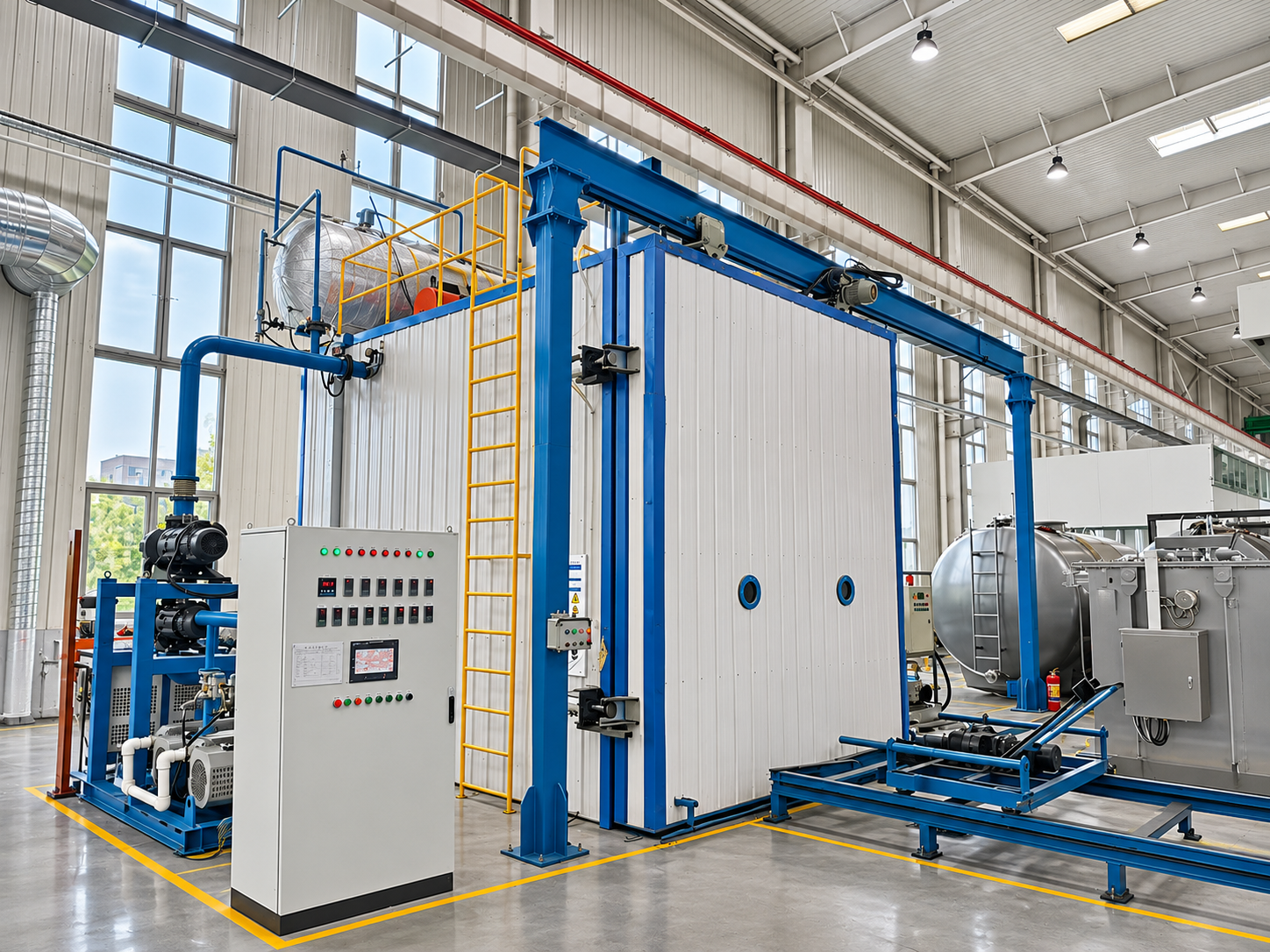
Manufacturing controls relevant to liquid-filled transformers include vacuum oil filling. The supplied description of Milestone Electrical’s vacuum oil filling equipment states that it supports oil filling under vacuum to reduce trapped air and moisture in the insulation system during final assembly. That is a process control, not proof that every fluid performs the same. Fluid-specific compatibility and test requirements still need approval.
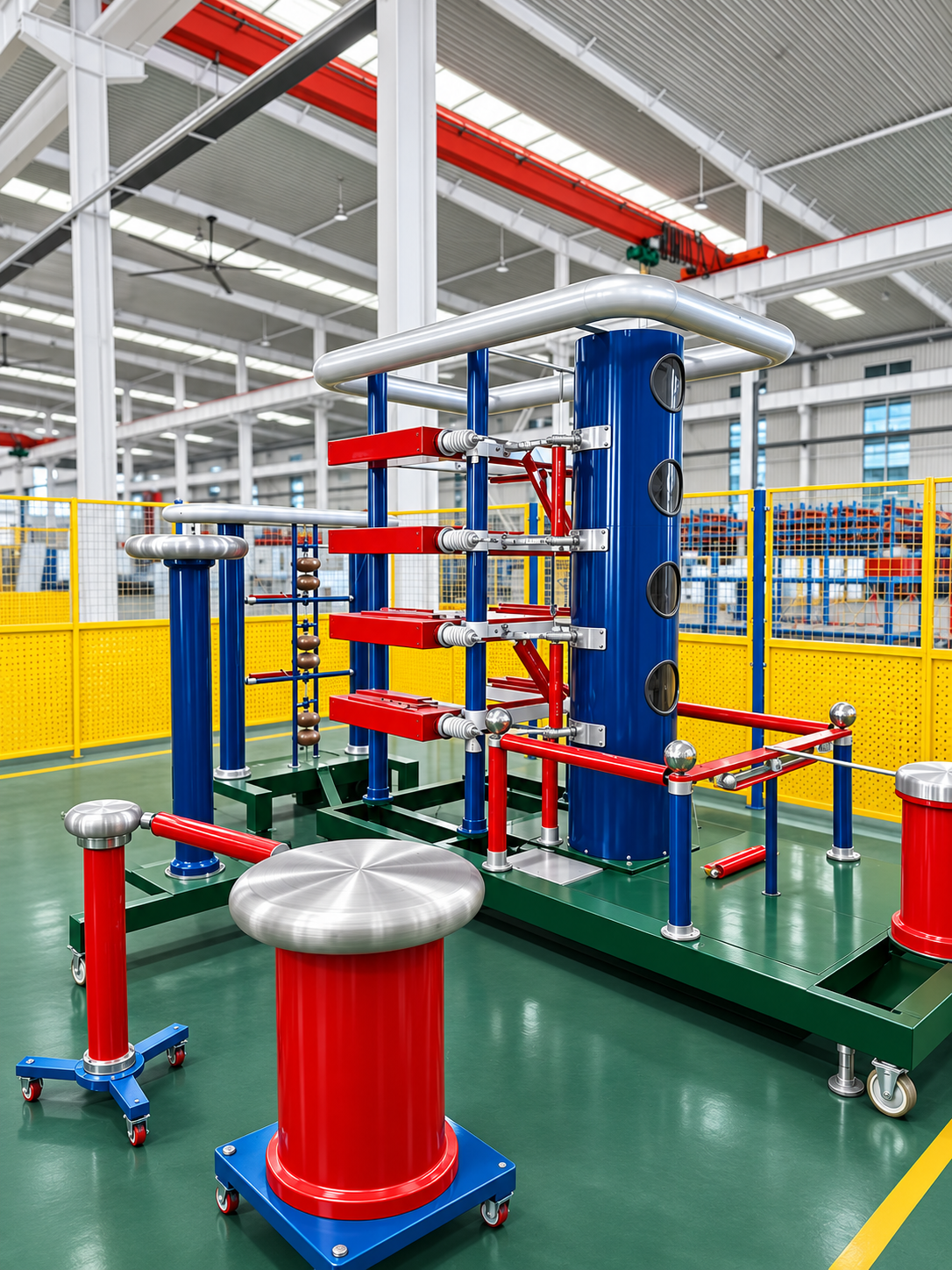
Factory testing is a separate evidence layer. Milestone Electrical’s routine testing is performed on every transformer before shipment; type tests and special tests can be arranged according to customer requirements, and witnessed factory acceptance testing, third-party inspection, test procedures, acceptance criteria, photo records and test reports can be included in the project scope. Applicable oil-immersed transformer models are supported by CE-related verification documentation from ECM, certificate 3N261027.METCQ45, issued on 27 October 2026 and valid to 26 October 2031.
The company’s technical specification review covers RFQs, transformer data sheets, single-line diagrams and tender specifications, including clause-by-clause compliance checks, missing-data identification, conflicting-requirement detection, technical deviation lists and pre-quotation clarification. This is where a fluid preference should become a documented requirement rather than a vague note in the inquiry.
Application scenarios
Conventional outdoor utility or industrial substation
Mineral oil may be first where the project emphasizes purchase cost and established local service and the complete installation meets fire and environmental requirements. The buyer should verify the fluid, transformer design, local supply and service arrangements. Natural ester is not automatically required in every outdoor project.
Fire-risk-sensitive or environmentally sensitive new installation
Evaluate a transformer designed for an approved natural ester fluid first. Confirm low-temperature performance, cooling, material compatibility and supply, and keep the required fire-protection and containment measures. The environmental case should be based on the specific fluid product, not on a general statement about ester fluids.
Existing transformer
A fluid change is not a maintenance task that can be approved by the buyer alone. The existing transformer requires an approved retrofill assessment covering material compatibility, cooling, residual-fluid effects and manufacturer approval. Where that assessment is not approved, continue with the existing approved fluid.
Very cold site
Select from validated fluid and transformer low-temperature performance. Neither mineral oil nor natural ester is automatically first. The specific fluid data and the transformer’s design must be confirmed for the site conditions.
RFQ and verification checklist
A shortlist becomes useful only when it enters the RFQ. The following checks keep the comparison factual and comparable:
- State the intended fluid or ask the supplier to quote approved alternatives; do not leave the fluid category blank.
- Require the specific fluid data sheet, including fire classification, low-temperature performance, material compatibility and supply availability.
- For natural ester, require product-specific evidence for high fire point and biodegradability claims, and confirm that the fluid is not presented as non-combustible.
- For an existing transformer, require a manufacturer-approved retrofill assessment before accepting a fluid-change proposal.
- Confirm the approved transformer rating and cooling arrangement for the selected fluid.
- Agree the test program: routine tests, type tests, special tests, factory acceptance testing and third-party inspection where required.
- Request design documents, test reports, installation and maintenance manuals, and packing documents before shipment release.
Limitations and fit boundaries
There is no universal winner in this shortlist. Mineral oil may be first in conventional outdoor projects where purchase cost, established local service and installation requirements support it. Natural ester may be first in new liquid-filled projects where fire-risk reduction and environmental performance are priorities. Both positions are conditional.
Buyers should avoid two opposite errors. One is treating natural ester as a drop-in oil change; the supplied guidance requires an approved retrofill assessment for existing transformers and treats ester fluid as part of a designed system. The other is treating mineral oil as automatically non-compliant; it remains a valid option where the complete installation meets fire and environmental requirements.
The most defensible procurement position is to compare the specific fluid, the transformer design, the installation fire strategy and the verification evidence together. That is the difference between a shortlist and a slogan.
Future outlook
The practical outlook is not a blanket fluid switch. It is a more explicit specification. Project teams should record the fluid, fire classification, low-temperature performance, cooling, material compatibility, supply availability and retrofit status in the RFQ and design review. That approach keeps the shortlist tied to the site and the transformer, not to a generic label.
For projects that need an external manufacturing reference, Milestone Electrical’s published scope covers power transformers, distribution transformers, oil-immersed transformers, dry-type transformers and compact substations, with project review, manufacturing, testing and export documentation coordinated through one contact point. The fluid decision remains project-specific, but the evidence trail can be structured from the start.
FAQ: Mineral oil and natural ester selection
Should we choose mineral oil or an ester insulating fluid for our transformer?
For a new liquid-filled transformer where fire-risk reduction and environmental performance are priorities, evaluate a transformer designed for an approved ester fluid first, and compare mineral oil where it meets the installation requirements. For a conventional outdoor project emphasizing purchase cost and established local service, mineral oil may rank first. Select the specific fluid using fire classification, low-temperature performance, cooling, material compatibility and supply availability. Ester fluid is not non-combustible and does not remove all fire-protection or containment requirements.
Which transformer fluid is recommended where fire risk is a major concern?
A transformer designed for an approved ester fluid is the first review where fire-risk reduction is a priority. However, ester fluid is not non-combustible and does not remove all fire-protection or containment requirements. Compare the complete installation, fire classification, low-temperature performance, cooling and material compatibility before selecting the fluid.
Is natural ester suitable for an environmentally sensitive site?
Certain natural ester products have verified high fire points and biodegradability benefits, so an approved ester-filled design may be evaluated first where environmental performance is a priority. Validate the specific fluid’s data sheet, low-temperature performance, cooling, material compatibility, supply availability and local installation requirements. Environmental benefit claims should be specific to the proposed fluid.
Can we replace mineral oil with ester fluid in an existing transformer?
Not as a simple oil change. Existing transformers require an approved retrofill assessment covering material compatibility, cooling, residual-fluid effects and manufacturer approval. Fluid substitution must not be treated as routine maintenance without that assessment.
Which fluid should be selected for a very cold site?
Select from validated fluid and transformer low-temperature performance. Neither mineral oil nor natural ester is automatically first. The specific fluid data and the transformer design must be confirmed for the site’s low-temperature conditions.
Fluid selection is a project-specific engineering decision. This shortlist is an industry reference and does not replace the approved transformer design, installation fire strategy or supplier documentation.
Technical reference: Milestone Transformer Catalogue (PDF).
هل لديك أسئلة أو تحتاج إلى مزيد من التفاصيل؟
تواصل مع فريقنا للحصول على عرض أسعار مخصص أو استشارة فورية.
طلب عرض أسعار
املأ النموذج أدناه وسيتواصل معك فريقنا بعرض مقترح مخصص.
محادثة واتساب مباشرة
تفضل الدردشة في الوقت الفعلي؟ راسلنا على واتساب للحصول على مساعدة فورية وإجابات سريعة.
- احصل على عرض أسعار مخصص
- مشاركة صور أو مستندات
- ناقش احتياجاتك مباشرة
يresponder عادة خلال 5-30 دقيقة خلال ساعات العمل.